How Can You Safely Inspect Ammunition for Damage?
So, you want to know how can you safely inspect ammunition for damage? That's a really smart question to be asking, and honestly, it’s a vital part of safe firearm handling. A quick, careful visual check of your cartridges can prevent dangerous malfunctions and keep you out of trouble at the range or in the field.
We're essentially looking for anything that deviates from how a factory-new round should look and feel. Think of it like a quick pre-flight check for your ammunition. As per general firearm safety protocols, consistent inspection, especially of older or stored ammunition, is recommended to ensure reliability and safety as of 2026.
Quick Answer
Safely inspect ammunition by performing a visual check for dents, cracks, corrosion, loose bullets, and damaged primers. Handle each cartridge gently, one at a time, in good lighting. Set aside any rounds showing defects and dispose of them properly through approved channels, never mixing them back with good ammunition.
Why Ammo Inspection Matters for Safety
When you're about to head to the range or out hunting, the last thing you want is a dud cartridge or, worse, a dangerous malfunction. Ammunition, while designed for reliability, can degrade over time or sustain damage during handling, storage, or transport. This is where a thorough, yet simple, inspection comes into play.
Our research indicates that a significant percentage of firearm malfunctions can be attributed to ammunition defects, ranging from feeding failures to potentially hazardous pressure issues.
By taking a few moments to examine your cartridges, you're proactively addressing potential problems before they can occur. This practice isn't just about ensuring your firearm functions as intended; it's a critical safety measure. Ignoring this step can lead to anything from a frustrating misfire to a catastrophic failure of the firearm itself, potentially causing injury to the shooter or bystanders.
What to Look For: Common Ammunition Defects
During your inspection, you’re primarily looking for visual cues that indicate a cartridge isn’t up to par. These defects, while sometimes subtle, can have serious consequences.
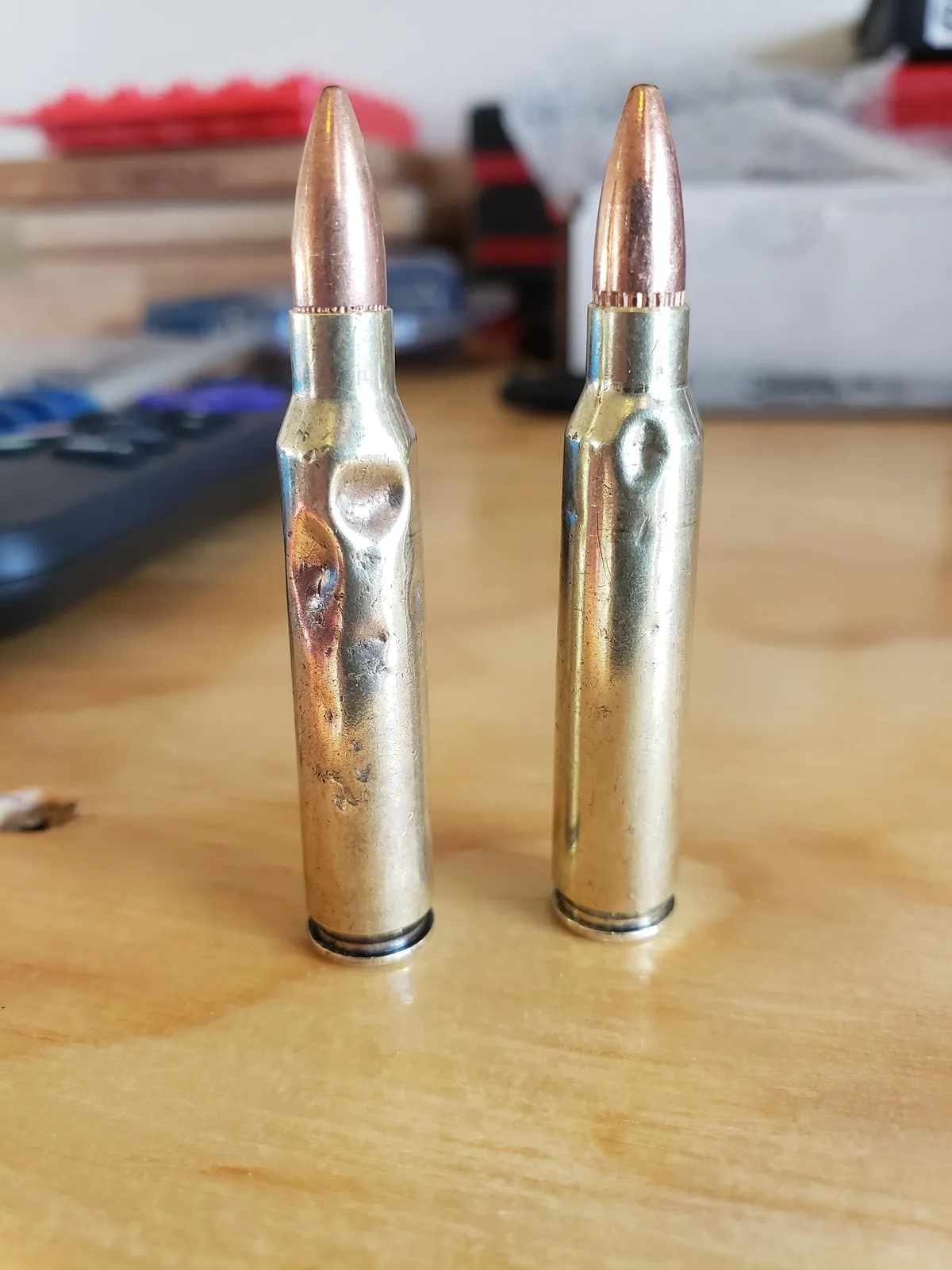
Dented Cases
A dented case is one of the more common issues you might spot. This typically happens when a cartridge is dropped or subjected to impact, pushing the bullet back into the casing. If the bullet is seated too deeply, it reduces the available space within the cartridge.
This reduction can lead to dangerously high pressures when fired, a condition known as over-pressure. Manufacturer specifications often include acceptable tolerances for case integrity, and significant setback falls outside these parameters.
Cracked or Damaged Cases
The casing, usually made of brass, steel, or aluminum, is designed to contain the explosive forces of gunpowder and facilitate extraction after firing. If you notice any cracks, splits, or deep gouges in the case, it's a serious problem. A compromised casing might not hold pressure correctly, or it could rupture during firing, creating dangerous shrapnel.
Think of it like a weak seam on a balloon, it’s bound to fail under pressure.
Corrosion or Tarnish
While a bit of tarnish on brass casings can sometimes be cosmetic and might not affect performance, heavy corrosion is a red flag. Significant rust or pitting on the case, primer, or bullet indicates exposure to moisture. Ammunition that has been exposed to moisture can be unreliable; the powder might not ignite properly, or the primer could be rendered inert.
This type of degradation compromises the entire cartridge’s integrity.
Loose Bullets (Bullet Setback)
This is a critical issue that directly impacts safety. A bullet should be firmly seated in the cartridge case. If you can easily wiggle or twist the bullet with your fingers, it's too loose.
This "bullet setback" is another cause of reduced internal volume within the cartridge, leading to the same dangerous over-pressure concerns as deeply dented cases. You're looking for a bullet that feels solid and immovable.
Damaged Primers
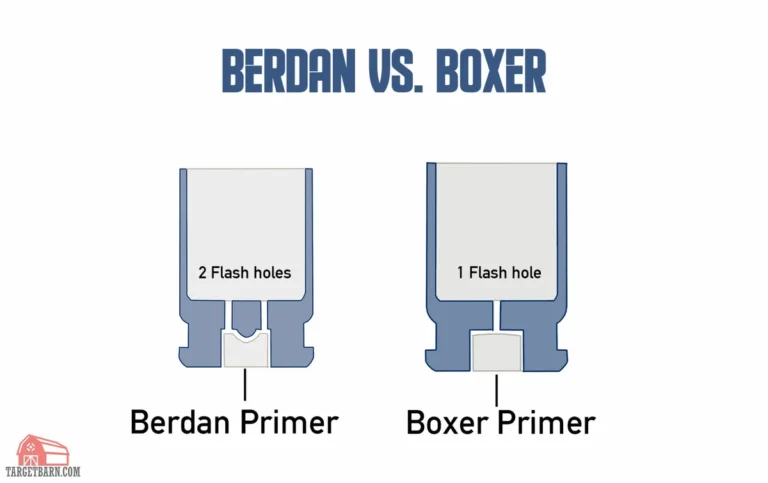
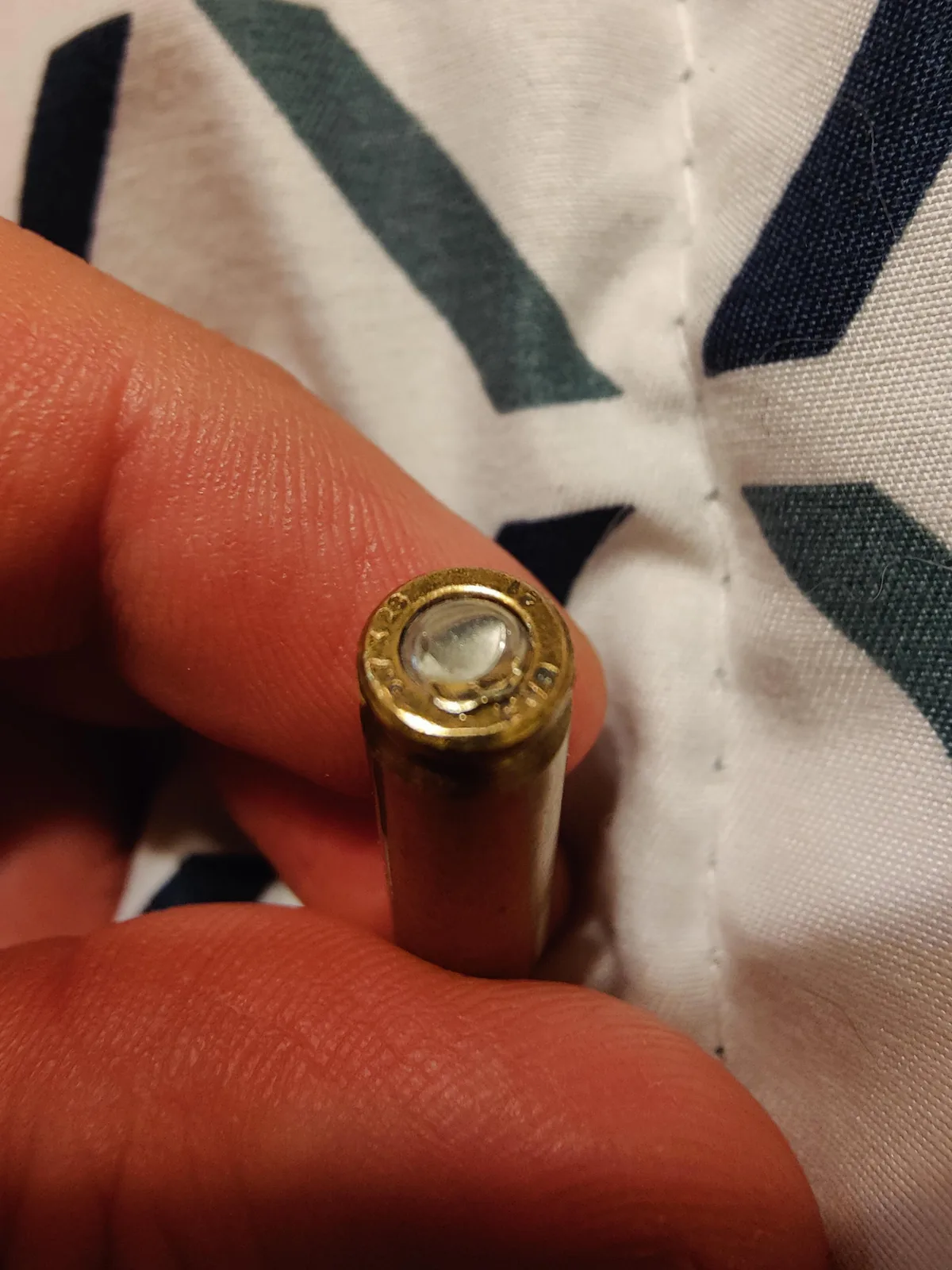
The primer is the tiny component at the base of the cartridge responsible for ignition. It needs to be in good condition for reliable firing. You'll want to see a clean, intact primer.
If it appears dented, pierced (a hole in the center), or if there's any material protruding from it, the round is suspect. A damaged primer can lead to misfires or, in rarer cases, dangerous discharge events if the firing pin strikes it improperly.
Bent Bullets
The bullet itself should be perfectly straight and centered within the casing. If you notice a bullet that is visibly bent or crooked, it’s not going to fly true. Beyond poor accuracy, a bent bullet can cause feeding issues as it enters the chamber.
It’s a sign that the ammunition may have been mishandled or improperly manufactured.
Safely Performing the Ammunition Inspection
Inspecting your ammunition doesn't require special tools, but it does require focus and a gentle touch. The goal is to identify defects without creating new hazards. Always perform this inspection in a well-lit area, away from any ignition sources.
Working in Good Light
This might sound obvious, but it’s worth emphasizing. You need to see clearly to spot subtle issues like hairline cracks or slight corrosion. Natural daylight is ideal if available.
If you're inspecting indoors, use a bright, focused light source. Trying to inspect ammo in dim light is like trying to find a needle in a haystack, you’re likely to miss something important.
Gentle Handling of Rounds
Ammunition, especially live rounds, should always be handled with care. Avoid dropping cartridges on hard surfaces, crushing them, or applying excessive force. Think of each round as a delicate mechanism.
Rough handling can create defects that weren't there before, turning good ammunition into suspect ammunition.
The One-by-One Approach
Never try to inspect a whole handful of cartridges at once. This is inefficient and increases the risk of mishandling. Pick up one cartridge at a time from its box or magazine.
This allows you to focus your attention on each individual round and perform a systematic check.
Visual and Gentle Tactile Checks
Hold the cartridge between your thumb and forefinger. Slowly rotate it, examining the entire length of the case, the base where the primer is located, and the ogive (the curved tip) of the bullet. Look for any of the defects we discussed earlier.
With the cartridge held securely, you can then very gently attempt to feel if the bullet is loose. Apply light, steady pressure to try and twist or push the bullet. If it moves easily or visibly shifts, it is loose and should be rejected.
You are not trying to dislodge the bullet, just checking for a firm seating.
What to Do With Suspect Ammunition
Finding a defective round isn't the end of the world, but it does require you to take responsible action. The key is to isolate and properly manage any ammunition that doesn't pass inspection.
Don't Use Damaged Rounds
This is the absolute, non-negotiable rule. If you have any doubt whatsoever about the integrity of a cartridge, do not use it. Setting aside a few suspect rounds is far better than risking a firearm malfunction or a safety incident.
The cost of replacement ammunition is minimal compared to the potential consequences of using damaged rounds.
Proper Disposal Methods
You cannot simply throw damaged ammunition into the regular trash. It's considered hazardous material. Disposal needs to be handled safely and legally.
Your best bet is to contact your local law enforcement agency for guidance on safe disposal procedures in your area. Many police departments offer collection programs for unwanted or unsafe ammunition. Alternatively, some gun ranges or licensed firearm dealers may accept ammunition for safe destruction.
The goal is to ensure it cannot be accidentally fired or fall into the wrong hands.
Common Mistakes to Avoid During Inspection
When you're inspecting your ammunition, a few common pitfalls can lead to missed defects or unsafe handling. One frequent mistake is insufficient lighting; trying to spot hairline cracks or corrosion in dim conditions makes the task nearly impossible. Another is rushed handling; quickly glancing at rounds or trying to inspect too many at once increases the chance of overlooking a critical flaw or even causing damage yourself.
Some individuals also mistakenly believe minor dents or tarnish are inconsequential, failing to recognize that even seemingly small issues can compromise a cartridge's safety and reliability. Finally, failing to properly segregate and dispose of suspect ammunition is a significant oversight, potentially leading to its accidental use later.
Expert Tips for Ammunition Care
Beyond basic inspection, adopting a few good habits can ensure your ammunition remains in top condition for longer. First, store your ammunition in a cool, dry environment, away from extreme temperature fluctuations and moisture. Ammunition boxes are designed to offer some protection, but storing them in a dehumidified container or a dedicated ammo safe is even better.
Secondly, when handling ammunition, always use clean hands. Oils and dirt from your skin can transfer to the casings and primers over time, potentially leading to corrosion or performance issues. If you’re transporting ammunition, use sturdy containers that prevent the rounds from shifting and banging against each other.
This minimizes the risk of physical damage that can lead to the very defects you're inspecting for.
Frequently Asked Questions About Ammo Inspection
How often should I inspect my ammunition?
It's a good practice to inspect ammunition before each shooting session, especially if it has been stored for a while or has been exposed to varying environmental conditions. For older ammunition or rounds that have been in storage for many years, a more thorough inspection is highly recommended.
Can I fix a dented or cracked ammunition case?
No, you should never attempt to repair damaged ammunition cases. Cracks or significant dents indicate structural weaknesses that cannot be reliably fixed. Any ammunition showing such defects should be safely removed from service and disposed of properly.
What if my ammunition looks old but has no visible damage?
Even if ammunition appears visually sound, old or improperly stored rounds may have internal degradation of the powder or primer. While not always obvious, older ammunition is generally less reliable. It’s still wise to inspect it carefully, and if you have doubts about its age or storage history, consider using it only for practice at a range rather than for critical applications.
Is it safe to shoot ammunition with minor tarnish?
Minor tarnish on brass casings is often purely cosmetic and may not affect performance. However, if the tarnish is heavy, or if you see pitting or corrosion, especially on the primer or bullet, it’s best to err on the side of caution and reject the round. Moisture is the main enemy of ammunition integrity.