How Should Ammunition Be Transported Safely?
When you need to move ammunition, how should ammunition be transported safely? It’s a question that touches on responsible gun ownership, public safety, and avoiding legal trouble. Getting this wrong can range from a minor inconvenience to a serious incident, so knowing the right way to pack and go is essential.
Our research confirms that adhering to specific guidelines ensures both security and legality. For instance, manufacturer specifications often recommend using original packaging or dedicated cases, designed to prevent rounds from shifting or impacting each other. This careful approach is key to preventing damage and maintaining safety during transit.
Quick Answer
Transport ammunition safely by keeping it in its original packaging or a dedicated case, completely separate from any firearm. Ensure firearms are unloaded and stored in a different compartment. Always check and comply with all federal, state, and local laws regarding ammunition transport.
Avoid loose rounds and ensure containers are secure.
Why Safe Ammunition Transport is a Big Deal
Transporting ammunition isn't like packing groceries or your laundry. It's a responsibility that comes with owning firearms, and it requires a serious approach to safety and legal compliance. Mishandling ammunition can lead to accidents that have devastating consequences, ranging from accidental discharges to dangerous fires, especially if rounds are exposed to heat or impact.
Beyond physical safety, there are strict laws governing how ammunition can be transported. These regulations vary by location, and ignorance isn't a defense.
Beyond immediate safety, understanding these rules prevents legal entanglements. Fines, confiscation of property, and even jail time can result from improper transport. For example, aggregate reviews indicate that failing to separate ammunition from firearms by at least one partition is a common violation in many jurisdictions.
It's about more than just convenience; it's about demonstrating respect for the power of the materials you're moving and upholding your responsibilities as a gun owner.
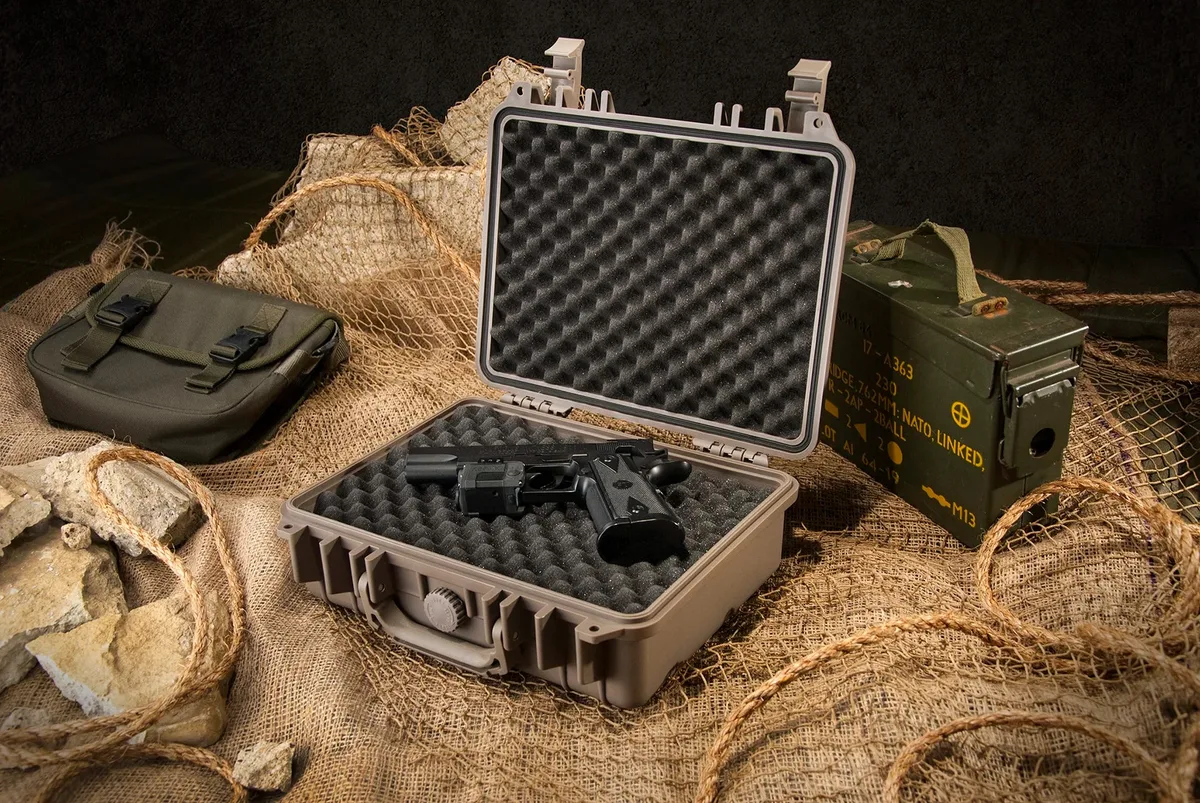
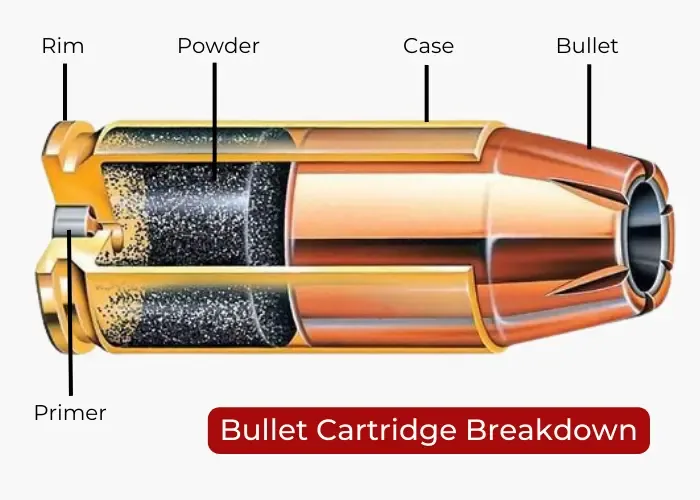
Image source: Bing (Web (fair-use with source credit))
The Golden Rules for Transporting Ammunition
When you're getting ready to move your ammunition, a few core principles will guide you toward safe and legal transport. Think of these as your non-negotiables. They’re designed to prevent accidents and keep you compliant, no matter how short or long your journey is.
- Separate Ammunition from Firearms: This is paramount. Ammunition should never be transported in the same container or compartment as a loaded firearm. The safest practice is to keep them in entirely separate bags, cases, or compartments of your vehicle. Some regulations require at least one physical partition between them if they must be in the same general area.
- Use Original Packaging or a Dedicated Case: If your ammunition came in a factory box, that’s often your best bet for keeping it secure and preventing damage. These boxes are designed to hold rounds snugly. If you have a larger quantity or want extra protection, invest in a specialized ammunition carrying case. These are built tough and designed to hold rounds securely without them shifting around.
- Ensure Firearms are Unloaded: Before any transport, confirm that any firearm you are carrying is completely unloaded. This means removing the magazine and visually inspecting the chamber to ensure no rounds are present. Double-checking is always a good idea.
- Secure Your Containers: Whether it's the original box or a dedicated case, make sure it's closed properly and won't accidentally open during transit. If you're transporting multiple containers, consider securing them so they don't slide around in your vehicle, which could lead to damage or create a hazard.
- Know Your Laws: This cannot be stressed enough. Ammunition transport laws are not universal. What is perfectly legal in one state might be prohibited in another. A quick check on your state's official government website (e.g., your state's Department of Public Safety or Attorney General's office) before you travel is crucial.

Image source: Bing (Web (fair-use with source credit))
Ammunition Transport: What You Absolutely Must Not Do
Just as important as knowing the right way to transport ammunition is understanding what actions you must actively avoid. These are the common pitfalls that can lead to safety hazards or legal penalties. Steer clear of these practices to ensure your transport is secure and lawful.
- Don't Transport Ammunition Loose: Never just toss loose rounds into a glove compartment, a backpack, or the open trunk of your car. Loose ammunition can shift, get damaged, or become a projectile in the event of sudden braking or an accident. It also presents a higher risk of accidental ignition if exposed to heat or puncture.
- Don't Mix Live Ammo with Loaded Firearms: This is a cardinal rule. Transporting a loaded firearm with ammunition in the same container is a recipe for disaster and is illegal in most places. Always ensure firearms are unloaded and stored separately from ammunition.
- Don't Disregard Container Integrity: Avoid using flimsy, damaged, or unsuitable containers. A box that easily bursts open or a bag that tears will compromise the security of your ammunition, potentially scattering it and creating a hazard. Stick to sturdy, closed containers.
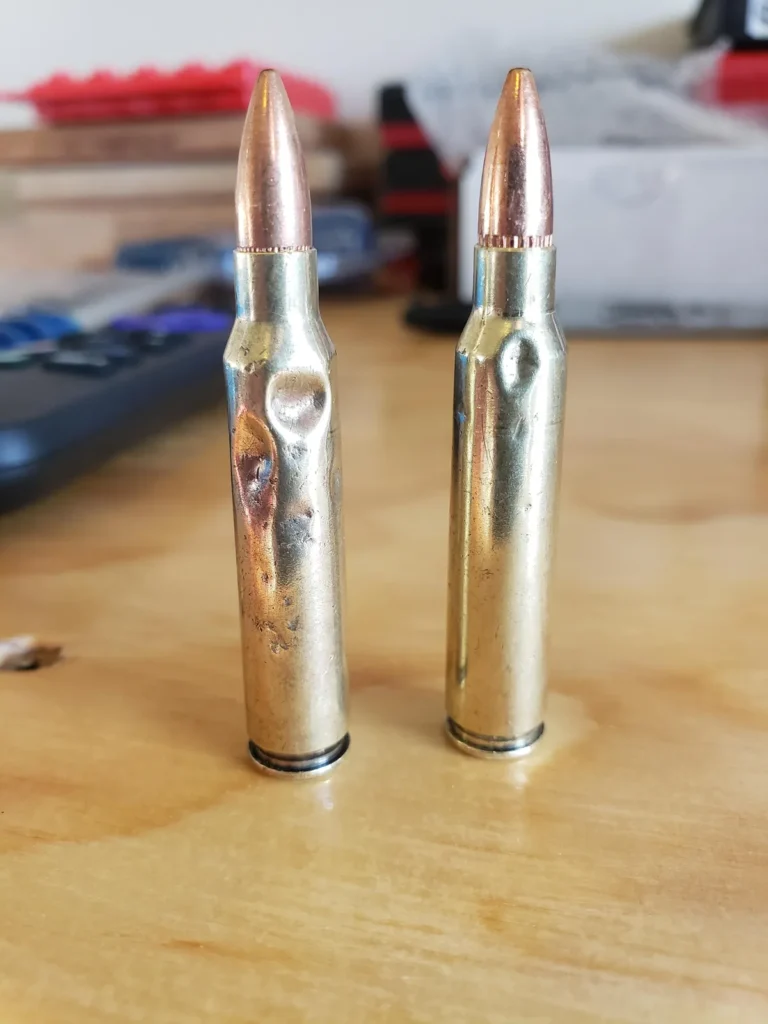
- Don't Transport Expired or Damaged Ammunition: If your ammunition is old, corroded, or shows signs of damage (like bulging casings or cracked primers), it’s best not to transport it. Damaged ammunition can be unstable and unpredictable. Dispose of it safely according to local regulations.
Common Mistakes That Lead to Trouble
Many people make unintentional mistakes when transporting ammunition. The most frequent one, as highlighted by law enforcement advisories, is not understanding the specific distance or separation required between firearms and ammunition. Another common oversight is assuming federal laws apply uniformly across all states; state and local ordinances can be far more restrictive.
Forgetting to check these specific rules before travel is a common reason for citations. Finally, failing to secure ammunition containers within a vehicle can lead to them shifting, tipping, and potentially spilling their contents, which is both unsafe and against regulations designed to keep ammunition contained.
Navigating Ammunition Transport Laws
The legal landscape for transporting ammunition can feel complex, and it's definitely not a one-size-fits-all situation. Federal laws set a baseline, but each state, and sometimes even individual cities or counties, can have their own rules. Your primary goal should be to understand and follow the most restrictive laws that apply to your specific situation.
This means knowing where you’re going and what the regulations are there.
Federal regulations, primarily governed by agencies like the Department of Transportation, often focus on interstate commerce and large-scale commercial transport. However, for the average civilian carrying ammunition for personal use, state and local laws are usually the most relevant. For example, many states have specific statutes dictating whether ammunition can be transported in the same vehicle as a firearm, and if so, what the separation requirements are.
Some states might also have limits on the quantity of ammunition you can legally possess or transport. As of 2026, always verify the current statutes, as they can change.
Keeping Up with State and Local Rules
Staying informed about ammunition transport laws is a continuous effort. The best and most reliable source of information is your state's official government website. Look for sections related to firearms, weapons, or public safety on the websites of your state’s Department of Justice, Attorney General's office, or State Police.
These sites typically provide clear guidelines on transportation, possession, and usage of firearms and ammunition.
For example, if you are traveling from California to Nevada, you need to be aware of both states' laws. California has stringent regulations, often requiring ammunition to be transported in its original packaging and separate from firearms. Nevada, while generally having more permissive firearm laws, still has its own stipulations.
It’s crucial to research these specific rules well in advance of your travel date to avoid any misunderstandings or legal issues upon arrival or during transit.
Choosing the Right Container for Your Ammo
Selecting the right container for your ammunition is about more than just aesthetics; it’s a critical step in ensuring safety and compliance. The goal is to keep your rounds secure, protected from damage, and segregated from your firearms as required by law. Thankfully, there are a few reliable options that serve this purpose effectively.
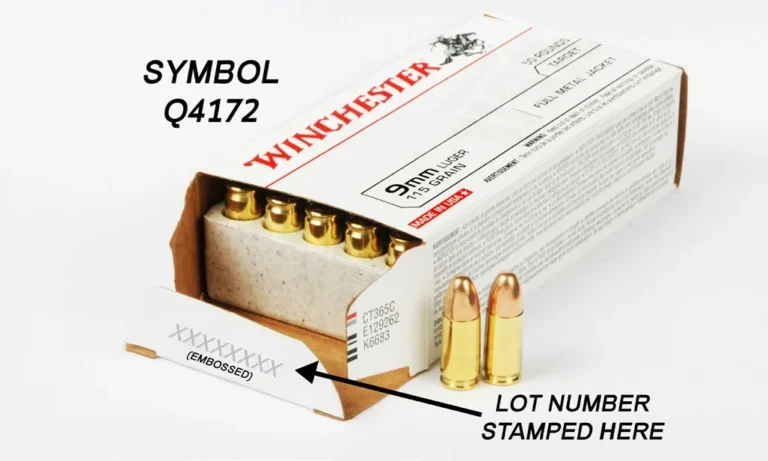
The most straightforward and often legally compliant choice is the original manufacturer’s packaging. These cardboard or plastic boxes are specifically designed to hold ammunition securely, preventing the rounds from rattling around and potentially damaging primers or casings. They also clearly label the contents, which can be helpful for identification and legal verification.
Manufacturer specifications often indicate that these boxes are engineered for stability.
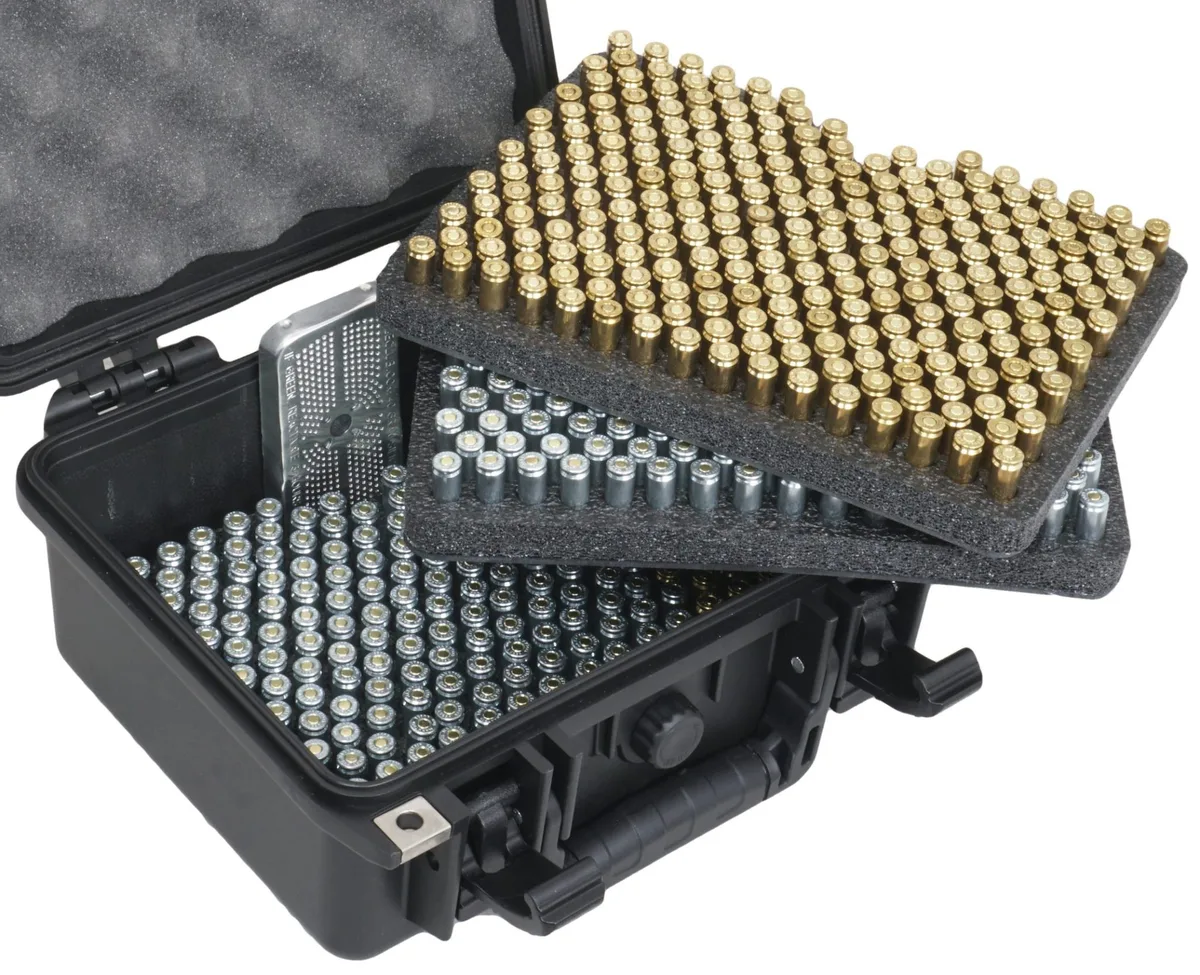
Image source: Bing (Web (fair-use with source credit))
However, for larger quantities or for added durability and security, a dedicated ammunition carrying case is an excellent investment. These cases are typically made from robust materials like high-impact plastic or heavy-duty fabric. They often feature internal dividers, foam padding with cutouts, or individual slots to keep each cartridge or box of cartridges in place.
This prevents movement and offers superior protection against drops, impacts, and environmental factors like moisture. Some even have lockable clasps, adding another layer of security. The key is that the container must be designed to keep the ammunition contained and protected.
Ammunition Cases vs. Original Packaging
When deciding between a dedicated case and original packaging, consider your needs:
- Original Packaging:
- Pros: Simple, cost-effective (already paid for), clearly labeled, often legally sufficient on its own.
- Cons: Can be less durable, boxes can get crushed or damaged, may not be ideal for loose rounds or bulk transport.
- Dedicated Ammunition Case:
- Pros: Highly durable, offers superior protection, keeps ammunition very secure, can organize bulk quantities efficiently, may offer lockable security.
- Cons: An additional purchase, can be bulkier than original boxes.
In most cases, using original packaging within a larger, secure secondary container (like a locked trunk or a sturdy duffel bag) fulfills transport requirements. If you're transporting a significant amount or need maximum protection, a dedicated ammo case is the superior choice.
Practical Tips for Secure Ammunition Transport
Beyond the basic rules, a few practical tips can make transporting your ammunition even more secure and straightforward. These focus on anticipating potential issues and making the process as smooth as possible. Think of these as the little things that make a big difference.
First, consider the environment you're transporting the ammo through. If you’re traveling in a hot climate, be extra mindful of temperature fluctuations inside your vehicle. High heat can potentially affect ammunition over long periods, though modern ammunition is generally quite robust.
Using an insulated container or ensuring the ammo isn't left in direct sunlight for extended periods is a good idea.
Also, when packing, ensure your ammunition is oriented correctly, especially if it's in original boxes. While most boxes are designed to hold rounds vertically or horizontally without issue, keeping them stable can prevent unnecessary stress on the cartridges. If using a dedicated case, make sure the foam or dividers keep everything snug, preventing any shifting during transit.
This minimizes the risk of damage and ensures everything stays exactly where you packed it.
How to Pack for Different Scenarios
The way you pack might shift slightly depending on your trip. For short drives to the range, keeping ammo in its original box inside a sturdy range bag is often sufficient. Just ensure the bag is stored in your trunk or out of sight.
For longer road trips or cross-state travel, using a dedicated, locked ammunition case stored securely in your vehicle's cargo area is highly recommended. This provides the best protection and clearly signals compliance with stricter transport laws.
Frequently Asked Questions About Ammo Transport
Can I carry ammunition in my carry-on bag on a plane?
Generally, no. Most airlines strictly prohibit ammunition in carry-on luggage due to safety regulations. Ammunition must typically be declared and transported in checked baggage, following specific airline and TSA guidelines, often requiring it to be in original packaging and locked in a hard-sided container.
Always check with your specific airline before flying.
Is it legal to transport ammunition through states where I don't have a permit to carry firearms?
In most cases, yes, provided you are transporting the ammunition unloaded and in accordance with the laws of each state you pass through. Federal law offers some protections for interstate transport, but you must still comply with local statutes regarding separation from firearms and proper containment. It's essential to research the laws of every state on your route.
How much ammunition can I legally transport?
There is no single federal limit on the quantity of ammunition a civilian can transport for personal use. However, individual states may impose their own restrictions. These limits, if they exist, are usually quite high and intended to prevent large-scale illegal distribution rather than personal recreational use.
Again, always check the specific laws for your destination and any transit states.