What Is a Box of Ammunition?
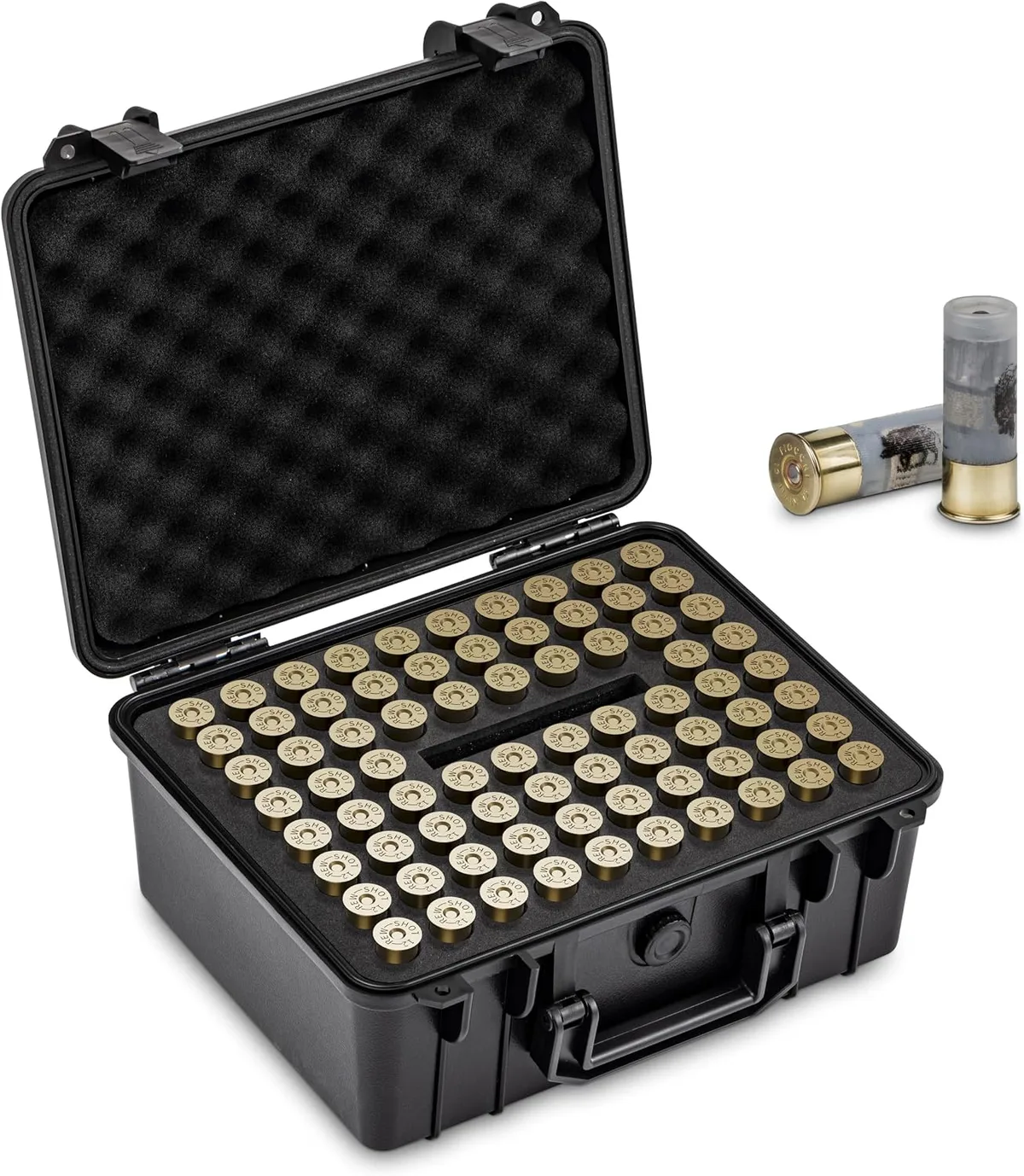
Image source: Bing (Web (fair-use with source credit))
When you're looking at firearms and their accessories, understanding ammunition is key. But what exactly is a box of ammunition, and why does it come in a box? It's more than just a container; it’s a system designed for safety, information, and reliable performance.
This guide breaks down what goes into a box of ammunition, what makes it useful, and the crucial safety aspects you need to know. Manufacturer specifications, like those from the Sporting Arms and Ammunition Manufacturers' Institute (SAAMI), detail the precise standards for cartridges, ensuring safe and effective function when used correctly.
Quick Answer
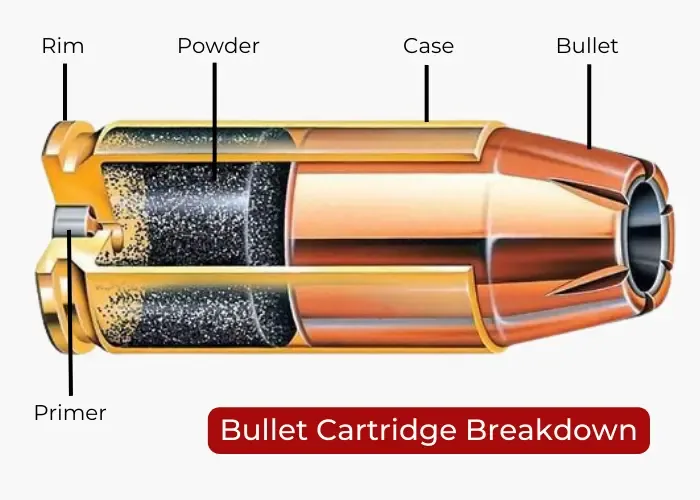
A box of ammunition contains multiple cartridges, each a self-contained unit for firing a projectile from a firearm. These cartridges include a bullet, casing, propellant, and primer. The box protects the rounds, provides vital information like caliber, and ensures safe transport.
Proper identification and handling are critical for safe firearm use.
What's Really Inside a Box of Ammunition?
A box of ammunition isn't just a random assortment of bullets. It's a carefully packaged collection of cartridges, each one a precisely engineered unit ready to function in a compatible firearm. These cartridges are what enable a firearm to shoot a projectile.
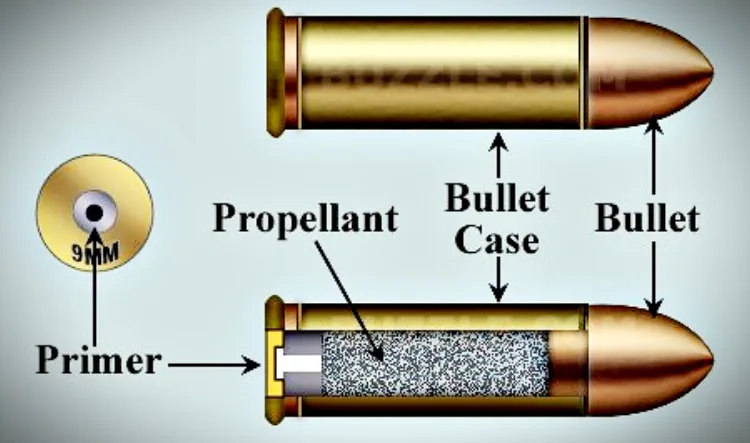
Image source: Bing (Web (fair-use with source credit))
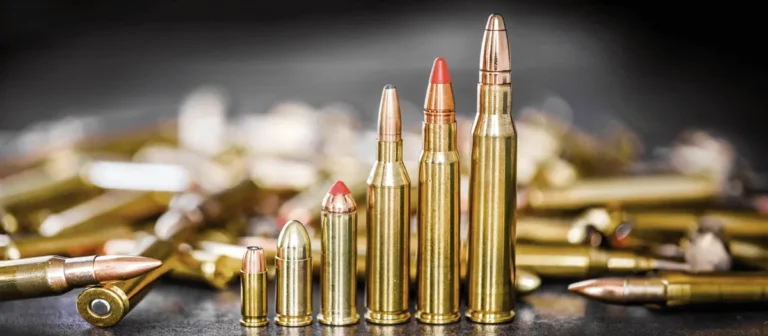
Each cartridge, often called a round, consists of four main components that work in harmony:
The Bullet, Casing, Propellant, and Primer
- Bullet (Projectile): This is the part that actually exits the barrel and flies toward the target. Bullets come in many shapes, sizes, and materials, designed for specific purposes like target shooting (often full metal jacket), hunting (expanding or penetrating), or self-defense (fragmenting or controlled expansion).
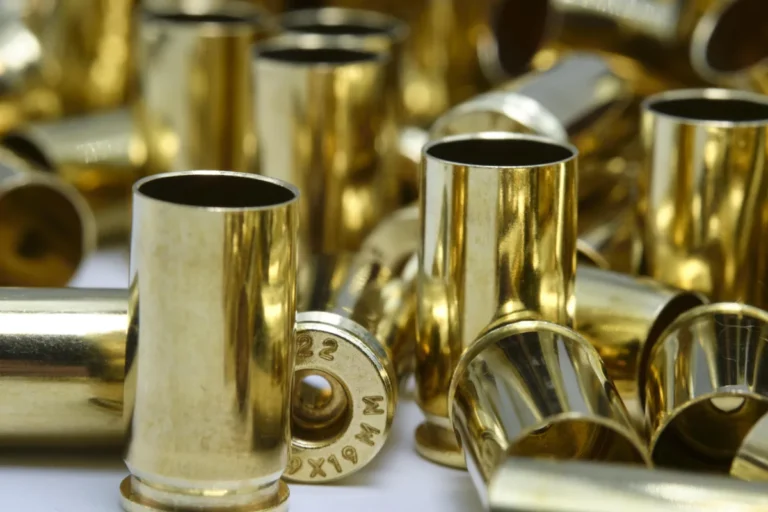
- Casing (or Hull): Typically made from brass, this component holds all the other parts together. It also forms a seal in the firearm's chamber when fired and is ejected after firing.
- Propellant (Gunpowder): This is the chemical substance that, when ignited, rapidly burns to produce expanding gases. These gases are what generate the pressure to propel the bullet down the barrel at high speed.
- Primer: Located at the base of the casing, the primer is a small, sensitive component containing a small amount of explosive material. When struck by the firearm's firing pin, it ignites the propellant.
Why the Box Itself Is So Important
The cardboard or plastic box that ammunition comes in might seem like just packaging, but it's actually a critical part of the system. It serves several vital functions beyond simply holding the rounds together.
The box protects the delicate cartridges from the elements and physical damage that could compromise their performance or safety. It also provides essential information right on the packaging, which is crucial for correct and safe use.
Key Information Printed on the Box
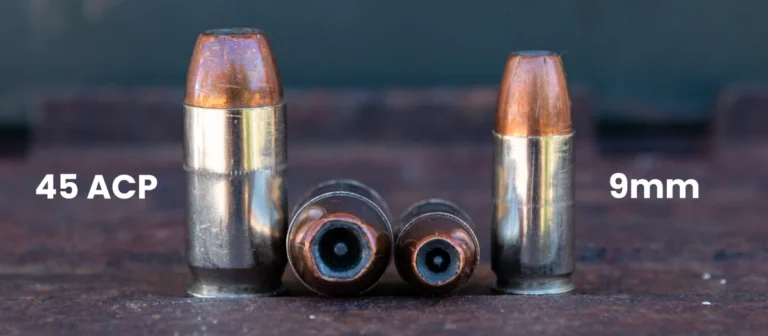
- Caliber: This is arguably the most critical piece of information. The caliber specifies the size of the cartridge and, therefore, the type of firearm it is designed for. For example, a box marked "9mm Luger" contains rounds meant for firearms chambered in 9mm Luger, and you should never try to use them in a .45 ACP firearm, or vice-versa. Using the wrong caliber can cause catastrophic firearm failure and serious injury. You can find detailed specifications for firearm calibers on the Sporting Arms and Ammunition Manufacturers' Institute (SAAMI) website.
- Quantity: This tells you exactly how many rounds are in the box, often listed as "rds," "ct," or "rounds." Common quantities vary widely by caliber, from 50 or 100 rounds for smaller calibers to 20 rounds for larger rifle cartridges.
- Manufacturer: The name of the company that produced the ammunition is clearly marked. This is important for brand reputation and can indicate the quality or intended purpose of the rounds.
- Load Type: The box will usually indicate the intended use of the ammunition, such as "Target," "Hunting," "Match," or "Self-Defense." This helps users select the right ammunition for their needs, as different loads perform differently.
Common Uses for Ammunition: Who Needs It and Why
Ammunition is the lifeblood of any firearm, making it useful for a variety of applications. The need for specific types of ammunition depends heavily on what the firearm owner intends to do with their firearm.
From recreational shooting to essential self-defense, the right ammunition ensures the firearm performs as expected. As of 2026, the lawful use of firearms and ammunition remains a significant topic of discussion and personal choice for many individuals.
Target Practice vs. Hunting vs. Self-Defense
- Target Practice: For recreational shooters and those who practice marksmanship, ammunition designed for target shooting is most common. These rounds are typically economical and designed for consistent accuracy and performance on a shooting range. Full metal jacket (FMJ) bullets are a frequent choice here, offering good reliability and moderate cost.
- Hunting: Hunters require ammunition that is effective for taking down game quickly and humanely. This often means using bullets designed to expand upon impact, transferring energy efficiently to the target. Different game animals require different calibers and bullet types; for instance, a small varmint might be hunted with a .22 LR, while larger game like deer or elk would require calibers such as .308 Winchester or .30-06 Springfield with specialized hunting bullets.
- Self-Defense: For personal protection, ammunition is chosen for its ability to stop a threat quickly. This usually involves specialized hollow-point or expanding bullets designed to maximize energy transfer and minimize over-penetration, which is a crucial safety consideration in a home defense scenario. The Federal Bureau of Investigation (FBI) has conducted extensive testing on ammunition performance for law enforcement, which informs civilian choices.
Dangers and Mistakes When Handling Ammunition
Handling ammunition comes with inherent risks, and understanding these dangers is paramount for anyone involved with firearms. Many accidents and malfunctions stem from simple mistakes that could have been avoided with a bit more knowledge and caution.
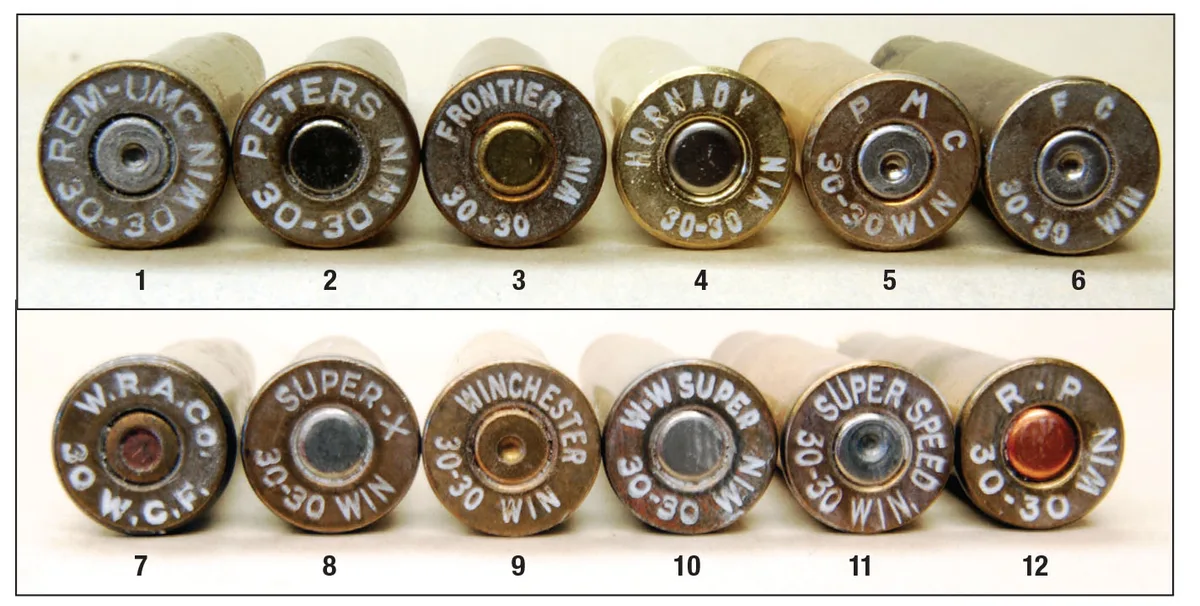
Image source: Bing (Web (fair-use with source credit))
The primary goal when dealing with ammunition is to ensure it performs correctly only when intended and safely at all other times. Deviating from safe practices can lead to immediate and severe consequences.
Caliber Mismatches and Other Critical Errors
- Using the Wrong Caliber: This is one of the most dangerous mistakes. Forcing a cartridge of the wrong size into a firearm can cause a rupture or explosion of the firearm when fired, leading to severe injury to the shooter and bystanders. Always visually confirm the caliber on the ammunition box matches the caliber marked on your firearm.
- Storing Ammunition Improperly: Ammunition is sensitive to extreme temperatures, moisture, and corrosive environments. If stored in a damp basement or a hot car trunk for extended periods, the propellant can degrade. This can lead to misfires, reduced velocity, or, in rare cases, a dangerous over-pressurization event. Proper storage involves cool, dry conditions in a dedicated ammo can or safe.
- Damaging Cartridges: Dropping ammunition, stepping on it, or trying to modify cartridges can damage the casing or primer. A damaged primer is highly sensitive and could detonate unexpectedly. A compromised casing might not seal properly in the chamber, leading to gas leaks or firearm damage.
- Mixing Ammunition Types: While less common, mixing ammunition from different manufacturers or different load types within the same caliber can lead to inconsistent performance. This might not always be dangerous but can affect accuracy and reliability, which is unacceptable for self-defense or hunting.
Staying Safe and Legal with Ammunition
When you own or handle ammunition, safety and legal compliance aren't just suggestions; they're non-negotiable responsibilities. The rules and best practices are in place to protect yourself, others, and to ensure you're operating within the law.
Understanding these aspects before you even purchase ammunition is crucial. Ignorance of safety protocols or local regulations can lead to serious accidents or legal trouble.
Storage, Transport, and Handling Best Practices
- Secure Storage: Ammunition should always be stored securely, out of reach of children and unauthorized individuals. This typically means a locked container or safe. Many manufacturers recommend storing ammunition in its original packaging within a cool, dry place.
- Transport Laws: Laws regarding the transportation of ammunition vary significantly by state and even by locality. Generally, ammunition should be transported unloaded and separate from the firearm, ideally in its original packaging. Some jurisdictions may have specific requirements about how it must be secured.
- Handling with Care: Always handle ammunition gently. Avoid dropping rounds, especially on hard surfaces, as this could damage the primer or casing. Always ensure your firearm is unloaded and cleared before you begin handling ammunition for loading or unloading.
- Legal Purchase and Possession: You must be of legal age to purchase ammunition. Federal law prohibits certain individuals, such as convicted felons, from possessing firearms or ammunition. State and local laws may impose additional restrictions on who can buy, possess, or what types of ammunition are permissible. The U.S. Department of Justice provides information on federal firearm laws.
Using Ammunition: A Step-by-Step Look
Loading and using ammunition correctly is essential for safe firearm operation. It’s a process that requires attention to detail at each stage to prevent accidents and ensure the firearm functions as intended. Understanding these steps is crucial whether you're at a shooting range or preparing for a hunting trip.
The process generally starts with selecting the correct ammunition and then carefully loading it into the firearm. Each step, from handling the cartridges to chambering them, demands focus.
Loading and Chambering Ammunition
- Confirm Firearm Safety: Before any interaction with ammunition, always ensure the firearm is unloaded. Visually and physically check the chamber and magazine well to confirm no round is present.
- Select Correct Ammunition: Verify the caliber on the ammunition box matches your firearm’s caliber. Consult manufacturer specifications if unsure.
- Load the Magazine (if applicable): For firearms that use magazines, insert the rounds one by one into the magazine until it is full or contains the desired number of rounds. Push the cartridge base against the back of the magazine and slide it forward under the feed lips.
- Insert Magazine: Once loaded, insert the magazine firmly into the firearm’s magazine well.
- Chamber a Round: For most semi-automatic firearms, this involves pulling back the slide or bolt and releasing it. This action picks up a round from the magazine and chambers it. For revolvers, you typically rotate the cylinder into place and then cock the hammer or manually advance the cylinder.
- Ready to Fire: The firearm is now loaded and ready for the intended use.
When to Consider Alternatives to Standard Boxes
While standard boxes of ammunition are the most common way to purchase rounds, other options exist that might suit different needs or budgets. These alternatives can offer cost savings or different quantities, but it’s important to weigh their pros and cons carefully.
Exploring these alternatives requires understanding your own usage patterns and priorities, whether that's saving money, buying in bulk, or preparing for long-term shooting activities.
Bulk Buys and Reloading Components
- Bulk Ammunition: Many retailers offer ammunition in larger quantities than standard boxes, often referred to as "bulk packs." These can contain hundreds or even thousands of rounds and often come at a lower price per round than smaller boxes. However, bulk packaging might offer less individual protection for the cartridges.
- Reloading Components: For experienced shooters who want maximum control over their ammunition and potentially lower long-term costs, reloading is an option. This involves purchasing individual components, bullets, casings, propellant, and primers, and assembling them yourself using specialized equipment. Reloading requires significant knowledge, skill, and adherence to strict safety protocols, as incorrect assembly can be extremely dangerous. The National Rifle Association (NRA) offers extensive resources on safe reloading practices.
Ammunition Performance: What Affects It?
The performance of ammunition, how accurately and powerfully it travels, isn't solely determined by its caliber. Several factors, from environmental conditions to the specific manufacturing process, play a role in how a round behaves when fired. Understanding these can help you select the best ammunition for your needs.
Consistent performance is vital for any application, whether it's hitting a distant target accurately or ensuring a self-defense round performs as designed.
Environmental Factors and Load Variations
- Temperature: Extreme heat or cold can affect the propellant. High temperatures can make propellant burn faster, potentially increasing pressure beyond safe limits, while extreme cold can slow the burn rate, reducing velocity and accuracy.
- Humidity and Moisture: Prolonged exposure to high humidity or direct moisture can degrade the propellant and primer, leading to misfires or reduced performance. This is why proper storage in a sealed container is so important.
- Bullet Design: As mentioned before, the shape, weight, and construction of the bullet itself dramatically influence its flight characteristics and terminal performance. Match-grade bullets are designed for extreme accuracy, while hunting bullets are made to expand and transfer energy effectively.
- Propellant Type and Amount: The specific type of gunpowder used and the precise amount loaded into each cartridge are critical for consistent velocity and pressure. Ammunition manufacturers invest heavily in quality control to ensure uniformity.
Frequently Asked Questions About Ammunition Boxes
Is it safe to store ammunition in a hot car?
No, it's generally not safe to store ammunition in a hot car for extended periods. High temperatures can affect the propellant and primer, potentially leading to degradation or, in extreme cases, dangerous pressure changes within the cartridges. Cool, dry storage is always recommended.
Can I use .22LR ammunition in any .22 caliber firearm?
Not necessarily. While many firearms are chambered for .22 Long Rifle (.22 LR), some might be designed for other .22 variants like .22 Short or .22 Magnum. Always check the exact caliber marking on your firearm and the ammunition box to ensure they match.
How many rounds are typically in a box of 9mm ammunition?
The quantity of rounds in a box of 9mm ammunition can vary. Common box sizes include 50 rounds, but you can also find bulk packages containing 100, 250, or even 1,000 rounds. Always check the packaging for the exact count.