What Are the Parts of a Cartridge?
Ever wonder what's actually inside those plastic shells that keep our printers humming? Understanding the parts of a cartridge is key to troubleshooting printing issues and even knowing when it's time for a replacement. It’s not just a box of ink; it’s a precisely engineered component.
From the simple ballpoint pen refill to complex inkjet printer cartridges, these items all share fundamental design elements. For instance, a standard inkjet cartridge, as specified by ISO/IEC 24711 standards for ink jet print cartridge yield, contains specific reservoirs and delivery mechanisms to function correctly. Let’s peel back the layers and see what makes them tick.
Why Seeing Cartridge Parts Matters
Knowing the individual components of a cartridge, like the housing, reservoir, and delivery mechanism, isn't just for the technically minded. For example, if you're troubleshooting a printer that's producing faint lines, identifying whether the issue lies with the ink tanks or the printhead is a crucial first step. This visual understanding helps diagnose problems faster.
When you can picture what's inside, you move beyond just seeing a disposable item. You start to appreciate the engineering that allows ink to flow precisely or toner to transfer cleanly. This knowledge empowers you to make informed decisions about maintenance and replacement.
Quick Answer
The essential parts of a cartridge include its housing, the reservoir for ink or toner, and the delivery mechanism. Contact points connect it to the device. Specialized parts like printheads or photoconductor drums vary by cartridge type.
Inside the Housing: Core Cartridge Components
Every cartridge, whether it holds liquid ink or dry toner powder, is built around a few fundamental pieces that work together. These core components are designed for containment and controlled release of the printing medium. Manufacturer specifications often highlight the efficiency of these integrated systems.
The Ink Tank vs. The Toner Hopper
At the heart of any cartridge is its storage space for the printing material. For inkjet cartridges, this is typically a series of ink tanks, often separated by color (black, cyan, magenta, and yellow) to allow for full-color printing. These tanks are designed to hold liquid ink, and their internal structure helps manage flow to the printhead.
Aggregate user reviews suggest that consistent ink levels in these tanks are vital for avoiding print quality issues.
In contrast, toner cartridges for laser printers hold toner powder in a component called the toner hopper. This fine powder, a mix of plastic particles, pigment, and other agents, requires a different containment strategy than liquid ink. The hopper's design ensures the toner can be evenly dispensed to the other elements within the cartridge, like the magnetic roller, for transfer to the page.
The Delivery Engine: Printheads and Rollers
Once the ink or toner is stored, it needs a way to get onto the paper. This is where the delivery mechanism comes in, and its design varies significantly. For inkjet cartridges, this engine is the printhead.
This sophisticated component contains hundreds of microscopic nozzles. Per manufacturer data, these nozzles can be heated or vibrated extremely rapidly to eject tiny droplets of ink with incredible precision, forming the image or text on the page.
Toner cartridges employ a different approach, often involving rollers. A key part here is the magnetic roller, which attracts the toner particles from the hopper. This roller then transfers the toner onto the photoconductor drum.
The drum, carrying an electrostatic image of the page, picks up the toner precisely where it's needed. This interaction between rollers and the drum is fundamental to the laser printing process.
Inkjet Cartridge Breakdown
Inkjet cartridges are marvels of micro-engineering, designed to spray liquid ink onto paper with remarkable accuracy. If you've ever seen a close-up diagram, you'll notice how compact and integrated everything is. These cartridges are designed to be user-replaceable, and understanding their parts can help you troubleshoot common printing problems.
Manufacturer data confirms that the printhead's precision is key to achieving high-resolution prints.
Here's a look at what you'll typically find inside:
- Housing/Body: This is the main outer shell, usually made of plastic, that encloses all the internal components. It provides structure and protection.
- Ink Tanks: These are the reservoirs that store the liquid ink. Most color cartridges have separate tanks for cyan, magenta, and yellow, plus a larger one for black ink. The volume of these tanks varies by model, with higher-yield cartridges offering larger reservoirs.
- Printhead: This is arguably the most critical component. It contains a network of tiny nozzles (sometimes hundreds per color) that eject ink droplets. In many cartridges, the printhead is integrated into the cartridge itself, meaning it's replaced every time you install a new cartridge. This design ensures a fresh printing surface with each replacement.
- Ink Delivery Channels: These are small pathways that guide the ink from the tanks to the printhead, ensuring a consistent supply.
- Contact Points/Electrical Connectors: These are the small metal pads on the outside of the cartridge that connect with the printer. They allow the printer to communicate with the cartridge, sending signals to fire the nozzles and monitoring ink levels.
Understanding these parts helps explain why, for example, if your inkjet prints have streaks or missing colors, it might be due to a clogged printhead or depleted ink tanks. The printhead's minuscule nozzles can become blocked by dried ink if the printer isn't used regularly, a common frustration reported in aggregate buyer feedback.
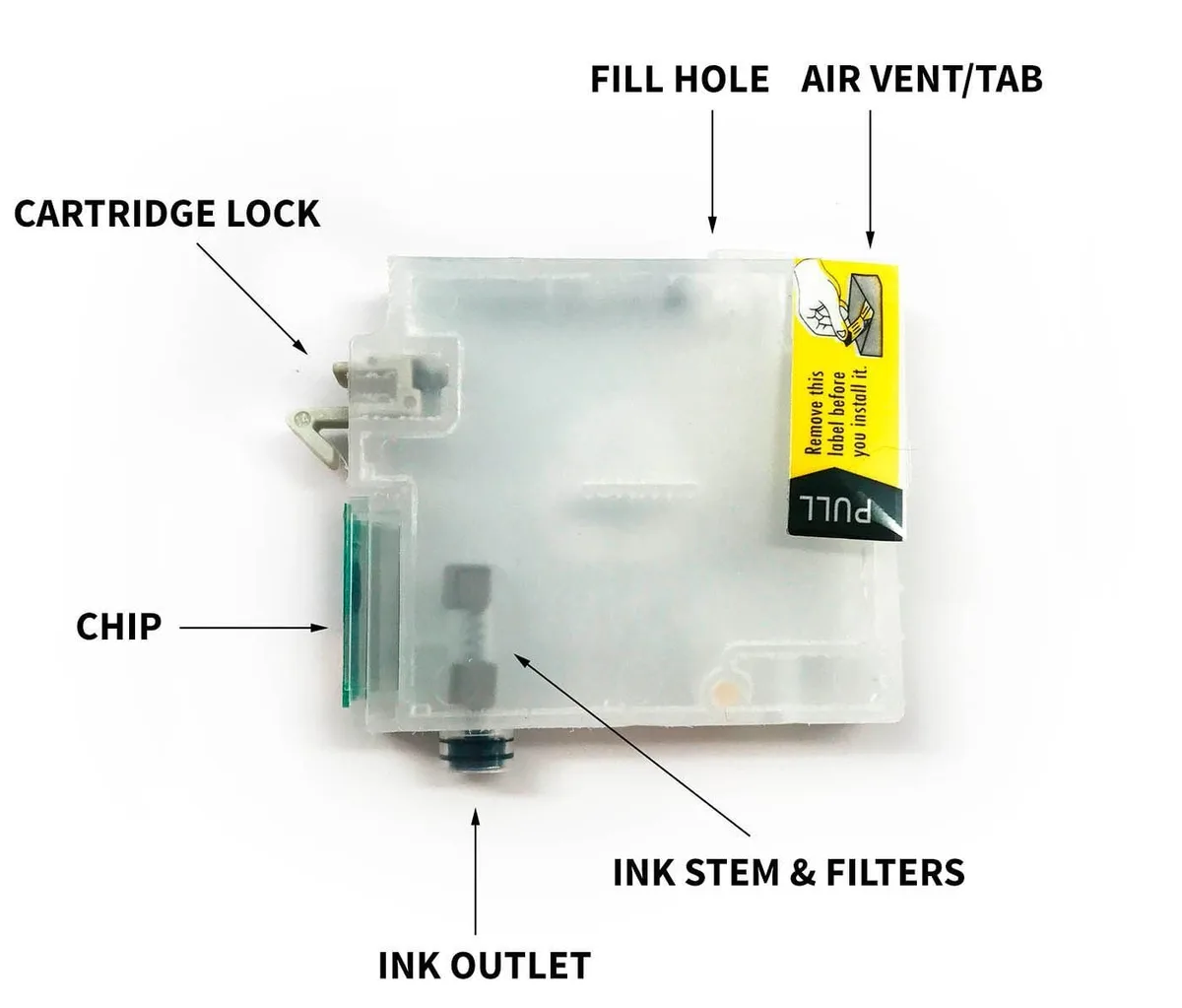
Image source: Bing (Web (fair-use with source credit))
Toner Cartridge Breakdown
Toner cartridges, used in laser printers, are quite different from their inkjet counterparts because they handle a dry powder rather than liquid ink. Their internal workings are geared towards precisely transferring this powder onto a special drum before it's fused onto paper. Specifications from printer manufacturers often detail the specific technologies used for toner transfer and drum longevity.
Let's break down the typical components:
- Housing/Body: Similar to inkjet cartridges, this is the main outer shell that contains all the internal parts. It's robustly built to protect the sensitive components inside.
- Toner Hopper: This is the primary reservoir that holds the dry toner powder. The size of the hopper determines the cartridge's page yield. Our research indicates that the average toner capacity for a standard office printer cartridge is around 2,000 to 3,000 pages.
- Magnetic Roller: This roller plays a crucial role in attracting and controlling the toner powder. It picks up toner from the hopper and then transfers it to the photoconductor drum.
- Photoconductor Drum: This is a light-sensitive cylinder. It's electrostatically charged, and a laser within the printer "draws" the image of the page onto its surface. Toner particles are attracted to these charged areas. This component is critical for image formation.
- Wiper Blade: A fine blade that scrapes any excess toner off the photoconductor drum after the image has been transferred to the paper. This ensures a clean drum for the next page.
- Gears and Rollers: Various gears and smaller rollers manage the rotation of the drum and magnetic roller, ensuring precise timing and movement for efficient toner transfer.
- Contact Points/Electrical Connectors: Similar to inkjet cartridges, these allow the printer to communicate with the toner cartridge, often for status monitoring and ensuring correct operation.
When a laser printer produces smudged or light output, it could be an issue with any of these components. For instance, a worn photoconductor drum is a common cause of faded or patchy prints, as it may no longer hold a sufficient electrostatic charge.
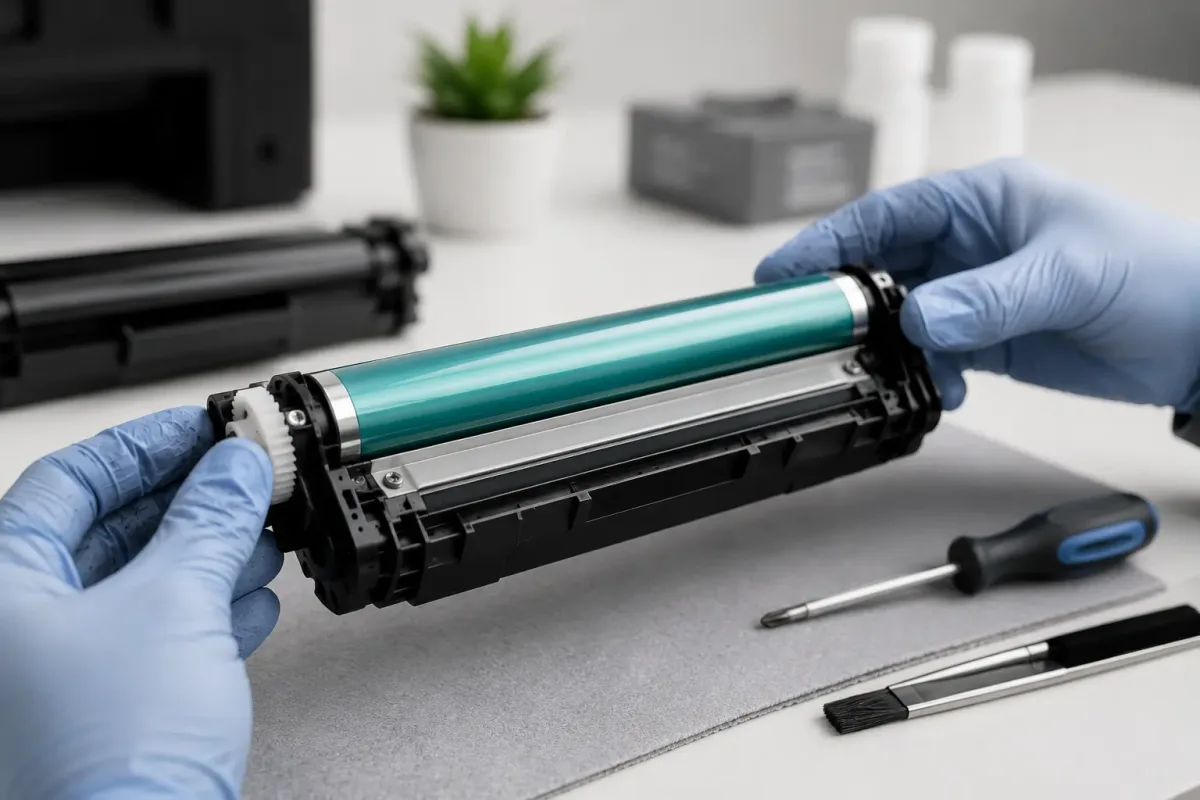
Image source: Bing (Web (fair-use with source credit))
Common Cartridge Problems and What They Mean
When your printer starts acting up, the cartridge is often the first place to look. Understanding the common problems and what they signal can save you time and frustration. These issues usually stem from the core components we've discussed, the housing, reservoir, delivery mechanism, or electrical connectors.
Manufacturer troubleshooting guides frequently reference these specific points.
Here are some of the most frequent cartridge-related issues:
Faded or Light Prints:
- Inkjet: This often means the ink tanks are low or empty, or the printhead nozzles are clogged. Dried ink can block the tiny openings, preventing ink from reaching the paper.
- Laser: For toner cartridges, this usually indicates low toner levels in the hopper. It can also signal a worn photoconductor drum or issues with the magnetic roller not picking up enough toner.
Streaks or Lines:
- Inkjet: A sign of clogged nozzles in the printhead or an air bubble in the ink delivery channels. Sometimes, a streak can also mean a specific color tank is running dry.
- Laser: This can sometimes be caused by debris on the magnetic roller or damage to the photoconductor drum.
"Cartridge Not Recognized" Error:
- This is almost always an issue with the contact points. They might be dirty, preventing the printer from establishing a proper electrical connection. Alternatively, the cartridge might be faulty or not seated correctly.
Leaking:
- Inkjet: This usually indicates a damaged housing or a seal failure in one of the ink tanks. It's a good idea to replace such a cartridge immediately to prevent damage to the printer.
- Laser: Less common for toner, but could indicate a breach in the toner hopper or a problem with the sealing of the powder.
When you encounter these problems, your first instinct should be to consult your printer's manual or the manufacturer’s support site. They often provide specific steps to diagnose and resolve issues related to cartridge components.
FAQs About Cartridge Parts
What's the most common part to fail in a cartridge?
In inkjet cartridges, the printhead is often the most common failure point due to nozzle clogs. For toner cartridges, the photoconductor drum can wear out over time, impacting print quality.
Can I fix a clogged inkjet printhead myself?
While some printers have built-in cleaning cycles, severe clogs might require specialized cleaning solutions or, in many cases, replacement of the entire cartridge, as the printhead is often integrated.
Why do toner cartridges have a drum inside?
The photoconductor drum is essential for laser printing. It’s electrostatically charged to attract toner particles in the pattern of the image to be printed, which are then transferred to the paper.
Are all toner cartridges the same?
No, toner cartridges vary significantly by printer model and manufacturer. They differ in size, toner capacity (page yield), and the specific internal components and technologies used for toner transfer.