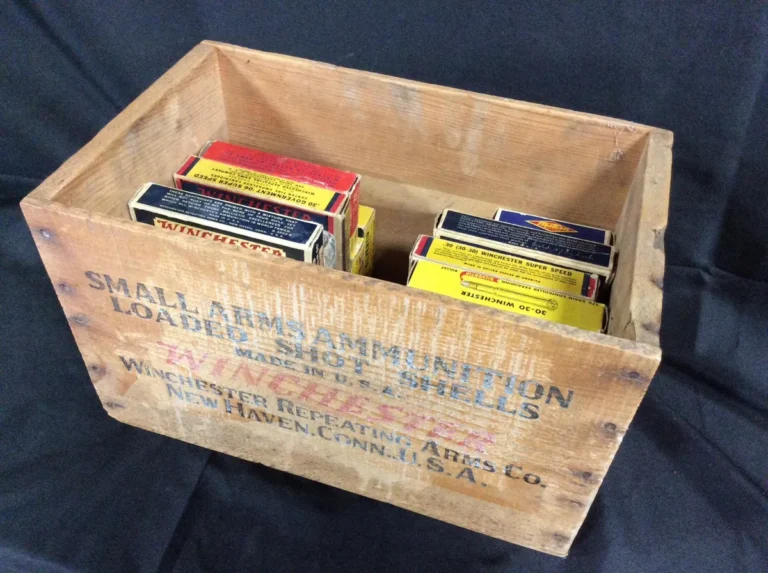
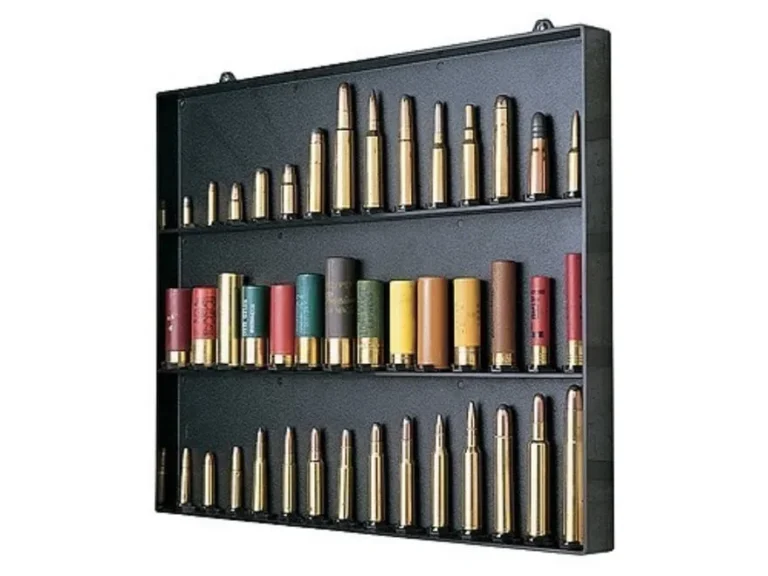
How Can You Identify a Recalled Ammunition Lot?
Figuring out if a specific batch of ammunition has been recalled is critical for your safety and the reliability of your firearm. You need clear, accurate information to avoid using potentially dangerous rounds. This guide breaks down exactly what to look for and where to find it, so you can be confident in the ammo you're using.
Our research indicates that identifying a recalled ammunition lot involves a direct comparison between your ammunition's markings and the manufacturer's official recall notices. This process typically requires noting specific identifiers like the lot number, which is a unique production code applied by the manufacturer. As of 2026, manufacturers are required by industry standards to provide accessible recall information for defective products.
Quick Answer
To identify a recalled ammunition lot, find the lot number on your ammo's packaging. Check the ammunition manufacturer's official website for active recall notices. Compare your lot number to the recalled ones.
If it matches, stop using the ammunition immediately. Follow the manufacturer's instructions for return or replacement.
Why Ammunition Recalls Matter for Your Safety
Ammunition recalls aren't just about inconvenience; they're a serious safety issue. When a manufacturer identifies a defect in a specific production run, it could mean anything from inconsistent performance to a dangerous malfunction. This could lead to firearm damage, injury to the shooter, or harm to bystanders.
For instance, a common defect might involve improperly seated primers or incorrect powder charges. These issues can cause "squibs" (a bullet not exiting the barrel) or "over-pressure" events, both of which can have severe consequences. The sporting firearms industry adheres to various safety standards, and recalls are a crucial part of upholding these.
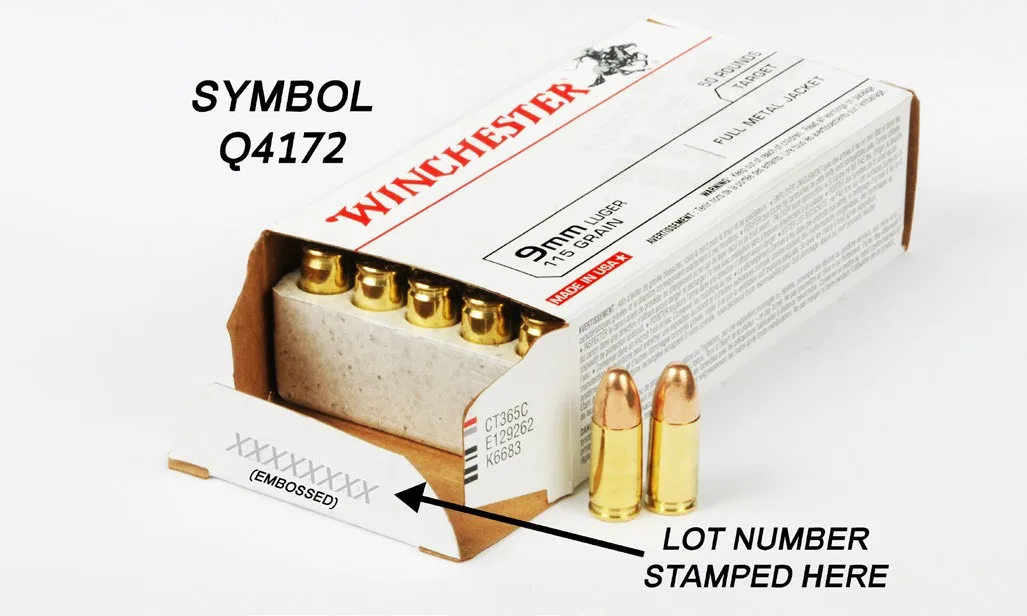
Image source: Bing (Web (fair-use with source credit))
The Crucial Role of Lot Numbers in Recalls
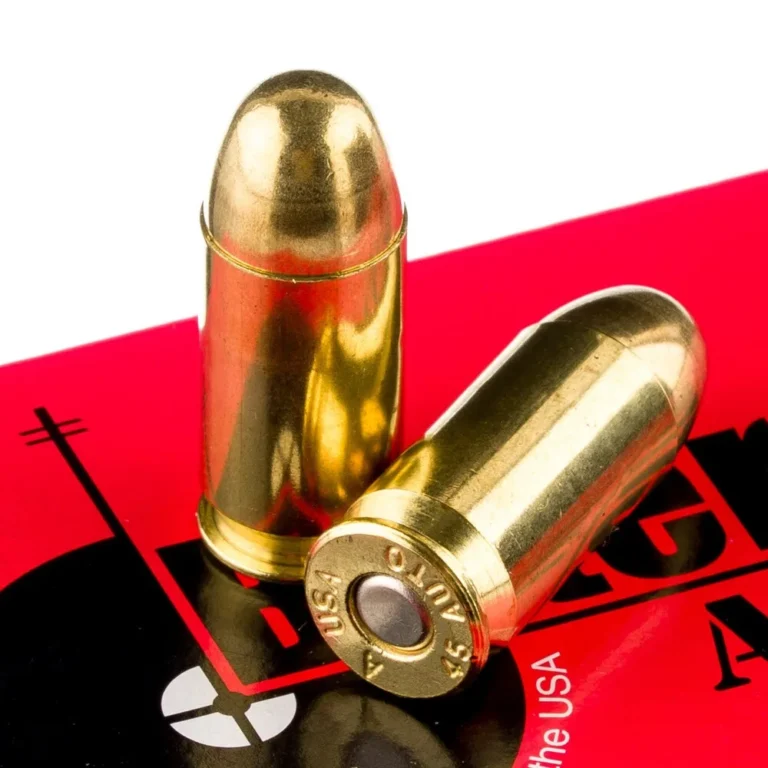
The most important piece of information you'll need to identify a recalled ammunition lot is the lot number. Think of it as a unique fingerprint for that specific production run. Every box or package of ammunition comes with this identifier, usually printed directly on the cardboard box, a sticker, or sometimes even stamped onto the brass casing itself.
Manufacturers use these lot numbers to track their products through the entire manufacturing and distribution process. This granular tracking is essential for pinpointing exactly which products are affected if a problem arises. Without it, isolating a defective batch would be nearly impossible.
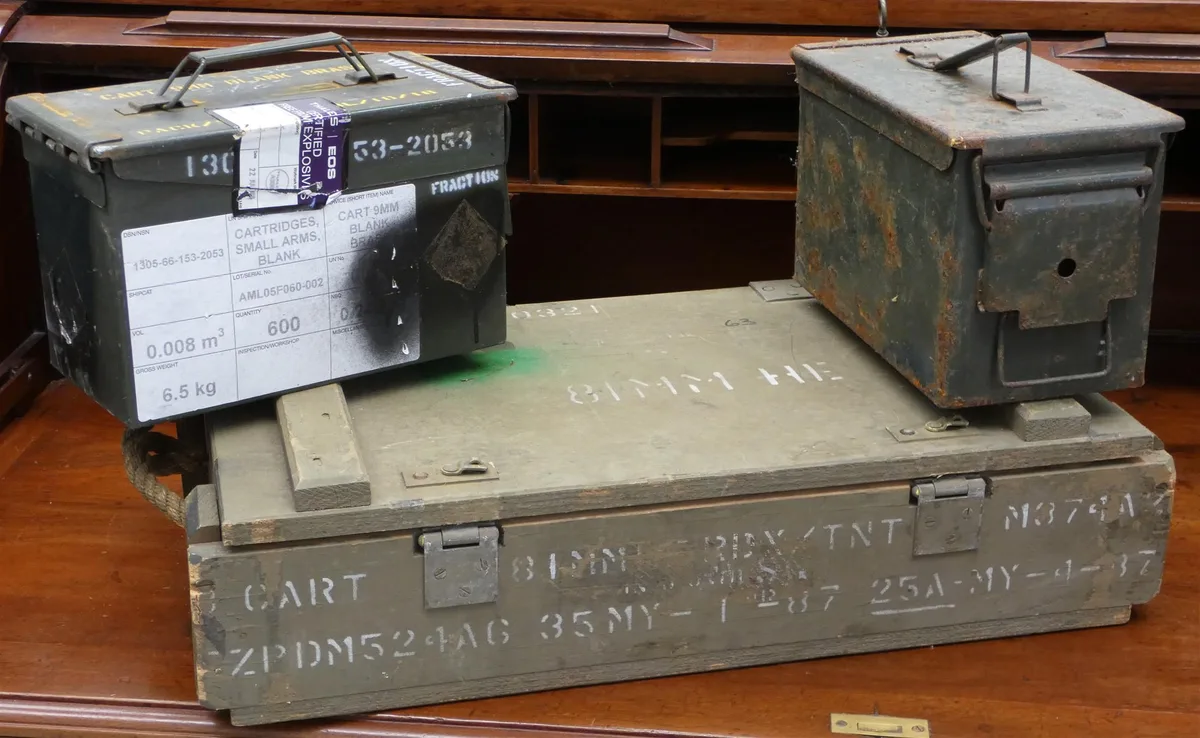
Image source: Bing (Web (fair-use with source credit))
What to Look For on Ammo Packaging and Rounds
When you're checking your ammunition, you'll want to look for a few key pieces of information:
- Lot Number: This is typically a series of letters and numbers, varying in length and format depending on the manufacturer. It might be printed in ink, stamped, or on a sticker.
- Caliber: Make sure you know the exact caliber of your ammunition (e.g., 9mm Luger.223 Remington.308 Winchester). Recall notices will specify which calibers are affected.
- Manufacturer Name: You'll need to know which company produced the ammunition. This is usually printed prominently on the packaging.
- Date of Manufacture (Less Common): Some recall notices might include a date range in addition to or instead of a specific lot number. This is less precise but can still be a helpful indicator.
How to Find Official Recall Information
The primary and most reliable source for ammunition recall information is always the manufacturer itself. They are legally and ethically obligated to inform consumers about safety issues with their products. Relying on third-party websites or forums can sometimes lead to outdated or inaccurate information, so it's best to go straight to the source.
- Manufacturer's Website: Nearly all reputable ammunition manufacturers maintain a dedicated section on their official website for product recalls or safety notices. This is usually the first place to check. Look for links like "Product Recalls," "Safety Alerts," "Important Notices," or "Customer Service."
- Official Press Releases: In some cases, manufacturers might issue official press releases that are distributed to news outlets and posted on their sites.
- Contacting Customer Service: If you can't find information online, reaching out directly to the manufacturer's customer service department is an excellent next step.
Step-by-Step: Checking Your Ammunition Against a Recall Notice
Once you know you might have affected ammunition, the next step is to systematically check it against any available recall information. This process is straightforward but requires attention to detail to ensure you're correctly identifying any problematic rounds.
- Gather Your Ammunition: Locate the box or package of ammunition you suspect might be part of a recall. If the original packaging is lost, try to find any markings on the individual rounds themselves.
- Identify Key Information: Note down the manufacturer's name, the precise caliber of the ammunition, and, most importantly, the lot number. This number is your primary identifier.
- Visit the Manufacturer's Recall Page: Go to the official website of the ammunition manufacturer. Navigate to their product recall or safety notice section.
- Review Active Recalls: Carefully read through all current recall notices posted on the site. Pay close attention to the calibers and lot numbers listed.
- Compare Your Lot Number: If the manufacturer's recall notice lists your specific caliber, compare its lot number(s) to the one on your ammunition.
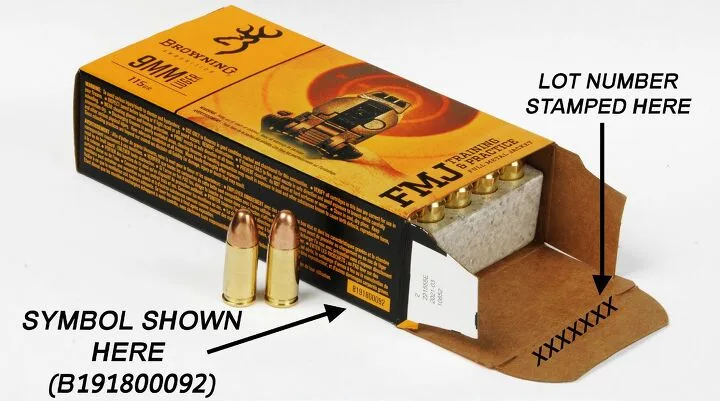
Image source: Bing (Web (fair-use with source credit))
- Match Found? If your ammunition's lot number matches one listed in the recall, stop using it immediately.
- No Match Found? If your caliber and lot number are not listed on any active recall notices, your ammunition is likely safe, assuming it's from a reputable manufacturer and handled properly.
What to Do If Your Ammunition is Recalled
If you discover that your ammunition is part of a recall, the most important thing to do is stop using it immediately. Continuing to use recalled ammunition can be extremely dangerous, potentially leading to malfunctions or serious injury. Manufacturers have specific procedures in place to handle these situations safely and efficiently.
Here's what you should generally expect and do:
- Follow Manufacturer Instructions Precisely: Every recall notice will include specific instructions from the manufacturer. These will detail exactly how they want you to proceed. Do not deviate from these instructions.
- Safe Storage and Transport: You will likely be instructed on how to safely store and package the recalled ammunition for return. Never attempt to disassemble or modify the ammunition. If you need to transport it, ensure it is secured and handled with extreme care, following all local laws regarding the transport of ammunition.
- Return or Replacement: Most manufacturers offer a refund or replacement for recalled ammunition. They will provide details on how to send the ammunition back or arrange for its collection. Some may also offer store credit or equivalent product.
- Documentation: Keep any records of your purchase if possible, though often the lot number is sufficient proof for a recall. You might also want to keep a copy of the recall notice for your records.
- Contact Support: If you have any questions or concerns about the recall process, don't hesitate to contact the manufacturer's customer support directly. They are there to help guide you through it.
Common Mistakes When Identifying Recalled Ammo
Even with clear instructions, it's easy to make mistakes when trying to identify a recalled ammunition lot. One of the most frequent errors is misreading the lot number. These codes can be complex and often appear on smaller, potentially smudged print, making them hard to decipher accurately.
Always double-check the alphanumeric sequence against the recall notice.
Another common pitfall is confusing lot numbers with other markings on the ammunition or packaging, such as caliber designations or manufacturing dates. Relying solely on a date range can be problematic if the recall is very specific to a particular production run within that broader timeframe. Always prioritize the lot number as the definitive identifier.
Lastly, failing to check the official manufacturer's website is a significant mistake. Information found on forums or unofficial sites can be outdated, incomplete, or simply incorrect. Always cross-reference any potential recall with the manufacturer's direct recall page to ensure you're acting on verified information.
What If You Can't Find the Lot Number?
Sometimes, especially with older ammunition or if the original packaging is lost, finding the lot number can be a real challenge. If you can't locate a lot number on the box or the rounds themselves, your options become more limited. You might see other markings, but without a confirmed lot number, it's difficult to definitively link your ammo to a specific recall.
If you're unsure and can't find the necessary information, the safest course of action is to assume the worst and err on the side of caution. Don't use the ammunition. Instead, contact the manufacturer's customer service directly.
Explain the situation clearly, providing any information you can find, such as the caliber, any visible markings, and when and where you acquired it. They may be able to help identify it or advise you on safe disposal.
Frequently Asked Questions About Ammunition Recalls
### How long does it take to get a refund or replacement?
Response time varies significantly by manufacturer. Some companies process refunds or send replacements within a few weeks, while others may take longer, especially if demand is high or if there are logistical challenges in collecting and processing the recalled product. Always check the manufacturer's recall notice for estimated timelines.
### Can I sell recalled ammunition?
No, it is illegal and highly unsafe to sell ammunition that has been officially recalled. You should follow the manufacturer's instructions for return or disposal. Selling recalled products puts others at serious risk and can carry legal penalties.
### What if the manufacturer doesn't have a recall notice online?
If you suspect a recall but cannot find information on the manufacturer's website, contact their customer service department directly. They can confirm if a recall is active and provide the necessary lot numbers or identifiers. It's always best to get information straight from the source if it's not readily available online.
### How do I safely dispose of recalled ammunition?
Never dispose of recalled ammunition in regular household trash or by pouring it down a drain. Contact your local law enforcement or a licensed hazardous waste disposal facility for guidance on safe ammunition disposal. Manufacturers will often provide specific disposal instructions as part of their recall process.