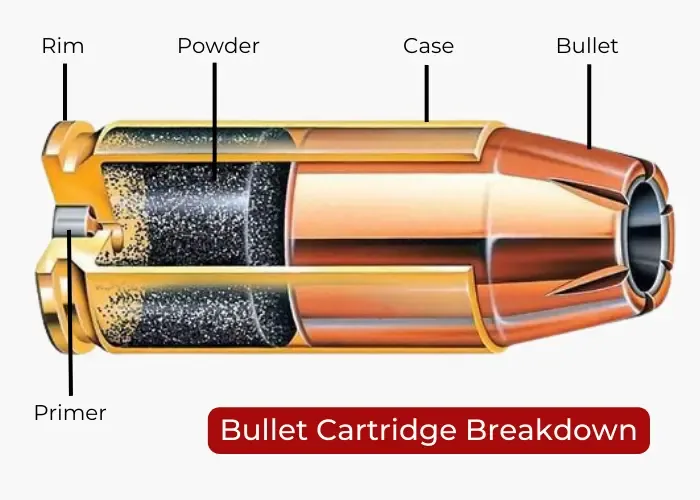
How Do You Identify the Manufacturer of Ammunition?
So, you’ve got a piece of ammunition and you're wondering, "How do you identify the manufacturer of ammunition?" It’s a common question whether you're a seasoned collector, a curious shooter, or just found an old box of rounds. Knowing who made your ammo can tell you a lot about its history, quality, and performance.
This isn't just about satisfying curiosity; it's about understanding what you have. For example, military ammunition often adheres to strict standards, like those outlined by the North Atlantic Treaty Organization (NATO), and different manufacturers will have unique markings to denote their compliance and origin. Let’s break down how you can become a pro at spotting these identifiers.
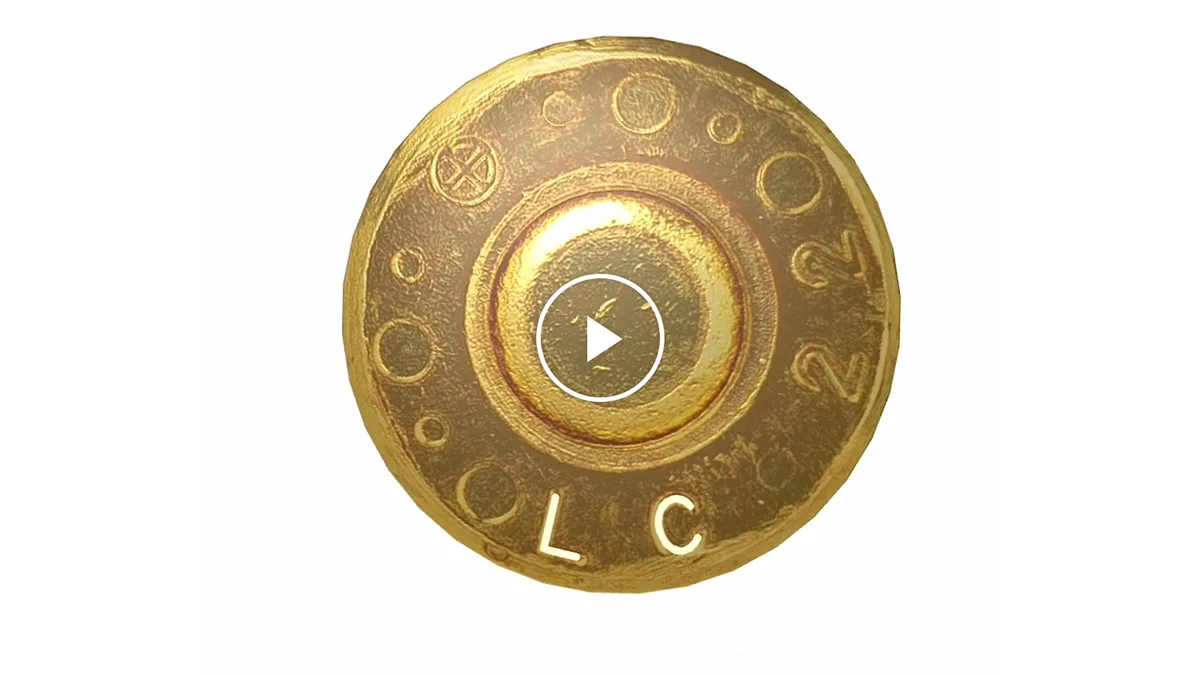
Image source: Bing (Web (fair-use with source credit))
Quick Answer
You identify ammunition manufacturers by examining the headstamp, usually found on the base of the cartridge casing. This marking often includes initials, logos, caliber, or date codes. If the original packaging is available, it will clearly state the manufacturer.
Researching these specific markings in dedicated headstamp guides or manufacturer databases is key.
The Ammo ID Puzzle: Why It Matters
Understanding who made your ammunition can be surprisingly important for several reasons. It's not just about impressing your friends with trivia. For collectors, identifying the manufacturer is fundamental to dating and valuing specific rounds.
For those who reload, knowing the original manufacturer can offer insights into the quality and consistency of the brass casing, which is crucial for successful reloads.
For shooters, manufacturer information can sometimes correlate with known performance characteristics or specific firearm compatibility. This knowledge helps you make informed decisions about the ammunition you use and collect.
Your Goal: Pinpointing the Maker
Ultimately, your goal is to decode the often cryptic markings on a piece of ammunition to determine its origin. This process requires a keen eye for detail and a systematic approach. You're looking for patterns, letters, numbers, and symbols that, when combined, point to a specific company.
Spotting the Key Identifiers on Ammunition
When you're trying to figure out who made a particular round of ammunition, your eyes will naturally be drawn to a few specific spots. These are the places where manufacturers typically leave their mark, acting as their signature on the product.
The Headstamp: Your Primary Source
The headstamp is the most crucial marking on a cartridge. It's stamped or embossed onto the base of the cartridge casing. This area is designed to house critical information, and it’s the first place most people look for identifiers.
Manufacturers use headstamps to convey a variety of details. This can include manufacturer initials or logos, caliber, date of manufacture, lot numbers, and country of origin.
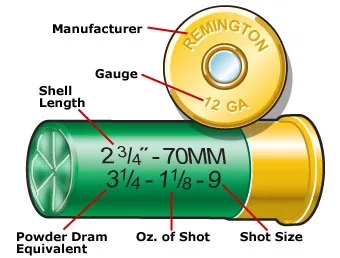
Image source: Bing (Web (fair-use with source credit))
Beyond the Headstamp: Other Potential Clues
While the headstamp is king, other parts of the ammunition might offer clues, though they are less common for direct manufacturer identification. Some bullets might have markings indicating their type. More helpfully, if you’re lucky enough to still have the original box or packaging, this is the easiest way to identify the manufacturer.
The box will almost always clearly state the brand name and often provides detailed specifications.
Your Step-by-Step Guide to Identifying Manufacturers
Now that we know where to look, let's walk through the process of actually identifying the manufacturer. It's a logical workflow designed to help you get to the bottom of it, even with unfamiliar markings.
Step 1: Visual Inspection of the Headstamp
This is where you begin. Take the cartridge and turn it over so you can clearly see the base. You want good lighting to ensure you catch every detail.
What you're looking for are any letters, numbers, symbols, or logos stamped into the metal.
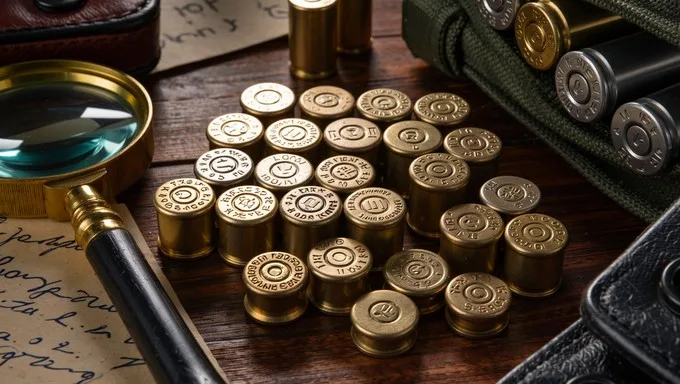
Image source: Bing (Web (fair-use with source credit))
- Note the Material: Is the casing brass, nickel-plated brass, steel, or aluminum? This can sometimes hint at the origin or purpose of the round.
- Identify All Characters: Systematically list out every character you see. Pay attention to the arrangement, are they in a circle, a line, or grouped together? The order is important.
- Look for Recognizable Marks: Do any letters or symbols look like common abbreviations for well-known ammunition companies? Think "W" for Winchester, "R" for Remington, or "F" for Federal.
Step 2: Documenting What You See
Don't rely on your memory. Grab a notebook and pen, or use your phone's notes app. Write down exactly what you see on the headstamp.
If it’s a symbol you can’t describe with words, sketch it out as best you can. Precision here is key, as a single misplaced character can lead you down the wrong path.
- Record the Caliber: Make sure to note the caliber of the ammunition as well. This is often part of the headstamp itself and is crucial for narrowing down possibilities.
- Capture the Full Pattern: If there are multiple lines of text or symbols, record them in their spatial relationship. For example, "Top line: WCC. Bottom line: 72."
Step 3: Researching Markings
Once you have your documented markings, it’s time to hit the resources. This is where the puzzle pieces start to fit together. Many websites and reference books are dedicated to cataloging ammunition headstamps.
- Headstamp Identification Guides: Search online for "ammunition headstamp identification guide" or "cartridge headstamp chart." You'll find numerous databases and lists that cross-reference markings with manufacturers.
- Cross-Reference Symbols: If you saw a symbol, try searching for "[Symbol Description] ammunition headstamp" (e.g., "star ammunition headstamp" or "crossed cannons ammunition headstamp").
- Manufacturer Databases: Some official ammunition manufacturer websites might have historical information or archives that can help, though this is less common for identifying unknown rounds. As of 2026, comprehensive manufacturer databases are still evolving but offer valuable clues.
Step 4: Considering Context (Military vs. Commercial)
The context of the ammunition can often provide significant clues. Military-produced ammunition generally follows stricter identification protocols than commercial ammunition.
- Military Markings: You'll often see codes that indicate the specific arsenal or country that produced it. For example, NATO-standard ammunition might bear specific markings, and different member nations will have their own codes.
- Commercial Markings: These can be more varied and sometimes less standardized, especially with older or less common brands. However, they usually incorporate recognizable company names or abbreviations.
Common Pitfalls and Mistakes to Sidestep
Even with the best intentions, it's easy to stumble when trying to identify ammunition manufacturers. Being aware of these common mistakes can save you time and prevent misidentification.
Misinterpreting Symbols or Letters
The biggest hurdle is often ambiguous markings. A symbol that looks like one thing might actually be a stylized version of a letter, or vice-versa. Different manufacturers might also use similar-looking abbreviations or symbols, leading to confusion.
Always cross-reference with reliable guides.
Overlooking Packaging Clues
If you find ammunition loose, it’s easy to focus solely on the headstamp. However, if you have the original box, that's your most direct and reliable source of information. Inspect the box thoroughly for brand names, logos, and caliber information printed on all sides.
This should be your first confirmation if available.
Relying on Incomplete Information
It's tempting to make a quick identification based on just one or two visible characters. However, ammunition headstamps are often a combination of identifiers. Always try to confirm your initial guess by looking for corroborating marks, such as the caliber or date, and by consulting multiple reputable sources.
If only a partial headstamp is visible due to damage, identification becomes much harder and less certain.
Essential Safety When Handling Ammunition
Before we go further, it's critical to emphasize safety. Ammunition, even old or inert rounds, should always be handled with care.
- Assume Live: Always treat any ammunition as if it were live and capable of firing.
- Proper Storage: If you are storing ammunition, ensure it's in a cool, dry place, away from heat and direct sunlight, and secured properly to prevent unauthorized access.
- Never Disassemble: Unless you are a trained professional with specific knowledge and tools, never attempt to disassemble live ammunition. This can be extremely dangerous.
- Consult Local Laws: Be aware of any local or national regulations regarding the possession, storage, and transportation of ammunition. Organizations like the Bureau of Alcohol, Tobacco, Firearms and Explosives (ATF) provide guidance on federal laws in the United States.
Frequently Asked Questions About Ammo Identification
How do I identify a foreign manufacturer's ammunition?
Foreign ammunition often uses country codes or specific symbols unique to that nation's ammunition production. For instance, some European countries use a two-letter code. Researching international headstamp charts is essential, and looking for markings that don't conform to common US standards will help narrow down the possibilities to specific countries before identifying the exact maker.
What if the headstamp is worn or damaged?
If the headstamp is significantly worn or damaged, direct identification can become very difficult or impossible. In such cases, you might be able to infer the caliber from the overall cartridge dimensions or the bullet type. You may need to consult with experienced collectors or refer to specialized forums where such difficult cases are sometimes discussed, but certainty will be low.
Can I identify the manufacturer from the bullet itself?
While the bullet might have markings indicating its type (e.g., hollow point, boat tail) or specific coatings, it rarely directly identifies the cartridge manufacturer. The primary identifiers are always on the cartridge casing's headstamp or the original packaging. Focus on the base of the casing for manufacturer clues.
Are there any apps or software that can identify headstamps?
Yes, there are mobile applications and online databases designed specifically to help identify ammunition headstamps. These tools often feature large libraries of markings and allow you to search by typing in characters or sometimes even by uploading a photo. Their accuracy can vary, so it’s wise to cross-reference findings with other reliable sources.
What’s the difference between a headstamp and a primer marking?
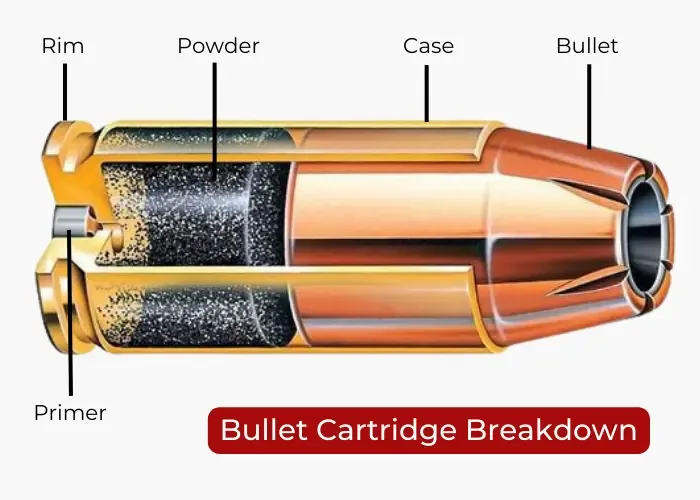
The headstamp is stamped onto the base of the cartridge casing itself and typically contains manufacturer, caliber, and date information. The primer is the small, circular component at the very center of the casing base that initiates firing. While some primers might have very faint manufacturer marks, these are generally not used for identifying the ammunition maker.
Your Next Steps in Ammunition Identification
Once you've successfully identified the manufacturer, you might wonder what to do with that information. Knowing the maker is often just the first step in a larger process, whether that's for collecting, research, or safe use.
- Catalog Your Collection: If you're a collector, add the manufacturer's name to your records for each piece. This helps in organizing your collection and understanding its scope.
- Research Further: Use the manufacturer's name to look up their history, other products they've made, and any notable specifications or production periods. This can add significant context to your findings.
- Verify Safety: For any ammunition you intend to use, ensure it's from a reputable manufacturer and is appropriate for your firearm. Always prioritize safety and consult your firearm’s manual.
Using Manufacturer Data for Reloading
If your interest lies in reloading ammunition, knowing the original manufacturer is incredibly valuable. The quality and consistency of the brass casing are paramount for successful and safe reloads. Different manufacturers use slightly different alloys and manufacturing processes, which can affect case strength, primer pocket dimensions, and overall durability.
- Brass Quality: Some manufacturers are known for using higher-quality brass that can withstand multiple reloads. Researching this can help you choose better casings for your reloading projects.
- Consistency: A consistent headstamp from a reputable maker suggests more uniform case dimensions, which translates to more predictable results when reloading.
- Primer Pocket Fit: The size and depth of the primer pocket can vary between manufacturers. Knowing this helps ensure your primers seat correctly and safely.
Ammunition Identification for Collectors
For ammunition collectors, identifying the manufacturer is often a core part of the hobby. It's not just about having a large quantity of rounds, but about acquiring specific, rare, or historically significant examples. The manufacturer's name, along with caliber, date, and origin, helps in dating the ammunition and understanding its historical context.
- Dating Ammunition: Many manufacturers, especially those producing military surplus, stamped their ammunition with dates or lot numbers that can be used to pinpoint its era of production. This is vital for historical context.
- Rarity and Value: Certain manufacturers or specific production runs may be rarer than others, increasing their value within the collecting community. Precise identification is key to valuation.
- Understanding Production Runs: Learning about a manufacturer's specific ammunition lines, their common calibers, and their typical markings allows collectors to focus their search and build more specialized collections.
Troubleshooting Common Identification Issues
Sometimes, you'll encounter ammunition that resists easy identification. This is when a systematic troubleshooting approach becomes necessary.
- Ambiguous Markings: If you have a marking that could be several different things, try searching for variations. For example, if you see "WMC," it could be Western Cartridge Company or another entity. Look for context clues like caliber or accompanying symbols.
- Damaged Headstamps: If the headstamp is partially obliterated, you might be able to infer information from surrounding markings, like the caliber. However, absolute certainty may be unattainable. Sometimes, the condition itself tells a story about the ammunition's history.
- Obscure or Obsolete Manufacturers: If you're dealing with very old ammunition, the manufacturer might no longer exist or might be very obscure. In these cases, specialized collector forums or very comprehensive historical databases are your best bet.
Verifying Manufacturer Information Through External Resources
When you're serious about identification, leveraging external resources is a must. These sources provide the databases and knowledge bases needed to decode those tricky markings.
- Online Headstamp Databases: Websites dedicated to ammunition identification are invaluable. They often allow you to input characters found on a headstamp and will return potential matches. Look for sites that are regularly updated and provide clear images or diagrams of markings.
- Collector Forums and Communities: Online forums where ammunition collectors and enthusiasts gather can be a goldmine of information. You can often post images of your findings and get help from experienced individuals. These communities often share obscure knowledge not readily available elsewhere.
- Manufacturer Websites and Historical Archives: While not always accessible for older or defunct companies, the official websites of current major ammunition manufacturers (like Federal, Winchester, Remington, or Hornady) can sometimes provide historical data or confirm their current marking schemes. Checking the official resources is a critical step.