What Is Subsonic Ammunition?
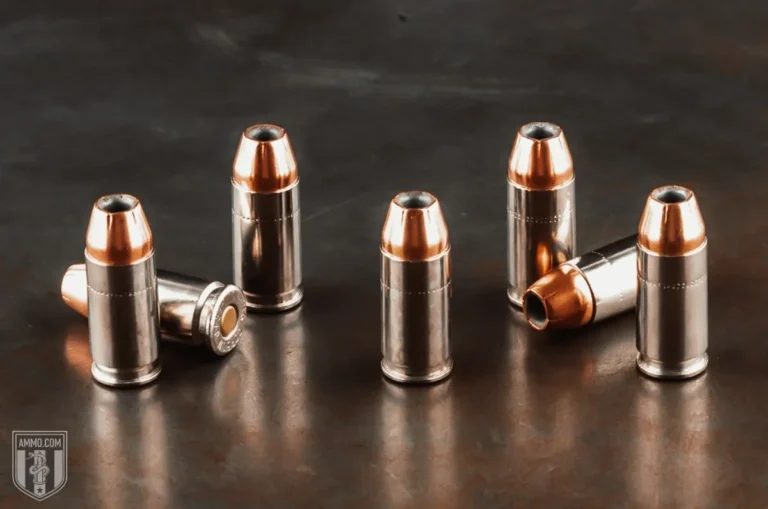
Wondering if you've heard correctly about quieter ammunition? What is subsonic ammunition? It's designed to travel slower than the speed of sound, meaning it doesn't break the sound barrier and create that sharp crack.
This makes a noticeable difference in how loud your shots are, especially when used with a suppressor.
Manufacturer specifications indicate that subsonic rounds typically travel at or below 1,125 feet per second (343 meters per second), the approximate speed of sound at sea level. This lower velocity is the defining characteristic and unlocks several unique advantages for shooters concerned with noise reduction and recoil.
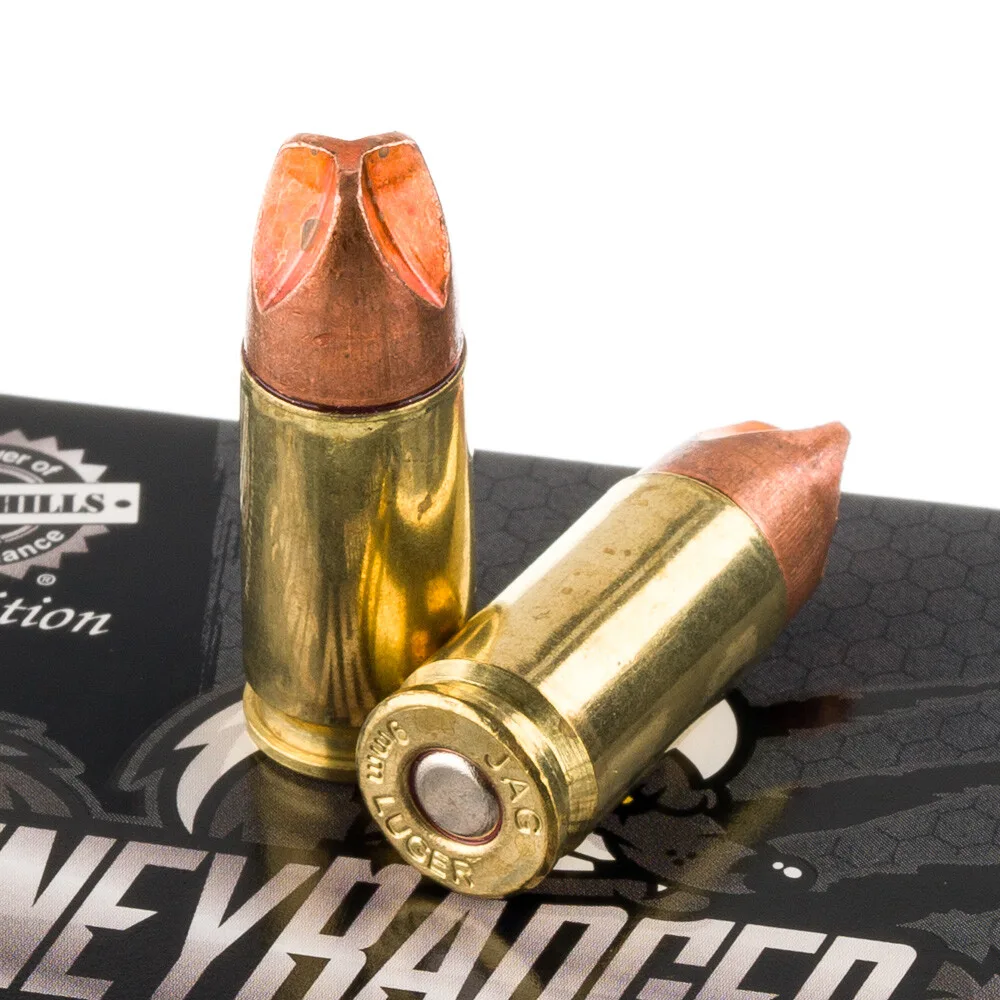
Image source: Bing (Web (fair-use with source credit))
Quick Answer
Subsonic ammunition travels slower than the speed of sound. It creates less noise than supersonic rounds. This is achieved by using less powder.
It's ideal for use with suppressors. Subsonic ammo also often has less recoil.
The Speed of Sound: What Makes Ammo Subsonic?
When we talk about ammunition, speed is a pretty big deal. Most standard rounds are what we call "supersonic," meaning they fly faster than the speed of sound. That speed is what causes that distinctive "crack" you hear when a bullet passes by, it’s literally breaking the sound barrier.
Subsonic ammunition, on the other hand, is engineered to stay below this critical speed. Per testing by the National Institute of Standards and Technology (NIST), the speed of sound can vary, but it's typically around 1,125 feet per second (fps) at sea level under standard conditions. Subsonic ammunition is designed to exit the muzzle at a velocity at or below this threshold.
Defining Subsonic vs. Supersonic Speeds
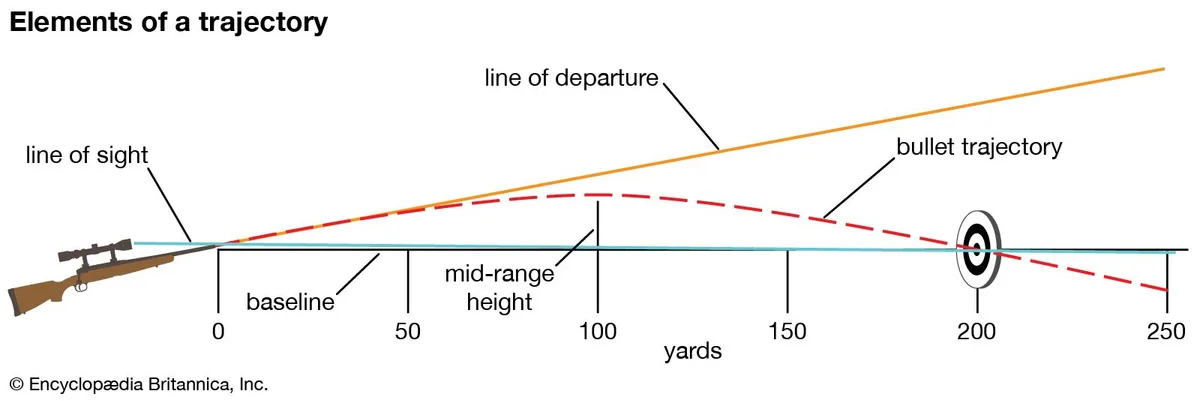
Image source: Bing (Web (fair-use with source credit))
The fundamental difference between subsonic and supersonic ammunition boils down to velocity.
- Supersonic: These rounds travel faster than the speed of sound (typically above 1,125 fps). Their high speed generates a sonic boom as they compress the air in front of them. Most hunting and self-defense rounds fall into this category.
- Subsonic: These rounds travel slower than the speed of sound (at or below 1,125 fps). Because they don't break the sound barrier, they don't produce a sonic boom. This results in a significantly quieter report, especially when paired with a sound suppressor.
Why Choose Slower Ammo? Key Benefits of Subsonic Loads
So, why would someone intentionally choose ammunition that's slower? It all comes down to a few key advantages that become very attractive in specific shooting scenarios. The primary draw is definitely the reduction in noise.
Quieter Shooting and Suppressor Synergy
The biggest reason people opt for subsonic ammunition is its sound profile. Supersonic rounds create a loud "crack" as they break the sound barrier. Subsonic rounds, by staying below this speed, eliminate that sonic boom entirely.
This makes them a fantastic choice when using a sound suppressor (often called a silencer). While a suppressor doesn't make a firearm silent, it significantly reduces the overall noise. Using subsonic ammunition with a suppressor can lower the noise level to a point where hearing protection might not even be necessary for short durations, though it's always recommended.
This is particularly beneficial for target shooting in populated areas, hunting, and training.
Aggregate reviews of suppressed firearms consistently report a dramatic reduction in perceived noise when employing subsonic loads compared to supersonic ones.
Reduced Recoil for a Smoother Experience
Because subsonic ammunition is typically loaded with less propellant than its supersonic counterparts, it often results in less felt recoil. This is a significant advantage for shooters who are sensitive to recoil or are new to firearms.
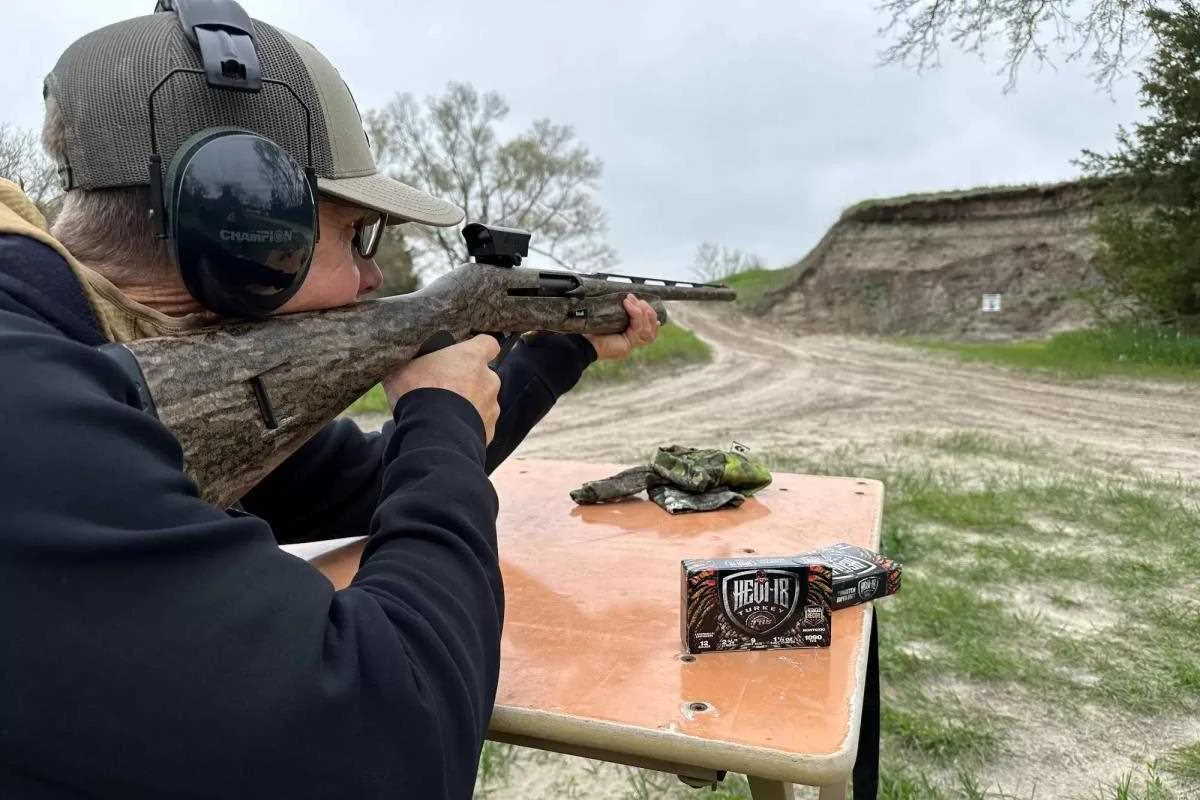
Image source: Bing (Web (fair-use with source credit))
- Easier follow-up shots: Less recoil means you can get back on target faster for quicker subsequent shots.
- More comfortable shooting: Extended practice sessions become more enjoyable.
- Improved accuracy for some: Shooters who flinch from recoil may see an improvement in their shot placement.
Manufacturer specifications for common .223 Remington subsonic rounds often show muzzle energies that are lower than standard loads, directly correlating to reduced recoil. This makes the shooting experience more pleasant and accessible.
Other Advantages
Beyond the obvious noise and recoil benefits, subsonic ammunition offers a couple of other considerations. Some shooters believe that the slower, less violent passage of a subsonic projectile through the barrel may contribute to slightly reduced barrel wear over extremely high round counts. This is a long-term, subtle benefit that's difficult to quantify precisely.
For certain competitive shooting disciplines or specialized applications where consistency is paramount, maintaining a subsonic velocity across all shots can be advantageous. This avoids the complex aerodynamic effects that can occur when a bullet transitions between subsonic and supersonic speeds during flight.
When Does Subsonic Fall Short? Drawbacks and Limitations
While subsonic ammunition offers some compelling advantages, it's not a one-size-fits-all solution. There are definite drawbacks to consider, particularly when comparing its performance to standard supersonic rounds. Understanding these limitations is crucial for making informed choices about what ammunition is best for your needs.
Energy and Range Trade-offs
The primary limitation of subsonic ammunition stems directly from its reduced velocity. Because the bullet is moving slower, it carries less kinetic energy. This means that for hunting or self-defense applications, the reduced energy may not be as effective at transferring energy to the target.
This can result in less reliable "stopping power" and potentially increased wound channels if the bullet doesn't expand as designed.
The slower speed also means the bullet loses velocity more rapidly due to air resistance (drag). This limits the effective range of subsonic ammunition, making it less suitable for shots taken at significant distances. While a supersonic round might maintain effective energy out to several hundred yards, a subsonic round's effective range can be considerably shorter, often measured in tens or low hundreds of yards depending on the caliber and bullet design.
Potential for Unreliable Cycling
In semi-automatic firearms, the cycling of the action relies on the energy produced by the fired round. Because subsonic ammunition is loaded with less propellant, it generates less "gas pressure" or "bolt thrust." In some firearms, especially those with strong recoil springs or gas systems tuned for hotter loads, the reduced energy from subsonic ammunition may not be sufficient to fully cycle the action.
This can lead to a failure to eject the spent casing or a failure to feed the next round, resulting in a stoppage. This issue is highly dependent on the specific firearm. Some firearms are designed or can be adjusted to reliably function with a wider range of ammunition power levels, while others are more sensitive.
Manufacturer specifications for certain firearms will often list recommended ammunition types or velocities.
Not Ideal for All Scenarios
Given the limitations, it's clear that subsonic ammunition isn't the go-to choice for every situation. Its reduced energy and range mean it's generally not recommended for long-range precision shooting, where maintaining velocity and energy over distance is paramount. It's also not ideal for hunting large game, where maximum energy transfer for a quick, humane kill is essential.
If your primary need is for maximum power, range, or reliable cycling in a broad spectrum of firearms without modification, supersonic ammunition remains the standard choice.
Who Uses Subsonic Ammo and Why? Practical Use Cases
Subsonic ammunition isn't just a niche product; it serves specific needs for a growing number of shooters. Its unique characteristics make it the preferred choice in particular scenarios where its benefits outweigh its drawbacks. Understanding these applications helps clarify when and why you might encounter or consider using it.
For the Hunter and Pest Controller
Hunters, especially those pursuing small game or operating in areas where noise is a concern, often turn to subsonic ammunition. The reduced report can be a significant advantage. For varmint hunting or situations where spooking other nearby animals is undesirable, the quiet nature of subsonic rounds is invaluable.
It allows for more discreet shots.
In agricultural settings or urban environments where pest control is needed, minimizing noise is often a practical necessity to avoid alerting other pests or causing a disturbance. When paired with a suppressor, subsonic loads can make for a much more integrated and less disruptive hunting experience.
For the Sport Shooter
The realm of sport shooting also benefits greatly from subsonic ammunition, particularly in disciplines that emphasize noise reduction or a comfortable shooting experience. Many competitive rimfire events, especially those held on indoor ranges or in areas with strict noise ordinances, favor or even require subsonic ammunition.
For shooters who enjoy precision practice with suppressed firearms, subsonic rounds offer a quieter and often more pleasant shooting session. The reduced recoil can also contribute to better consistency during training. Per standards set by organizations like the Sporting Arms and Ammunition Manufacturers' Institute (SAAMI), subsonic loads aim for velocities consistently below the speed of sound for predictable performance.
For Home Defense Considerations
While supersonic ammunition is typically favored for home defense due to its higher energy and proven effectiveness, some individuals opt for subsonic rounds in specific circumstances. This is a nuanced decision that requires careful consideration. In a home defense scenario, the sound of a gunshot can be deafening and disorienting, potentially affecting the defender as much as an intruder.
Subsonic rounds, especially when suppressed, can mitigate this extreme sonic blast. It's crucial to select subsonic ammunition that still possesses adequate energy for reliable terminal ballistics for self-defense purposes. Not all subsonic loads are created equal, and their effectiveness needs to be thoroughly researched for this critical application.
Frequently Asked Questions About Subsonic Ammo
Is subsonic ammunition truly silent?
No, subsonic ammunition is not silent. While it eliminates the sonic boom produced by supersonic rounds, you still hear the mechanical action of the firearm and the impact of the bullet. It's significantly quieter, but not silent.
Can I use subsonic ammunition in any firearm?
Generally, yes, but with important caveats. Most firearms will fire subsonic ammunition. However, semi-automatic firearms might not reliably cycle due to the lower power of subsonic rounds.
Always test your specific firearm to ensure proper function.
Is subsonic ammo less powerful than supersonic ammo?
Yes, subsonic ammunition typically carries less energy than supersonic ammunition due to its lower velocity. This means it has less impact force and a shorter effective range.
Does subsonic ammo require a suppressor?
While subsonic ammunition is most beneficial when used with a suppressor to maximize noise reduction, it can be fired from any compatible firearm without one. The primary advantage of reduced noise is amplified when a suppressor is attached.
Is subsonic ammunition legal everywhere?
Legality varies by location, particularly concerning the use of sound suppressors. The ammunition itself is generally legal where standard ammunition is, but local laws regarding firearms and accessories should always be checked.