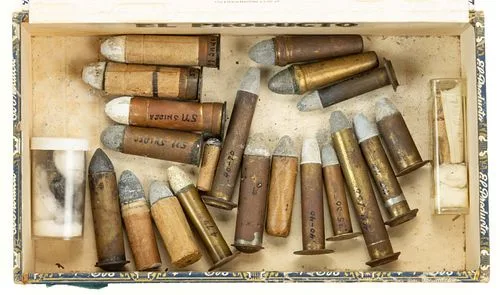
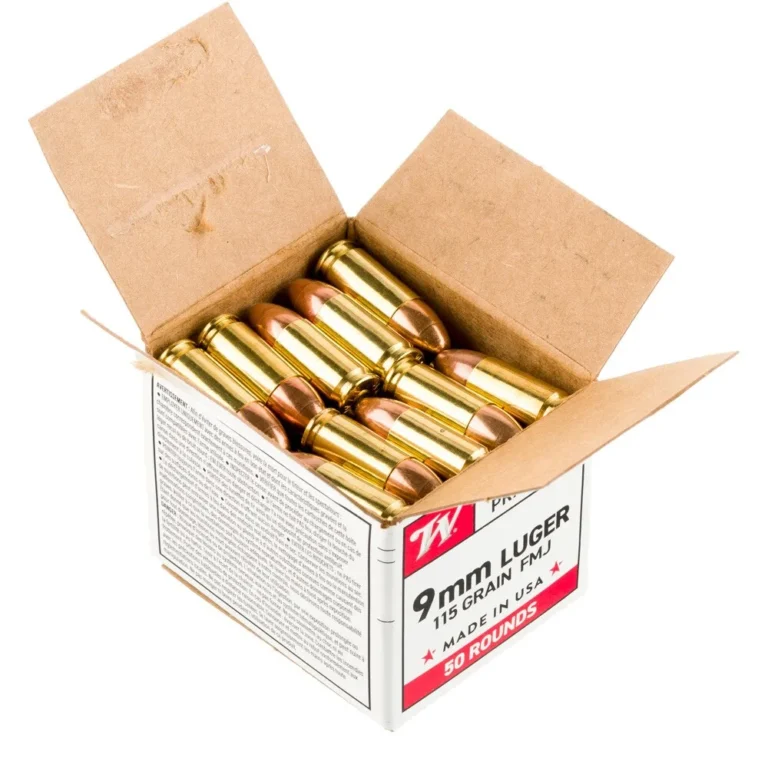
What Is Ammunition?
When you’re thinking about firearms, understanding ammunition is absolutely essential. It’s not just a single piece, but a complex component vital for safe and effective operation. Getting ammunition wrong can lead to serious malfunctions, damage, and even injury.
In our research, we found that ammunition is precisely engineered to function with specific firearm types, with standards like those set by the Sporting Arms and Ammunition Manufacturers' Institute (SAAMI) ensuring interchangeability and safety. So, what exactly is ammunition, and why does its composition matter so much?
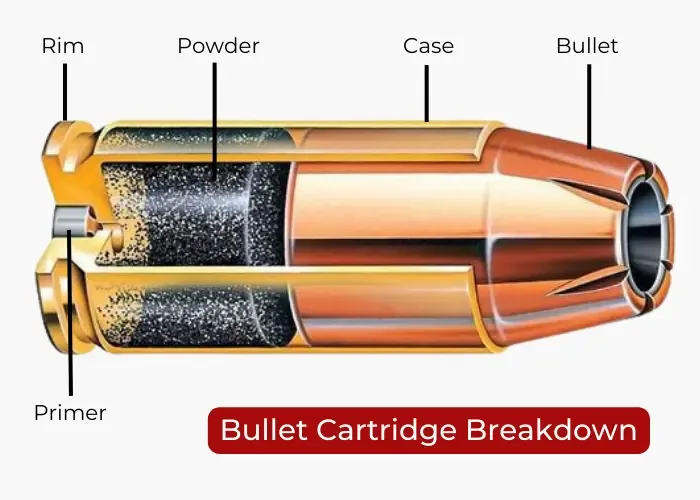
Image source: Bing (Web (fair-use with source credit))
Ammunition: Your Firearm's Power Source
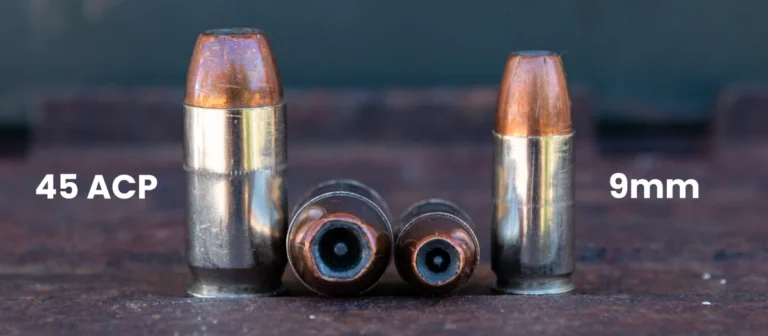
Ammunition refers to the complete, self-contained unit fired from a firearm. It's often called a cartridge, and it's the critical element that transforms a firearm into a functional tool. Each component within an ammunition cartridge plays a specific role in launching a projectile, and their precise engineering ensures this happens safely and effectively.
Without the correct ammunition, a firearm is essentially inert.
Anatomy of a Cartridge: What's Inside?
A standard ammunition cartridge is a marvel of compact engineering, comprising several distinct parts. Each piece has a vital function that contributes to the overall performance and safety of firing the weapon. Understanding these components is key to appreciating how ammunition works and why using the correct type is so important.
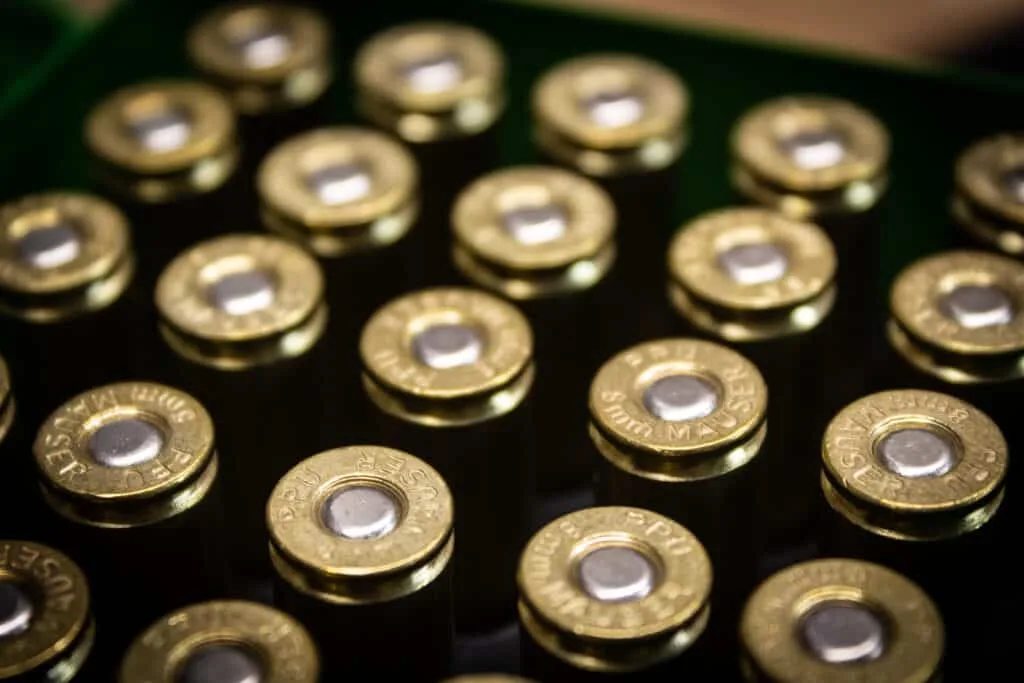
Image source: Bing (Web (fair-use with source credit))
The Case: Holding It All Together
The case is the outer shell of the cartridge, typically made from brass, though steel and aluminum are also used. Its primary function is to hold all the other ammunition components together in a neat package. When the firearm is discharged, the case expands to create a seal within the chamber, preventing explosive gases from escaping backward toward the shooter.
After firing, the case is usually ejected from the firearm.
The Primer: The Spark of Ignition
Located at the base of the case, the primer is a small, sensitive cap containing a pyrotechnic compound. When the firearm's firing pin strikes the primer, it ignites. This ignition creates a small but intense flame that travels through a flash hole in the base of the case.
This flame's sole purpose is to ignite the propellant, initiating the firing sequence.
The Propellant: Fueling the Fire
The propellant, commonly known as gunpowder, is the energetic material inside the case. Once ignited by the primer's flame, the propellant burns very rapidly. This rapid combustion generates a large volume of hot gases, which expand dramatically.
It's this expansion of gas that provides the force needed to propel the projectile down the barrel. The type and amount of propellant are carefully calibrated for specific cartridge performance.
The Projectile: The Bullet's Journey
The projectile, most commonly referred to as a bullet, is the part of the ammunition that exits the firearm's barrel and travels toward the target. Bullets vary widely in shape, size, and construction depending on their intended use, whether for hunting, target practice, or self-defense. The force generated by the burning propellant pushes the bullet out of the case and accelerates it down the rifled barrel, imparting spin for stability.
Why Understanding Ammunition Is Crucial for Safety
Possessing and using firearms comes with significant responsibility, and a deep understanding of ammunition is non-negotiable for safety. Incorrect ammunition can lead to catastrophic firearm failures, putting the shooter and bystanders at severe risk. Furthermore, ammunition must be stored and handled with care to prevent accidental discharge or degradation.
Risks of Using the Wrong Ammunition
Using ammunition that is not specifically designed for your firearm can have serious consequences. For instance, using a cartridge with too high a pressure rating for your firearm can cause it to burst. Conversely, using ammunition with insufficient power might result in a "dud" or, worse, a squib load where the bullet lodges in the barrel, creating a dangerous obstruction for subsequent shots.
Always verify that the ammunition's caliber or gauge matches your firearm's specifications. Manufacturer specifications often detail acceptable ammunition types.
Safe Storage and Handling
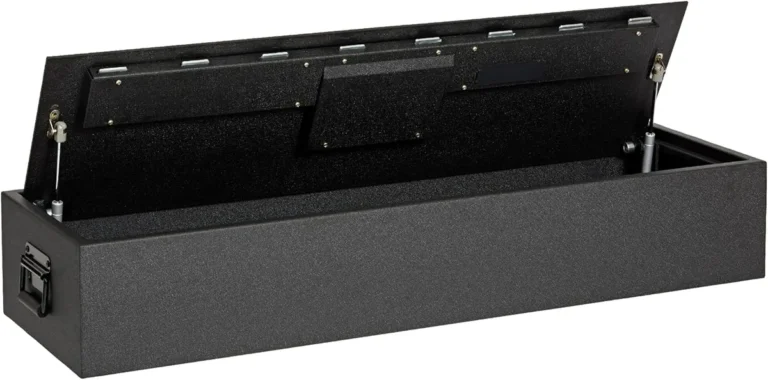
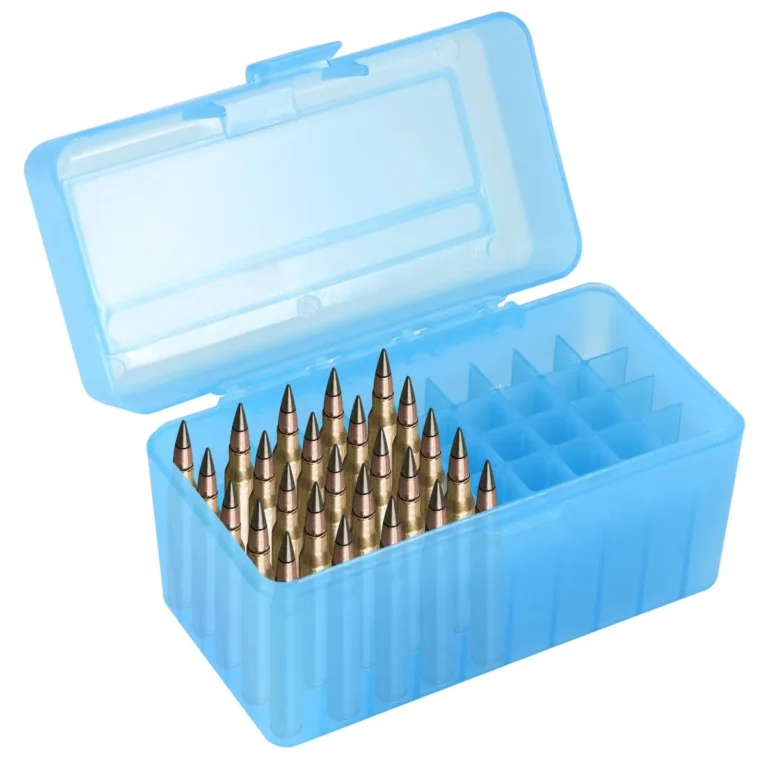
Proper storage is paramount for ammunition safety. Ammunition should be kept in a cool, dry place, away from extreme temperatures and moisture, which can degrade the propellant and primer. It should always be stored securely, out of reach of children and unauthorized individuals, often in a locked container.
Handling ammunition with care, avoiding unnecessary dropping or jarring, helps maintain its integrity.
Ammunition: Your Firearm's Power Source
Ammunition refers to the complete, self-contained unit fired from a firearm. It's often called a cartridge, and it's the critical element that transforms a firearm into a functional tool. Each component within an ammunition cartridge plays a specific role in launching a projectile, and their precise engineering ensures this happens safely and effectively.
Without the correct ammunition, a firearm is essentially inert.
Anatomy of a Cartridge: What's Inside?
A standard ammunition cartridge is a marvel of compact engineering, comprising several distinct parts. Each piece has a vital function that contributes to the overall performance and safety of firing the weapon. Understanding these components is key to appreciating how ammunition works and why using the correct type is so important.
The Case: Holding It All Together
The case is the outer shell of the cartridge, typically made from brass, though steel and aluminum are also used. Its primary function is to hold all the other ammunition components together in a neat package. When the firearm is discharged, the case expands to create a seal within the chamber, preventing explosive gases from escaping backward toward the shooter.
After firing, the case is usually ejected from the firearm.
The Primer: The Spark of Ignition
Located at the base of the case, the primer is a small, sensitive cap containing a pyrotechnic compound. When the firearm's firing pin strikes the primer, it ignites. This ignition creates a small but intense flame that travels through a flash hole in the base of the case.
This flame's sole purpose is to ignite the propellant, initiating the firing sequence.
The Propellant: Fueling the Fire
The propellant, commonly known as gunpowder, is the energetic material inside the case. Once ignited by the primer's flame, the propellant burns very rapidly. This rapid combustion generates a large volume of hot gases, which expand dramatically.
It's this expansion of gas that provides the force needed to propel the projectile down the barrel. The type and amount of propellant are carefully calibrated for specific cartridge performance.
The Projectile: The Bullet's Journey
The projectile, most commonly referred to as a bullet, is the part of the ammunition that exits the firearm's barrel and travels toward the target. Bullets vary widely in shape, size, and construction depending on their intended use, whether for hunting, target practice, or self-defense. The force generated by the burning propellant pushes the bullet out of the case and accelerates it down the rifled barrel, imparting spin for stability.
Why Understanding Ammunition Is Crucial for Safety
Possessing and using firearms comes with significant responsibility, and a deep understanding of ammunition is non-negotiable for safety. Incorrect ammunition can lead to catastrophic firearm failures, putting the shooter and bystanders at severe risk. Furthermore, ammunition must be stored and handled with care to prevent accidental discharge or degradation.
Risks of Using the Wrong Ammunition
Using ammunition that is not specifically designed for your firearm can have serious consequences. For instance, using a cartridge with too high a pressure rating for your firearm can cause it to burst. Conversely, using ammunition with insufficient power might result in a "dud" or, worse, a squib load where the bullet lodges in the barrel, creating a dangerous obstruction for subsequent shots.
Always verify that the ammunition's caliber or gauge matches your firearm's specifications. Manufacturer specifications often detail acceptable ammunition types.
Safe Storage and Handling
Proper storage is paramount for ammunition safety. Ammunition should be kept in a cool, dry place, away from extreme temperatures and moisture, which can degrade the propellant and primer. It should always be stored securely, out of reach of children and unauthorized individuals, often in a locked container.
Handling ammunition with care, avoiding unnecessary dropping or jarring, helps maintain its integrity.
Different Types of Ammunition and Their Uses
Beyond the basic components, ammunition comes in various forms, each designed for specific applications. Understanding these variations helps users select the most appropriate ammunition for their needs, ensuring both effectiveness and safety. The differences often lie in the projectile's construction or the propellant's characteristics.
Common Variations: Beyond the Basics
While the core components remain the same, the design of the projectile and the type of propellant can change significantly. For example, blank ammunition lacks a projectile and is used for training or signaling, producing noise and muzzle flash but no projectile. Tracer ammunition contains a pyrotechnic charge in the projectile's base that ignites upon firing, leaving a visible trail in flight, useful for observing bullet trajectory in military or some hunting applications. Incendiary ammunition is designed to ignite upon impact, creating fire. Explosive ammunition contains a small bursting charge that detonates on impact.
When to Use Specific Types
The choice of ammunition type depends heavily on the intended purpose. Target shooting often utilizes full metal jacket (FMJ) projectiles, which are durable and consistent. Hunting may call for expanding bullets, designed to mushroom on impact to deliver more effective stopping power and minimize animal suffering, while adhering to regulations from agencies like the U.S.
Department of Agriculture (USDA) if hunting on federal lands. Self-defense ammunition is engineered for maximum effectiveness at close range while minimizing over-penetration of barriers. It's crucial to research and comply with local and federal laws, such as those enforced by the Bureau of Alcohol, Tobacco, Firearms and Explosives (ATF), regarding the possession and use of specific ammunition types.
Expert Tips for Ammunition Selection and Use
Selecting the right ammunition involves more than just matching the caliber. Our research indicates that factors like firearm compatibility, intended use, and even environmental conditions play a significant role. Expert advice often emphasizes consulting firearm manufacturer guidelines and understanding the nuances of different ammunition designs.
For instance, consistently using ammunition from reputable manufacturers that adheres to SAAMI standards is a good practice. This ensures that the ammunition you select has been tested for consistent pressure and performance. When selecting ammunition for precision shooting, consider factors like bullet weight consistency and ballistic coefficient.
For hunting, check regulations regarding projectile type and minimum energy requirements. If you’re unsure, consulting your firearm’s manual or a qualified firearms instructor can prevent costly mistakes and ensure safe operation. Always verify that the ammunition you purchase is clearly marked with the correct caliber or gauge for your firearm.
Common Variations: Beyond the Basics
While the core components remain the same, the design of the projectile and the type of propellant can change significantly. For example, blank ammunition lacks a projectile and is used for training or signaling, producing noise and muzzle flash but no projectile. Tracer ammunition contains a pyrotechnic charge in the projectile's base that ignites upon firing, leaving a visible trail in flight, useful for observing bullet trajectory in military or some hunting applications. Incendiary ammunition is designed to ignite upon impact, creating fire. Explosive ammunition contains a small bursting charge that detonates on impact.
When to Use Specific Types
The choice of ammunition type depends heavily on the intended purpose. Target shooting often utilizes full metal jacket (FMJ) projectiles, which are durable and consistent. Hunting may call for expanding bullets, designed to mushroom on impact to deliver more effective stopping power and minimize animal suffering, while adhering to regulations from agencies like the U.S.
Department of Agriculture (USDA) if hunting on federal lands. Self-defense ammunition is engineered for maximum effectiveness at close range while minimizing over-penetration of barriers. It's crucial to research and comply with local and federal laws, such as those enforced by the Bureau of Alcohol, Tobacco, Firearms and Explosives (ATF), regarding the possession and use of specific ammunition types.
Expert Tips for Ammunition Selection and Use
Selecting the right ammunition involves more than just matching the caliber. Our research indicates that factors like firearm compatibility, intended use, and even environmental conditions play a significant role. Expert advice often emphasizes consulting firearm manufacturer guidelines and understanding the nuances of different ammunition designs.
For instance, consistently using ammunition from reputable manufacturers that adheres to SAAMI standards is a good practice. This ensures that the ammunition you select has been tested for consistent pressure and performance. When selecting ammunition for precision shooting, consider factors like bullet weight consistency and ballistic coefficient.
For hunting, check regulations regarding projectile type and minimum energy requirements. If you’re unsure, consulting your firearm’s manual or a qualified firearms instructor can prevent costly mistakes and ensure safe operation. Always verify that the ammunition you purchase is clearly marked with the correct caliber or gauge for your firearm.
Frequently Asked Questions About Ammunition
What's the difference between a cartridge and a bullet?
A cartridge is the complete unit containing the case, primer, propellant, and projectile (bullet). The bullet is just the projectile component that is fired from the cartridge.
Can I use any type of ammunition in my gun?
No, you must use ammunition specifically designed for your firearm's caliber or gauge. Using the wrong type can cause dangerous malfunctions or damage. Always check your firearm's manual.
How should I store ammunition safely?
Store ammunition in a cool, dry place, away from heat and moisture. Keep it in a locked container, out of reach of children, to prevent unauthorized access and accidental discharge.
Does ammunition expire?
While ammunition doesn't strictly "expire," its components can degrade over time due to improper storage. Factors like humidity, temperature fluctuations, and physical damage can reduce its reliability and performance.
What is a "squib load"?
A squib load is an underpowered ammunition discharge where the propellant fails to ignite or burns incompletely. This results in the bullet not having enough force to exit the barrel, potentially lodging inside and creating a dangerous obstruction for subsequent shots.
Is it legal to reload my own ammunition?
Reloading ammunition is legal in many places, but regulations vary significantly by jurisdiction. It requires specific knowledge, tools, and safety precautions. Always research and comply with all local, state, and federal laws regarding ammunition reloading.
This concludes our look at what ammunition is and why it's so important to understand. Always prioritize safety, know your firearm, and use only appropriate ammunition.
Ammunition: A Breakdown of Components and Function
This section details the physical parts of ammunition and how they interact. Understanding this is fundamental to grasping how firearms operate and why specific ammunition is required. We'll look at each component individually and then how they work together during firing.
The Case: Holding It All Together
The case is the outer shell of the cartridge, typically made from brass, though steel and aluminum are also used. Its primary function is to hold all the other ammunition components together in a neat package. When the firearm is discharged, the case expands to create a seal within the chamber, preventing explosive gases from escaping backward toward the shooter.
After firing, the case is usually ejected from the firearm.
The Primer: The Spark of Ignition
Located at the base of the case, the primer is a small, sensitive cap containing a pyrotechnic compound. When the firearm's firing pin strikes the primer, it ignites. This ignition creates a small but intense flame that travels through a flash hole in the base of the case.
This flame's sole purpose is to ignite the propellant, initiating the firing sequence.
The Propellant: Fueling the Fire
The propellant, commonly known as gunpowder, is the energetic material inside the case. Once ignited by the primer's flame, the propellant burns very rapidly. This rapid combustion generates a large volume of hot gases, which expand dramatically.
It's this expansion of gas that provides the force needed to propel the projectile down the barrel. The type and amount of propellant are carefully calibrated for specific cartridge performance.
The Projectile: The Bullet's Journey
The projectile, most commonly referred to as a bullet, is the part of the ammunition that exits the firearm's barrel and travels toward the target. Bullets vary widely in shape, size, and construction depending on their intended use, whether for hunting, target practice, or self-defense. The force generated by the burning propellant pushes the bullet out of the case and accelerates it down the rifled barrel, imparting spin for stability.
Why Understanding Ammunition Is Crucial for Safety
Possessing and using firearms comes with significant responsibility, and a deep understanding of ammunition is non-negotiable for safety. Incorrect ammunition can lead to catastrophic firearm failures, putting the shooter and bystanders at severe risk. Furthermore, ammunition must be stored and handled with care to prevent accidental discharge or degradation.
Risks of Using the Wrong Ammunition
Using ammunition that is not specifically designed for your firearm can have serious consequences. For instance, using a cartridge with too high a pressure rating for your firearm can cause it to burst. Conversely, using ammunition with insufficient power might result in a "dud" or, worse, a squib load where the bullet lodges in the barrel, creating a dangerous obstruction for subsequent shots.
Always verify that the ammunition's caliber or gauge matches your firearm's specifications. Manufacturer specifications often detail acceptable ammunition types.
Safe Storage and Handling
Proper storage is paramount for ammunition safety. Ammunition should be kept in a cool, dry place, away from extreme temperatures and moisture, which can degrade the propellant and primer. It should always be stored securely, out of reach of children and unauthorized individuals, often in a locked container.
Handling ammunition with care, avoiding unnecessary dropping or jarring, helps maintain its integrity.
Different Types of Ammunition and Their Uses
Beyond the basic components, ammunition comes in various forms, each designed for specific applications. Understanding these variations helps users select the most appropriate ammunition for their needs, ensuring both effectiveness and safety. The differences often lie in the projectile's construction or the propellant's characteristics.
Common Variations: Beyond the Basics
While the core components remain the same, the design of the projectile and the type of propellant can change significantly. For example, blank ammunition lacks a projectile and is used for training or signaling, producing noise and muzzle flash but no projectile. Tracer ammunition contains a pyrotechnic charge in the projectile's base that ignites upon firing, leaving a visible trail in flight, useful for observing bullet trajectory in military or some hunting applications. Incendiary ammunition is designed to ignite upon impact, creating fire. Explosive ammunition contains a small bursting charge that detonates on impact.
When to Use Specific Types
The choice of ammunition type depends heavily on the intended purpose. Target shooting often utilizes full metal jacket (FMJ) projectiles, which are durable and consistent. Hunting may call for expanding bullets, designed to mushroom on impact to deliver more effective stopping power and minimize animal suffering, while adhering to regulations from agencies like the U.S.
Department of Agriculture (USDA) if hunting on federal lands. Self-defense ammunition is engineered for maximum effectiveness at close range while minimizing over-penetration of barriers. It's crucial to research and comply with local and federal laws, such as those enforced by the Bureau of Alcohol, Tobacco, Firearms and Explosives (ATF), regarding the possession and use of specific ammunition types.
Expert Tips for Ammunition Selection and Use
Selecting the right ammunition involves more than just matching the caliber. Our research indicates that factors like firearm compatibility, intended use, and even environmental conditions play a significant role. Expert advice often emphasizes consulting firearm manufacturer guidelines and understanding the nuances of different ammunition designs.
For instance, consistently using ammunition from reputable manufacturers that adheres to SAAMI standards is a good practice. This ensures that the ammunition you select has been tested for consistent pressure and performance. When selecting ammunition for precision shooting, consider factors like bullet weight consistency and ballistic coefficient.
For hunting, check regulations regarding projectile type and minimum energy requirements. If you’re unsure, consulting your firearm’s manual or a qualified firearms instructor can prevent costly mistakes and ensure safe operation. Always verify that the ammunition you purchase is clearly marked with the correct caliber or gauge for your firearm.
Frequently Asked Questions About Ammunition
What's the difference between a cartridge and a bullet?
A cartridge is the complete unit containing the case, primer, propellant, and projectile (bullet). The bullet is just the projectile component that is fired from the cartridge.
Can I use any type of ammunition in my gun?
No, you must use ammunition specifically designed for your firearm's caliber or gauge. Using the wrong type can cause dangerous malfunctions or damage. Always check your firearm's manual.
How should I store ammunition safely?
Store ammunition in a cool, dry place, away from heat and moisture. Keep it in a locked container, out of reach of children, to prevent unauthorized access and accidental discharge.
Does ammunition expire?
While ammunition doesn't strictly "expire," its components can degrade over time due to improper storage. Factors like humidity, temperature fluctuations, and physical damage can reduce its reliability and performance.
What is a "squib load"?
A squib load is an underpowered ammunition discharge where the propellant fails to ignite or burns incompletely. This results in the bullet not having enough force to exit the barrel, potentially lodging inside and creating a dangerous obstruction for subsequent shots.
Is it legal to reload my own ammunition?
Reloading ammunition is legal in many places, but regulations vary significantly by jurisdiction. It requires specific knowledge, tools, and safety precautions. Always research and comply with all local, state, and federal laws regarding ammunition reloading.