What Is Frangible Ammunition?
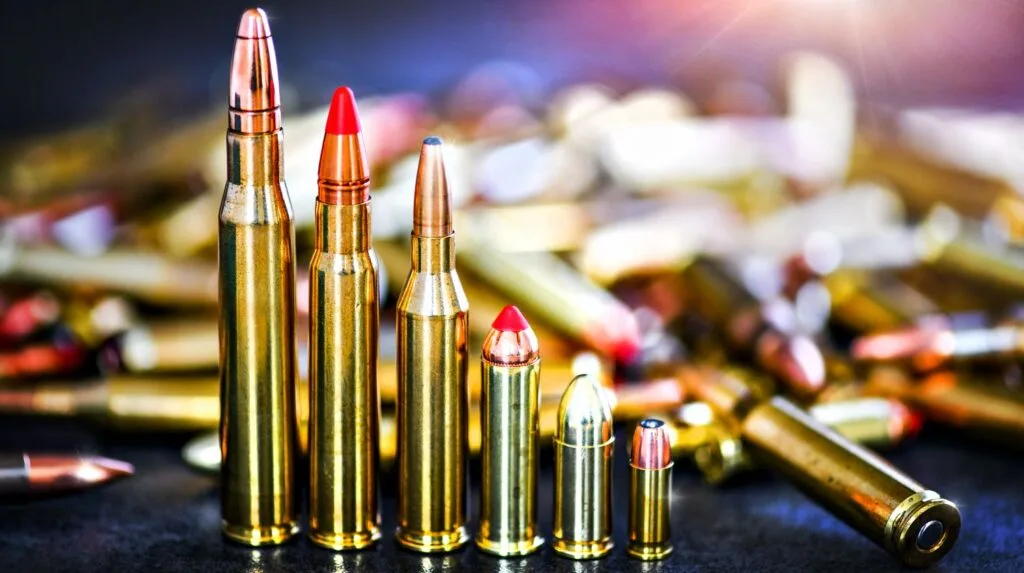
Image source: Bing (Web (fair-use with source credit))
When you’re on the range, safety is always the top priority. Understanding the types of ammunition available is key to making informed decisions, especially for training environments. Frangible ammunition offers a unique solution for situations where reducing the risk of ricochets and over-penetration is crucial.
It’s designed to break apart upon impact, significantly enhancing safety without compromising necessary training objectives.
This special type of projectile is made from powdered metals held together by a binder. When it strikes a hard surface, it disintegrates into tiny particles rather than bouncing or piercing through. This characteristic is particularly vital for indoor shooting ranges or scenarios where backstops might be less robust.
Manufacturer specifications often highlight their compliance with range safety guidelines, such as those put forth by the Sporting Arms and Ammunition Manufacturers’ Institute (SAAMI).
Quick Answer
Frangible ammunition is a type of projectile designed to break apart into small, non-hazardous particles upon impact with hard surfaces. Its primary purpose is to reduce the risk of ricochets and over-penetration, making it safer for use in indoor shooting ranges and training environments. Made from powdered metals and a binder, these rounds disintegrate instead of fragmenting into dangerous skips.
Why Frangible Ammo Matters for Safety
Safety is the non-negotiable element of any shooting activity, whether you're a seasoned professional or just starting out. We’ve all heard stories, or perhaps seen firsthand, the unpredictable and dangerous path a bullet can take after hitting a surface it wasn't intended to penetrate. That’s where frangible ammunition steps in as a critical safety enhancement, particularly in controlled environments like shooting ranges.
Its unique design directly addresses the most common range hazards: ricochets and unintended penetration.
Think about it: a standard bullet, especially from a high-velocity rifle, can skip off steel targets, concrete, or even hard ground with surprising force and direction. This unpredictability creates a serious risk for shooters and bystanders alike. Frangible rounds are engineered to mitigate this risk fundamentally.
Per SAAMI standards for range safety, any ammunition type that significantly reduces these hazards contributes to a more controlled and secure training atmosphere. As of 2026, many indoor ranges mandate or strongly recommend frangible ammunition specifically for this reason.
How Frangible Projectiles Work: The Science of Disintegration
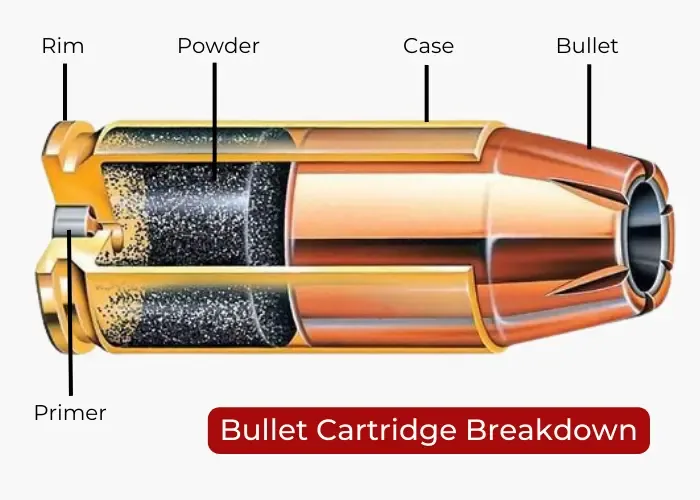
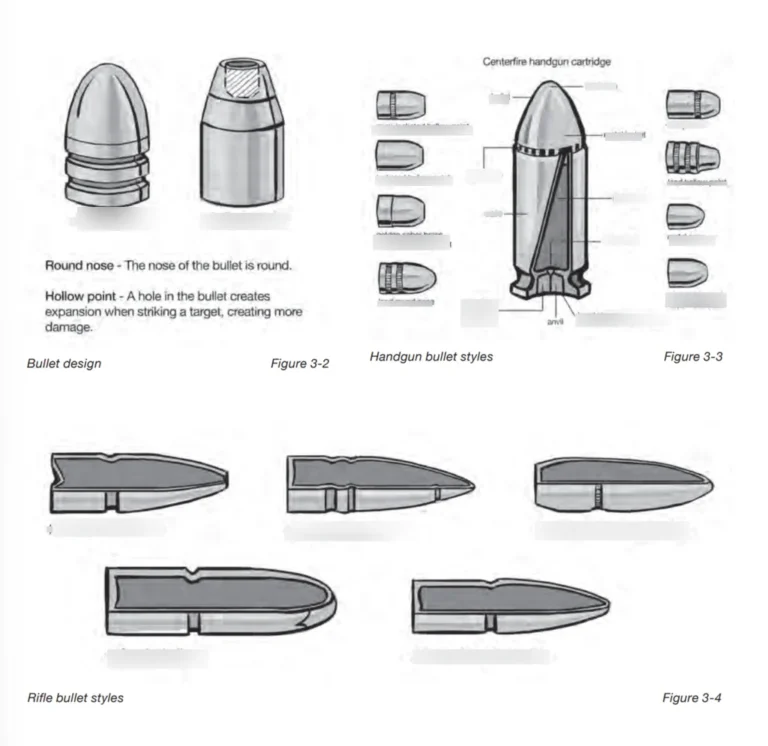
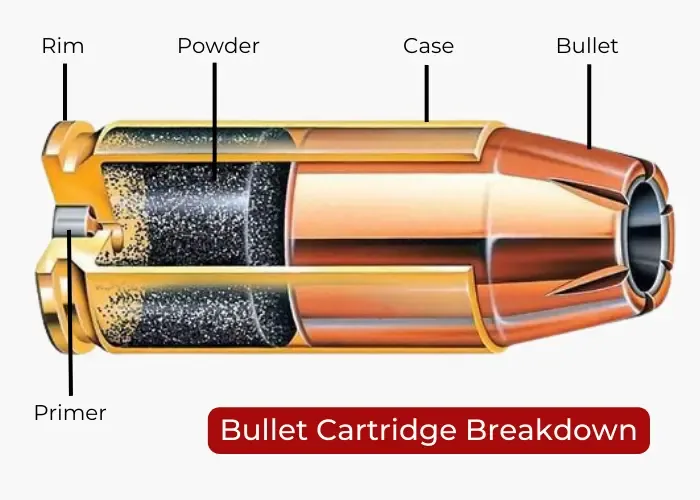
The magic behind frangible ammunition lies in its construction and the physics of impact. Unlike traditional bullets, which are typically made of a solid lead core jacketed in copper or another metal, frangible projectiles are manufactured using a process that creates a porous, easily breakable core. This is usually achieved by mixing fine metallic powders, most commonly copper and tin, or copper and iron, with a binder, such as an epoxy or polymer.
This mixture is then compressed under high pressure and sintered, a process where the particles fuse together at high temperatures without fully melting. The result is a projectile that maintains its shape and integrity during firing but is inherently weaker at the molecular level. When this projectile strikes a hard surface, like steel, concrete, or even certain hard backstops, the force of impact exceeds the binding strength of the materials.
Instead of deforming and bouncing, the projectile shatters into many small, dust-like particles. These fragments have significantly less mass and momentum than a whole bullet, drastically reducing their ability to cause dangerous ricochets or penetrate materials they shouldn't.

Image source: Bing (Web (fair-use with source credit))
This disintegration process is precisely what makes frangible ammunition a preferred choice in environments where safety is paramount. It effectively contains the projectile's energy upon impact, making it behave much more predictably than standard ammunition in these specific scenarios.
Key Features of Frangible Ammunition
When you look at frangible ammunition, you'll notice a few distinct characteristics that set it apart from your everyday rounds. These features are directly responsible for its unique safety profile and performance. Understanding these components and attributes helps clarify why it's chosen for particular applications.
Materials and Construction
The heart of frangible ammunition is its composition. Instead of a solid metal core, these projectiles are typically made from powdered metals. Common materials include copper, tin, iron, and sometimes zinc.
These fine metal powders are mixed with a binder, which is usually a polymer or epoxy. This binder acts like glue, holding the metallic particles together.
The mixture is then compressed into the desired projectile shape and subjected to a process called sintering. Sintering fuses the metal particles together without melting them, creating a solid but brittle structure. This brittle nature is exactly what's needed for the projectile to break apart on impact.
Many frangible rounds are also lead-free, often using copper or other metals as the primary component, which is a significant environmental and health benefit.
Performance Characteristics
The primary performance characteristic of frangible ammunition is its designed-to-disintegrate nature. This means it’s engineered to break apart upon hitting a hard target. This contrasts sharply with conventional ammunition, which might deform, fragment, or ricochet.
Frangible projectiles are also known for their reduced ricochet potential; instead of skipping, they shatter into fine particles, losing most of their dangerous momentum.
Furthermore, many variants are specifically designed for reduced backstop penetration, meaning they won't punch through typical range backstops as easily as standard rounds. However, it's important to note that frangible ammunition generally offers less terminal ballistics performance compared to traditional bullets designed for hunting or self-defense, as its primary function isn't deep penetration or expansion upon soft tissue impact.
Where Frangible Ammo Shines: Ideal Use Cases
Frangible ammunition isn't meant for every single shooting scenario, but where it is appropriate, it offers unparalleled safety benefits. Its unique properties make it the go-to choice for specific environments and training needs. If you’re involved in any of these activities, understanding frangible ammo is key.
Indoor Shooting Ranges
This is perhaps the most common and crucial application for frangible ammunition. Indoor ranges have limited space and often use steel targets or concrete backstops. Traditional bullets impacting these hard surfaces can create dangerous ricochets that can travel back towards the shooter or across the range.
Frangible rounds, by shattering into dust-like particles, dramatically reduce this risk.
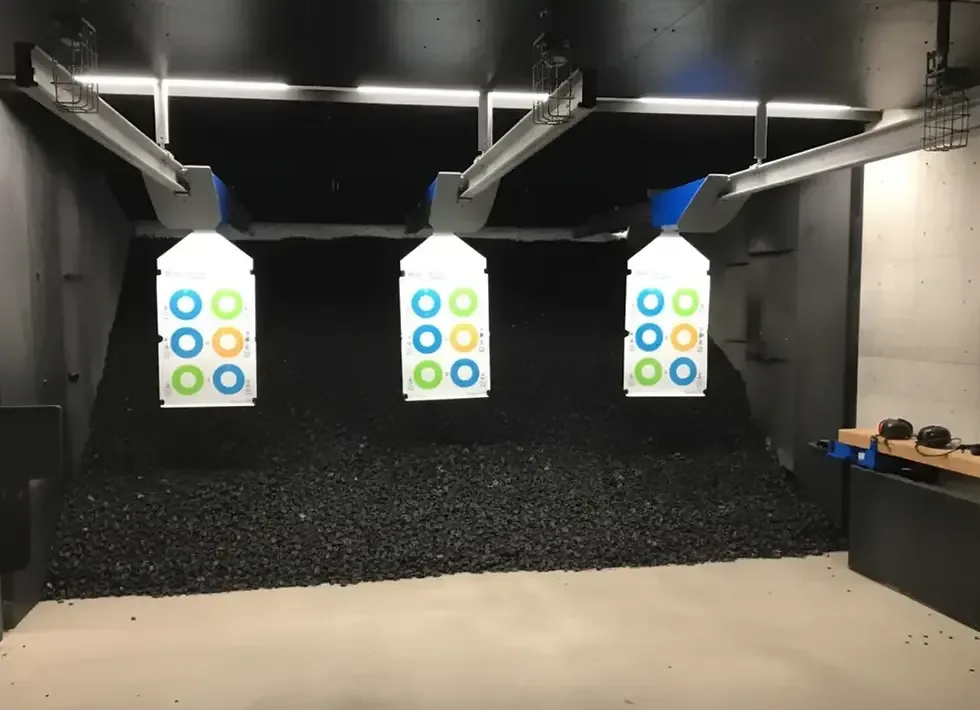
Image source: Bing (Web (fair-use with source credit))
Many indoor ranges now mandate frangible ammunition for pistol and even some rifle calibers precisely because it creates a much safer shooting environment. This allows for consistent training and practice regardless of weather conditions, enhancing overall firearm proficiency.
Law Enforcement and Military Training
For police departments and military units, realistic training is essential. However, training exercises, especially those involving close-quarters simulations or scenarios in confined spaces, can present significant safety challenges. Frangible ammunition provides a critical layer of safety during these demanding drills.
It allows officers and soldiers to engage targets at closer distances without the extreme worry of ricochets off walls, furniture, or training props. This enables more dynamic and realistic practice, preparing personnel for a wider range of situations they might encounter in the field. The reduced risk of unintended over-penetration also makes training facilities safer for instructors and support staff.
Special Environments
Beyond traditional ranges, frangible ammunition finds utility in other specialized settings. For example, if a training exercise needs to be conducted in an area with sensitive surroundings or where the risk of collateral damage must be minimized, frangible rounds are a sensible choice. Their tendency to disintegrate upon impact makes them suitable for scenarios where maintaining the integrity of the target area or preventing secondary hazards is paramount.
This can include certain types of advanced tactical training or even specialized industrial applications where projectile control is critical.
The Trade-Offs: When Frangible Isn't the Best Choice
While frangible ammunition offers significant safety advantages in specific scenarios, it's not a universal replacement for all types of bullets. Understanding its limitations is just as important as knowing its benefits. For certain applications, traditional ammunition may still be the superior or only viable option.
This requires careful consideration of your specific needs.
The primary trade-off with frangible rounds is their terminal ballistics performance. These projectiles are designed to break apart on impact, which means they generally don't penetrate as deeply or expand as effectively as jacketed lead bullets. This can be a major drawback if you're considering frangible ammunition for hunting game or for self-defense purposes where deep tissue penetration and expansion are critical for incapacitation.
Terminal Ballistics Considerations
Terminal ballistics refers to how a projectile behaves after it strikes a target, particularly soft tissue. Frangible rounds are engineered for disintegration on hard surfaces, not for deep penetration or expansion within a soft target. When they hit something like muscle or vital organs, they tend to shatter into small pieces quickly.
This means they may not reliably reach vital organs or cause the desired wound channel necessary for effective stopping power in hunting or defensive situations. While some frangible designs might offer better performance than others, they are generally not recommended for hunting where ethical and humane takedowns are paramount. Similarly, for personal defense, rounds designed for controlled expansion and deep penetration are typically preferred for maximum effectiveness.
Cost and Durability Factors
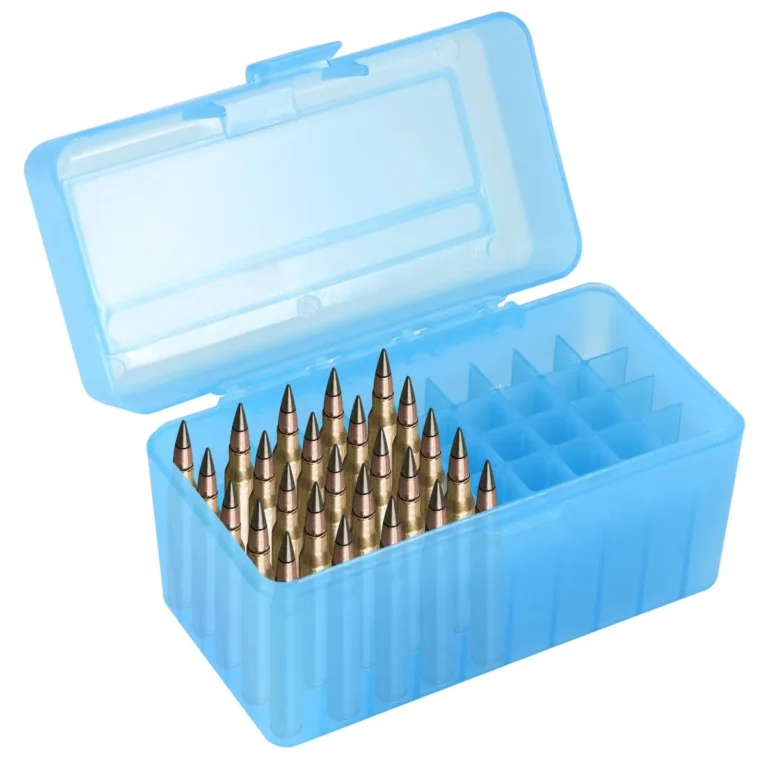
Frangible ammunition often comes with a higher price tag compared to standard, conventional ammunition. The specialized manufacturing processes involving powdered metals, binders, and precise sintering contribute to increased production costs. This can make frequent training with frangible rounds a more significant financial commitment, especially for individuals or organizations that go through large volumes of ammunition.
Additionally, while not always the case, some frangible compositions can potentially lead to increased wear on firearms. The fine metal particles or the binder material, under certain conditions or with prolonged use, might contribute to abrasion in the barrel or chamber. It's always wise to consult your firearm manufacturer's recommendations and the ammunition producer's specifications regarding compatibility and potential effects on firearm longevity.
Safety First: Handling and Using Frangible Rounds Responsibly
Even though frangible ammunition is designed for enhanced safety, it's not a free pass to disregard standard firearm safety protocols. Responsible handling and understanding the nuances of this specialized ammo are still crucial. Always treat frangible rounds with the same respect you would any other ammunition.
Proper storage and handling are fundamental. Keep ammunition in a cool, dry place, away from extreme temperatures and moisture. When loading magazines or your firearm, ensure you are following safe loading and unloading procedures.
Familiarity with your firearm's operation and manual is always the first step.
Range Safety Protocols
When using frangible ammunition at a shooting range, it’s imperative to adhere to all posted range safety rules. These rules are in place to protect everyone present. Pay close attention to any specific instructions regarding ammunition types, especially if the range mandates frangible rounds.
Always keep your firearm pointed in a safe direction, identify your target, and keep your finger off the trigger until you are ready to shoot. Be aware of your surroundings and maintain a safe distance from other shooters. The fact that you're using frangible rounds doesn't negate the need for these fundamental safety practices; it simply adds an extra layer of security against certain types of accidents.
Firearm Wear and Maintenance
As mentioned, some frangible ammunition compositions can potentially lead to increased firearm wear over time. This isn't universal, as many modern frangible rounds are formulated to be safe for most common firearms. However, it's a factor worth considering, especially if you are using frangible ammunition extensively.
Regular cleaning and maintenance of your firearm are essential, regardless of the ammunition type you use. After shooting frangible rounds, pay particular attention to cleaning the barrel and chamber to remove any residue. Checking your firearm's manual for manufacturer recommendations on ammunition compatibility is always a good practice.
If you notice any unusual wear or performance issues, consult with a qualified gunsmith.
Frequently Asked Questions About Frangible Ammunition
What's the main difference between frangible and jacketed lead bullets?
The main difference lies in their construction and how they behave upon impact. Jacket lead bullets have a solid lead core encased in a metal jacket, designed for penetration and expansion. Frangible projectiles are made from powdered metals and binders, engineered to disintegrate into small particles upon hitting a hard surface to reduce ricochet risk.
Can I use frangible ammunition in any firearm?
Generally, yes, frangible ammunition is safe for use in most modern firearms chambered for the appropriate caliber. However, it’s always best to check your firearm manufacturer’s recommendations. Some extremely high-velocity calibers or firearms with very tight tolerances might have specific guidelines, though this is uncommon for typical handgun and common rifle calibers.
Is frangible ammunition truly "lead-free"?
Many frangible ammunition options are marketed as lead-free. These typically use copper, tin, or iron as their primary metallic components. However, it's important to read the product packaging carefully, as not all frangible ammunition is necessarily lead-free.
Some designs might still incorporate lead for specific performance characteristics, though this is less common for typical range use.
Does frangible ammo cause more barrel wear?
While some formulations or heavy use might contribute to wear, most modern frangible ammunition is designed to be safe for standard firearms. The primary concern is the metallic powder composition. Consistent cleaning and adherence to manufacturer guidelines will help mitigate any potential for accelerated wear, ensuring your firearm remains in good condition.
Deciding if Frangible Ammo is Right for You
Ultimately, the decision to use frangible ammunition comes down to your specific shooting environment and goals. If your primary concern is maximizing safety on an indoor range, during law enforcement or military training, or in other situations where reducing ricochet and penetration is paramount, then frangible rounds are an excellent choice. Their ability to disintegrate upon impact offers a significant safety advantage.
However, if your needs lean towards hunting, where deep tissue penetration and expansion are critical for ethical takedowns, or for self-defense where maximum stopping power is required, traditional ammunition designs might be more suitable. Consider the cost, potential for increased firearm wear (though often minimal with modern formulations), and the specific performance characteristics needed for your intended application. Always consult manufacturer specifications and prioritize safety in your decision-making process.