Can Ammunition Get Too Hot?
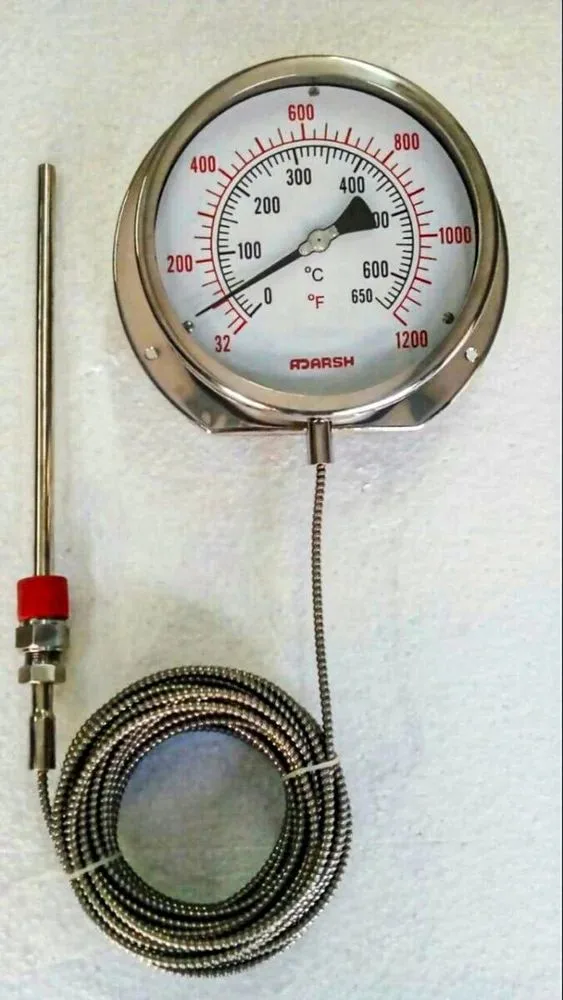
Image source: Bing (Web (fair-use with source credit))
Does Ammunition Really Get "Too Hot"? Understanding the Risks
You've probably wondered, especially when stowing gear in a hot car or a stuffy garage, "Can ammunition get too hot?" It's a valid concern, as extreme temperatures can impact more than just your comfort. Improperly stored ammunition can degrade, affecting its performance and, more critically, its safety during use.
Ensuring your ammunition remains reliable means understanding its limits. While not as fragile as some might think, prolonged exposure to excessive heat can lead to chemical changes in the propellant. For instance, manufacturer specifications often recommend storage below 80°F (27°C) to maintain optimal performance and safety for many common cartridge types.
Quick Answer: What Happens When Ammo Gets Hot?
Yes, ammunition can get too hot, leading to reduced reliability and potential safety hazards. Extreme heat causes the propellant (gunpowder) to degrade, affecting its burn rate and pressure generation. This can result in misfires, reduced velocity, and in worst-case scenarios, dangerous pressure spikes when fired.
As of 2026, maintaining ammunition within recommended temperature ranges, typically below 80°F (27°C), is crucial for consistent performance and safe handling.
Core Facts: How Heat Affects Ammunition Components
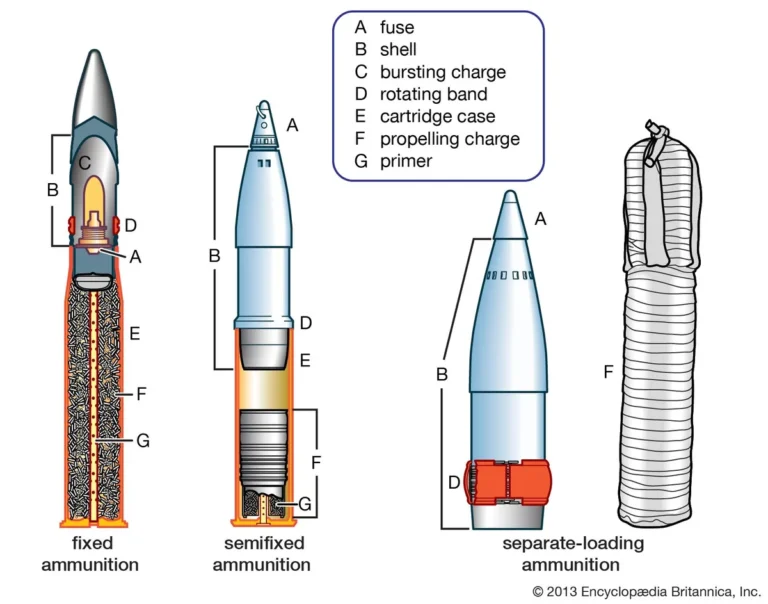
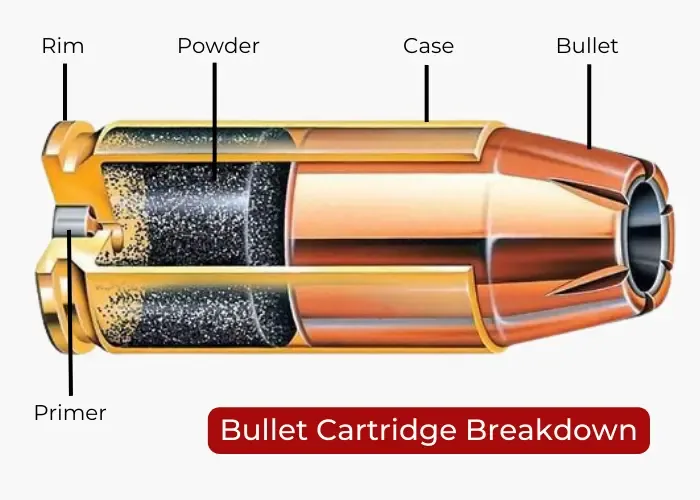
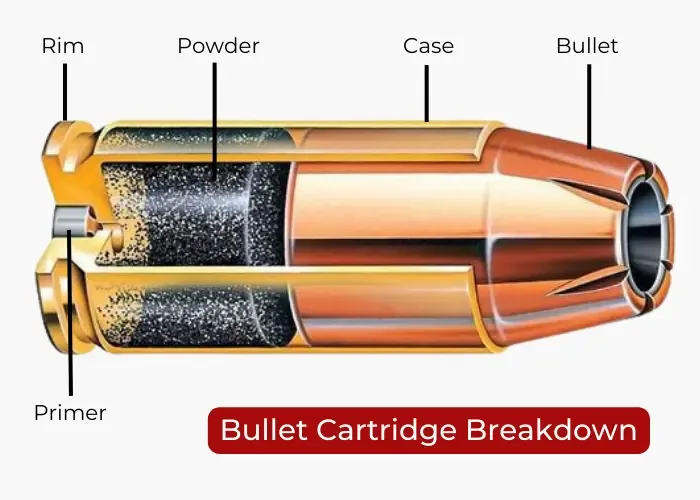
Ammunition is a complex assembly designed for a specific performance envelope. When we talk about "getting too hot," we're primarily concerned with how elevated temperatures affect the chemical stability of the gunpowder, also known as the propellant. The propellant is the energetic material that, when ignited, produces rapidly expanding gases to propel the bullet.
Several components can be affected:
- Propellant: This is the most sensitive element. Gunpowders are chemical compounds that can break down over time, especially under thermal stress. Heat accelerates this degradation process. As the propellant breaks down, its chemical structure changes, which can alter its burn characteristics. This means it might burn faster or slower than intended, leading to inconsistent pressure.
- Primer: The primer contains a small amount of a shock-sensitive compound that ignites when struck by the firing pin. While generally robust, extreme heat can potentially affect the stability of this compound, although it's typically less sensitive to heat than the main propellant charge.
- Bullet and Casing: The lead bullet and brass casing are more resilient. However, extreme temperatures can cause minor expansion or contraction, though this is usually temporary and doesn't permanently damage the components in typical scenarios. The primary concern remains the propellant and primer.
The key takeaway is that heat accelerates chemical reactions, and for ammunition, these reactions can compromise its intended function and safety.
Risk Factors: When Heat Becomes a Serious Problem
While ammunition is designed to withstand a range of conditions, certain factors significantly increase the risk of heat-related degradation. Understanding these can help you avoid potentially dangerous situations. The most common culprits involve prolonged exposure to high ambient temperatures, direct sunlight, and poor ventilation.
Here’s a breakdown of key risk factors:
- Sustained High Temperatures: Ammunition stored continuously in environments that regularly exceed 80°F (27°C), and especially those pushing into the 100°F+ (38°C+) range, is at higher risk. This includes uninsulated attics, sheds, garages, or even the interior of a vehicle on a hot day.
- Direct Sunlight: Placing ammunition in direct sunlight, even for short periods, can cause rapid temperature increases within its packaging. The dark color of some casings or packaging can absorb more solar radiation, further exacerbating the problem.
- Poor Ventilation: Ammo stored in sealed containers without airflow in a hot environment can trap heat. This creates a microclimate where temperatures can climb significantly higher than the surrounding ambient temperature.
- Ammunition Age: Older ammunition may already be undergoing natural degradation processes. Adding thermal stress on top of this can accelerate the breakdown of the propellant and primers, making them more susceptible to failure.
- Type of Propellant: Different gunpowder formulations have varying sensitivities to temperature. Some modern propellants are engineered for greater stability across a wider temperature range, but even these have limits.
The danger isn't just about a fizzled round; it's about unpredictable pressure. An overheated propellant might ignite more fiercely, generating pressures beyond what the firearm is designed to handle, potentially causing catastrophic failure and serious injury.
Safe Ammunition Storage: Protecting Your Supply from Heat Damage
The best defense against heat-related ammunition issues is proper storage. Following best practices ensures your rounds remain reliable and safe for years to come. It’s about creating a stable, controlled environment that minimizes thermal stress on the chemical components.
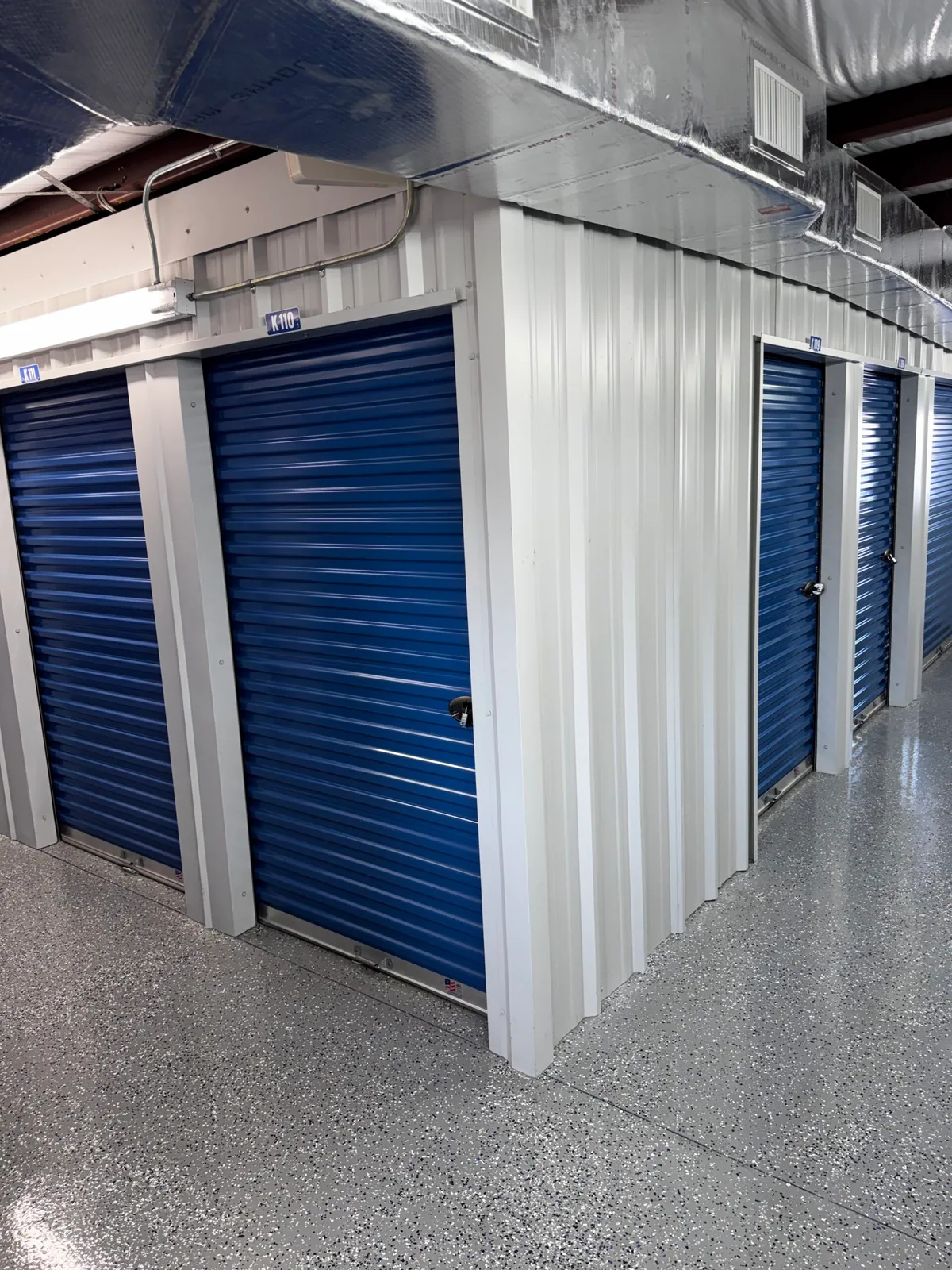
Here’s how to store your ammunition safely:
- Choose a Cool Location: Aim for a consistent temperature, ideally between 50°F and 70°F (10°C to 21°C). Avoid places that experience drastic temperature fluctuations. Basements or climate-controlled storage units are often excellent choices.
- Keep it Dry: Humidity is ammunition’s other major enemy. Store ammunition in a dry environment to prevent corrosion of casings and degradation of primers and powder. Use desiccants (moisture-absorbing packets) if necessary, especially in humid climates.
- Avoid Direct Sunlight and Heat Sources: Never store ammunition where it will be exposed to direct sunlight or placed near heat-generating appliances like furnaces or water heaters.
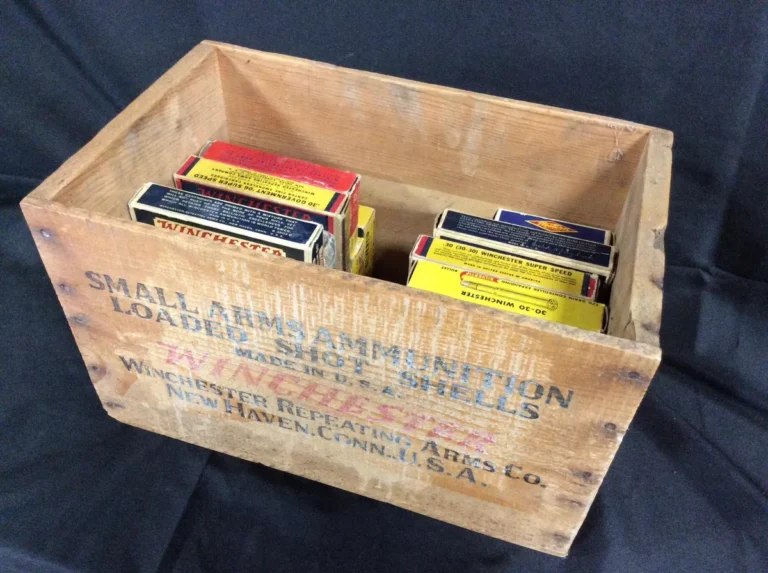
- Use Original Packaging: The original boxes and packaging are designed to protect ammunition from minor impacts and environmental factors. They also help keep related rounds together.
- Consider Airtight Containers: For long-term storage, especially in areas prone to humidity or pests, consider using sturdy, airtight plastic or metal containers. These offer an additional layer of protection.
- Ventilation Matters: If storing in a container, ensure there's some minimal airflow if possible, or periodically open the container to allow air exchange, unless it's a sealed, long-term storage solution designed to maintain a stable internal environment.
By actively managing where and how you store your ammunition, you significantly extend its lifespan and ensure its readiness for when you need it most.
When to Question Your Ammunition: Signs of Heat Exposure
Spotting ammunition that has been compromised by heat often comes down to visual inspection and understanding expected performance. While some damage might not be immediately obvious, there are several tell-tale signs that suggest your rounds may have suffered from excessive heat exposure and should be handled with caution, or potentially retired.
Here's what to look for:
- Bulging or Swollen Casings: Extreme heat can increase internal pressure within the cartridge. In some cases, this can cause the brass casing to bulge or swell, particularly near the base or the mouth of the casing. This is a serious sign of distress.
- Corrosion or Discoloration: While moisture causes corrosion, prolonged heat can also accelerate chemical reactions that lead to unusual discoloration of the brass casing, or even the bullet itself. Look for chalky white or greenish-blue residues, which are common signs of degradation.
- Cracked or Damaged Primers: Primers might appear to be slightly recessed or, in severe cases, show signs of cracking or damage. This can indicate the primer compound has been compromised by heat.
- Powder Leaking: If you notice any powder granules leaking from the casing mouth or anywhere else on the cartridge, it's a strong indicator of damage and potential degradation. This is particularly concerning as it suggests the seal has been broken.
- Inconsistent Performance: The most functional "sign" is how the ammunition performs when fired. If you experience misfires (duds), significantly reduced velocity (leading to poor accuracy or insufficient energy), or unexpectedly high recoil and muzzle flash, heat exposure could be the culprit.
If you observe any of these signs, it’s best to err on the side of caution. Do not use ammunition that shows obvious signs of heat damage or has performed erratically. Consult local regulations and a qualified professional for advice on safe disposal.
Expert Tips: Storing Ammo for Longevity and Safety
Maximizing the lifespan and reliability of your ammunition involves more than just tossing it in a closet. Our research indicates that paying attention to a few key details can make a significant difference in preserving your supply. The goal is to create an environment that keeps the propellant and primer stable, preventing premature degradation.
Here are some expert tips to keep your ammunition in top condition:
- Control Humidity First: While heat is a concern, consistent humidity levels between 40-50% are often more critical for long-term storage. Use dehumidifiers or silica gel packs in your storage containers to manage moisture.
- Think About Temperature Stability: It's not just about the peak temperature, but how much it fluctuates. A location that stays consistently at 70°F (21°C) is better than one that swings from 40°F (4°C) to 90°F (32°C) daily.
- Store Ammo Vertically (if possible): For most cartridge types, storing them upright in their original boxes helps maintain alignment and prevents undue stress on the casing and bullet seating.
- Rotate Your Stock: Practice a "first-in, first-out" (FIFO) approach. Use older ammunition before newer stock. This ensures you're cycling through rounds that have been stored the longest, and it helps you identify any potential issues proactively.
- Inspect Periodically: Don't just store and forget. Every six months to a year, take a few minutes to visually inspect your stored ammunition. Look for any of the signs of degradation mentioned earlier.
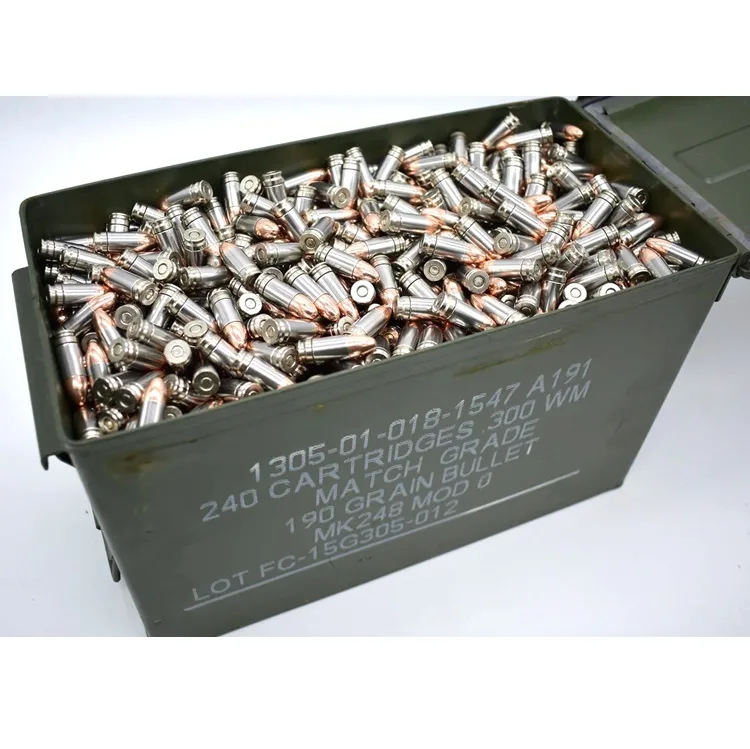
- Consider Ammo Cans: Military-style ammo cans, often made of steel or robust plastic, provide excellent protection against moisture, dust, and minor impacts. They seal well and can be an effective long-term storage solution when combined with desiccants.
- Know Your Propellant Type: Some newer propellants are formulated for greater temperature stability, but even these have limits. While specific propellant data is proprietary, generally, avoiding extreme heat is always the safest bet for any ammunition.
By incorporating these practices, you're not just storing bullets; you're safeguarding a critical component of your preparedness and recreational shooting needs.