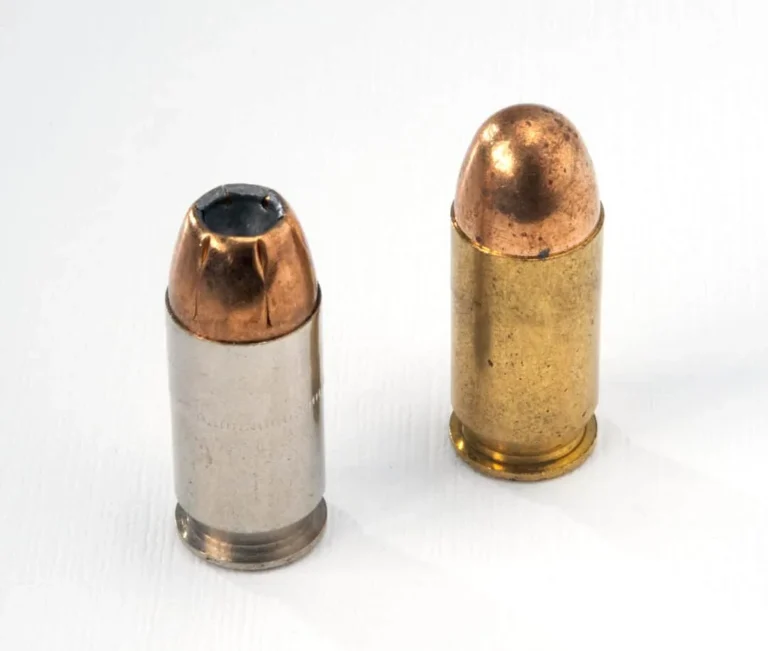
Can Ammunition Be Frozen?
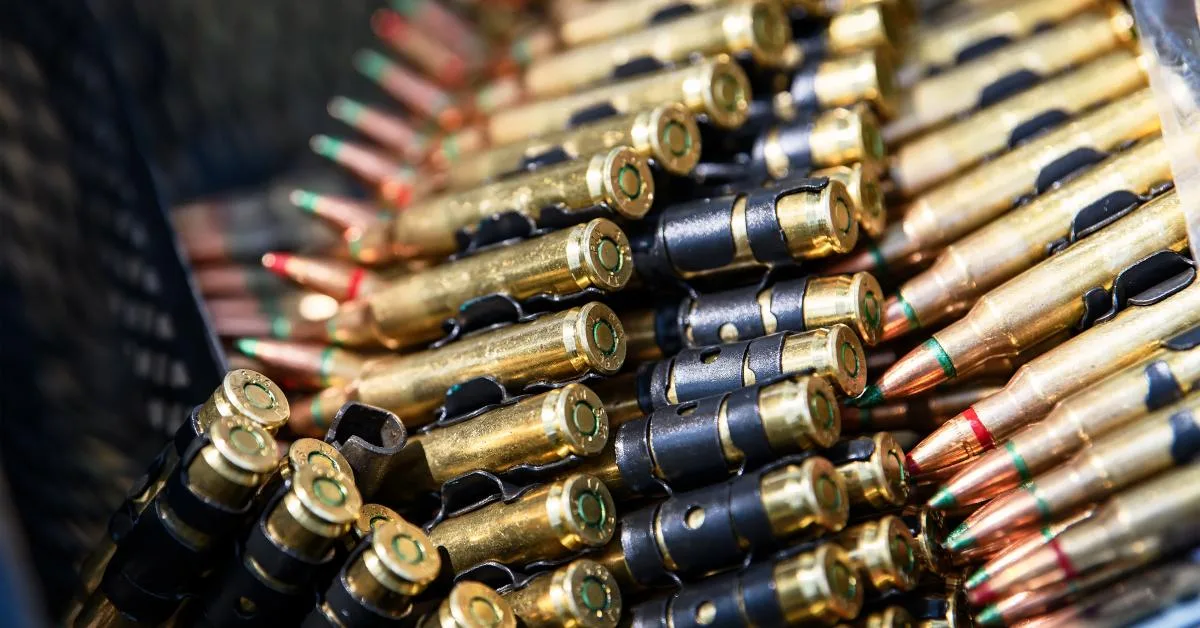
Image source: Bing (Web (fair-use with source credit))
So, you're wondering if you can freeze your ammunition, right? It's a question that pops up when people think about long-term storage or dealing with really hot or cold climates. While it might seem like a good idea to stash bullets in the freezer to keep them "preserved," the reality is a bit more nuanced.
We've looked at what happens when ammo encounters sub-zero temperatures and found that while it's not likely to cause an explosion, it's generally not the best storage method. Manufacturer specifications indicate that most modern ammunition is designed to withstand a wide range of temperatures, but extreme cold followed by rapid warming introduces risks.
Quick Answer: Freezing Isn't Recommended, Here's Why
Freezing ammunition is not recommended for optimal preservation. While most modern ammunition components are designed for temperature stability, extreme cold can lead to condensation. This moisture can degrade primers and powder.
Proper storage in cool, dry conditions is preferred.
How Cold Affects Your Ammunition Components
When we talk about ammunition, we're really talking about a precise system of components working together. Each part can react differently to extreme cold, and understanding these reactions is key to proper storage. The primary concern isn't usually the freezing itself making the ammo unstable, but rather the conditions that cold can create or exacerbate.
Manufacturer specifications for smokeless powders and primers typically detail acceptable operating and storage temperature ranges. For instance, many powders are rated for use and storage between -30°F (-34°C) and 150°F (66°C), but this doesn't mean freezing is beneficial.
The Primer's Role in Ignition
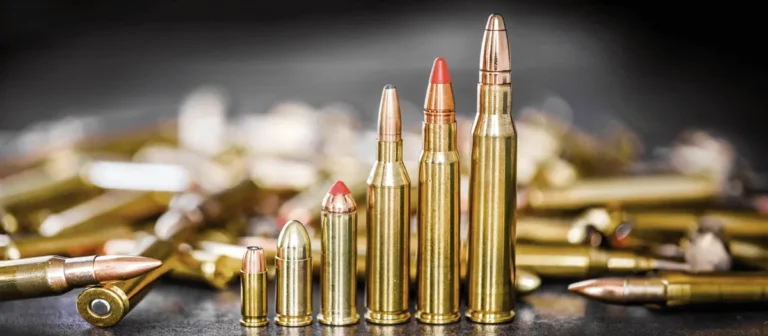
The primer is the tiny but critical component at the base of the cartridge that initiates firing. It contains a small amount of highly sensitive explosive material. When struck by the firing pin, this material detonates, creating a flame that ignites the main propellant charge.
Moisture is the primer's worst enemy; it can render the sensitive compounds inert. While freezing doesn't inherently destroy the primer, if any moisture is present, it can freeze, and then when the temperature rises and condensation occurs, that moisture can seep in and cause long-term damage or immediate failure to ignite.
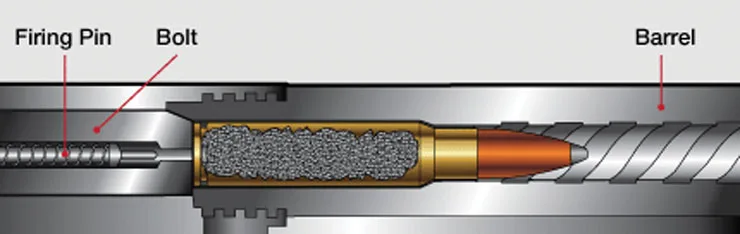
Image source: Bing (Web (fair-use with source credit))
Powder Stability in Extreme Cold
The gunpowder, or propellant, is what generates the gas to push the bullet down the barrel. Modern smokeless powders are formulated for consistent burn rates across a wide temperature range. According to standards set by organizations like the Sporting Arms and Ammunition Manufacturers' Institute (SAAMI), temperature fluctuations can affect burn rates, but designed-for-purpose ammunition typically remains safe and functional within reasonable operational temperatures.
Extremely cold temperatures could theoretically slow down the burn rate slightly, but this is unlikely to be a significant or dangerous factor for typical ammunition in most freezing scenarios. The more pressing concern is if the powder itself becomes damp.
Casing Materials and Temperature
Ammunition casings are usually made of brass, though steel and aluminum are also used. Brass is a relatively durable metal, but like all materials, it can change properties with temperature. In extreme cold, metals can become more brittle.
While it's unlikely that a brass casing will simply shatter from being frozen, repeated cycles of extreme cold and warmth can introduce stresses. More practically, if moisture is present and freezes within the casing or around the primer pocket, it could lead to minor expansion that might affect the seal or seating of components upon firing.
The Real Risk: Condensation and Moisture Contamination
The most significant danger when it comes to freezing ammunition isn't the cold itself, but the humidity and condensation that often accompany temperature changes. This is a critical point that many overlook when considering putting their rounds in the freezer. Moisture is detrimental to the chemical components of ammunition, particularly the primer and the powder.
How Condensation Forms on Ammo
Condensation happens when warm, moist air comes into contact with a cold surface. Think about a cold can of soda on a humid summer day, beads of water form on the outside. The same principle applies to ammunition.
If you take rounds stored in a freezing environment (like a freezer) and bring them into a warmer, more humid room, the cold metal of the casing and bullet will cause the moisture in the air to condense onto their surfaces. This creates a thin layer of water.
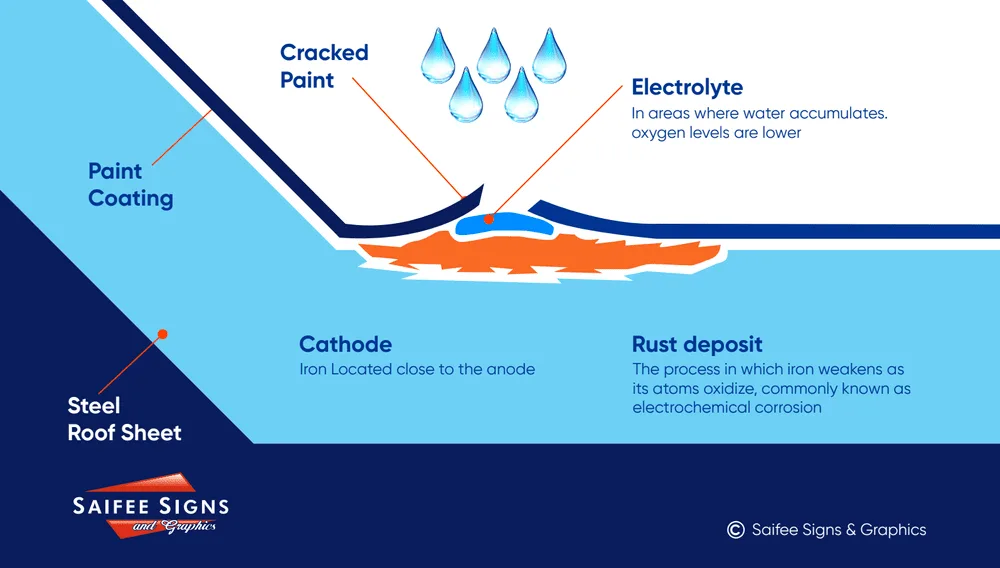
Image source: Bing (Web (fair-use with source credit))
Moisture's Impact on Primers and Powder
This surface moisture can be problematic. If it seeps into the small gaps in the ammunition components, it can contaminate the primer compound or the propellant. Moisture can degrade the sensitive chemicals in primers, making them less likely to ignite or causing a complete misfire.
Similarly, damp powder can burn inconsistently or fail to ignite altogether. While modern ammunition is designed with some resistance to environmental factors, prolonged or repeated exposure to moisture introduced through condensation can compromise its reliability and safety. This is why keeping ammunition in a dry environment, protected from humidity, is paramount for long-term storage.
Why Freezing Ammunition Isn't the Best Storage Choice
Based on the risks of condensation and potential degradation, freezing ammunition is generally not considered an optimal or recommended storage practice. While a single instance of freezing might not ruin a batch of cartridges, the potential for cumulative damage and performance issues makes it a practice to avoid for anyone who relies on their ammunition for accuracy, safety, or defense. The effort involved in temperature acclimatization and the inherent risk of moisture intrusion outweigh any perceived benefits.
Potential for Inconsistent Performance
When ammunition is subjected to extreme cold and then allowed to warm up, it can lead to subtle changes in its performance characteristics. Even if a round fires, the burn rate of the powder might be slightly altered. This could result in variations in muzzle velocity, affecting accuracy and consistency.
For applications where precision is crucial, such as competitive shooting or hunting, any factor that introduces inconsistency is undesirable. While SAAMI standards provide guidelines for temperature resistance, these are often within operational parameters, not necessarily ideal long-term storage conditions.
Practical Hassles of Temperature Cycling
Taking ammunition from a freezer into a warmer environment requires careful handling to mitigate condensation. This means allowing the ammunition to slowly reach room temperature before it can be safely handled or used. This process can take several hours, depending on the quantity and the temperature difference.
If you needed to access your ammunition quickly, having it stored in a frozen state would be a significant inconvenience. Furthermore, ensuring it dries completely without moisture penetrating the components is a difficult task.
Safer Ammunition Storage Practices That Work
Forget the freezer; there are tried-and-true methods for storing ammunition that ensure its longevity and reliability without introducing unnecessary risks. The focus should always be on maintaining a stable environment that protects the delicate components from moisture and extreme temperature swings. These practices are endorsed by manufacturers and firearm experts alike for preserving ammunition performance over many years.
The "Cool, Dry, and Stable" Principle
This is the golden rule of ammunition storage. "Cool" means avoiding excessively hot environments like attics, direct sunlight, or inside a car during summer. "Dry" is paramount, moisture is the primary enemy.
Aim for a location with low humidity. "Stable" means avoiding drastic temperature fluctuations, which can stress components and contribute to condensation issues. A climate-controlled indoor space, like a closet or a dedicated safe, is ideal.
For example, keeping ammunition within a temperature range of 50°F to 85°F (10°C to 30°C) with low humidity is generally considered excellent storage.
Using Airtight Containers and Desiccants
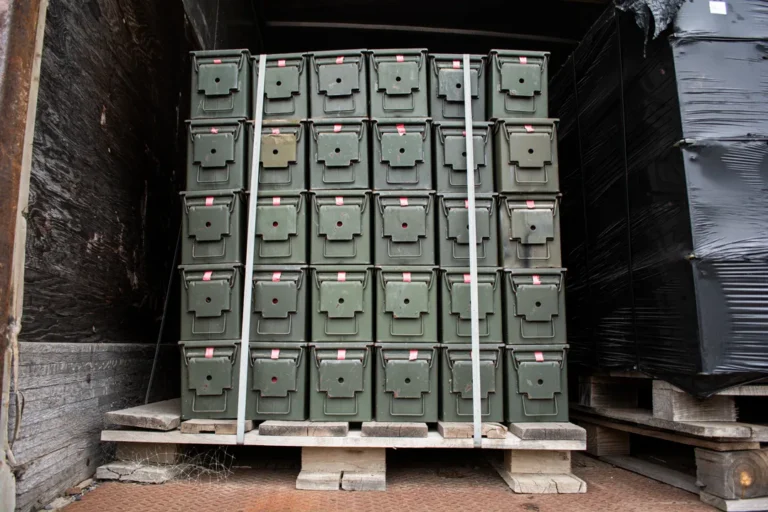
To achieve that "dry" environment, investing in airtight ammunition storage containers is highly recommended. These are typically sturdy metal cans with rubber gaskets that seal out moisture and air. Pairing these with desiccant packs (like silica gel) is an excellent strategy.
These small packs absorb any residual moisture within the container, further ensuring the dryness of your ammunition. You can easily find these packs online or sometimes even reuse ones from packaging of new products.
Avoiding Common Storage Mistakes
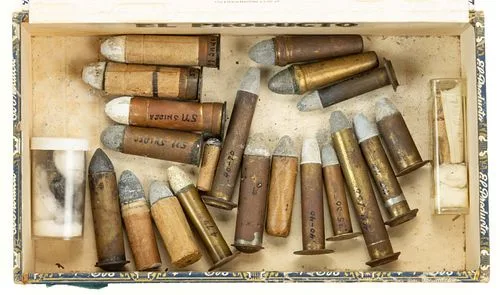
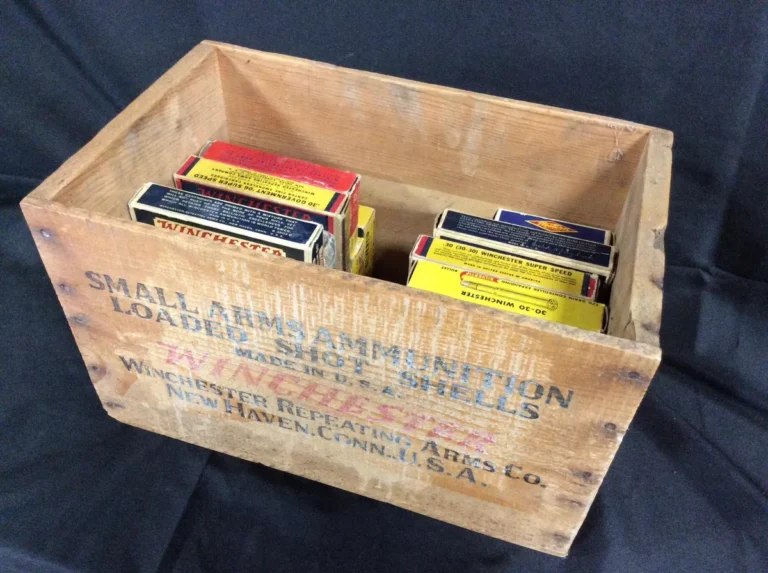
Several common errors can compromise ammunition storage. Storing ammunition in its original cardboard packaging long-term isn't ideal; these boxes offer little protection against moisture and can degrade over time. Also, avoid storing ammunition directly on concrete floors, as they can wick moisture from the ground.
Never store ammunition in the same location as cleaning solvents or lubricants, as their fumes can damage components. Finally, don't forget to periodically inspect your stored ammunition for any signs of corrosion, swelling, or discoloration.
Frequently Asked Questions About Ammo and Cold
Can extreme cold make ammo explode?
No, extreme cold itself will not cause ammunition to explode. The risk comes from potential degradation of components due to moisture that can form when cold ammo is brought into warmer environments.
How long does ammunition last in cold storage?
Ammunition stored in consistently cool, dry conditions can last for decades, often 20 years or more, without significant degradation. However, fluctuating temperatures and moisture exposure will shorten its lifespan considerably.
Is it safe to fire ammo that has been in the freezer?
It can be safe, but it's not ideal and requires caution. The primary concern is misfires. You must allow the ammo to fully acclimate to room temperature to prevent condensation.
Inspect it carefully for any signs of damage or corrosion before attempting to fire.
Should I dry my ammo if it gets wet from condensation?
Yes, if your ammunition becomes wet from condensation, it needs to be dried thoroughly. Allow it to air dry in a warm, dry place for an extended period. However, any primer or powder contamination may already have occurred, impacting reliability.
Does temperature affect bullet accuracy?
Extreme temperature changes can subtly affect powder burn rates, which in turn can influence muzzle velocity and accuracy. While modern ammunition is designed to be stable, consistent temperatures provide the most reliable performance.
Expert Verdict: Keep Your Ammo Out of the Freezer
The consensus from research and manufacturer guidelines is clear: while ammunition is robust, storing it in freezing temperatures introduces unnecessary risks. The primary danger isn't from the cold itself, but from the moisture that can condense on components when the temperature changes. This moisture can lead to primer failures, inconsistent powder burn, and general degradation of the ammunition's reliability over time.
Instead of risking your ammunition's performance and potentially compromising safety, stick to proven storage methods. A cool, dry, and stable environment, combined with airtight containers and desiccant packs, will ensure your ammunition remains in optimal condition for many years. Proper storage is a fundamental aspect of firearm ownership, ensuring that when you need your ammunition, it performs as expected.