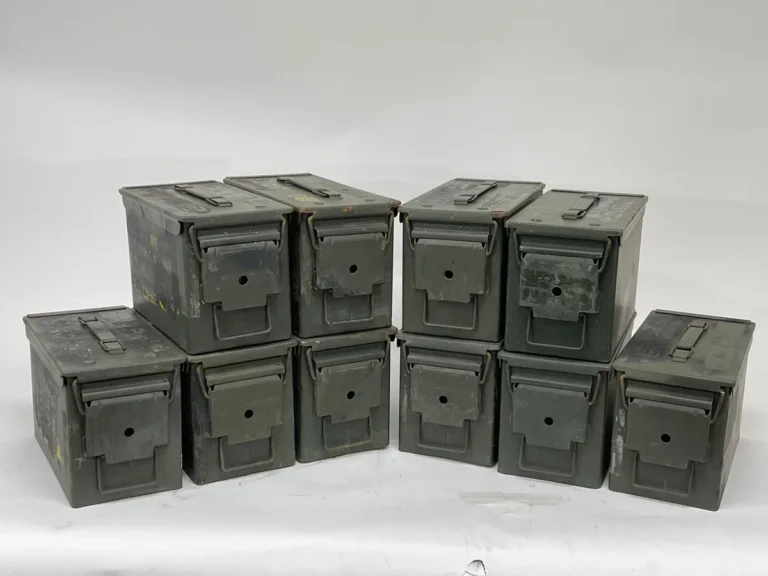
Why Are Ammo Lot Numbers Important?
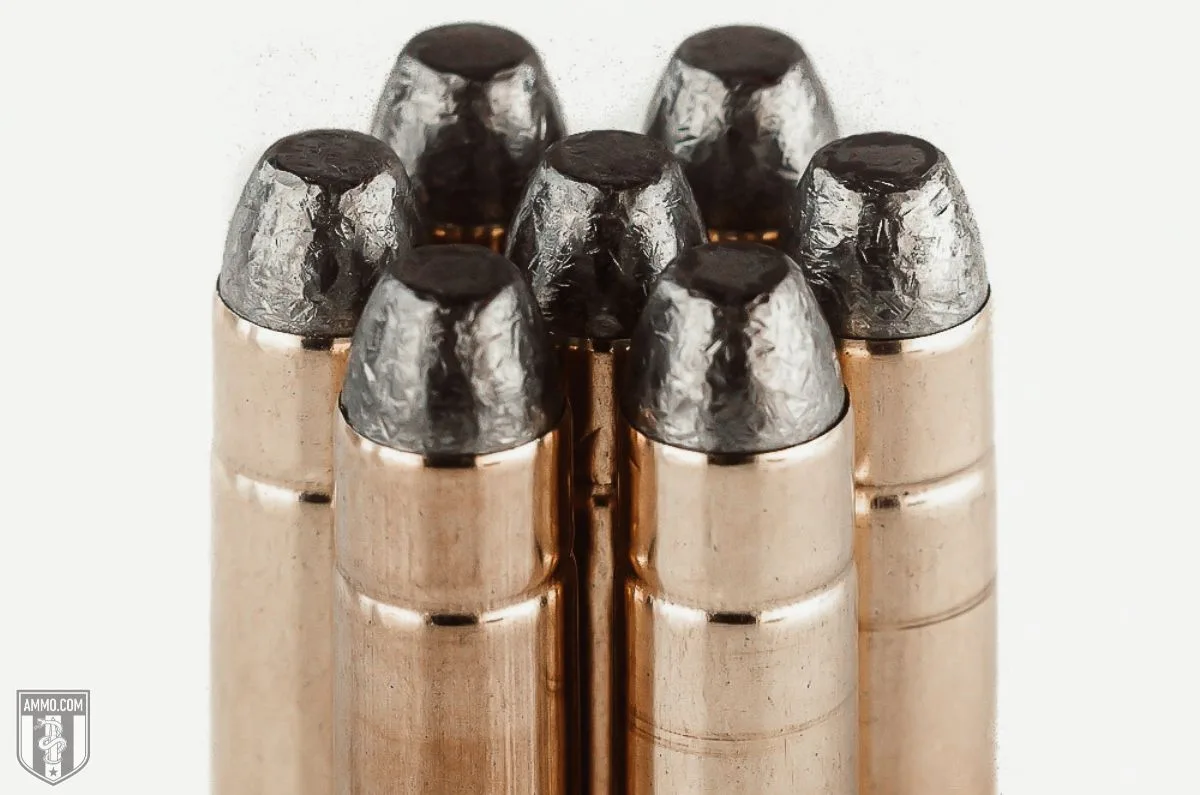
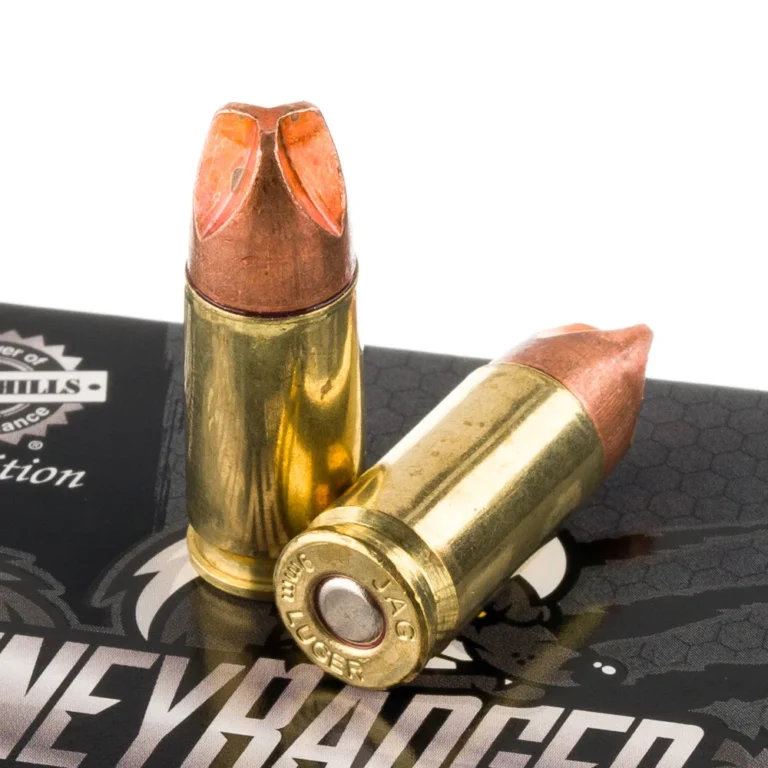
Image source: Bing (Web (fair-use with source credit))
Why Ammo Lot Numbers Matter for Your Safety
You’ve probably seen them printed on your ammunition boxes, those alphanumeric codes known as lot numbers. For most shooters, they’re just part of the packaging. But understanding why are ammo lot numbers important is key to responsible firearm ownership and can be crucial for your safety.
They're far more than just decorative markings; they're a direct link to the manufacturing process.
These codes are fundamental for manufacturers to track specific production runs. Per industry standards, each lot number corresponds to a defined batch of components and manufacturing conditions, ensuring accountability. This traceability is critical, especially when potential issues arise, and knowing about these numbers can save you a lot of trouble down the line.
Quick Answer
Ammo lot numbers are important because they enable manufacturers to track specific production batches for quality control and safety. If a defect or safety hazard is discovered, the lot number allows for precise identification and recall of affected ammunition, preventing potential harm to users and firearms. They are essential for ensuring consistent product quality and managing risks in the ammunition supply chain.
Core Explanation: How Lot Numbers Track Ammo Production
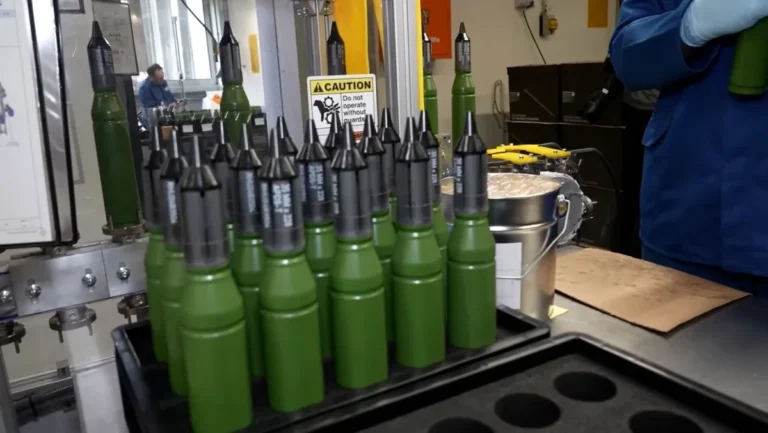
Think of an ammo lot number as a unique identifier for a specific group of cartridges that came off the production line together. When a manufacturer produces ammunition, they don't make just a handful of rounds; they create thousands, sometimes millions, in a continuous run. Each run uses specific components, primers, powder, casings, and bullets, that might vary slightly between different production periods.
The lot number is assigned to this entire production batch. This allows the manufacturer to record precisely which materials were used, which machinery operated, and under what specific environmental conditions the ammunition was made. This detailed record-keeping is vital for maintaining consistency and for quickly pinpointing the source of any issues.

Image source: Bing (Web (fair-use with source credit))
Essentially, it’s a digital fingerprint for a particular set of ammunition. If you buy a box of 9mm, all the rounds in that box from the same production run will share the same lot number. This meticulous tracking is a cornerstone of quality assurance in the ammunition industry, much like how individual vehicle identification numbers (VINs) track cars.
Safety & Quality: The Double Benefit of Lot Numbers
The primary importance of ammo lot numbers boils down to two interconnected benefits: ensuring product quality and, crucially, guaranteeing user safety. Manufacturers rely on these numbers to uphold rigorous standards and to act swiftly if anything deviates from the norm.
Understanding Potential Ammo Defects
Ammunition manufacturing involves precise chemical and mechanical processes. Even minor variations in powder composition, primer seating depth, or casing tolerances can lead to performance issues. These might range from simple feeding failures to more serious problems like over-pressure events.
When shooters encounter such issues, the lot number becomes the first point of investigation. By checking the lot number on the problematic ammunition, manufacturers can correlate it with their production records. This helps them identify if the defect is isolated to that specific batch or if it's a broader problem affecting multiple lots.
Without this specific identifier, diagnosing and fixing recurring defects would be significantly more challenging.
How Lot Numbers Enable Effective Recalls
This is arguably the most critical function of an ammo lot number. If a manufacturer discovers a significant defect that poses a safety risk, such as ammunition that could cause excessive pressure, potentially damaging a firearm, or primers that fail to ignite consistently, they need a way to remove that specific ammunition from circulation.
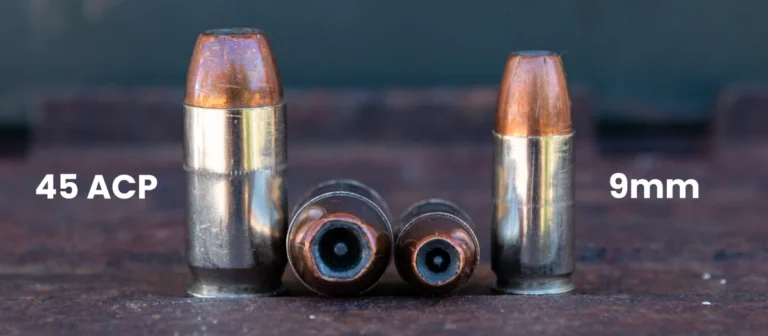
Image source: Bing (Web (fair-use with source credit))
The lot number provides the exact information needed to execute a targeted recall. Manufacturers can publicly announce the specific lot numbers involved, instructing consumers to check their ammunition and return any affected boxes. This proactive measure is vital for preventing accidents and protecting both shooters and their firearms.
For instance, a recall might be issued for a specific lot of .223 Remington due to a manufacturing error affecting primer stability.
When You'll Actually Need Your Lot Number
For many shooters, the lot number remains an obscure detail on the box, rarely consulted. However, there are specific circumstances where knowing and referencing your ammunition's lot number becomes very important, primarily relating to safety and product performance.
Responding to Manufacturer Recalls
The most common and critical reason to pay attention to lot numbers is in the event of a manufacturer recall. Companies periodically issue recalls when they identify a problem with a specific production run that could compromise safety or performance. These recalls are typically communicated through the manufacturer's website, industry publications, or direct customer notifications if contact information is available.
If a recall is announced, the first step is always to identify the lot number on your ammunition. Compare this number to the one specified in the recall notice. If they match, you should immediately cease using that ammunition.
Manufacturers will usually provide instructions on how to return the recalled product for a refund or replacement. This process, as of 2026, relies heavily on consumers being able to accurately report their lot numbers.
Reporting Unusual Ammo Performance
Beyond official recalls, you might encounter performance issues with a particular batch of ammunition. If you experience consistent malfunctions, such as failures to feed, eject, or ignite, across multiple rounds from the same box, it’s worth noting the lot number. While a single dud might be an anomaly, a pattern of problems suggests a potential manufacturing defect.
Reporting these issues to the ammunition manufacturer, along with the lot number, provides them with valuable feedback. This data helps them monitor quality control and identify potential trends that might not yet warrant a full recall but still need investigation. Providing specific details like the lot number, firearm used, and the nature of the malfunction aids their technical teams significantly.
Mistakes to Avoid with Ammo Lot Numbers
While the concept of ammo lot numbers is straightforward, there are a few common missteps that can diminish their value or even lead to problems. Being aware of these can help you use them effectively for your safety and peace of mind.
- Ignoring Lot Numbers Entirely: The biggest mistake is simply never looking at them. If a recall is issued, you won't know if your ammunition is affected. Make it a habit to glance at the lot number when you purchase ammunition and store it somewhere accessible, perhaps noting it in a logbook or on your inventory list.
- Misreading or Misrecording: Lot numbers can sometimes be small, stamped faintly, or in a complex format. Accidentally misreading or misrecording a lot number means you won't be able to respond correctly to a recall or accurately report issues. Always double-check the number against the box.
- Assuming All Ammo is Identical: While manufacturers strive for consistency, variations can occur between lot numbers, even within the same product line. Relying on the assumption that every round from a brand will perform identically, without considering lot-specific performance, can lead to surprises, especially in precision shooting applications.
- Discarding Packaging Prematurely: The lot number is usually printed on the ammunition box. If you discard the box after using only a few rounds, you lose the reference point for the remaining ammunition, especially if you store rounds loose in magazines or other containers. Keep the original packaging until the ammunition is fully expended.
Verified Summary: Trusting Your Ammo
Ammo lot numbers are indispensable for ensuring the safety and quality of ammunition. They serve as a direct link from the finished product back to the specific manufacturing process, allowing for precise tracking of components, machinery, and environmental conditions. This traceability is not just about quality control; it's a fundamental safety mechanism.
In situations where a defect is identified that could pose a risk to users or firearms, the lot number enables manufacturers to conduct targeted recalls, removing potentially dangerous ammunition from circulation efficiently. By understanding where to find these numbers and why they matter, you empower yourself to be a more informed and safer firearm owner. Always keep your lot numbers accessible, especially when purchasing new ammunition.
FAQs About Ammo Lot Numbers
Where can I find the lot number on my ammunition?
Lot numbers are typically printed or stamped directly onto the ammunition box. You may need to look closely at the sides or ends of the box, as the print can sometimes be small or faint.
Do all manufacturers use lot numbers?
Yes, virtually all reputable ammunition manufacturers use lot numbers as a standard part of their quality control and traceability processes. It's a universally accepted practice in the industry.
What should I do if my ammo lot is part of a recall?
If your ammunition's lot number matches a recalled batch, you should immediately stop using it. Follow the instructions provided by the manufacturer for returning the ammunition for a refund or replacement. Do not attempt to use or modify recalled ammunition.
How do I report a problem with my ammunition?
To report a problem, gather the lot number from the ammunition box, note the specific issue you're experiencing, and contact the ammunition manufacturer directly through their customer service channels. Providing detailed information will help them investigate.