What Is Bullet Weight?
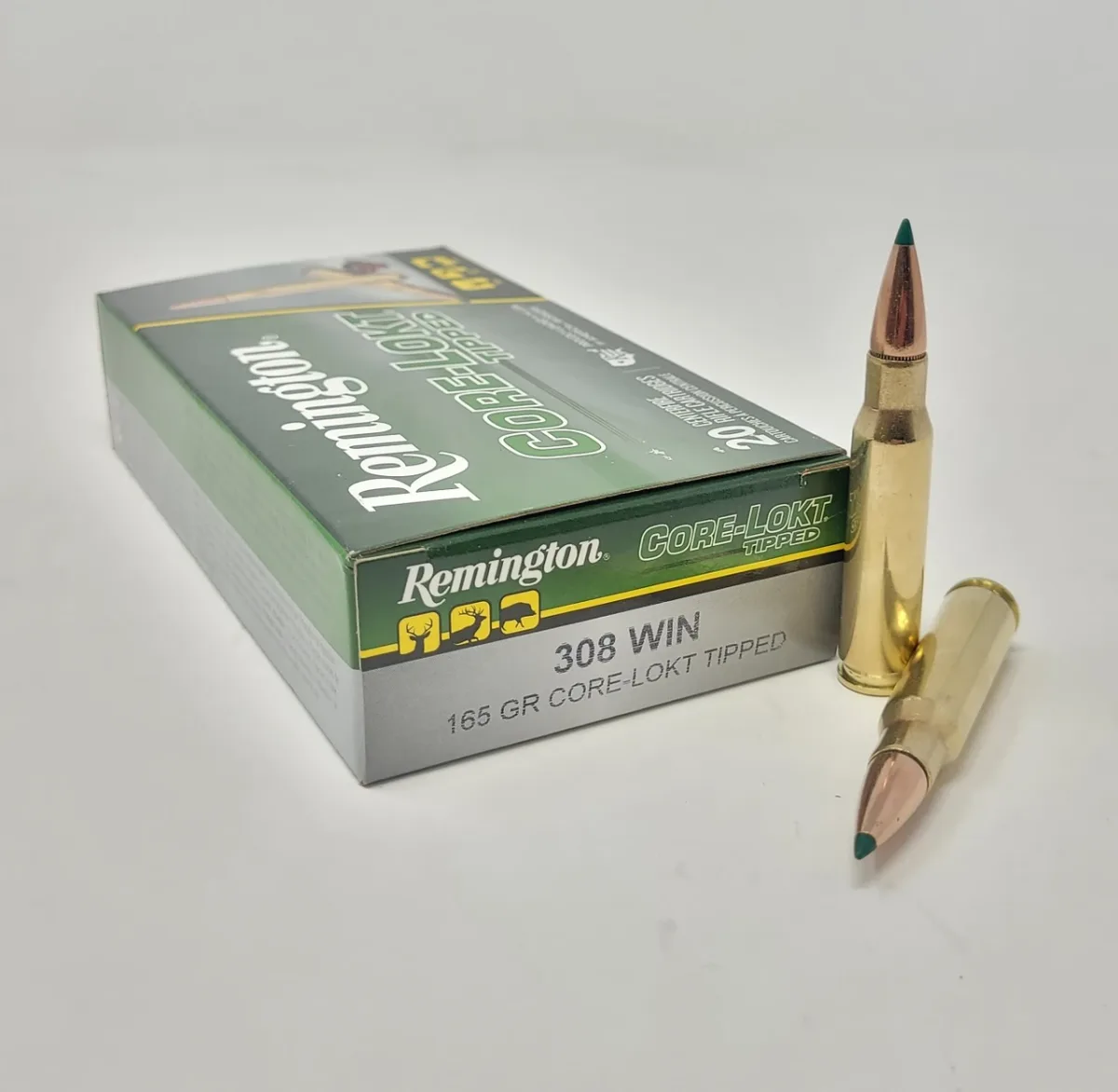
Image source: Bing (Web (fair-use with source credit))
Understanding bullet weight is key to unlocking consistent performance from your firearms. It’s not just a number on a box of ammunition; it's a fundamental factor that dictates how a projectile behaves from the moment it leaves the barrel to when it strikes its target. When you ask "What is bullet weight?", you're starting to unravel the science behind effective shooting.
Choosing the right bullet weight ensures your ammunition works as intended, whether you're at the range or in the field. This fundamental attribute, measured in grains, directly influences velocity, energy, and trajectory. Manufacturer specifications often detail a range of bullet weights for a given caliber, typically starting around 110 grains for lighter options and extending upwards for heavier projectiles.
Quick Answer
Bullet weight is the mass of a projectile, measured in grains. It determines velocity, energy, and trajectory. Lighter bullets are faster but carry less energy; heavier bullets are slower but hit harder.
Matching bullet weight to your firearm and intended use is crucial for accuracy and effectiveness.
Understanding Bullet Weight: The Basics
Bullet weight is a straightforward concept with significant implications. It's simply the measured mass of the projectile itself, the part of the cartridge that actually flies towards the target. We commonly express this measurement in grains (gr).
A grain is a tiny unit of weight, with 7,000 grains equaling one pound. So, when a box of ammunition specifies a 150-grain bullet, it means the bullet weighs approximately 150/7000th of a pound. This seemingly simple measurement is the bedrock upon which many ballistic characteristics are built.
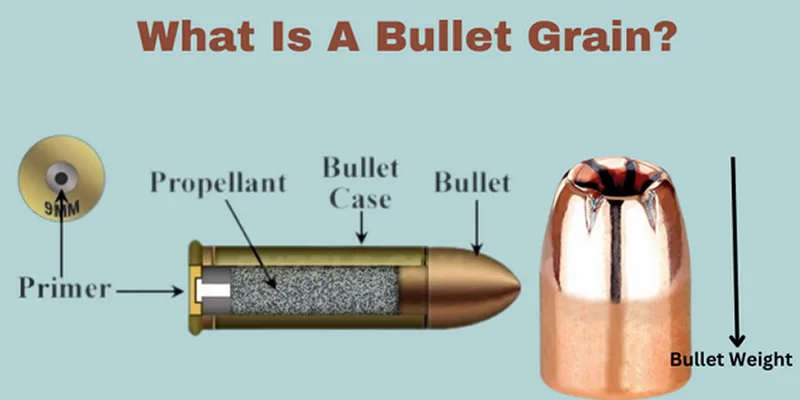
Image source: Bing (Web (fair-use with source credit))
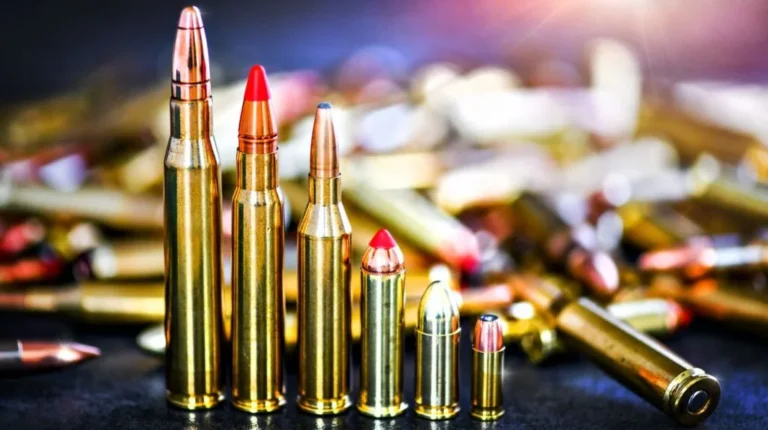
This weight is not arbitrary; it's a deliberate engineering choice by ammunition manufacturers. It influences everything from how fast the bullet travels to how much force it carries upon impact. For instance, a 110-grain bullet in a .308 Winchester will behave very differently from a 180-grain bullet in the same caliber, a fact critical for anyone looking to optimize their shooting performance.
How Bullet Weight Affects Performance
The weight of a bullet is one of the most critical factors influencing its performance downrange. It's not just about how heavy the bullet is, but how that mass interacts with the forces of propulsion and air resistance. Manufacturer specifications confirm that this single attribute dictates a bullet's speed, its impact energy, and the path it takes through the air.
Velocity vs. Energy: The Trade-Off
There's a direct relationship between bullet weight and velocity. Generally, lighter bullets travel faster. Think of it like pushing a lightweight bicycle versus a heavy truck; the bicycle accelerates more readily.
So, a lighter projectile will achieve a higher muzzle velocity, meaning it leaves the firearm at a greater speed. However, this speed doesn't always translate to superior performance in every scenario.
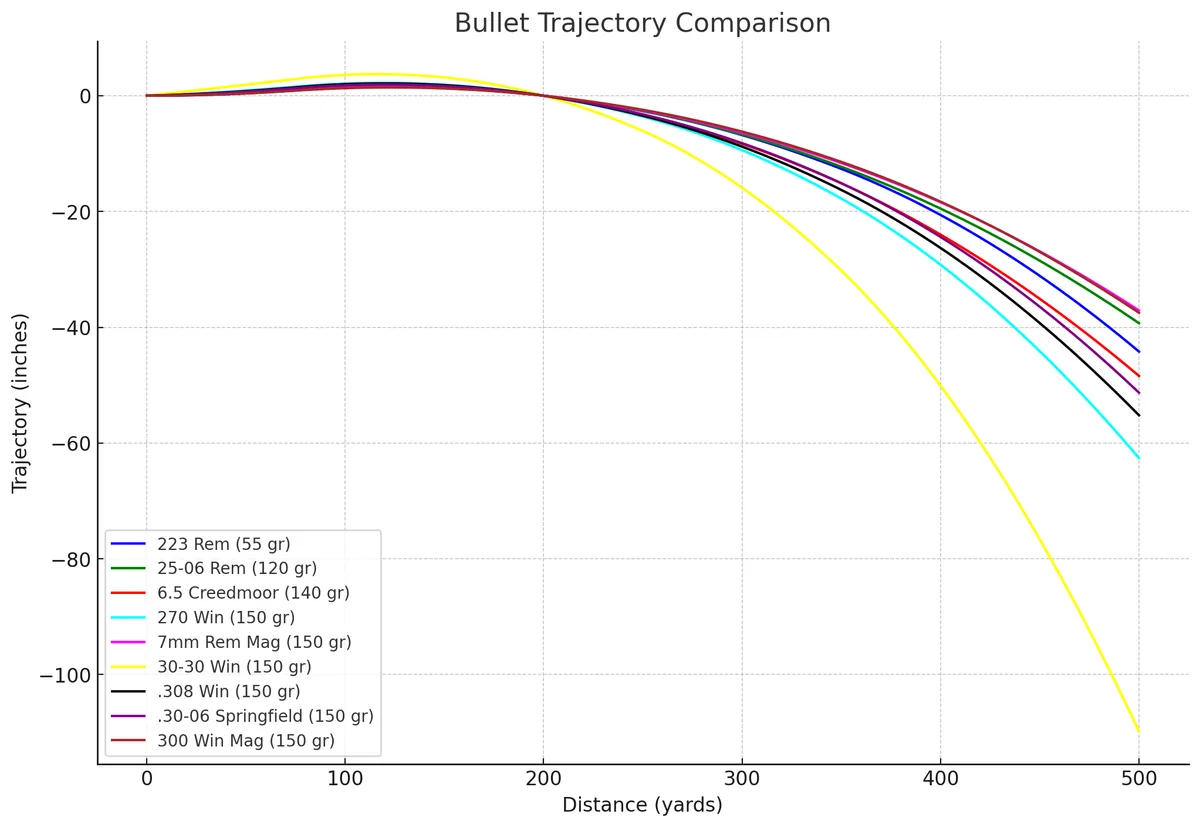
Image source: Bing (Web (fair-use with source credit))
Conversely, heavier bullets tend to be slower. But what they lack in outright speed, they often make up for in momentum and retained energy. A heavier bullet, even if traveling at a lower velocity, carries more "oomph" or kinetic energy upon impact.
This increased energy is vital for tasks like hunting, where sufficient force is needed to ethically and effectively neutralize game. Per testing by the National Shooting Sports Foundation, understanding this balance is key to selecting appropriate ammunition for different applications.
Trajectory and Stability Downrange
Bullet weight significantly impacts a projectile's flight path, or trajectory. Lighter, faster bullets often exhibit a flatter trajectory at closer ranges, meaning they don't drop as much over short distances. This can make them easier to aim with for certain shooting disciplines.
However, their lower mass makes them more susceptible to external forces like wind.
Heavier bullets, while they may have a more pronounced arc or drop over distance, often possess greater inherent stability. Their increased momentum helps them resist deflection from crosswinds, making them more predictable and accurate in challenging weather conditions. This stability is often preferred for long-range shooting and hunting in exposed environments.
Choosing the Right Bullet Weight for Your Needs
Selecting the correct bullet weight is paramount to achieving your desired results with any firearm. It's not a case of one-size-fits-all; rather, it's about matching the projectile's characteristics to the specific task at hand. Our research indicates that a mismatch in bullet weight can lead to significantly reduced effectiveness and potential frustration.
For Target Shooting: Precision and Stability
When your goal is precision, especially at longer distances, bullet weight becomes a major consideration. Heavier bullets within a given caliber's range generally offer superior ballistic coefficients and greater stability in flight. This means they are less affected by wind drift and maintain their velocity better over extended distances.
For disciplines like long-range precision shooting, shooters often opt for the heaviest bullets their rifle and caliber can accurately stabilize. This choice prioritizes consistency and predictability, allowing for more precise shot placement on targets hundreds or even thousands of yards away. Manufacturer specifications for match-grade ammunition frequently feature heavier bullet weights designed for this purpose.
For Hunting: Matching Weight to Game
Hunting scenarios demand careful consideration of bullet weight, as it directly impacts the projectile's ability to perform its terminal function, transferring energy efficiently and penetrating deeply enough for a humane kill. The size and toughness of the game animal are primary drivers in this decision.
Small Game Considerations
For hunting small game, such as varmints like prairie dogs or ground squirrels, lighter, faster bullets are often the preferred choice. These bullets are designed to expand rapidly upon impact, often fragmenting. This rapid expansion creates a large wound channel and delivers a quick, decisive impact, ensuring an ethical harvest and often minimizing meat damage.
Ammunition specifications for varmint hunting rounds typically highlight lighter bullet weights and higher velocities.
Medium Game Needs
When pursuing medium-sized game like deer or antelope, a balance of speed and energy is crucial. Mid-weight bullets, often in the 130 to 180-grain range for calibers like the .308 Winchester or .30-06 Springfield, provide a good compromise. They possess enough mass to retain energy and penetrate vital organs, while still maintaining a reasonably flat trajectory.
This weight class ensures sufficient hydrostatic shock and deep penetration needed for clean takedowns.
Large Game Requirements
For larger, tougher game such as elk, bear, or moose, prioritizing bullet weight and construction is non-negotiable. Heavy bullets, often exceeding 180 grains in common big-game calibers, are essential. These projectiles are designed to penetrate thick hides, heavy bone, and dense muscle mass to reach the vital organs reliably.
Their greater momentum helps them maintain a straighter path through challenging tissue. Selecting a heavy, well-constructed bullet ensures adequate energy transfer and deep wound channels for a humane hunt.
For Self-Defense: Key Factors Beyond Weight
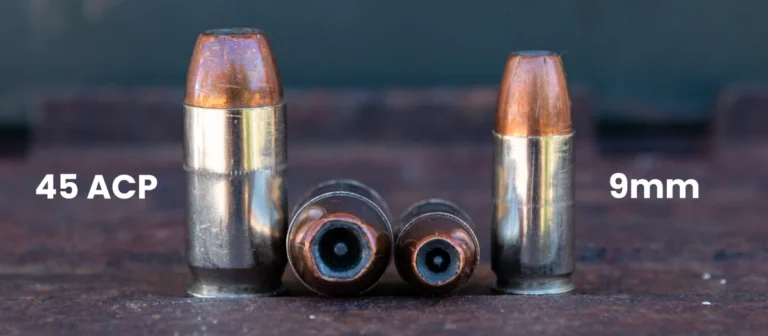
In self-defense applications, bullet weight is important, but it works in conjunction with bullet design. While heavier bullets generally carry more energy, the primary goal is controlled expansion to maximize energy transfer and create a significant wound channel without over-penetration, which could pose a risk to bystanders.
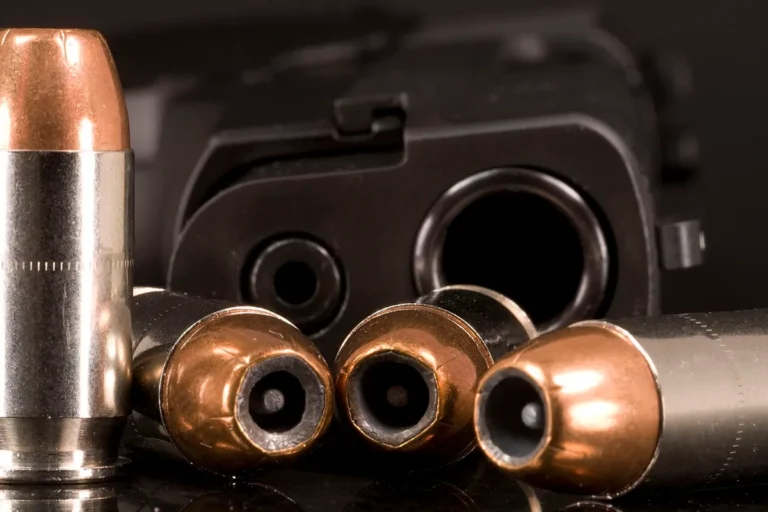
Controlled expansion is often achieved through specialized bullet designs like hollow points. These bullets are engineered to expand upon impact with soft tissue, effectively increasing their diameter and energy transfer. The weight of these expanding bullets is chosen to ensure they meet the minimum velocity and energy thresholds for reliable expansion, as confirmed by testing protocols from organizations like the Sporting Arms and Ammunition Manufacturers' Institute (SAAMI).
It's a delicate balance between penetration and expansion.
Common Bullet Weight Mistakes and How to Avoid Them
Making the wrong choice of bullet weight can lead to disappointing results, whether you're at the range or in the field. One of the most frequent errors is using a bullet that's too light for its intended purpose, particularly when hunting larger game. A bullet that lacks sufficient mass may not penetrate deeply enough to reach vital organs, resulting in a wounded animal that may escape.
Conversely, using a bullet that's excessively heavy for a particular firearm or situation might not offer the flattest trajectory or could produce uncomfortable recoil.
Another common pitfall is not considering the specific firearm's rifling twist rate. Each barrel has a twist rate that is optimized to stabilize bullets of a certain weight and length. If a bullet is too long and heavy for the barrel's twist, it may not stabilize properly in flight, leading to erratic accuracy and tumbling.
Always consult your firearm's manufacturer specifications or research recommended bullet weights for your specific caliber and barrel twist.
Bullet Weight in Action: Real-World Examples
To illustrate the impact of bullet weight, let's consider the versatile .308 Winchester caliber. This is a popular choice for both hunting and target shooting, and it's chambered in a wide array of firearms. The variation in bullet weight available for this caliber vividly demonstrates how choices affect performance.
- 110-grain bullets: These are typically lighter and faster. They are excellent for varmint hunting where rapid expansion is desired and terminal energy needs are lower. At the target range, they offer a very flat trajectory at closer distances.
- 150-grain bullets: This is often considered a good all-around weight for the .308. It strikes a balance between velocity and retained energy, making it suitable for medium-game hunting like deer. For general target practice, they offer a predictable and manageable recoil.
- 180-grain bullets: Stepping up in weight, these bullets will be slower but carry significantly more energy downrange. They are a solid choice for larger medium game or situations where you might encounter slightly tougher shots or need more dependable penetration.
- 200-grain bullets: The heaviest commonly found for the .308, these bullets are slower still but maximize momentum and energy retention at longer ranges. They are favored by some for hunting larger game or for extreme long-range target shooting where stability is paramount.
Understanding these differences means you can tailor your ammunition choice to the specific scenario, ensuring you have the right tool for the job.
Frequently Asked Questions About Bullet Weight
What is the difference between bullet weight and bullet diameter?
Bullet weight refers to the projectile's mass, measured in grains. Bullet diameter, also known as caliber, is the measurement across the widest part of the projectile. Both are critical ballistic factors, but they affect performance differently; diameter influences the size of the wound channel, while weight impacts velocity and energy.
Can I shoot heavier bullets than what my rifle was originally designed for?
Generally, yes, you can often shoot heavier bullets than the rifle's original intended weight, provided the heavier bullet is within the range that your rifle's barrel twist rate can stabilize. However, always check your rifle's manual or consult the manufacturer. Excessive weight can lead to instability and poor accuracy.
Does bullet weight affect recoil?
Yes, bullet weight, along with powder charge and firearm weight, directly affects recoil. Heavier bullets, when fired with similar powder charges, tend to produce more felt recoil due to increased momentum transfer. If recoil is a concern, opting for lighter bullets can often result in a more comfortable shooting experience.