Can Ammunition Be Recycled?
Hey there! You've probably wondered about this, especially if you shoot regularly: what happens to all that spent ammo, or even old rounds that aren't safe to use anymore? Can we just toss it in the recycling bin?
The short answer is… it's complicated, and you absolutely cannot just put ammunition in your regular recycling. Seriously, don't do it.
When we talk about "recycling" ammunition, we're really talking about breaking it down into its core components to be reused or disposed of safely. Each part of a bullet, the casing, the primer, the powder, and the projectile (the actual bullet part), has its own considerations. As of 2026, regulations and best practices continue to emphasize safety above all else.
Quick Answer
No, ammunition cannot be recycled through standard municipal programs. Live ammunition is explosive and hazardous. Spent casings can be recycled, but require specialized handling.
Old powder and live rounds are hazardous waste. Local authorities must be consulted for safe disposal.
Why Ammunition Isn't Your Typical Recycling
Think about it: live ammunition is designed to explode. That's its whole point! Your curbside recycling truck and the machinery at the recycling facility are definitely not equipped to handle explosive materials.
Manufacturer specifications clearly label ammunition as a hazardous material due to its propellant and primer compounds.
- Safety First: This is the big one. Live primers and gunpowder are inherently dangerous. Mishandling them can lead to serious injury or worse.
- Legality: There are laws about how ammunition, especially spent casings and old rounds, can be stored, transported, and disposed of. You don't want to run afoul of those.
- Material Recovery: While the metals in casings and projectiles can be recycled, getting them separated and processed requires specialized facilities and knowledge.
What Exactly Can Be Recovered from Ammunition?
Okay, so you can't just chuck it. But that doesn't mean it all has to end up in the trash, either. Here's where things get a bit more nuanced, focusing on the components that make up a cartridge.
Spent Casings: The Most Recyclable Part
These are the most commonly "recycled" items. Once a casing has been fired, it's no longer live. Many reloaders (people who make their own ammunition) collect and reuse these casings.
For those who don't reload, spent brass casings are valuable metals and can often be taken to scrap metal dealers who are licensed to handle them. It’s important to ensure they are unprimed and free of any powder residue.
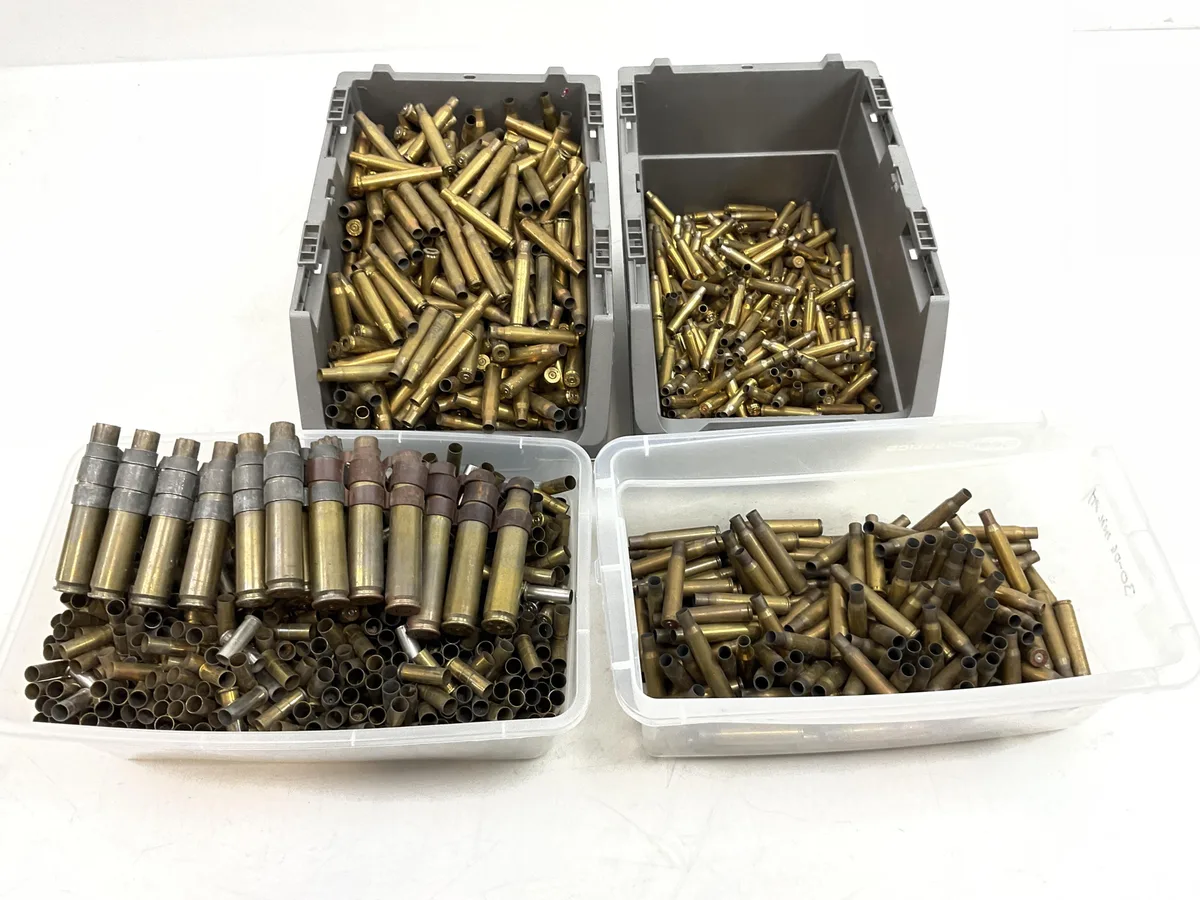
Image source: Bing (Web (fair-use with source credit))
Powder and Primers: The Dangerous Duo
These are the trickiest parts. Old or degraded gunpowder and primers are considered hazardous waste. They can become unstable over time and are still explosive.
Disposal requires extreme caution.
- Disposal: The safest way to deal with old powder or primers is usually through local law enforcement agencies, fire departments, or specialized hazardous waste disposal services. They often have programs or know exactly who to contact for safe disposal.
- Never burn powder or primers. It's incredibly dangerous and unpredictable.
Projectiles: Lead and Beyond
The metal slugs themselves (usually lead or jacketed lead) can also be recycled. If you're a reloader, you might recover these. If not, and if they are separated from casings and powder, they can sometimes be taken to specialized recyclers.
However, lead is a hazardous material, and its disposal is often regulated. Aggregate reviews report that most dedicated ammunition recyclers can handle these, but it’s always best to confirm.
The Risks: Why You Can't Just Toss It
Seriously, this isn't something to take lightly. Improper handling or disposal of ammunition can have severe consequences, both for your personal safety and potentially for legal reasons.
Safety Hazards of Mishandling
Live ammunition is designed for controlled detonation. If this control is lost, the results can be catastrophic. Gunpowder is a highly flammable propellant, and primers contain explosive compounds.
When combined and subjected to shock, friction, or heat, they can detonate unexpectedly. This is why federal guidelines, like those from the Department of Transportation concerning hazardous materials, treat ammunition with extreme caution.
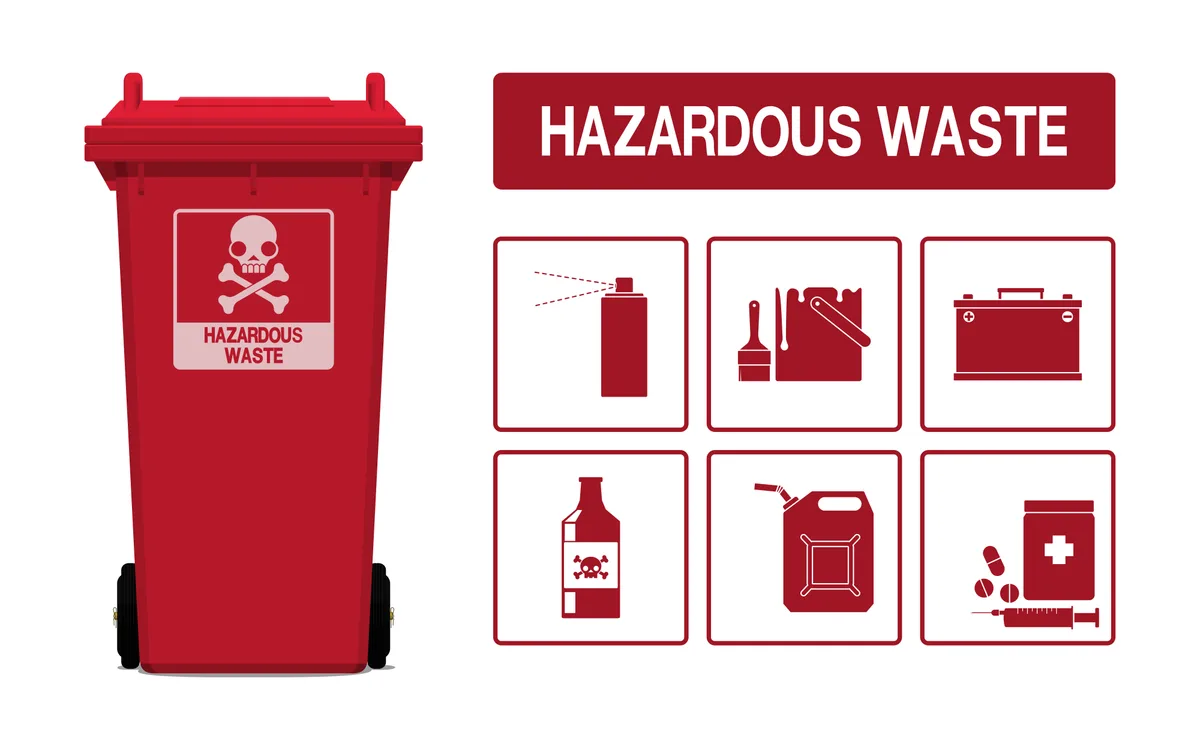
Image source: Bing (Web (fair-use with source credit))
Legal Pitfalls of Improper Disposal
Disposing of ammunition, especially live rounds or bulk quantities of powder, often falls under hazardous waste regulations. Local ordinances, state laws, and federal guidelines dictate how such materials must be handled. Simply throwing them in the trash or dumping them can result in fines or more serious legal action.
It's crucial to understand that ammunition is not considered household waste.
Safely Handling Ammunition Components
Dealing with ammunition components requires a specific approach based on what you have. It’s not a one-size-fits-all situation, and safety is always the primary concern.
For Spent Casings: Ranges and Scrap Dealers
Spent casings are the easiest component to deal with responsibly.
- Shooting Ranges: Many ranges have collection bins for spent brass. Some may even offer a small payment for them, as they are a valuable commodity for reloaders.
- Scrap Metal Dealers: If the casings are clean, unprimed, and free of any residual powder, many scrap metal dealers will accept them. It's always a good idea to call ahead and confirm their policies regarding ammunition casings.
For Old Powder and Live Rounds: Authorities and Specialists
This is where you need to be very careful and rely on official channels.
- Local Law Enforcement/Fire Departments: These agencies are usually the best starting point for disposing of old gunpowder or live, unwanted ammunition. They often have established procedures or can direct you to authorized disposal sites or collection events.
- Hazardous Waste Disposal Services: In some areas, specialized companies handle hazardous materials. Your local government's waste management department can often provide a list of approved services. Never attempt to burn or otherwise destroy gunpowder yourself; the risks are extreme.
When to Call the Pros: Seeking Expert Help
If you're unsure about handling ammunition, or if you have live rounds or old powder that needs disposal, the best course of action is always to seek expert guidance. Trying to figure it out yourself can be dangerous. Local authorities are your primary resource for this.
- Your Local Police Department: Their non-emergency line can connect you with officers who handle hazardous material inquiries or direct you to the proper channels. They often have specific drop-off points or events for unwanted ammunition.
- Your Local Fire Department: Firefighters are trained in handling hazardous materials, including explosives. They can provide crucial advice on safe storage and disposal methods for your specific situation.
- Specialized Waste Services: For larger quantities or more complex scenarios, professional hazardous waste disposal companies are equipped to handle ammunition safely and legally. Your local government waste management can usually provide a referral.
Frequently Asked Questions About Ammunition Recycling
Is it legal to just throw away old ammunition?
No, it is generally not legal or safe to throw away old ammunition in regular household trash. Ammunition, especially live rounds and gunpowder, is often classified as hazardous waste. Disposal methods vary by local and federal regulations.
Can I bring unwanted ammunition to a gun shop?
Most gun shops do not accept unwanted ammunition for disposal. They are typically focused on sales and services. Your best bet is to contact local law enforcement or a designated hazardous waste facility for proper disposal guidance.
What's the difference between spent casings and live ammunition?
Spent casings are empty brass or metal shells that have already been fired and no longer contain propellant or a primer. Live ammunition includes a casing, primer, propellant (gunpowder), and a projectile, all assembled and ready to fire. Spent casings are generally safer to handle and potentially recycle, while live ammunition poses an immediate explosive risk.
How do I know if my ammunition is too old to use safely?
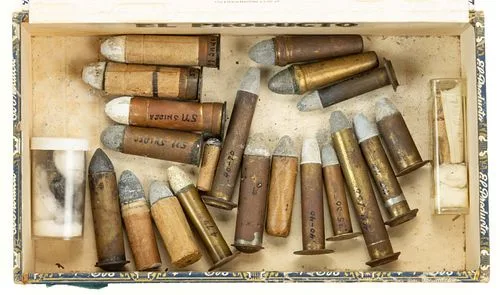
Ammunition can degrade over time, making it unstable or unreliable. Signs of degradation can include corrosion on casings, primers that appear puffy or cracked, or visible changes in the powder. However, it's difficult for the average shooter to definitively assess ammunition safety.
If in doubt about age or condition, treat it as potentially hazardous and seek professional disposal.
Can I melt down spent casings for scrap metal?
Yes, spent brass casings are often accepted by scrap metal dealers because brass is a valuable metal. However, ensure the casings are completely empty, free of any powder residue, and unprimed. Some dealers may have specific requirements for accepting ammunition components.
Always confirm with the dealer beforehand.