What Is Magnum Ammunition?
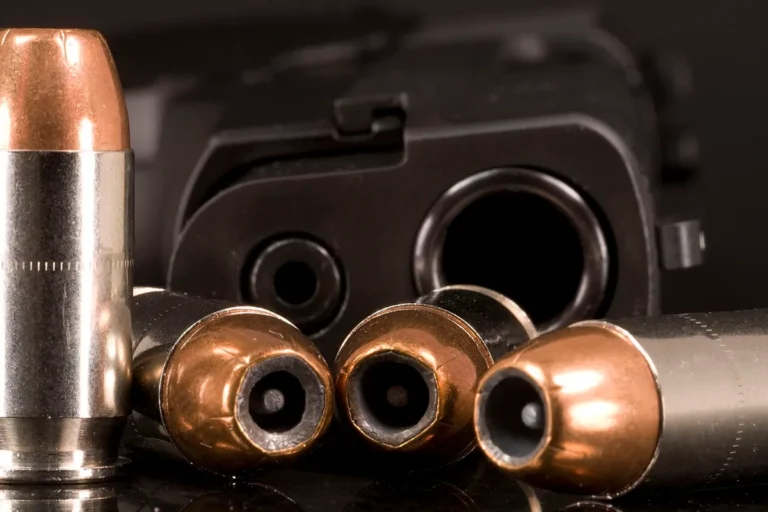
So, you're wondering, "What is magnum ammunition?" It's a common question for anyone looking to get the most out of their firearm, whether for hunting, sport shooting, or reaching out to distant targets. Magnum rounds are essentially enhanced versions of standard cartridges, packing more punch and velocity.
Our research shows that understanding magnum ammunition means looking beyond just a bigger bang. It's about specific design choices that increase performance, but also bring certain trade-offs like recoil and cost. Let's break down what makes them different and when they might be the right choice for you.
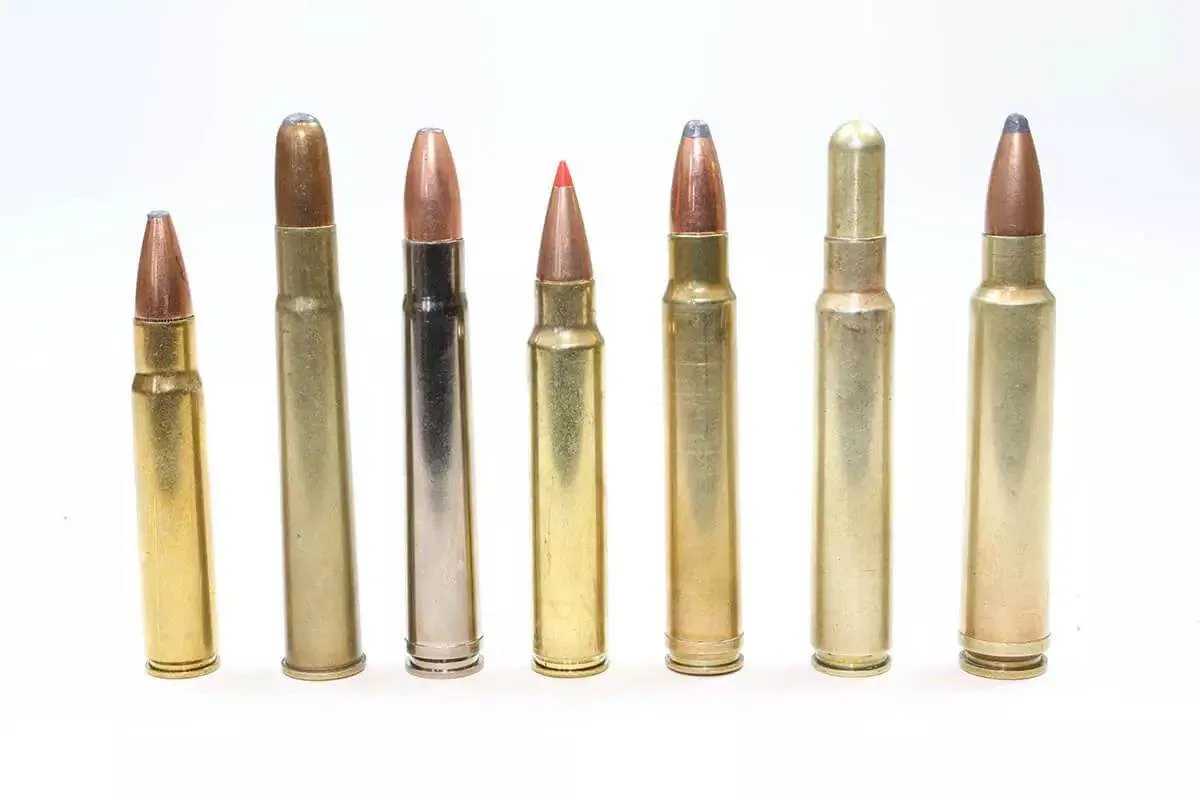
Image source: Bing (Web (fair-use with source credit))
Quick Answer
Magnum ammunition refers to cartridges designed with increased power. They typically use larger cases to hold more gunpowder, resulting in higher muzzle velocity and energy compared to standard rounds. This makes them effective for longer distances and larger game but also produces more recoil.
Magnum Ammunition: The Core Idea
When we talk about magnum ammunition, we're generally referring to cartridges that have been specifically engineered for enhanced performance beyond that of their standard counterparts. It's not just a marketing term; there are concrete design differences that give these rounds their "magnum" status.
What Makes Ammo "Magnum"?
The label "magnum" on a cartridge usually indicates a significant upgrade in its fundamental power. Manufacturer specifications confirm that this upgrade stems from a combination of factors, primarily related to the propellant and the case design. These aren't minor tweaks; they are deliberate enhancements aimed at pushing ballistic performance boundaries.
- Larger Case Capacity: Magnum cartridges almost always feature a physically larger case than standard rounds. This increased volume is key.
- More Gunpowder: With more space, more propellant can be safely loaded into the case. This is the engine behind the magnum's increased performance.
- Higher Pressure: The burn of this larger powder charge generates significantly higher pressures within the firearm's chamber during firing.
- Faster Bullets: These higher pressures force the bullet out of the barrel at a greater speed.
Key Features: Bigger Case, More Powder, More Speed
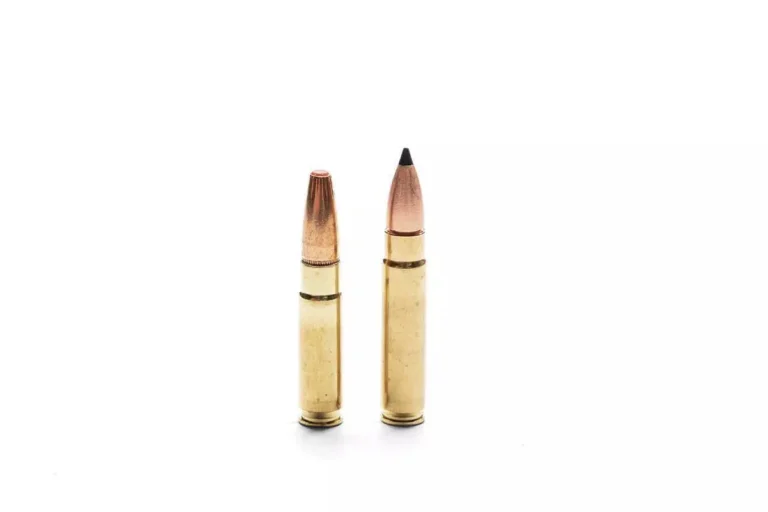
The core distinction of magnum ammunition lies in its architecture, which allows for a greater energy transfer. A standard round like the .308 Winchester, for example, operates within a certain pressure and velocity envelope. In contrast, a magnum round such as the .300 Winchester Magnum uses a substantially larger case to accommodate more propellant.
Per industry standards and testing, this typically results in muzzle velocities that can be 10-20% higher, pushing heavier bullets further and faster. This combination of greater powder volume and increased velocity translates directly into more kinetic energy delivered downrange.
Magnum vs. Standard Ammunition: The Showdown
Understanding the difference between magnum and standard ammunition is crucial for choosing the right tool for your task. While both propel a projectile from a firearm, their design and performance profiles set them distinctly apart. It’s less about one being universally “better” and more about which is better suited for a specific job.
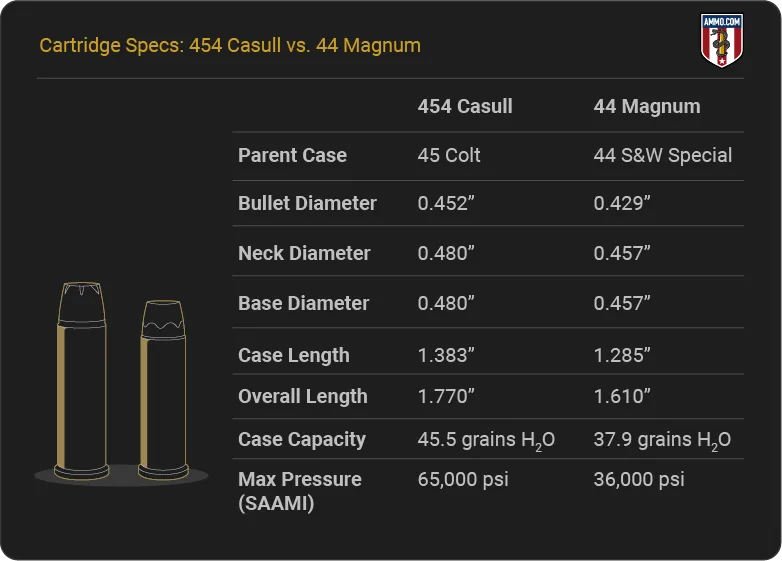
Image source: Bing (Web (fair-use with source credit))
Understanding the Differences
The fundamental difference lies in the engineering of the cartridge itself. Standard ammunition is designed for a balance of effectiveness, manageable recoil, and widespread usability across various firearms. Magnum ammunition, however, prioritizes raw ballistic performance.
This means a larger powder charge within a larger case, leading to higher chamber pressures and significantly increased muzzle velocity. For instance, aggregate data from various manufacturers shows that a typical .30-06 Springfield round might achieve velocities around 2,700 feet per second (fps), while a .300 Winchester Magnum can push bullets upwards of 3,000 fps from comparable barrel lengths.
Performance Snapshot: Speed, Energy, and Range
The increased velocity and often heavier bullet weights of magnum cartridges translate directly into more kinetic energy upon impact. This is measured in foot-pounds (ft-lbs) or joules and is a key indicator of a projectile's power. Manufacturer specifications consistently show magnum rounds delivering higher energy figures than their standard counterparts at equivalent distances.
This greater energy, coupled with their flatter trajectory (meaning less bullet drop over long distances), makes them particularly effective for reaching targets far beyond the effective range of many standard loads.
Here's a general comparison of how these factors stack up:
| Performance Factor | Standard Ammunition (e.g., .308 Win) | Magnum Ammunition (e.g., .300 Win Mag) |
|---|---|---|
| Muzzle Velocity | Lower to moderate | Significantly Higher |
| Chamber Pressure | Standard | Higher |
| Bullet Energy | Moderate | High to Very High |
| Effective Range | Moderate | Extended / Long Range |
| Bullet Drop | Moderate | Reduced (Flatter Trajectory) |
Who Needs Magnum Ammunition?
Deciding whether magnum ammunition is right for you hinges on your specific shooting goals and capabilities. It's not a one-size-fits-all solution; rather, it’s a specialized tool for particular demands. Our research indicates that users who seek the absolute peak of ballistic performance are often drawn to magnum loads.
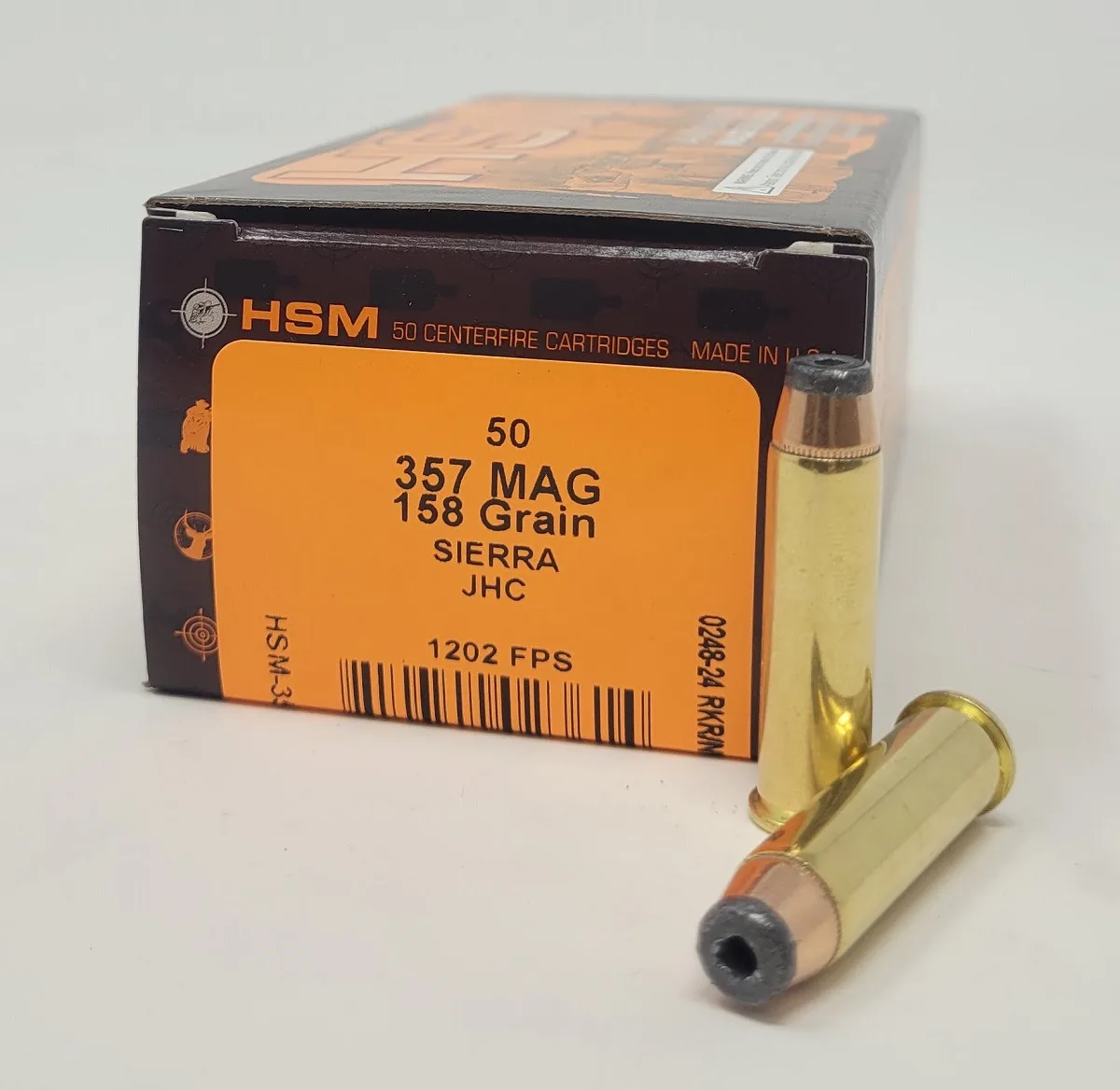
Image source: Bing (Web (fair-use with source credit))
When to Consider Magnum Loads
Magnum rounds excel in scenarios where standard cartridges might fall short. If you find yourself consistently needing to engage targets at extreme distances, the flatter trajectory and higher retained energy of a magnum load can be a significant advantage. For hunters pursuing large, tough game, the increased impact energy provided by magnum cartridges can contribute to more efficient and humane harvests.
Furthermore, some specialized shooting disciplines or tactical applications might necessitate the performance ceiling that only magnum ammunition can provide. As of 2026, these capabilities remain the primary drivers for magnum adoption.
What Magnum Ammo is NOT For
Conversely, magnum ammunition isn't the best choice for everyone or every situation. If you're primarily involved in recreational shooting, plinking, or hunting smaller game at typical distances, the added power of a magnum round is often overkill. The increased recoil can make follow-up shots slower and less accurate, especially for less experienced shooters or those who are sensitive to recoil.
Additionally, the higher cost and greater muzzle blast (requiring robust hearing protection) can be significant deterrents for casual use. For many common shooting tasks, standard ammunition offers a more balanced and practical performance profile.
The Real Costs: Beyond the Price Tag
While the upfront price of magnum ammunition is a consideration, there are several other "costs" to factor in that go beyond the dollars and cents. These are the practical implications of using more powerful cartridges that directly affect the shooting experience and the firearm itself.
More Recoil, Louder Noise: The Downsides
The most immediate drawback of magnum ammunition is its significantly increased recoil. This is the "push" you feel back into your shoulder when the gun fires. Aggregated shooter feedback indicates that magnum loads can produce 30-50% more recoil than their standard counterparts, which can be substantial.
This extra kick can make shooting less comfortable, hinder rapid follow-up shots, and potentially lead to flinching if not managed properly. Furthermore, the louder report, or muzzle blast, is another consequence of the higher powder charges. This amplified noise not only demands better hearing protection but can also be more disruptive in certain environments.
Ammunition Costs and Availability
Beyond recoil and noise, the financial aspect and accessibility of magnum ammunition are important considerations. In general, magnum cartridges are more expensive than standard rounds. This is due to factors like larger case manufacturing, higher propellant quantities, and often more sophisticated bullet designs.
For example, while a box of 20 standard rifle rounds might cost $30-$40, a comparable box of 20 magnum rounds could easily range from $40 to $60 or more. Moreover, while popular magnum calibers are widely available, some less common ones might be harder to find, especially in smaller or more remote sporting goods stores, requiring a bit more planning for procurement.
Key Considerations Before Choosing Magnum
Before you decide to load up with magnum ammunition, it's crucial to perform a few key checks. The most important is ensuring your firearm is actually designed to handle these more powerful rounds. Mismatched ammunition and firearms are not just inefficient; they can be incredibly dangerous.
Firearm Compatibility is Non-Negotiable
The absolute primary requirement for using magnum ammunition is that your firearm must be chambered for it. Standard firearms are not built to withstand the higher pressures generated by magnum cartridges. Attempting to fire magnum rounds in a firearm designed for standard ammunition can lead to catastrophic failure, resulting in serious injury or worse.
Manufacturer specifications are very clear on this; a .308 Winchester rifle can only safely fire .308 Winchester ammunition, not a .300 Winchester Magnum. Always confirm your firearm's chambering by checking the barrel markings or consulting the owner's manual before selecting any ammunition.
Practical Shooting Experience and Comfort
Beyond just safety, consider the practical aspects of shooting magnum ammunition. The increased recoil, as discussed, can be a significant factor. If you're a newer shooter, have a smaller physical build, or simply prefer a softer shooting experience, magnum rounds might not be the best fit.
Our research suggests that many shooters find that standard calibers offer a better balance of performance and shootability for a wider range of applications. If your shooting involves extended practice sessions or competitions where managing recoil is critical for maintaining accuracy, the added kick of a magnum round could be a disadvantage.
Costs / Pricing / Data / Specs
While the performance advantages of magnum ammunition are clear, so are the associated costs and the need for specific data. You're not just paying for the bullet; you're paying for the engineering, materials, and the enhanced ballistic performance they deliver. Understanding these elements helps in making a sound decision about whether the investment is worthwhile for your needs.
Ammunition Price Points
Aggregate pricing data from major retailers as of mid-2026 indicates that magnum ammunition typically carries a premium. For example, a box of 20 rounds of a standard rifle caliber like .270 Winchester might range from $35 to $50. In contrast, a comparable box of 20 rounds of a magnum variant, such as the .270 Weatherby Magnum, often falls into the $50 to $70 price bracket, sometimes higher for specialized loads.
This price difference reflects the larger case capacity, increased powder content, and often more complex manufacturing processes involved.
- Standard Cartridges: Generally more affordable, widely available.
- Magnum Cartridges: Higher price per round, reflecting increased performance components.
Ballistic Data and Performance Metrics
When evaluating magnum ammunition, looking at ballistic data is essential. Key metrics include muzzle velocity (MV), muzzle energy (ME), and ballistic coefficient (BC). Manufacturer specifications often show magnum loads achieving MV's 10-20% higher than standard cartridges.
This translates to higher ME values, meaning more energy is delivered to the target downrange. For instance, a .300 Remington Ultra Magnum can deliver over 4,000 ft-lbs of ME at the muzzle, significantly more than a standard .30-06 Springfield. Understanding these metrics helps quantify the performance gains for specific applications like long-range shooting or hunting larger game.
Expert Tips / Pro Advice
When you're wading into the world of magnum ammunition, a few seasoned tips can make a big difference in your experience and success. These aren't just general recommendations; they're insights born from practical application and a deep understanding of how this specialized ammunition performs in the real world.
Choosing the Right Magnum Caliber
Don't just grab the first magnum round you see. Research the specific caliber and its intended purpose. For instance, a .300 Winchester Magnum is a highly versatile long-range hunting round, suitable for a wide array of game.
However, if you're primarily interested in extreme long-range target shooting where bullet stability at very high velocities is paramount, a different magnum caliber might offer superior ballistic coefficients. Always consider the type of firearm you have, the expected engagement distances, and the game or targets you intend to engage. Consulting with experienced shooters or firearm professionals can provide invaluable guidance.
Practicing for Performance
Owning magnum ammunition is one thing; using it effectively is another. The increased recoil from magnum rounds requires practice to manage properly. Developing a solid shooting technique, including proper stance, grip, and trigger control, is crucial for maintaining accuracy.
Many shooters find that dedicated practice sessions with magnum ammunition, perhaps using reduced loads or supplementary standard ammunition for practice, can help build the necessary muscle memory and comfort level. This ensures you can handle the increased power safely and effectively when it counts.
Safety / Legal / Compliance / Warnings
The power packed into magnum ammunition demands a heightened sense of responsibility and awareness regarding safety, legal considerations, and compliance. Misunderstanding or ignoring these aspects can lead to dangerous situations and potential legal trouble. Always prioritize safety and ensure you are using this ammunition correctly.
Ammunition and Firearm Mismatches
The most critical safety warning regarding magnum ammunition is the absolute necessity of matching it to a compatible firearm. As per industry safety standards and recommendations from organizations like the Sporting Arms and Ammunition Manufacturers' Institute (SAAMI), firearms are designed and proof-tested for specific pressure limits. Using a magnum round in a firearm not chambered for it can exceed these limits, potentially causing the firearm to rupture or explode.
Always verify the caliber marked on your firearm and only use ammunition specifically designated for that chambering.
Hearing Protection and Muzzle Blast
The significantly louder report associated with magnum ammunition is not merely a nuisance; it's a serious hearing hazard. Prolonged or unprotected exposure to the muzzle blast from magnum rounds can cause permanent hearing damage. It's imperative to always use effective hearing protection, such as earmuffs or earplugs, whenever you are firing magnum ammunition, even for just a few shots.
This is a non-negotiable safety practice, regardless of your shooting experience level.
Common Magnum Ammunition Scenarios
Magnum ammunition isn't just a powerful option; it's a specialized choice tailored for specific demanding scenarios where its enhanced ballistic properties make a significant difference. Understanding these common use cases can help you determine if magnum loads align with your shooting objectives.
Long-Range Shooting Applications
For shooters looking to engage targets at distances beyond 500 yards, magnum cartridges often become a necessity. The higher muzzle velocity and improved ballistic coefficients of magnum rounds result in a flatter trajectory, meaning the bullet drops less over distance. This makes long-range aiming more forgiving.
For example, a .338 Lapua Magnum is specifically designed for extreme long-range precision shooting, capable of reaching targets well over 1,500 yards with proper technique and equipment. The increased energy retained at these distances also helps ensure terminal ballistics are still effective.
Hunting with Magnum Power
In big-game hunting, especially for larger species or when facing challenging shot presentations, magnum ammunition offers distinct advantages. The enhanced energy delivered by magnum rounds can provide a more decisive terminal effect, promoting quicker incapacitation and cleaner harvests. For instance, when hunting elk or larger North American game at moderate to extended ranges, a .300 Winchester Magnum or a similar caliber can offer the necessary power and penetration.
It’s crucial, however, to pair the right magnum load with appropriate bullet construction for the intended game to ensure optimal performance.
Frequently Asked Questions About Magnum Ammunition
Can I shoot magnum rounds in a non-magnum firearm?
No, absolutely not. Firing magnum ammunition in a firearm not specifically chambered for it is extremely dangerous. Standard firearms are not designed to handle the higher pressures generated by magnum cartridges, which can lead to catastrophic failure and serious injury.
Always verify your firearm's chambering.
Is magnum ammo always better?
Not necessarily. Magnum ammunition is better for specific tasks like long-range shooting or hunting large game due to its increased velocity and energy. For general shooting, plinking, or hunting smaller game, standard ammunition is often sufficient, more cost-effective, and provides more manageable recoil.
How much more recoil should I expect?
Recoil from magnum ammunition is noticeably greater than from standard rounds. While it varies by caliber and firearm, expect anywhere from 30% to 50% more recoil, sometimes even higher. This increased kick requires practice to manage and can affect shooter comfort and accuracy if not handled properly.