What Is Reloaded Ammunition?
Are you looking to get more out of your shooting hobby, save some cash, and maybe even gain an edge in accuracy? If so, understanding what reloaded ammunition is all about could be your next big step. Reloaded ammunition refers to spent cartridge cases that have been repurposed with new components.
It’s a practice that’s been around for decades, appealing to shooters who value precision, cost-effectiveness, and a hands-on approach to their gear. Manufacturer specifications for common metallic cartridges, for instance, are often exceeded by custom-reloaded rounds. This guide will walk you through the essentials of this fascinating craft.
Quick Answer
Reloaded ammunition consists of used cartridge cases refitted with new primers, gunpowder, and bullets. It's a cost-saving and performance-enhancing practice for shooters. Done correctly, it’s safe and precise.
Mistakes, however, can lead to firearm damage or injury. Reloading requires specific tools, careful attention to detail, and strict adherence to load data.
What is Reloaded Ammunition? Understanding the Basics
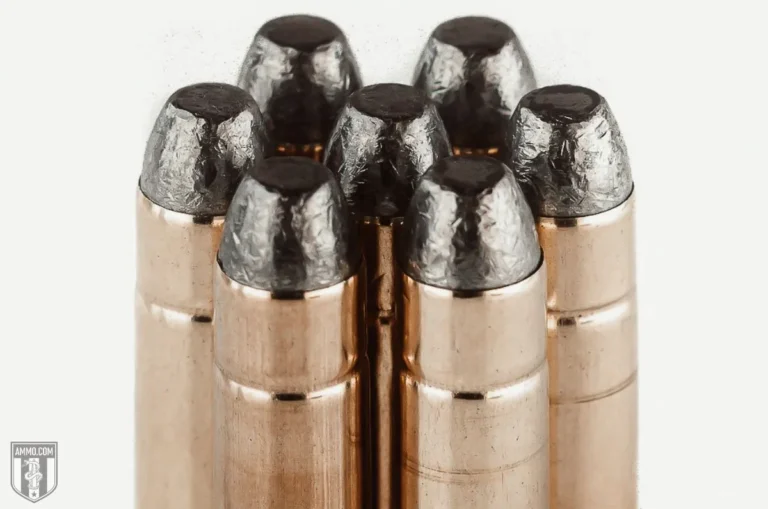
Reloaded ammunition, often called "reloads" or "handloads," is essentially ammunition that has been reconstituted from previously fired cartridges. Instead of purchasing new, factory-made cartridges every time, shooters can take their spent cases, clean them up, and install fresh components. This process allows for a highly customized and potentially more economical way to keep shooting.
It’s a craft that requires patience and precision, turning what was once waste into viable ammunition.
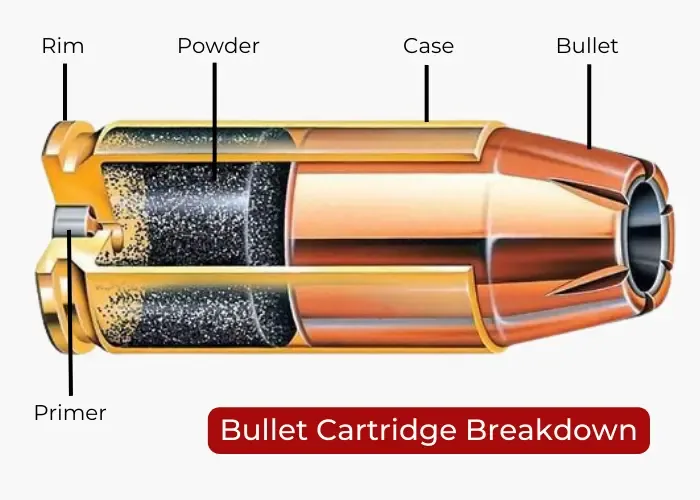
Image source: Bing (Web (fair-use with source credit))
What Makes Up Reloaded Ammo?
At its heart, reloaded ammunition uses the same basic components as factory-new cartridges, but with the added layer of being assembled by the individual shooter. Each reloaded round typically consists of four primary elements, all brought together using specialized equipment. The casing is the outer shell, the primer ignites the powder, the powder provides the explosive force, and the bullet is the projectile.
- Cartridge Cases: These are the empty metal casings that hold all the other components together. Most commonly, they are made of brass. After firing, the case expands. Reloading involves resizing it back to its original dimensions.
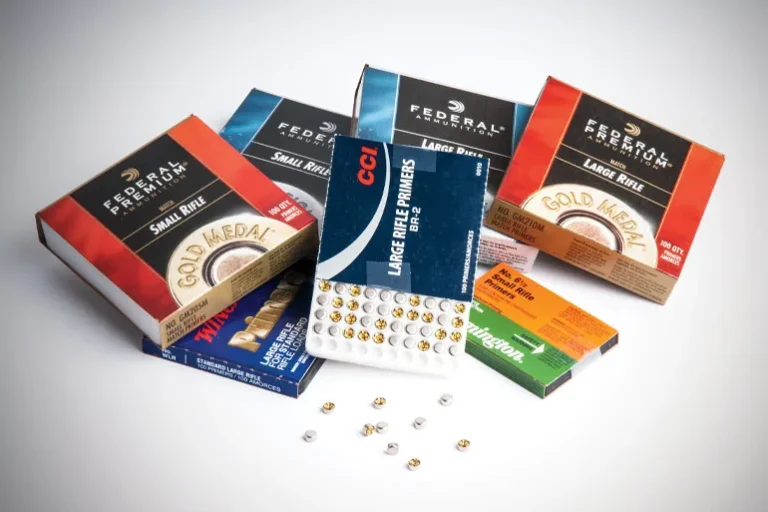
- Primers: A small, sensitive explosive device seated in the base of the case. When struck by the firing pin, it initiates the combustion of the gunpowder.
- Gunpowder (Propellant): This is the chemical compound that burns rapidly, producing hot gases that propel the bullet down the barrel. The type and amount of gunpowder are critical for performance and safety.
- Projectiles (Bullets): This is the part of the cartridge that exits the barrel and travels toward the target. Bullets come in various shapes, sizes, and weights, tailored for different purposes.
Image source: Bing (Web (fair-use with source credit))
Why Shoot Reloaded Ammunition? The Core Benefits
Reloading ammunition appeals to a dedicated segment of the shooting community for several compelling reasons. The most significant draw is often the economic advantage. Over the long term, the cost per round for reloaded ammunition can be substantially lower than buying factory-new equivalents, especially for high-volume shooters.
Manufacturer specifications for common metallic cartridges, for instance, are often exceeded by custom-reloaded rounds. For example, reloading common pistol calibers can save 30-50% per round compared to purchasing new.
Beyond savings, reloading offers unparalleled customization. Shooters can tailor loads to their specific firearms, desired performance characteristics, and shooting disciplines. Whether you’re aiming for maximum accuracy in a competition rifle, a milder load for a vintage firearm, or a specific bullet weight for hunting, reloading lets you dial it in precisely.
This customizability also extends to achieving consistent performance, which is key for improving shooting skills.
The Risks: Mistakes That Can Have Serious Consequences
While the benefits of reloading are clear, it's crucial to address the inherent risks involved. Handloading ammunition is a process that demands unwavering attention to detail and strict adherence to safety protocols. The primary danger stems from the propellants used; mishandling gunpowder or making errors in measurement can lead to dangerous pressure spikes.
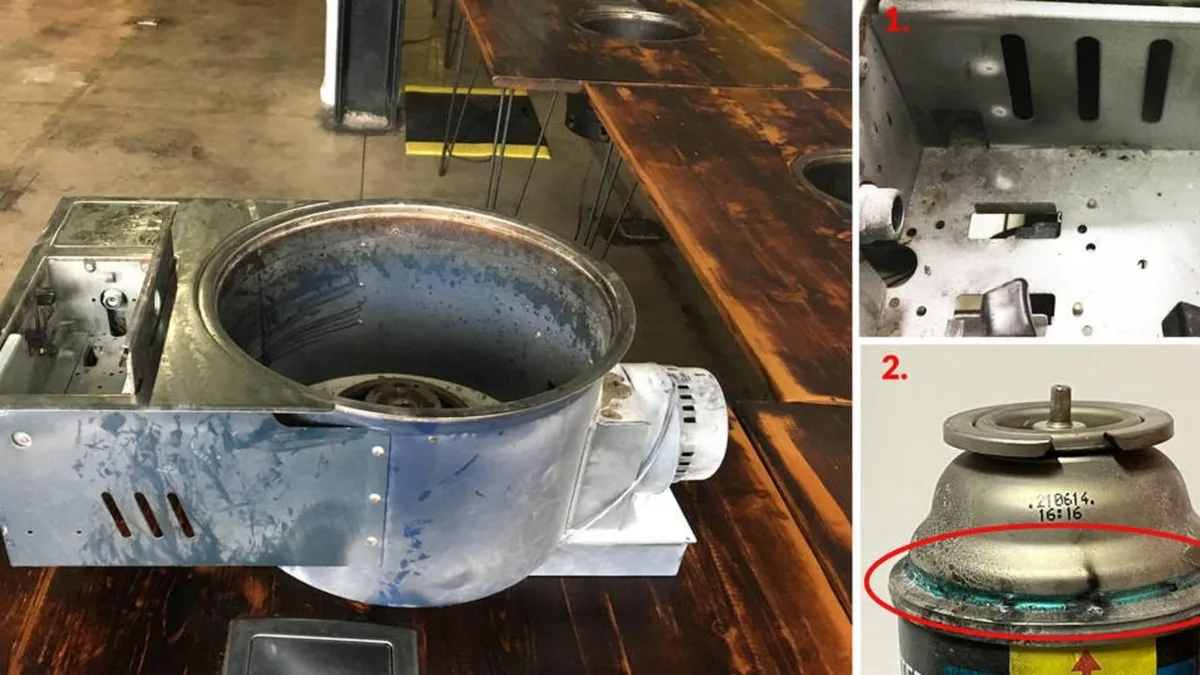
Image source: Bing (Web (fair-use with source credit))
- Overcharging Powder: Using too much gunpowder is one of the most critical errors. This can result in excessive chamber pressure that can damage or destroy a firearm and cause severe injury to the shooter and anyone nearby.
- Using the Wrong Components: Mismatching primers, powders, or bullet types for a specific cartridge and firearm can lead to unpredictable and hazardous outcomes.
- Damaged Cases: Firing a cartridge from a case that has microscopic cracks or structural weaknesses can cause case head separation, leading to gas leaks or firearm damage.
- Incorrect Bullet Seating: A bullet seated too deeply can reduce the case volume, increasing pressure. Conversely, a bullet not seated deeply enough might interfere with the firearm's action.
The Reloading Process: From Spent Case to Usable Round
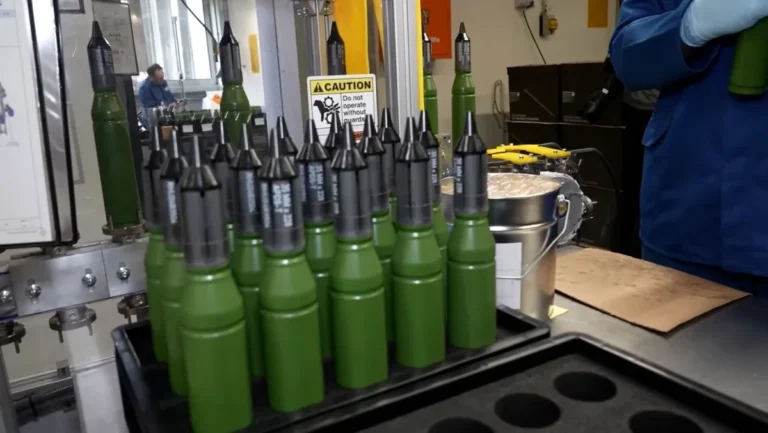
Reloading isn't just about stuffing components into a case; it's a methodical, multi-step process that requires specialized tools and careful execution. Each step is designed to ensure the resulting cartridge is safe, functional, and performs as intended. The entire cycle, from disassembly to a finished round, typically takes a few minutes per cartridge when done by an experienced handloader.
The process begins with preparing the spent cases and ends with a fully assembled, ready-to-fire round. It's vital to work systematically and double-check each stage.
Step 1: Gathering and Preparing Your Components
Before any assembly begins, you need to gather your materials and prepare the used cartridge cases. This initial phase is crucial for ensuring the quality and safety of the final product.
- Collect Spent Cases: Gather empty cases from your shooting sessions. It's best to collect them immediately after firing to avoid damage or loss.
- Clean the Cases: Cases are often visibly dirty, so cleaning is essential. This can involve vibratory tumblers with cleaning media or wet tumbling with pins and a cleaning solution. Clean cases are easier to inspect and handle.
- Inspect Cases: This is a critical safety step. Carefully examine each case for any signs of damage, such as cracks, excessive stretching, corrosion, or split necks. Discard any compromised cases immediately.
- Resize and Deprime: Using a reloading press and specific dies for your cartridge caliber, you'll resize the case back to its original dimensions and simultaneously remove the spent primer from the case pocket.
Step 2: The Critical Steps of Charging and Seating
Once your cases are prepped, you move on to adding the new components: the primer, gunpowder, and bullet. Precision is paramount here, especially when measuring gunpowder.
- Prime the Case: A new primer is carefully seated into the primer pocket on the base of the resized case. This is typically done using the reloading press or a separate priming tool.
- Charge with Gunpowder: This is arguably the most critical step for safety and performance. Using a precise powder scale (accurate to at least 0.1 grains), you measure the exact recommended amount of gunpowder for your specific load. You then pour this measured powder into the case. Never eyeball this measurement; always use a scale. Consult verified load data from reputable sources like the powder manufacturer.
- Seat the Bullet: The projectile (bullet) is then placed into the mouth of the case. Using the reloading press with a seating die, the bullet is pushed into the case to a specific depth, known as the seating depth. This depth affects the cartridge's overall length and, critically, the internal volume available for the burning gunpowder, which directly influences pressure.
- Final Inspection: After seating the bullet, visually inspect the finished cartridge to ensure it looks correct. Check for any obvious defects, proper seating depth, and overall consistency with other rounds you've loaded.
Is Reloading Right for You? Who Benefits Most
Reloading isn't for everyone, but it can be incredibly rewarding for specific types of shooters. If you fall into one of these categories, the investment in time, tools, and knowledge might be well worth it. The primary beneficiaries are those who shoot frequently and are meticulous about detail.
- The Cost-Conscious Shooter: If you shoot hundreds or even thousands of rounds per year, the savings from reloading can quickly add up. For common pistol calibers like 9mm Luger or .45 ACP, savings can range from $5 to $15 per box of 50 rounds, depending on component prices and the cost of factory ammo. Over time, these savings can offset the initial cost of reloading equipment.
- The Precision Enthusiast: Shooters who demand the utmost accuracy from their firearms often turn to reloading. By controlling every variable, case selection, powder charge, bullet choice, and seating depth, they can fine-tune ammunition to perform exceptionally well in a specific rifle or pistol. This level of customization is often unattainable with mass-produced factory loads.
- The Hobbyist: For some, the act of reloading itself is a satisfying hobby. It's a technical, hands-on process that appeals to those who enjoy understanding how things work and taking pride in their craft. The process requires focus, manual dexterity, and a commitment to safety.
When to Stick with Factory New Ammunition
Despite the advantages, there are clear situations where buying factory new ammunition is the smarter, safer choice. If you're a casual shooter who only goes through a box or two of ammunition a year, the cost savings from reloading likely won't justify the initial investment in equipment and the time required to learn the process. The equipment itself can cost several hundred dollars.
Furthermore, if you prioritize convenience above all else, factory ammo is the way to go. It’s ready to shoot right out of the box, with no assembly or safety checks required beyond basic visual inspection. For certain specialized applications, like some hunting rounds or self-defense ammunition, factory loads are often optimized and tested to stringent standards by manufacturers that are difficult to replicate consistently at home.
Relying on manufacturer specifications for these critical applications can provide peace of mind.
Reloading Safety: Your Absolute Top Priority
When you’re working with gunpowder and primers, safety isn't just a guideline; it's the absolute bedrock of successful reloading. The potential for serious injury or firearm damage due to a single mistake is very real. Therefore, a deep understanding and unwavering commitment to safety protocols are non-negotiable for anyone who reloads.
This commitment starts with education and extends to every single cartridge you assemble.
Reloading data, such as that provided by major powder manufacturers like Hodgdon or Alliant, is developed through rigorous testing and offers maximum safe charge weights for specific calibers and bullet combinations. Deviating from these tested loads is where danger lies. Always treat gunpowder with respect; it's designed to burn rapidly and produce significant energy.
- Never Guess: Always rely on published, verified load data. If you're unsure about a specific component or firearm, seek guidance from experienced reloaders or manufacturer technical support.
- Use Accurate Equipment: Invest in a quality powder scale and ensure it is regularly calibrated. A faulty scale can lead to dangerous overcharges.
- Work in a Well-Ventilated Area: This is good practice for handling powders and primers.
- Start with Milder Loads: When developing a new load, always begin with the minimum recommended charge weight from your load data and work up slowly.
Expert Tips for Safe and Effective Reloading
To ensure your reloaded ammunition is both safe and effective, consider these practices recommended by experienced reloaders and industry professionals. They go beyond the basic steps to refine the process and enhance safety margins.
- Develop a System: Create a consistent workflow for reloading. For instance, always resize and deprime all your cases first, then prime them, then charge with powder, and finally seat the bullets. Avoid mixing steps.
- Single-Stage vs. Progressive Press: While progressive presses offer speed, many beginners start with a single-stage press. It allows for more deliberate focus on each step, making it easier to catch errors.
- Case Neck Inspection: After resizing, some reloaders use a mandrel or gauge to ensure the case neck is perfectly round and properly sized for consistent bullet tension.
- Uniform Primer Seating: Ensure primers are seated flush or slightly below the case head. A primer that protrudes can cause slam-fire issues.
- Bullet Runout Check: Use a concentricity gauge to check for bullet runout (how straight the bullet is seated in the case). Excessive runout can affect accuracy and consistency.
- Keep Reloading Records: Document the components used, powder charges, seating depths, and results for each load you develop. This is invaluable for reproducing successful loads and troubleshooting issues.
Frequently Asked Questions About Reloaded Ammo
### What is the biggest risk in reloading ammunition?
The biggest risk is overcharging the gunpowder. Too much propellant creates excessive pressure when fired, which can damage the firearm, cause jams, or lead to a catastrophic failure, potentially injuring the shooter or bystanders. Always adhere to verified load data.
### Can reloaded ammunition be as accurate as factory ammunition?
Yes, absolutely. Many experienced reloaders find they can achieve greater accuracy with reloaded ammunition because they can precisely tailor the load to their specific firearm and intended use. Factory ammunition is designed for broad compatibility, whereas reloads can be optimized.
### How much money can I save by reloading?
Savings vary widely based on the caliber, component costs, and the price of comparable factory ammunition. For common pistol calibers, savings can range from 30% to over 50% per round. For rifle cartridges, the savings can sometimes be even more significant.
### Is reloading legal?
In the United States, reloading ammunition for personal use is legal in all states, provided you adhere to federal and state laws regarding firearms and ammunition. There are no federal restrictions on the quantity of ammunition a person can reload for their own use.
### How long does it take to reload a single cartridge?
For an experienced reloader using a progressive press, it might take as little as 15-30 seconds per cartridge. For a beginner using a single-stage press, it could take 2-5 minutes per cartridge as they focus on each step carefully.