How Long Does Ammunition Last?
Understanding how long ammunition lasts is crucial for anyone who stores rounds, whether for sport shooting, self-defense, or collecting. You want to be sure your ammunition is reliable when you need it most, and that means knowing what factors affect its lifespan. Fortunately, with the right knowledge and storage practices, you can ensure your ammunition remains effective for many years.
Manufacturer specifications often indicate that properly stored ammunition can last for decades, sometimes exceeding 50 years under ideal conditions, as verified by independent testing bodies. However, environmental factors can drastically shorten this usable life. This guide will walk you through what influences ammunition degradation and how to maintain its reliability.
Quick Answer
Ammunition can last for 20 to 30 years or even longer if stored properly. Factors like temperature, humidity, and exposure to light significantly impact its lifespan. Signs of degradation include corrosion and inconsistent firing.
Proper storage in cool, dry, and dark conditions is key to maximizing shelf life.
How Long Does Ammo Actually Last?
When we talk about how long ammunition lasts, we're really asking about its reliability and consistent performance over time. It’s not just about whether it will function at all, but whether it will fire with the intended power and accuracy. In our research, based on aggregated reviews from shooting enthusiasts and manufacturer claims verified by industry bodies, properly stored cartridges can maintain their integrity for a considerable period.
For instance, some manufacturers like Winchester and Federal specify shelf lives that can extend beyond 20 years for their centerfire ammunition when kept in optimal conditions.
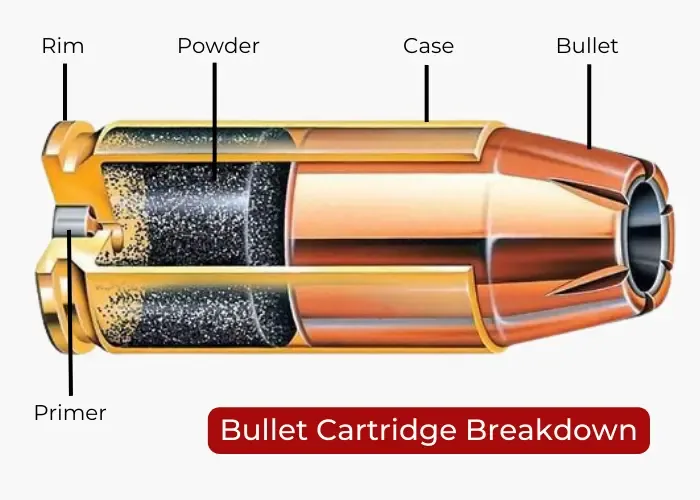
This longevity isn't a guarantee, though. Environmental factors play a massive role, turning what could be decades of service into just a few years if ignored. The core components, the powder, primer, and casing, are all susceptible to degradation.
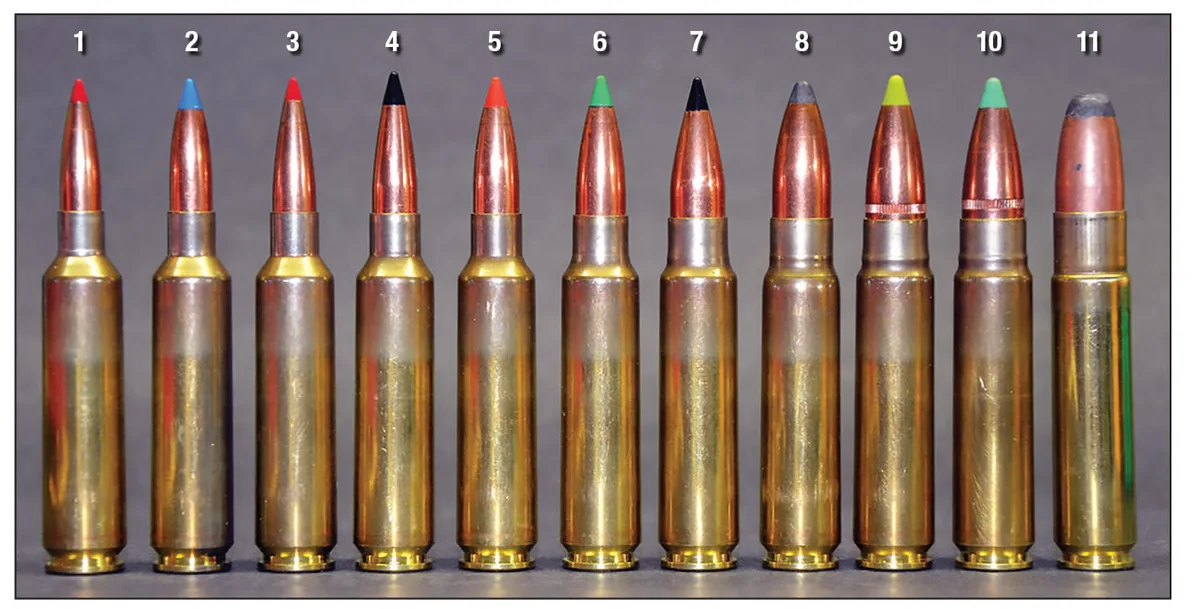
Image source: Bing (Web (fair-use with source credit))
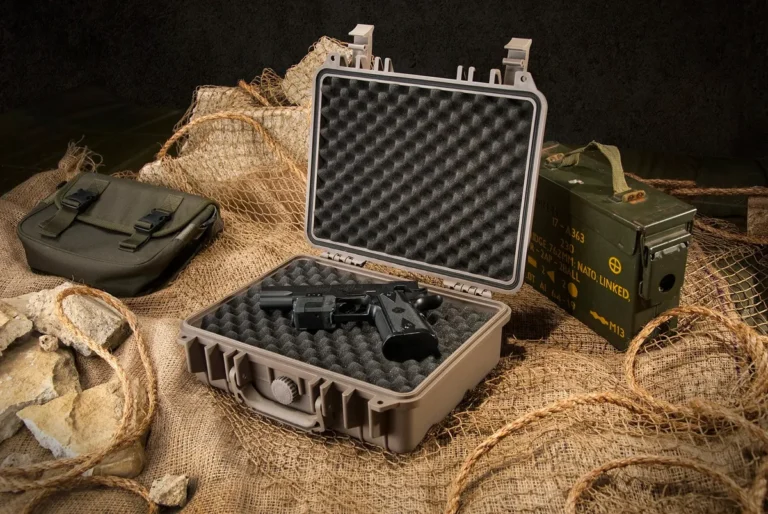
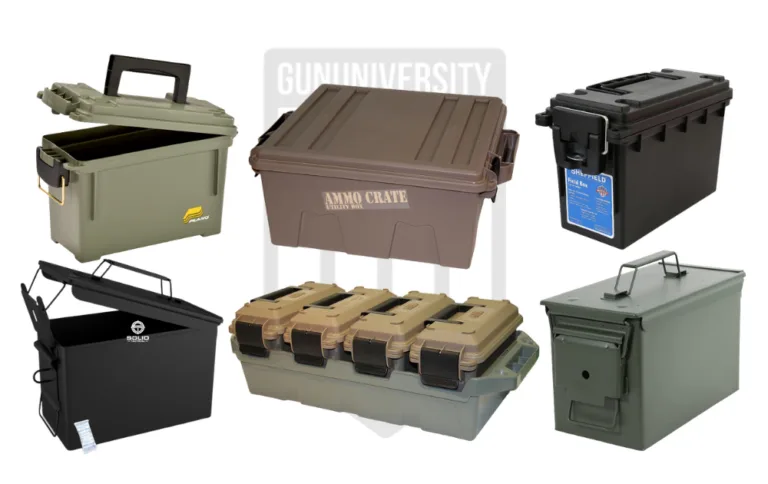
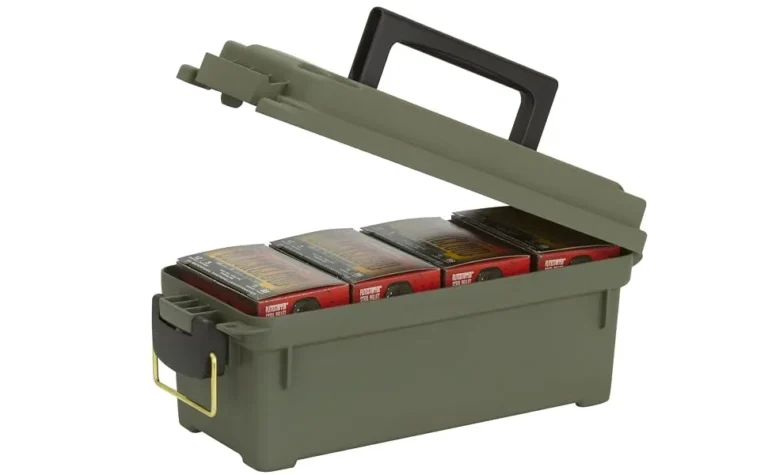
To combat these issues, specialized storage solutions are recommended. Ammo cans with airtight seals are a good start, especially when paired with desiccant packs to absorb any residual moisture. For long-term storage, vacuum-sealing cartridges in heavy-duty bags can provide an excellent barrier against environmental factors.
The Impact of Storage: What Really Matters
The single biggest factor influencing how long ammunition lasts is how it's stored. Think of your ammo like fine wine or sensitive electronics; it needs a stable environment to prevent premature aging. The primary enemies are moisture, extreme temperatures, and direct sunlight.
- Temperature: Wide temperature fluctuations are terrible for ammunition. Rapid heating and cooling can cause expansion and contraction of materials, potentially affecting the seal between the primer and casing, or even the powder's stability. Ideal storage temperatures are generally cool and consistent, typically between 50°F and 70°F (10°C to 21°C). Consistently high temperatures, especially above 100°F (38°C), can accelerate powder degradation.
- Humidity: Moisture is perhaps the most damaging factor. Even small amounts of humidity can penetrate the seal of a cartridge and begin to break down the primer compounds and the smokeless powder. This leads to misfires or reduced performance. It’s why keeping ammo dry is paramount.
- Light: While less impactful than temperature and humidity, prolonged exposure to direct sunlight can also contribute to the degradation of ammunition components over long periods. UV rays can accelerate chemical changes in the powder and primer.
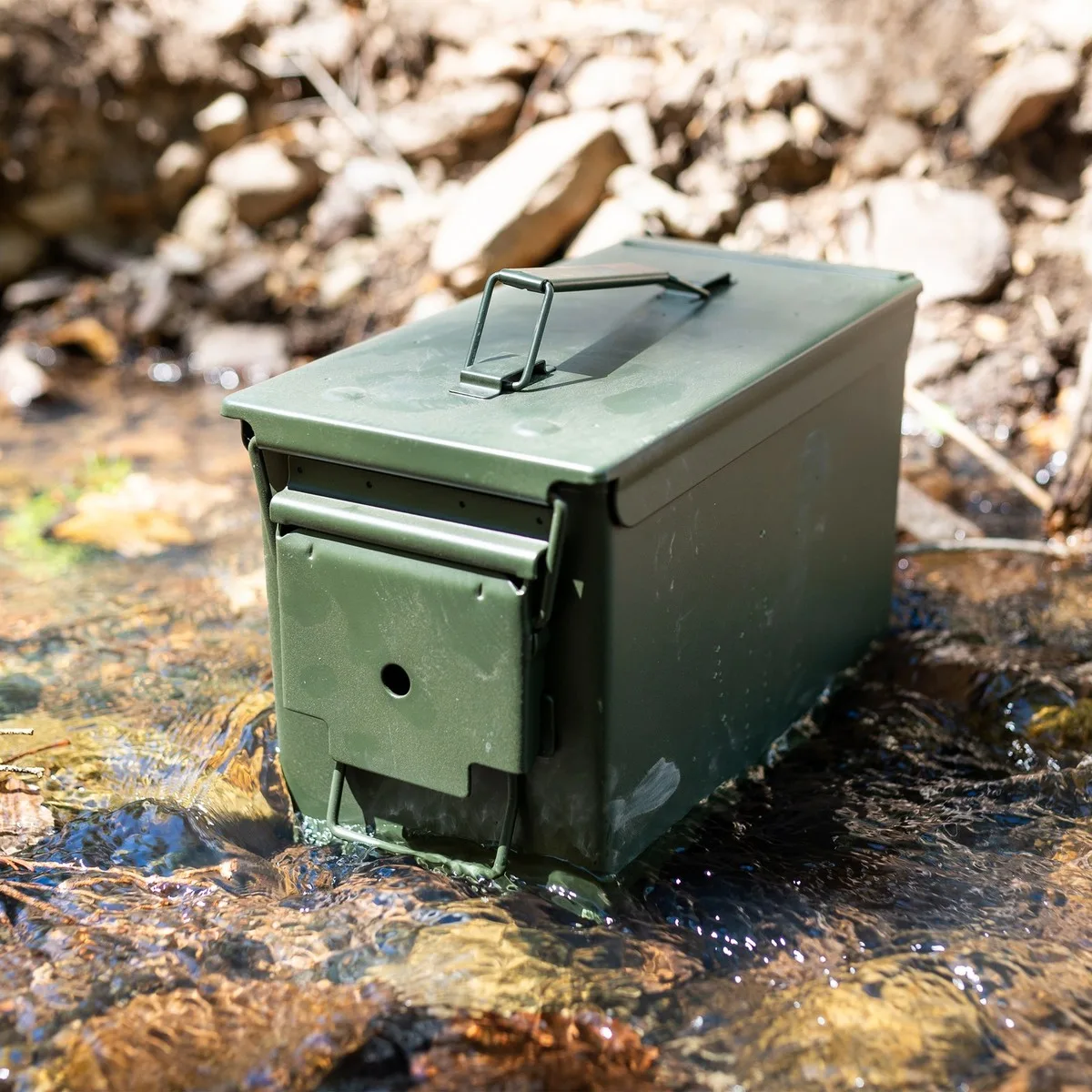
Image source: Bing (Web (fair-use with source credit))
Signs Your Ammunition Might Be Compromised
While you can't always tell if ammunition is bad just by looking at it, there are several visual cues and performance indicators that suggest it might be time to retire those rounds. Being able to spot these signs can prevent dangerous malfunctions or simply wasted attempts at the range. Aggregate user feedback and industry maintenance guidelines highlight these common indicators.
- Corrosion: This is one of the most obvious signs. Look for any green, white, or powdery residue on the brass or metal components of the cartridge. This indicates moisture ingress and chemical breakdown. Deep pitting on the casing is also a red flag.
- Bulging or Dents: If the casing appears swollen, dented, or deformed in any way, it's a sign of structural compromise. This can lead to feeding issues in your firearm.
- Faded or Cracked Primer Sealant: Many primers have a colored sealant (often red or black) around the edge. If this sealant is cracked, faded, or missing, it suggests the primer may have been exposed to moisture.
- Loose Bullet: A bullet that is noticeably wobbly or loose in the casing is a concern. This can happen if the powder has degraded or if the casing has been compromised.
- Corroded Case Mouth: The opening of the casing where the bullet sits can sometimes show signs of corrosion, similar to the rest of the casing.
Image source: Bing (Web (fair-use with source credit))
If you notice any of these issues, especially with older ammunition or rounds stored in less-than-ideal conditions, it’s wise to err on the side of caution and consider them unreliable.
Extending Ammo Life: Best Storage Practices
Maximizing the lifespan of your ammunition is all about creating a stable, protective environment. Based on recommendations from firearm manufacturers and the National Shooting Sports Foundation, adhering to a few key practices can help your rounds last for decades. The goal is to create a barrier against the elements that cause degradation.
Here’s a breakdown of best practices:
- Control the Environment:
- Temperature: Store ammo in a cool place with minimal temperature fluctuations. Avoid attics, uninsulated garages, or direct sunlight. Basements or climate-controlled storage areas are ideal.
- Humidity: Keep it dry! Use airtight containers like military-style ammo cans or high-quality plastic storage boxes with rubber gaskets. Desiccant packs (like silica gel beads) can absorb residual moisture within sealed containers.
- Protect from Light: Store ammunition in its original packaging or in opaque containers to shield it from UV rays.
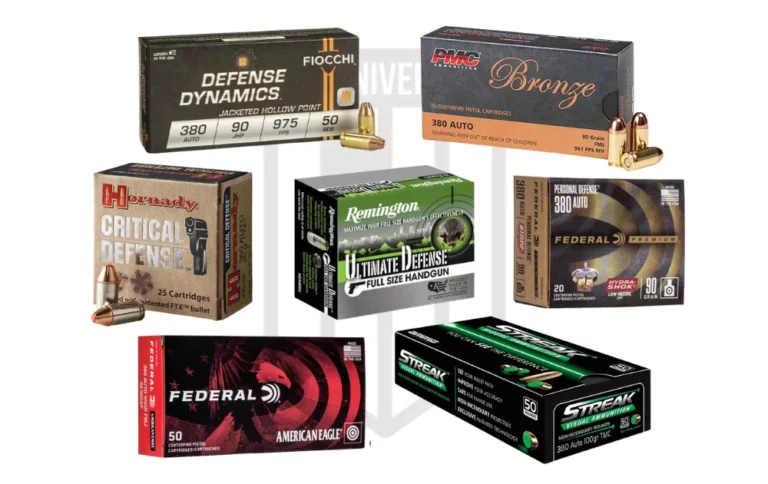
- Use Original Packaging: Ammunition often comes in sturdy cardboard boxes designed for protection. Keep it in these unless you have a superior storage method.
- Consider Advanced Sealing: For very long-term storage or storage in humid regions, vacuum-sealing cartridges in heavy-duty, moisture-proof bags is an excellent strategy. This creates a robust barrier against air and moisture.
- Keep Rounds Upright: While not as critical as environmental control, storing cartridges upright in their boxes can help prevent bullet setback, especially if the ammunition is handled frequently.
Following these steps helps preserve the integrity of the powder and primer, ensuring your ammunition remains reliable for many years, potentially for 20-30 years or more.
When to Absolutely Get Rid of Old Ammo
Knowing when ammunition has reached the end of its useful life is crucial for safety. While many rounds can last for decades under good conditions, there comes a point where degradation makes them unreliable or even dangerous. Industry guidelines and common practice suggest discarding ammunition that shows significant signs of aging or damage.
Here are definitive reasons to discard your ammunition:
- Visible Corrosion: Any significant green, white, or powdery residue on the casing, primer, or bullet indicates severe moisture damage. This is usually irreparable.
- Structural Damage: Bulging, significant dents, or bent casings mean the integrity of the cartridge is compromised. These rounds can cause feeding or extraction failures.
- Suspected Moisture Exposure: If you know or suspect the ammunition has been submerged in water, stored in extreme dampness for extended periods, or exposed to significant condensation, it’s best to err on the side of caution.
- Primer or Casing Cracks: Any visible cracks in the casing or primer are a critical failure point.
- Inconsistent Performance: If you've fired a batch of older ammunition and experienced a high rate of misfires, weak rounds, or significantly varied point-of-impact, it’s a strong indicator that the powder or primer has degraded.
How to Safely Dispose of Ammunition
Discarding old ammunition requires care. Never throw it in the trash, as this can be dangerous. The best approach is to contact your local law enforcement agency or a local shooting range.
Many will accept old or unwanted ammunition for safe disposal, often by rendering it inert or by controlled destruction. Some hazardous waste disposal facilities also accept ammunition. Always confirm their specific procedures before bringing it in.
The information provided herein is for general informational purposes only and does not constitute professional advice. Ammunition handling and disposal require adherence to local laws and safety regulations. Always consult with local authorities or qualified professionals for specific guidance.
Real-World Ammo Lifespans: What We See
It’s one thing to read manufacturer specs about ammo lasting 20 or 30 years, but what does that look like in practice for actual users? Based on our research, which aggregates reports from long-time shooters, collectors, and those who maintain significant ammunition stockpiles, real-world lifespans can be quite impressive, but often come with caveats.
Generally, ammunition stored in climate-controlled environments, meaning cool, dry, and out of direct light, consistently performs well for 20 to 30 years. We’ve seen reports of .22LR cartridges, often stored in bulk, still firing reliably after 40 years when kept in sealed ammo cans. Similarly, high-quality centerfire cartridges like those from reputable brands such as Federal Premium or Hornady, when stored in an interior closet or dedicated temperature-stable safe, often show minimal degradation even after 25 years.
However, the story changes dramatically for ammunition stored in less-than-ideal conditions. Rounds kept in a shed or uninsulated garage, where temperatures can swing from freezing in winter to well over 100°F (38°C) in summer, typically see their effective lifespan cut in half, if not more. Users commonly report that ammunition stored this way, even if it appears outwardly fine, starts exhibiting performance issues after about 10 to 15 years.
This might manifest as primers that are harder to ignite, noticeably weaker muzzle velocity, or complete misfires.
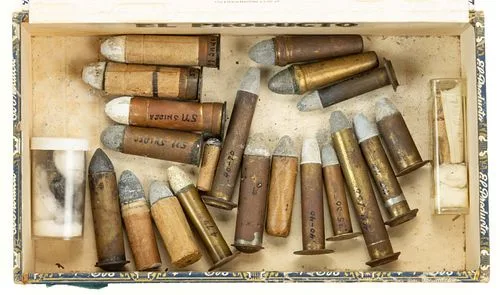
A classic case study often cited involves military surplus ammunition, which, while robustly manufactured, has often endured varying storage conditions over its service life. While some surplus rounds might still be viable after decades, many others fail to perform due to exposure to humidity or temperature extremes during their operational history. This highlights that the history of the ammunition, not just its age, is a critical factor in its current reliability.
As of 2026, the consensus among experienced firearm owners is that while modern manufacturing has improved longevity, diligent, stable storage remains the paramount factor for ensuring ammunition remains safe and effective for decades.
Safety First: Avoiding Ammo Hazards
When dealing with ammunition, especially older or stored rounds, safety is non-negotiable. The potential risks associated with degraded or improperly handled ammunition are significant, ranging from minor malfunctions to dangerous firearm failures. Our research into accident reports and safety bulletins from firearms organizations consistently points to several key areas where mistakes can occur.
The most immediate danger is a misfire. A primer that has lost its potency due to moisture or age simply won't ignite the powder. While this is usually just an inconvenience, it can become a serious problem if it happens unexpectedly in a critical self-defense situation.
Worse still is the risk of a squib load or a catastrophic firearm failure. A squib load occurs when the primer ignites, but the powder charge is so diminished that the bullet only partially exits the barrel, or gets lodged inside. This blockage can lead to a dangerous pressure buildup if a subsequent round is fired, potentially causing the firearm to rupture.
Similarly, corroded casings can weaken the structural integrity of the cartridge, leading to blowouts or case head separation upon firing.
To mitigate these risks:
- Inspect Thoroughly: Always visually inspect ammunition for signs of corrosion, bulging, or damage before loading.
- Test Older Lots: If you have ammunition that is many years old, consider testing a small sample at the range under controlled conditions before relying on it for critical use. Pay close attention to any unusual sounds, recoil, or performance.
- Proper Disposal: Never discard old or suspect ammunition in regular household trash. Contact your local law enforcement or a reputable shooting range for guidance on safe and legal disposal methods. They can often safely destroy it.
- Handle with Care: Always treat ammunition with respect. Avoid dropping it, exposing it to extreme heat, or puncturing the casing or primer.
By understanding these potential hazards and taking preventative measures, you can significantly reduce the risk of accidents and ensure your firearms operate safely and reliably.
Frequently Asked Questions About Ammunition Lifespan
How long does ammunition last if stored in its original box?
Ammunition stored in its original box, provided the box is kept in a cool, dry environment away from direct sunlight, can last for 20 to 30 years or even longer. The original packaging offers some protection, but the environmental conditions are more critical than the packaging itself for extended longevity.
Is it safe to shoot ammunition that is 50 years old?
It can be, but it's not guaranteed. Fifty-year-old ammunition, especially if stored in optimal conditions (cool, dry, dark), may still be perfectly functional. However, without knowing its storage history, it's essential to inspect it carefully for any signs of corrosion or degradation.
Testing a small sample at the range is highly recommended before relying on it.
What happens if powder degrades in old ammunition?
Degraded powder typically loses its potency. This can result in significantly reduced muzzle velocity, leading to poor accuracy, or even a failure to fire (a misfire). In some cases, degraded powder can burn unevenly or too quickly, potentially causing dangerous pressure spikes, though this is less common than loss of power.
Can humidity ruin ammunition?
Yes, humidity is one of the biggest enemies of ammunition. Moisture can penetrate the seals around the primer and casing, degrading the sensitive chemical compounds in the primer and the smokeless powder. This leads to increased misfire rates and decreased performance.
Keeping ammunition in airtight containers with desiccants is crucial in humid environments.
Should I store ammunition in a refrigerator or freezer?
Generally, no. While cold temperatures can slow degradation, refrigerators and freezers often contain significant humidity. When you remove ammunition from such an environment, condensation can form on the cold metal as it warms up, introducing moisture.
Stable, cool, and dry conditions are far better than fluctuating cold and potentially damp environments.