What Is Practice Ammunition?
Ever wondered about that distinction between the ammo you see at the range and the stuff advertised for self-defense? Understanding practice ammunition is key for anyone looking to shoot more often and affordably. It's not about cutting corners; it's about smart training that makes sense for your wallet and your skill development.
This guide dives into what practice ammo is, why you'd use it, and what separates it from other specialized rounds. We'll break down the common types and the scenarios where they shine, helping you make informed decisions about your shooting practice.
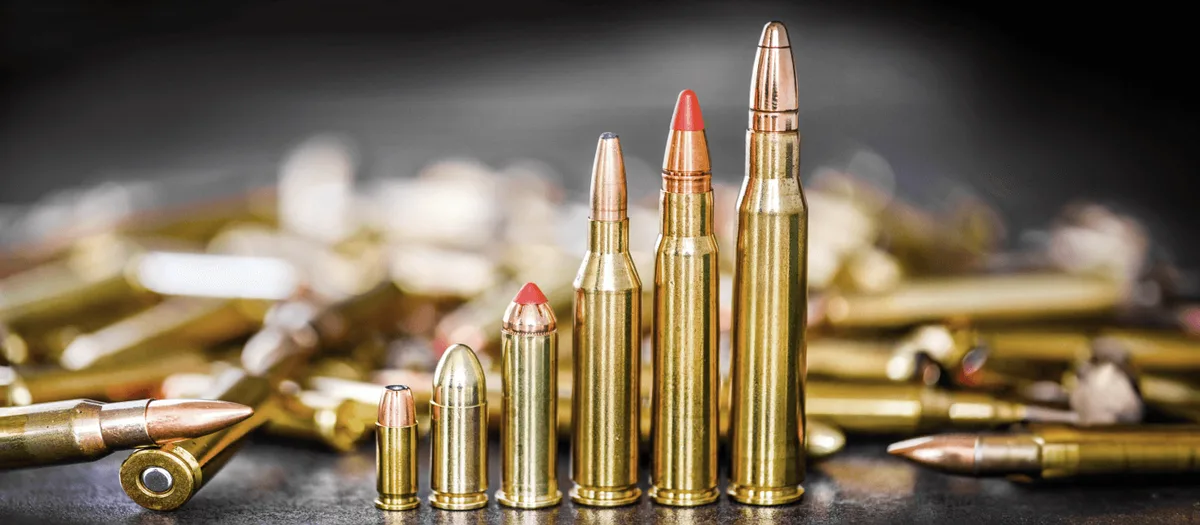
Image source: Bing (Web (fair-use with source credit))
Quick Answer
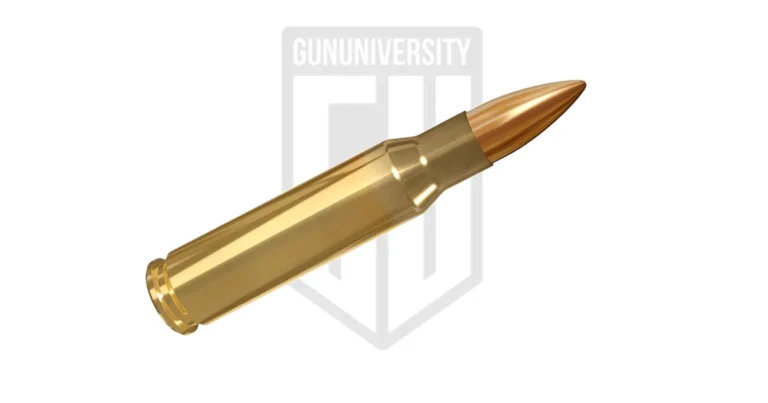
Practice ammunition, often called target or training ammunition, is specifically loaded for recreational shooting and skill development. It generally costs less and may have reduced recoil compared to self-defense or hunting rounds. Its primary function is to allow frequent, safe, and economical practice of firearm handling and marksmanship.
Why Choose Practice Ammo? The Upsides for Shooters
The main draw for practice ammunition is clear: it makes shooting more accessible and affordable. In our research, the cost difference between practice rounds and premium self-defense or hunting ammunition can be significant, sometimes as much as 30-50% less per round. This allows shooters to put in more trigger time for the same budget.
Beyond cost savings, many practice loads are engineered with reduced recoil. For instance, standard .223 Remington rounds can generate around 3-4 foot-pounds of felt recoil, whereas some practice loads for the same caliber might be closer to 2-3 foot-pounds. This makes shooting more comfortable, especially for newer marksmen who are still developing their shooting form and control.
It helps build confidence without the jarring feedback that can sometimes lead to flinching.
Key Differences: Practice Ammo vs. Other Types
It's crucial to understand that practice ammunition is not a one-size-fits-all solution. Its design is geared towards specific applications, and using it outside those parameters can be ineffective or even unsafe. Here’s a breakdown of what separates it from other common ammunition types.
Self-Defense Rounds
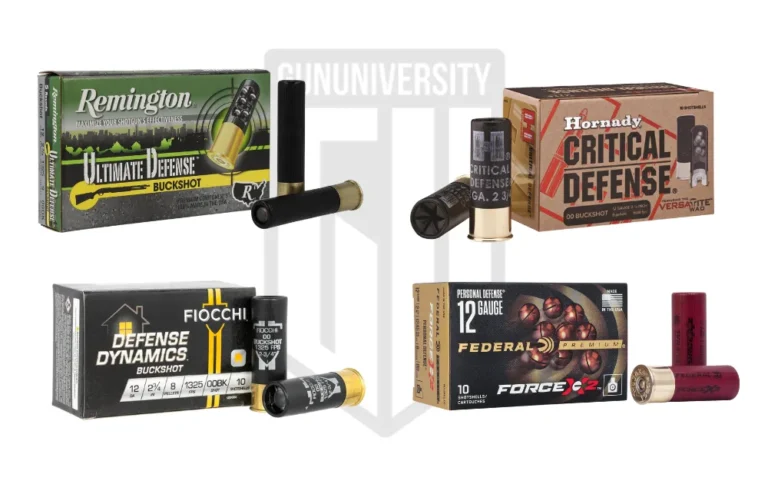
Self-defense ammunition is engineered for maximum effectiveness in a critical situation. Manufacturer specifications often highlight features like controlled expansion and deep penetration, designed to incapacitate a threat quickly and reliably. This often comes at a higher price point due to specialized components and rigorous testing.
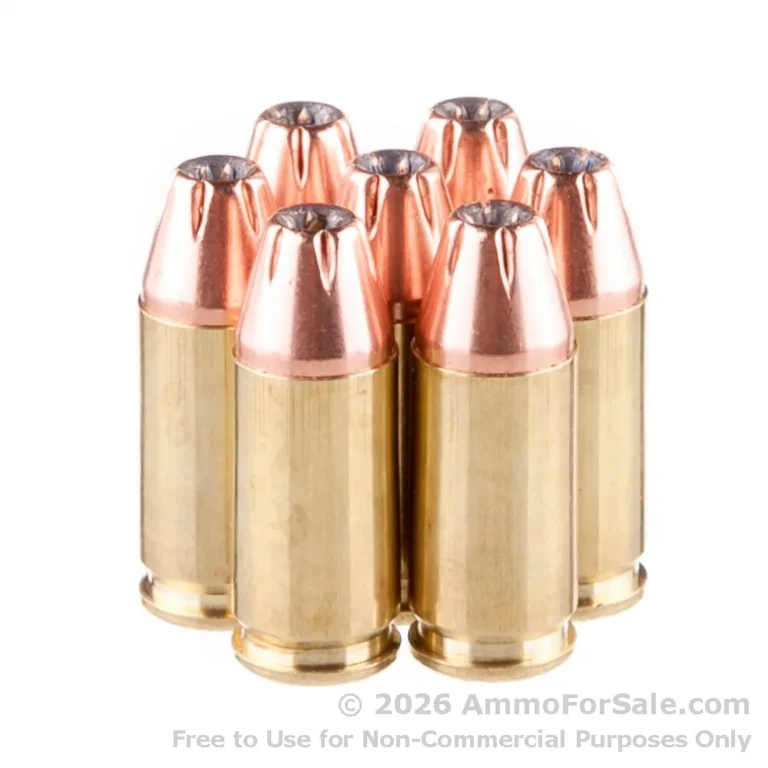
For example, high-quality jacketed hollow-point (JHP) rounds, common for self-defense, are designed to expand upon impact, creating a larger wound channel. Practice ammunition, conversely, is not built for this terminal ballistics performance.
Hunting Rounds
Ammunition for hunting is also purpose-built, focusing on humane and effective game termination. These rounds often prioritize controlled expansion or deep penetration, depending on the game animal's size and type. Factors like ballistic coefficient and energy transfer are paramount to ensure a clean and ethical harvest.
While some hunting rounds might share similarities with high-quality target ammo in terms of accuracy, their internal ballistics and bullet construction are optimized for specific game requirements. This is different from the economy and comfort focus of practice ammo.
Frangible Ammunition: A Special Case
Frangible ammunition is a unique category primarily used for training, especially in indoor ranges or when shooting steel targets at close distances. These projectiles are made from powdered metal compressed into a solid form, designed to break apart upon impact with hard surfaces. This significantly reduces the risk of dangerous ricochets.
Aggregate reviews and manufacturer data confirm that frangible rounds are essential for certain training scenarios where conventional bullets could pose a safety hazard. However, frangible rounds can be more expensive than standard practice ammunition and may not perform optimally in all firearm types.
Image source: Bing (Web (fair-use with source credit))
Who Uses Practice Ammunition and Why?
Practice ammunition serves a broad spectrum of firearm users, each with distinct reasons for choosing it. Its versatility makes it a staple for consistent training and skill refinement.
For New Shooters
For individuals just beginning their journey with firearms, practice ammunition is often a gateway. Its lower recoil properties, as mentioned, make it significantly more comfortable to shoot. This comfort is vital for building proper shooting technique and confidence.
A new shooter who experiences excessive recoil might develop bad habits like flinching or poor grip. By using reduced-recoil practice loads, they can focus on mastering fundamentals like sight alignment, trigger control, and stance without being overwhelmed by the firearm's feedback.
For Experienced Marksmanship Training
Even seasoned shooters rely heavily on practice ammunition for maintaining their proficiency. Professional training courses and competitive shooters, for instance, often log thousands of rounds annually. Using standard duty or hunting rounds for this volume of practice would be prohibitively expensive.
Instead, they opt for cost-effective practice ammunition to hone their skills, work on speed drills, and perfect their accuracy. This allows for consistent training that keeps their reflexes sharp and their aim true, as confirmed by aggregate feedback from competitive shooting communities.
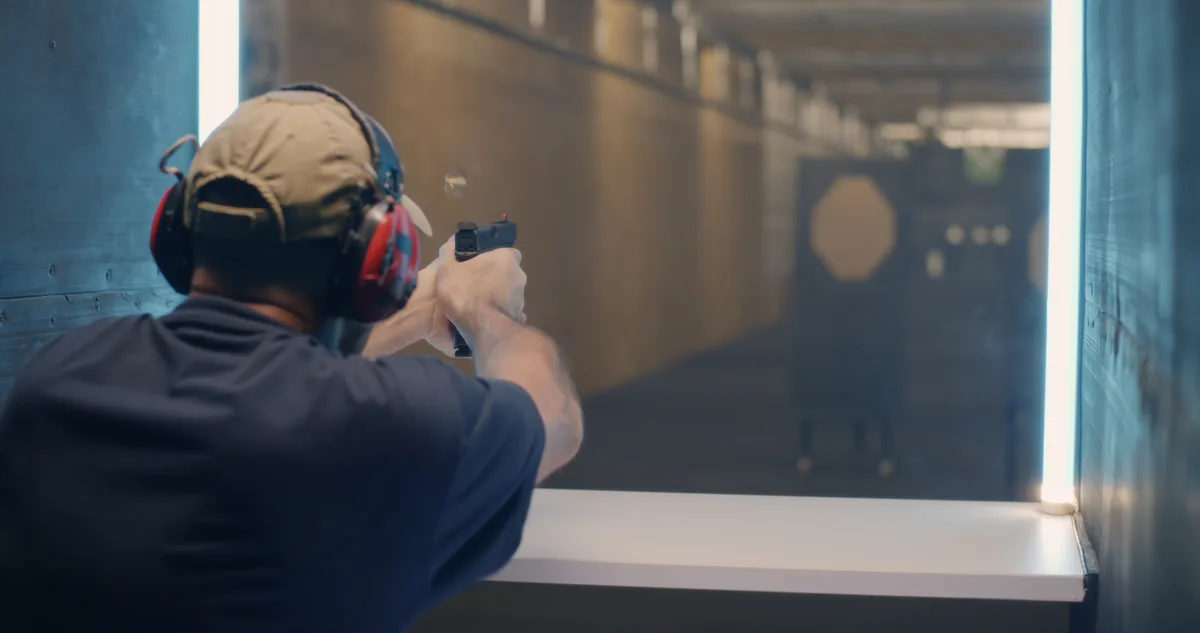
Image source: Bing (Web (fair-use with source credit))
Risks and What to Watch Out For
While practice ammunition offers many benefits, it’s crucial to be aware of its limitations and potential pitfalls. Misunderstanding its intended purpose can lead to disappointment or, more importantly, unsafe situations.
Mistakes with Ammunition Purpose
The most significant risk is using practice ammunition for roles it's not designed for, particularly self-defense or hunting. Practice rounds typically do not exhibit the controlled expansion or penetration necessary for effective terminal ballistics. If you were to use practice ammo in a defensive scenario, it might not perform as expected, potentially failing to stop a threat effectively.
Similarly, for hunting, it lacks the specific construction required for humane game takedown. Always verify the intended application of your ammunition.
Safety and Handling Best Practices
When handling any ammunition, safety is paramount. While practice rounds are generally safe for target shooting, certain types, like blanks, require extreme caution. Blank ammunition produces a muzzle blast and can expel hot gases and debris, posing a significant risk of burns or injury at close range.
Per firearm safety guidelines from organizations like the National Shooting Sports Foundation, always treat every firearm as if it were loaded and be aware of your surroundings. Ensure your firearm is functioning correctly, and never use ammunition that is damaged or shows signs of defect. As of 2026, adherence to established safety protocols remains the bedrock of responsible firearm ownership and use.
Common Questions About Practice Ammunition
Can I use practice ammunition for self-defense?
No, practice ammunition is not designed for self-defense. Its construction prioritizes affordability and recoil reduction over the critical terminal ballistics required for stopping threats, such as controlled expansion and deep penetration. Using it for defense could lead to inadequate results.
Is practice ammunition less accurate than other types?
Accuracy can vary, but high-quality practice ammunition is often very accurate, suitable for target shooting and marksmanship training. However, specialized match-grade ammunition might offer slightly tighter groupings for competitive precision. The key is to find practice rounds that function reliably and accurately in your specific firearm.
Does practice ammunition wear out my firearm faster?
Generally, no. Practice ammunition is designed to function within safe operating parameters for most firearms. In fact, some practice rounds with reduced recoil can actually be gentler on a firearm's components than full-power loads, especially during extensive training sessions.
Always consult your firearm's manufacturer for specific ammunition recommendations.
Can I use practice ammo in any gun?
While practice ammunition is designed to be widely compatible, it's always best to check your firearm's manual or manufacturer's specifications. Some highly specialized or competition firearms may have specific ammunition requirements. However, for most standard handguns and rifles, common practice rounds are perfectly suitable.
Is blank ammunition considered practice ammunition?
Blank ammunition is a type of training ammunition, but it's distinct from standard practice rounds. Blanks lack a projectile; they only produce a muzzle flash and sound. They are used for simulating gunfire in tactical training or film production but are not for target shooting or developing marksmanship skills.
Making the Right Choice for Your Needs
Ultimately, selecting the right ammunition hinges on your specific goals. For regular trips to the range, honing your skills, or simply enjoying shooting without breaking the bank, practice ammunition is an excellent choice. Its affordability and often reduced recoil make it ideal for building confidence and consistency.
Remember that practice ammunition serves a purpose: practice. When the stakes are higher, such as for personal protection or hunting, always opt for ammunition specifically engineered for those critical tasks. Understanding the differences ensures you’re always using the right tool for the job, promoting both safety and effectiveness.