Why Does Ammunition Performance Vary Between Firearms?
You've probably noticed that the same brand and caliber of ammunition can shoot differently from one firearm to another. It’s not just your imagination or a trick of the light; there are solid, scientific reasons behind these performance variations. Understanding why this happens is key to both accuracy and safety when you’re handling firearms.
This phenomenon stems from the intricate interaction between your specific firearm’s design and the ammunition itself. Even subtle differences in how a firearm is built, such as its barrel length or rifling twist rate, can significantly alter the bullet's velocity and stability. Manufacturer specifications from brands like Hornady or Federal often detail optimal performance parameters, but real-world results depend on the complete system.
Quick Answer
Ammunition performance varies between firearms primarily due to differences in barrel length, rifling twist rate, and chamber dimensions. A longer barrel allows gunpowder gases more time to push the bullet, increasing velocity. The twist rate stabilizes the bullet, impacting accuracy.
Even slight variations in bore size and chamber design affect how the bullet exits the barrel. As of 2026, these fundamental physics principles remain constant across all firearm platforms.
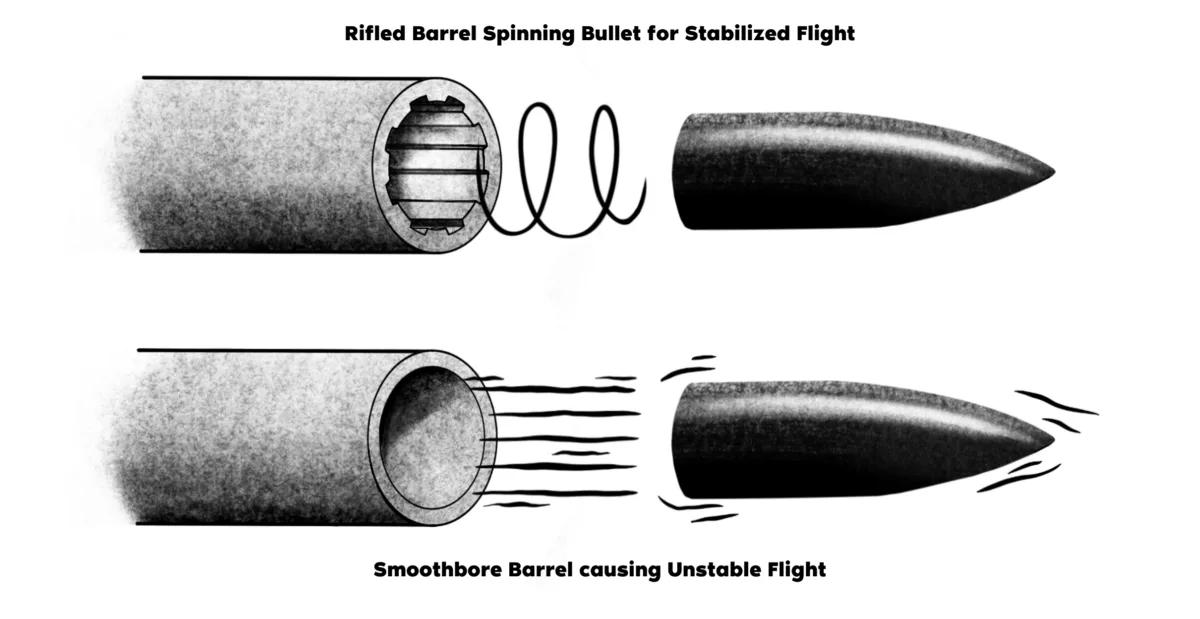
Image source: Bing (Web (fair-use with source credit))
The Core Mechanics: What's Actually Happening
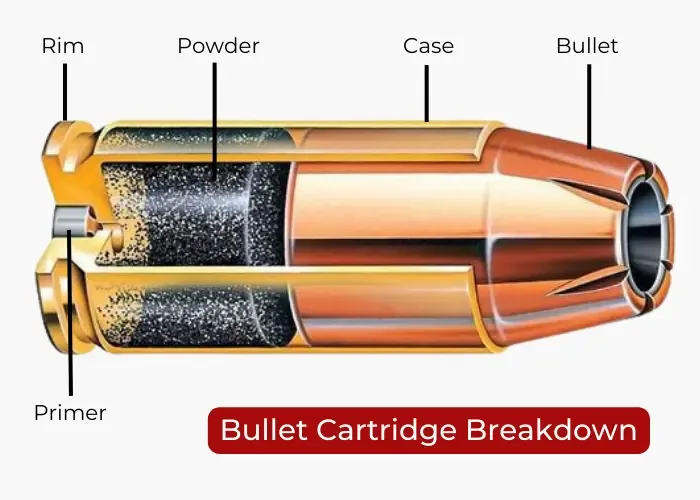
At its heart, a firearm is a system designed to propel a projectile using controlled explosive force. When you pull the trigger, gunpowder rapidly burns, creating expanding gases that push the bullet down the barrel. How effectively those gases do their work, and how smoothly the bullet is guided and released, directly dictates its performance downrange.
This isn't about the ammo being "good" or "bad," but rather about how well it's optimized for the particular firearm it's fired from.
Think of it like launching a perfectly made dart. If you throw it with a standard motion, it will fly a certain way. But if you change the angle of your release, the force of your throw, or the type of tip on the dart, its flight path and impact will change.
Ammunition and firearms are far more complex, but the principle of how external factors influence projectile motion remains the same.
How Barrel Length and Twist Rate Make a Difference
This is one of the most significant factors influencing ammunition performance. Barrel length dictates how much time the expanding gases have to push the bullet, directly affecting its exit velocity.
- Barrel Length: A longer barrel, common in rifles, provides a longer track for the bullet to accelerate. This allows more of the powder's energy to be converted into forward momentum, resulting in higher muzzle velocity compared to the same cartridge fired from a shorter-barreled pistol. For example, a .223 Remington cartridge fired from a 20-inch rifle barrel might achieve velocities around 3,000 feet per second (fps), whereas from a 16-inch carbine, it could be closer to 2,800 fps. This difference in velocity impacts trajectory and energy delivery.
- Twist Rate: Inside every rifled barrel, there are spiral grooves designed to impart spin on the bullet. This spin stabilizes the bullet in flight, much like a spinning top stays upright. The twist rate, expressed as a ratio (e.g., 1:7", meaning one full rotation of the rifling for every seven inches of barrel length), needs to match the bullet's design. A faster twist rate (like 1:7") is generally better for stabilizing longer, heavier bullets, while a slower twist (like 1:12") is suited for lighter bullets. Firing a bullet that's too long for the barrel's twist rate can result in poor stabilization, leading to keyholing (the bullet hitting sideways) and drastically reduced accuracy. Conversely, a twist rate that's too fast for a very light bullet can impart excessive spin, potentially causing instability.
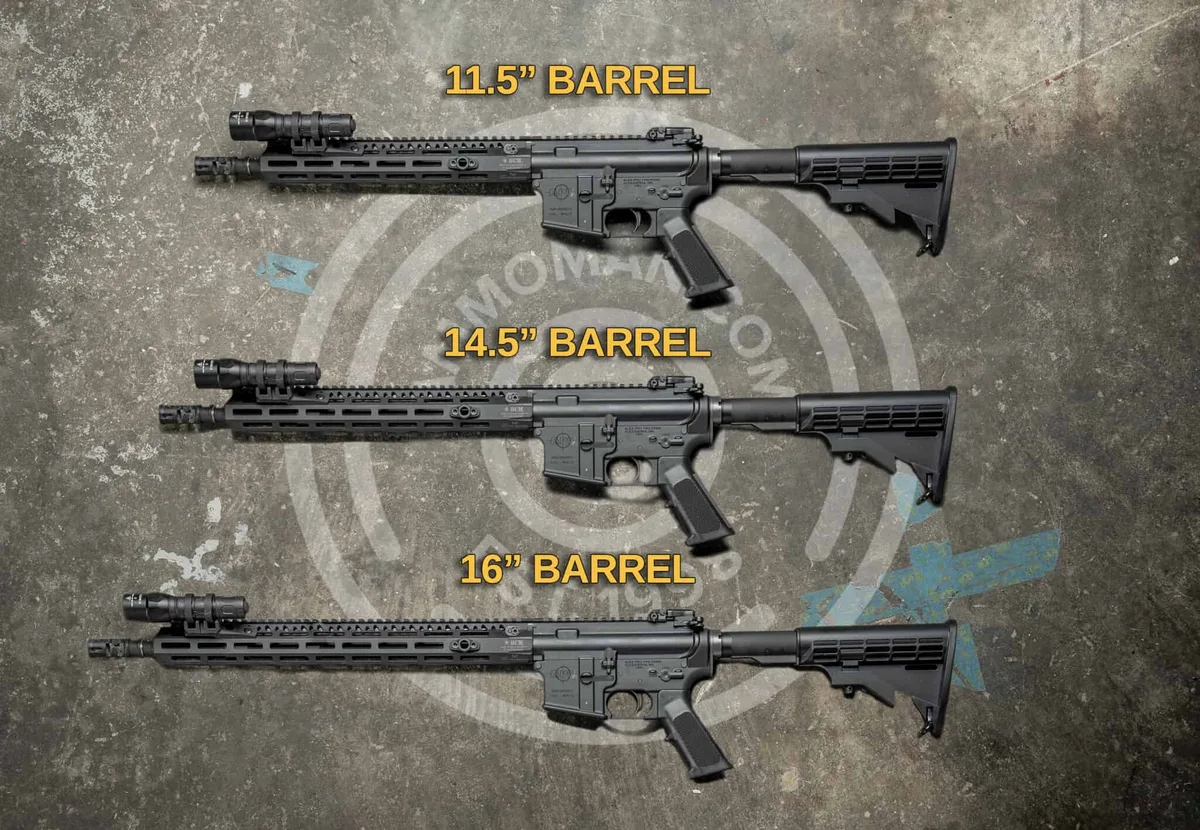
Image source: Bing (Web (fair-use with source credit))
The Role of Bullet Weight, Shape, and Construction
Beyond the firearm itself, the ammunition’s physical characteristics are paramount. Even within the same caliber, bullets can vary dramatically, and this directly affects how they perform when fired.
- Bullet Weight: Measured in grains (gr), bullet weight is a primary factor. Heavier bullets fired from the same firearm generally travel slower but retain more energy downrange due to their momentum. Lighter bullets travel faster but lose velocity and energy more quickly. For example, a 147-grain 9mm round will have a different trajectory and impact energy than a 115-grain 9mm round from the same pistol.
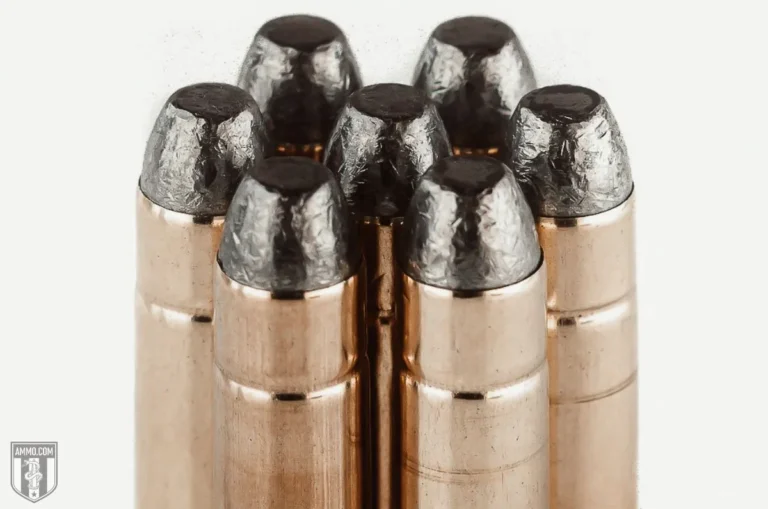
- Bullet Shape: The profile of the bullet nose, be it a flat nose, round nose, Spitzer (pointed), or hollow point, influences aerodynamics and terminal performance. Pointed bullets are generally more aerodynamic, while hollow points are designed to expand upon impact, increasing terminal ballistics.
- Bullet Construction: This refers to how the bullet is made. Full Metal Jacket (FMJ) bullets have a lead core encased in a copper jacket, designed for penetration and minimal expansion. Jacketed Hollow Points (JHPs) have a cavity in the nose intended to expand on impact, creating a larger wound channel. Lead bullets, often used in cast bullet applications, are softer and can deform more easily. The construction dictates how the bullet behaves when it encounters resistance.
Key Firearm Features That Impact Ammo Performance
Firearms are not monolithic; even within the same caliber, subtle design differences can lead to noticeable changes in how ammunition performs. These variations are rooted in the precise engineering of the gun's internal components and how they manage the forces of ignition.
Chamber and Bore Dimensions: Tiny Details, Big Effects
The chamber is where the cartridge case sits before firing, and the bore is the internal surface of the barrel that guides the bullet. Even minuscule differences here can have a significant impact on pressure, bullet seating, and exit velocity.
- Chamber Tolerances: Different manufacturers might have slightly different specifications for chamber dimensions. A tighter chamber can create higher pressures as the cartridge fires, potentially increasing velocity but also stress on the firearm. A looser chamber might allow gases to escape more readily, reducing pressure and velocity. This is particularly relevant when shooting ammunition that is slightly out of spec, or when reloading.
- Bore Diameter and Rifling: While cartridges are designated by caliber (e.g..308 Winchester), the actual bore diameter and the depth of the rifling can vary slightly between firearm manufacturers. These variations influence how the bullet engages the rifling and the seal formed, impacting gas escaping past the bullet (blow-by) and, consequently, velocity and accuracy.
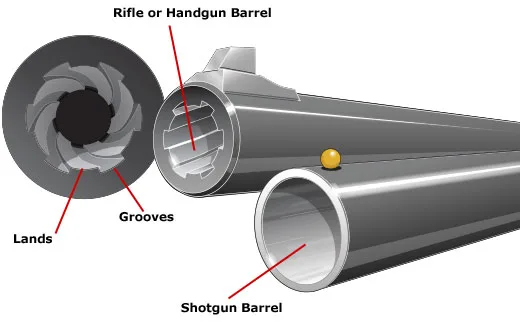
Image source: Bing (Web (fair-use with source credit))
How Your Firearm's Action Matters
The mechanism by which a firearm cycles rounds and locks into battery also plays a role in consistent ammunition performance. Different action types manage recoil and barrel harmonics differently.
- Lock-up: In semi-automatic pistols, the way the barrel locks into the slide can vary. Some designs feature a tilting barrel, while others use a different locking system. This lock-up mechanism affects how the firearm absorbs recoil and how quickly the barrel returns to its original position, which can influence the stability of the system for subsequent shots.
- Recoil Impulse: The overall feel and timing of the recoil generated by a cartridge can be different from one firearm to another, even if they fire the same round. A heavier firearm might absorb recoil more effectively, while a lighter one will transmit more of it to the shooter. This can affect the shooter's ability to maintain a consistent sight picture and trigger control, indirectly impacting perceived ammunition performance. Different action types (e.g., direct impingement gas systems vs. piston-driven in AR-style rifles) also manage recoil differently.
Ammunition's Own Variability
While we focus on why firearms alter performance, it's crucial to remember that ammunition isn't perfectly uniform, even within the same box. Manufacturing processes, while highly refined, inherently involve variables that can lead to slight differences from one round to the next. These internal variations in the ammo itself contribute to the overall performance spread you might observe.
Powder Charge and Primer Consistency
The chemical components of a cartridge are the engine of its performance. Even minor inconsistencies here can translate to noticeable differences downrange.
- Powder Charge: The amount and type of gunpowder loaded into a cartridge are critical. While manufacturers strive for extreme precision, small variations in powder weight can lead to slightly different pressure levels and muzzle velocities. For instance, a difference of just 0.2 grains of powder in a load could result in a velocity change of 10-20 fps. This is why match-grade ammunition is meticulously produced with tight tolerances on powder charges.
- Primer Ignition: The primer ignites the gunpowder. Inconsistent primer seating or compound sensitivity can lead to variations in ignition timing and intensity. This might not always be dramatic but can contribute to shot-to-shot variance, especially in high-precision shooting applications.
Bullet Design and Intended Purpose
Ammunition is not a one-size-fits-all product. It's designed with specific goals in mind, and using it in a context it wasn't built for will naturally lead to altered performance.
- Specific Purpose Loads: Ammunition is engineered for different applications. For example, rounds designed for hunting often prioritize controlled expansion on soft tissue to humanely dispatch game. Match-grade ammunition is designed for maximum accuracy, often with a boat-tail bullet profile for better aerodynamics and a precise jacket construction. Self-defense ammunition is engineered for reliable function in handguns and to achieve adequate penetration and expansion through common barriers, while not over-penetrating. Using a heavy hunting bullet designed for deep penetration from a firearm with a slow twist rate might not stabilize it properly, negating its intended effectiveness.
The Interplay: When Firearm Meets Ammunition
The true performance you experience is a complex dance between the capabilities of your firearm and the characteristics of the ammunition you’re using. It's not just about individual parts; it's about how they harmonize.
Pressure, Velocity, and Recoil Dynamics
The explosive force generated by gunpowder creates immense pressure within the firearm's chamber and barrel. How the firearm contains and directs this pressure dictates the bullet's exit velocity and the resulting recoil.
- Pressure Curves: Different powder types burn at different rates, creating unique pressure curves. A fast-burning powder might create a quick, sharp pressure spike, while a slow-burning powder produces a more sustained pressure push. A firearm's design, particularly its barrel length and strength, is engineered to safely handle specific pressure ranges, typically measured in pounds per square inch (PSI) or bars. For example, standard 9mm Luger ammunition operates at a maximum average pressure of around 35,000 PSI. Ammunition designated as "+P" (overpressure) is designed for higher pressures and requires a firearm rated to handle it. Firing +P rounds in a firearm not designed for them can be dangerous.
- Recoil Management: The felt recoil is a product of the bullet's mass and velocity, as well as the firearm's mass and how it absorbs or redirects energy. A firearm's design influences how this recoil impulse is transmitted to the shooter. This can affect perceived accuracy, as a harsh or erratic recoil can make it harder to stay on target for follow-up shots.
Matching Ammo to Your Firearm's Design
Understanding the intended purpose of both your firearm and the ammunition is crucial for predictable results. Using the wrong combination can lead to suboptimal performance or safety issues.
- Firearm Intention: A compact pistol designed for concealed carry has different priorities than a bolt-action rifle built for long-range precision. The pistol might have a shorter barrel and a faster rifling twist optimized for lightweight, fast-moving defensive rounds. The rifle, conversely, might have a longer barrel and a slower twist rate ideal for stabilizing heavier, aerodynamic bullets for distance. Firing a heavy, slow bullet from the pistol might not stabilize well, and firing a very light, fast bullet from the rifle might be inefficient.
- Ammunition Specifications: Manufacturers provide detailed specifications for their ammunition, including bullet weight, type, velocity, and intended use. For instance, some defensive ammunition is specifically designed to expand reliably from shorter handgun barrels, while rifle rounds might be optimized for higher velocities achievable from longer rifle barrels. Always consult your firearm’s manual for recommended ammunition types and any restrictions, such as those against using +P ammunition if the firearm is not rated for it. The National Shooting Sports Foundation (NSSF) provides general guidance on safe ammunition handling and selection.
Avoiding Common Pitfalls with Ammo Choice
Even with a good understanding of the mechanics, it's easy to fall into common traps when selecting and using ammunition. Recognizing these pitfalls can save you frustration, improve your shooting, and, most importantly, ensure safety.
When Accuracy Suffers: Common Mistakes
Many factors can contribute to a firearm not shooting as accurately as expected, and often, the ammunition or its compatibility with the firearm is a culprit.
- Twist Rate Mismatch: As discussed, firing a bullet too long for the barrel's twist rate is a prime cause of poor accuracy. A bullet that isn't spinning fast enough to stabilize will tumble in flight, leading to erratic shots, often referred to as "keyholing."
- Bullet Weight Incompatibility: Using a bullet weight that is significantly outside the optimal range for your firearm's twist rate or barrel length can also hurt accuracy. For example, a very light bullet might not be effectively stabilized by a slow twist rate, or a very heavy bullet might not reach optimal velocity from a short barrel.
- Inconsistent Ammunition: Even slight variations in powder charge or bullet seating from one cartridge to the next can cause flyers or wide shot groups. This is why using consistent, quality ammunition is important for achieving predictable accuracy.
Reliability Issues: What to Watch Out For
Beyond just hitting the target, reliable function, the smooth feeding, firing, and ejection of cartridges, is critical. Ammunition compatibility plays a huge role here.
- Oversized or Undersized Cartridges: While rare with factory ammunition, improperly loaded or reloaded cartridges can be too large to chamber, or too small to headspace correctly. This can cause feeding failures or, in extreme cases, unsafe pressure issues.
- Bullet Shape and Feeding: Certain bullet shapes, particularly very sharp or flat-nosed profiles, can sometimes cause feeding issues in firearms designed for more rounded bullets. The way the bullet feeds into the chamber can be influenced by the magazine design and the chamber’s geometry.
- +P and Overpressure Ammunition: Using +P or other higher-pressure ammunition in firearms not specifically rated to handle it can cause damage to the firearm, malfunctions, and pose a serious safety risk to the shooter. Always consult your firearm's manual for recommended ammunition types and any restrictions.
Expert Insights for Optimal Performance
Achieving the best possible performance from your firearm and ammunition isn't just about choosing the right components; it's about understanding how they interact and how to fine-tune that relationship. Expert advice often centers on methodical testing and a deep respect for the engineering involved.
Testing and Tuning: Finding Your Best Load
The most effective way to determine how ammunition performs in your specific firearm is through systematic testing. What works perfectly in one gun might be merely adequate in another, even if they are the same model.
- Bench Testing: For maximum accuracy, shooting from a stable rest (like a shooting bench with sandbags or a bipod) is essential. This eliminates shooter error and allows you to isolate the performance of the ammunition itself.
- Chronograph Use: Using a chronograph is invaluable for measuring actual muzzle velocity. You can then compare these measured velocities against manufacturer specifications and observe how different ammunition types perform across your firearm's specific barrel length. For example, if a manufacturer claims 2,800 fps for a certain load and you're only getting 2,600 fps from your rifle, it indicates a potential system mismatch or simply that your barrel is shorter than the test barrel used.
- Group Size Analysis: Consistently firing three- to five-shot groups and measuring their size is the standard for assessing accuracy. Comparing the average group sizes achieved with different ammunition types will reveal which ones your firearm prefers. You're looking for the load that consistently produces the smallest, tightest groups.
Understanding Your Firearm's Limitations
Every firearm is a product of design compromises and engineering choices. Knowing these limitations helps you select ammunition that plays to its strengths rather than exposing its weaknesses.
- Barrel Quality: The internal finish and consistency of the barrel’s rifling play a significant role in accuracy. A highly polished, well-cut barrel will generally allow a bullet to travel more smoothly, reducing friction and improving stability.
- Action Smoothness: The overall smoothness of a firearm's action, including the trigger pull and cycling of the bolt or slide, contributes to how easily a shooter can maintain control during firing. A rough or heavy trigger pull can pull the firearm off target just as the shot breaks, negatively impacting perceived accuracy.
- Design Intent: Remember that most firearms are designed for a primary purpose. A handgun intended for close-range self-defense is unlikely to achieve the same precision at 500 yards as a precision rifle designed for long-range marksmanship, regardless of the ammunition used. Understanding the firearm's design intent helps set realistic expectations for ammunition performance.
Frequently Asked Questions About Ammo Performance
What is the most significant factor influencing ammo performance variation?
The most significant factors are typically firearm-specific characteristics like barrel length and rifling twist rate, which directly affect bullet velocity and stability.
Can different ammunition brands perform vastly differently in the same gun?
Yes, even within the same caliber, differences in bullet construction, powder charge, and intended purpose mean that one brand or type of ammunition can shoot significantly more accurately or reliably in a particular firearm than another.
Does cleaning my firearm affect ammunition performance?
A clean firearm, especially a clean bore, generally leads to more consistent and accurate ammunition performance. Fouling can build up over time, affecting how the bullet engages the rifling and potentially reducing accuracy.
Is it safe to shoot different calibers of ammunition through my firearm?
Absolutely not. Never attempt to chamber or fire ammunition of a caliber different from what your firearm is chambered for. Doing so can cause catastrophic failure, serious injury, or death.
Always verify the caliber marking on your ammunition matches the caliber marking on your firearm.