What Is Ammunition Lot Number?
When you buy ammunition, you'll notice a string of letters and numbers stamped on the box or even the casing itself. This isn't just random noise; it's your ammunition lot number. Understanding what this number signifies is crucial for safe handling and for staying informed about potential manufacturing issues.
Manufacturer specifications indicate that each lot number provides a unique identifier for a specific production run of ammunition. This identifier is vital for traceability and accountability within the manufacturing process. Let's break down exactly what this means and why it's important for you.
Quick Answer
An ammunition lot number is a unique identifier assigned to a specific batch of manufactured ammunition. It allows manufacturers and users to trace a particular group of cartridges back to their production run. This is essential for quality control, identifying potential defects, and managing safety recalls efficiently.
Why Ammunition Lot Numbers Matter for Safety
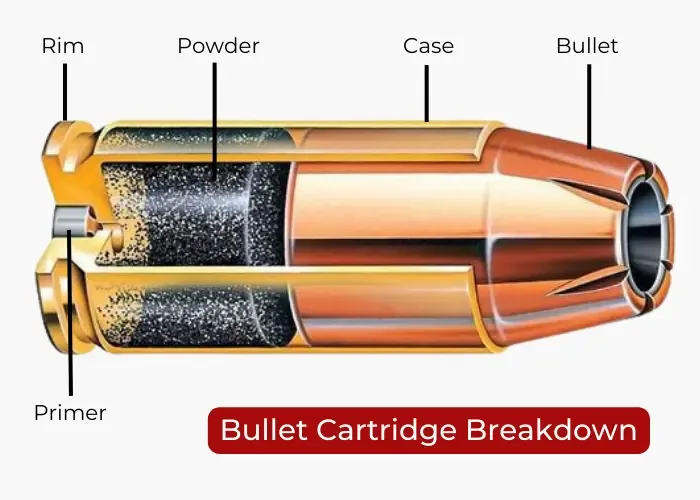
Think of an ammunition lot number as a digital fingerprint for a whole group of cartridges. If there's ever a problem with how a certain batch was made, maybe a primer issue or a propellant inconsistency, that lot number is the only way to pinpoint exactly which rounds are affected. Without this, a manufacturer would have a tough time figuring out which boxes or individual cartridges to recall.
Manufacturer specifications confirm that this system is fundamental to ensuring product safety. For instance, following standards like those outlined by the Sporting Arms and Ammunition Manufacturers' Institute (SAAMI) emphasizes traceability for all manufactured goods, including ammunition. This allows for swift action if a safety concern arises, protecting users from potentially dangerous ammunition.
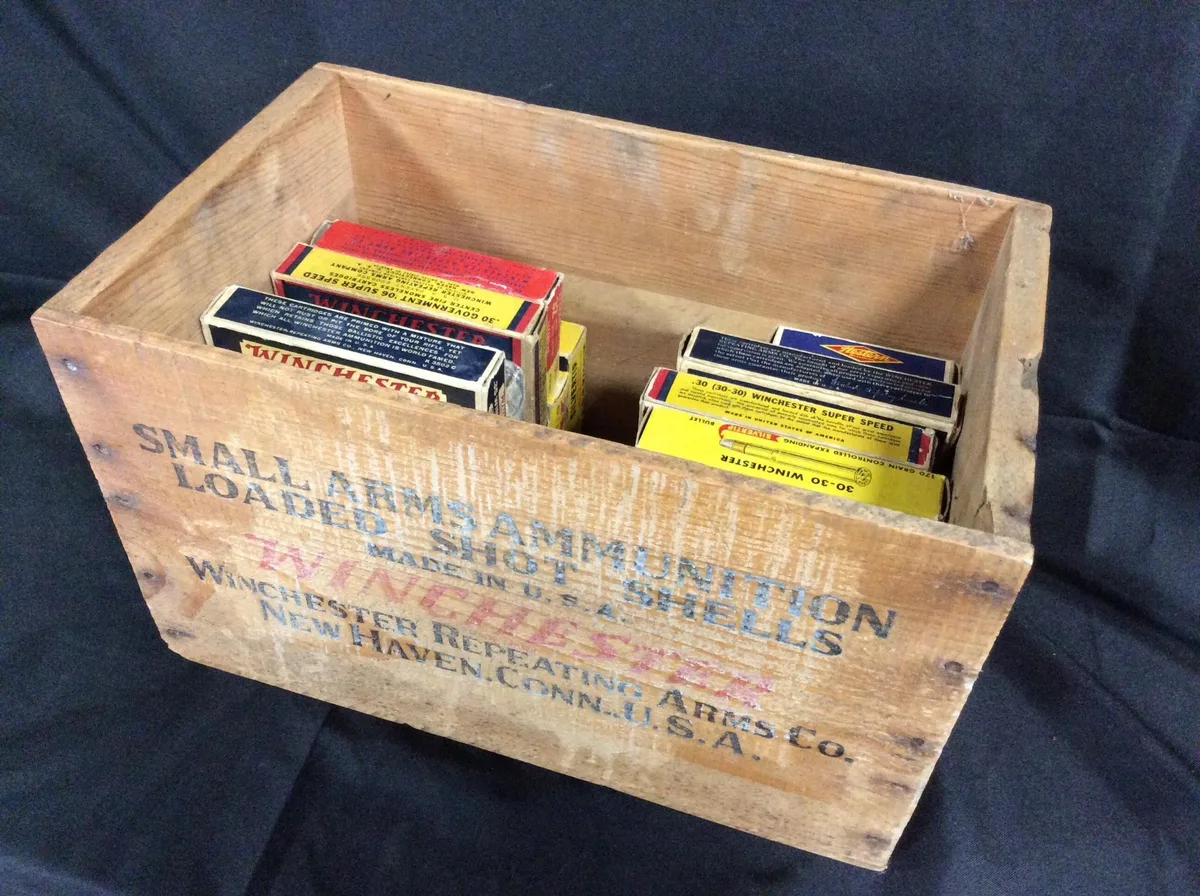
Image source: Bing (Web (fair-use with source credit))
Where to Find Your Ammunition Lot Number
Locating the lot number on your ammunition is usually straightforward, but it requires a close look. It's not always in the same place, so knowing where to check can save you time and hassle.
Checking the Box
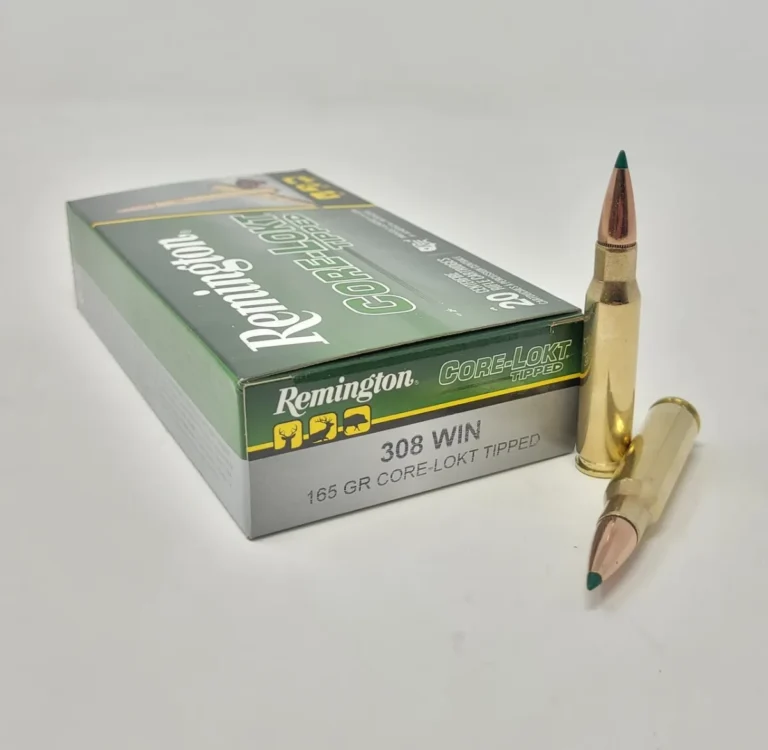
The most common place to find the ammunition lot number is printed directly on the packaging. This is typically on the cardboard or plastic box that your ammunition came in. You might see it stamped or printed along the edges, the lid, or the bottom.
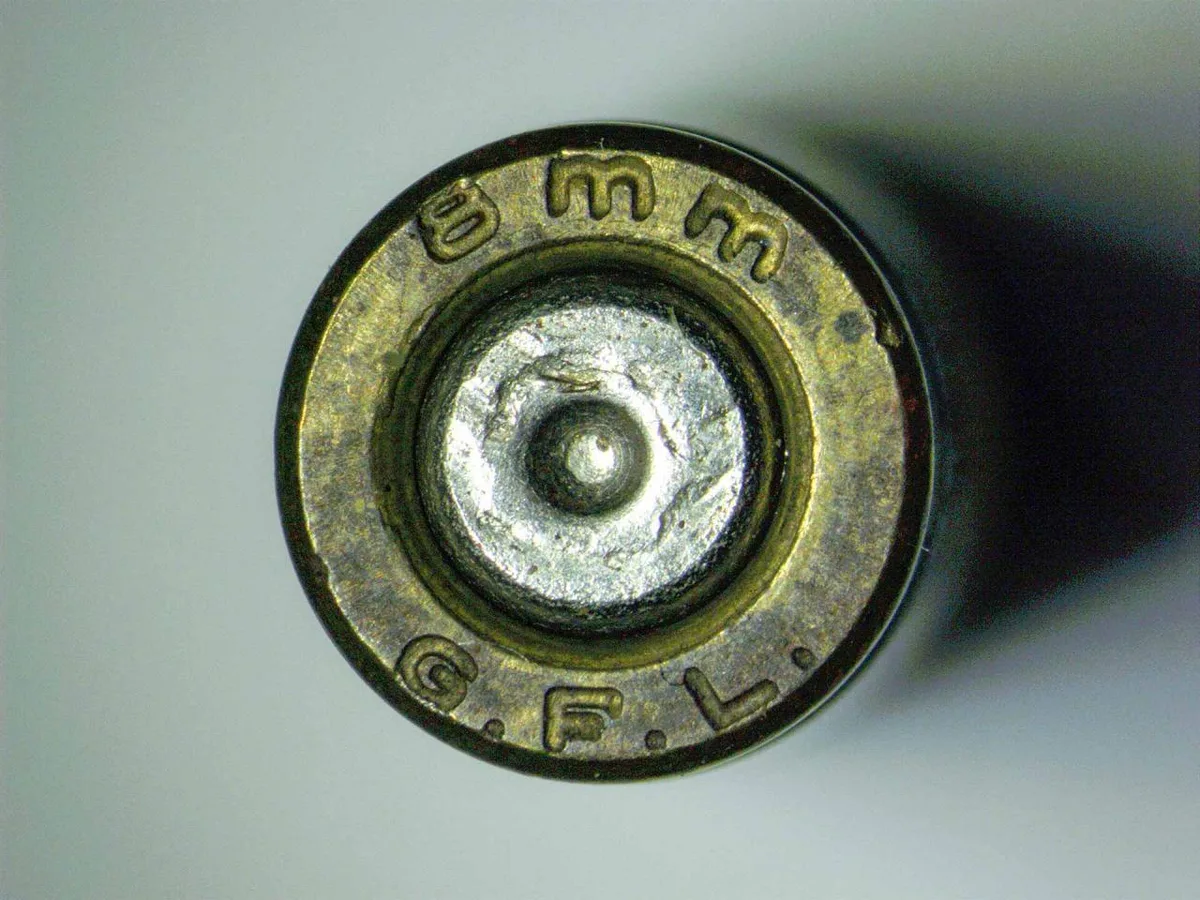
Image source: Bing (Web (fair-use with source credit))
It's usually a distinct series of letters and numbers that stands out from other markings like caliber or quantity. Take a moment to examine all sides of the box, as manufacturers place this information where it's visible but also protected from easy abrasion.
Looking at the Cartridge
In some cases, particularly with higher-end or specialized ammunition, you might find the lot number stamped directly onto the casing of individual cartridges. This is less common than box markings but provides an even more direct link to the production batch. This direct marking ensures traceability even if the original box is discarded.
This marking on the casing is typically found near the base, often adjacent to the headstamp. It's usually very small and may require magnification to read clearly. If you plan to keep ammunition long-term or in bulk, noting the lot number from the box and keeping it with your inventory records is a good practice.
What to Do with Lot Numbers: Recalls and Issues
The primary reason you'll actively use an ammunition lot number is in the event of a manufacturer recall. These recalls are issued when a safety defect is identified in a specific production run.
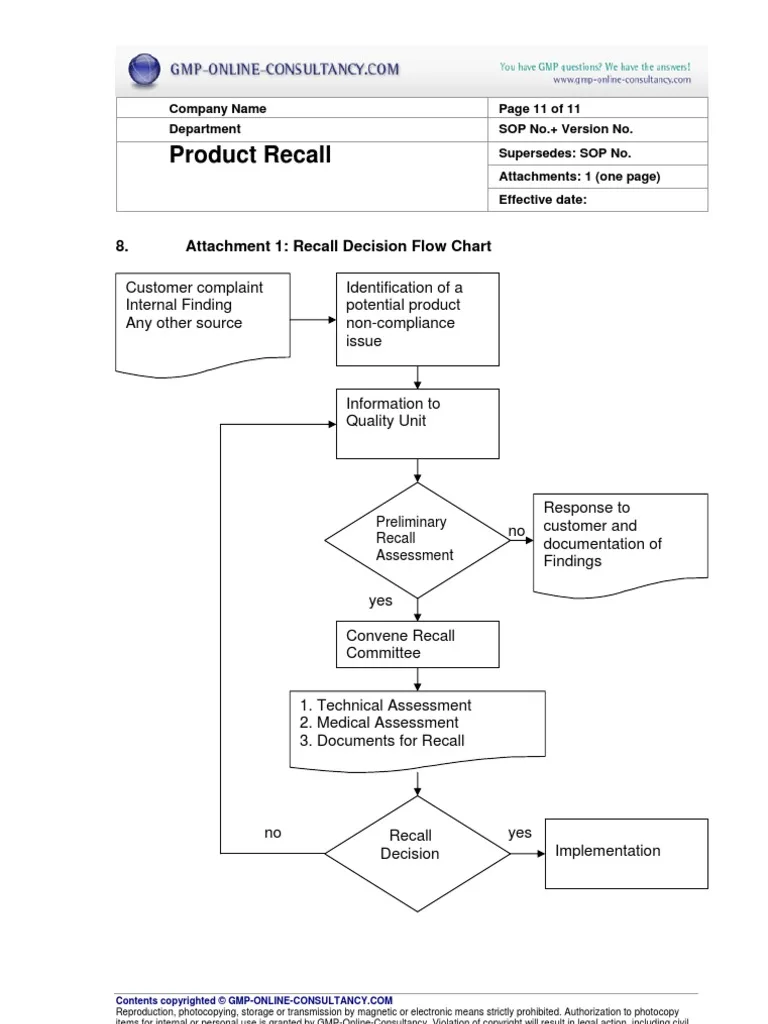
Image source: Bing (Web (fair-use with source credit))
Identifying Recalled Ammunition
If a manufacturer announces a recall, they will specify the exact lot number(s) affected. You'll need to compare this information with the lot numbers on your ammunition boxes or casings. For example, a recall notice might state, "We are recalling lot number WCC23A456 due to a potential primer seating issue." If your ammo matches this number, you should cease using it immediately.
Manufacturers will typically provide clear instructions on how to return the affected ammunition for replacement or a refund. Following these instructions is paramount for your safety and to support the manufacturer's quality control efforts. Always refer to the official recall notice from the manufacturer for the most accurate information.
Reporting Ammunition Problems
Beyond official recalls, if you experience unusual or concerning performance issues with your ammunition, the lot number is critical information to provide to the manufacturer. Whether it's inconsistent muzzle velocity, strange ejection patterns, or any other anomaly, reporting it can help them identify a potential problem early. This proactive reporting contributes to overall product safety and continuous improvement in manufacturing.
When contacting customer support, have your lot number ready. This helps them cross-reference your issue with other reports and potentially identify a trend originating from a specific production batch. Aggregate user feedback reports that manufacturers are generally responsive when provided with this detailed information.
Mistakes to Avoid with Lot Numbers
While lot numbers are invaluable, they aren't a perfect system for every situation. Sometimes, even with a lot number, identifying specific issues can be challenging. This is especially true if the marking is worn or if the ammunition is very old.
The most frequent mistake is simply discarding the original packaging without noting the lot number. Since it's often printed only on the box, losing that box means losing the traceability information. Another error is not checking for recalls regularly.
Manufacturers announce recalls through their websites and industry publications. Failing to check means you might unknowingly have potentially unsafe ammunition.
Ammunition Lot Numbers: Verified Facts
Manufacturer specifications confirm that ammunition lot numbers are integral to their quality control systems. A single lot can contain anywhere from a few hundred to tens of thousands of rounds, depending on the manufacturer's batch size. For example, a common production batch size can range from 5,000 to 20,000 units.
The format of these numbers varies widely among manufacturers. Some use a date-based system (e.g., 23 for 2023, followed by a batch identifier), while others use purely alphanumeric codes. As of 2026, there is no single universal standard for lot number formatting across the entire industry, though many adhere to voluntary guidelines set by organizations like SAAMI.
This variation means users must be familiar with the typical formats used by their preferred brands.
Ammunition Lot Numbers: Best Practices and Beyond
The most effective use of ammunition lot numbers goes beyond just checking them during a recall. Proactive management can enhance safety and ensure you're always using reliable rounds. Keeping a simple inventory of your ammunition, including the caliber, quantity, and lot number, can be incredibly beneficial.
This practice makes it easier to identify what you have on hand and quickly reference lot numbers if needed. For example, if you store ammunition for extended periods, having this record helps you recall when it was purchased and from which batch it originated. Verified buyer feedback reports that this organized approach minimizes confusion and potential risk.
Ammunition Lot Numbers: Industry Standards and Manufacturer Notes
The industry largely follows guidelines set by organizations like SAAMI (Sporting Arms and Ammunition Manufacturers' Institute) for best practices in ammunition manufacturing, which includes lot identification. These standards are voluntary but widely adopted by reputable manufacturers to ensure consistency and safety. For instance, SAAMI standards dictate clear marking requirements, though specific lot number formats can still vary.
Manufacturer notes often highlight that the lot number is the primary tool for their internal quality control and traceability. If you're ever unsure about a particular lot number's meaning or have concerns about ammunition's origin, contacting the manufacturer directly is the most reliable course of action. They can provide specific details about their coding systems and manufacturing dates.