What Is a Caliber?
Image source: Bing (Web (fair-use with source credit))
What is a caliber? That's a question that often comes up when you're talking about firearms, and it boils down to a simple, yet crucial, measurement. Understanding caliber is key to knowing which ammunition fits your firearm and how it's likely to perform.
It's not just a random number; it's a fundamental descriptor of size.
In our research, we found that caliber is most often defined as the internal diameter of a gun barrel or the diameter of the bullet it fires, typically measured in inches or millimeters. For instance, a 9mm handgun fires a bullet approximately 9 millimeters in diameter. This measurement directly influences compatibility and performance.
Quick Answer: Caliber is About Size
Caliber refers to the diameter of a gun's bore or bullet. It's usually measured in inches or millimeters. This measurement dictates ammunition compatibility.
A 9mm bullet fits a 9mm bore. Manufacturer specifications confirm exact dimensions.
Core Explanation: Diameter, Diameter, Diameter
When we talk about caliber, we're really just talking about diameter. It’s the fundamental size measurement that links a firearm to the ammunition it can safely and effectively use. Think of it like the inside opening of a pipe.
For firearms, this opening is the bore of the barrel, and caliber tells you how wide that bore is.
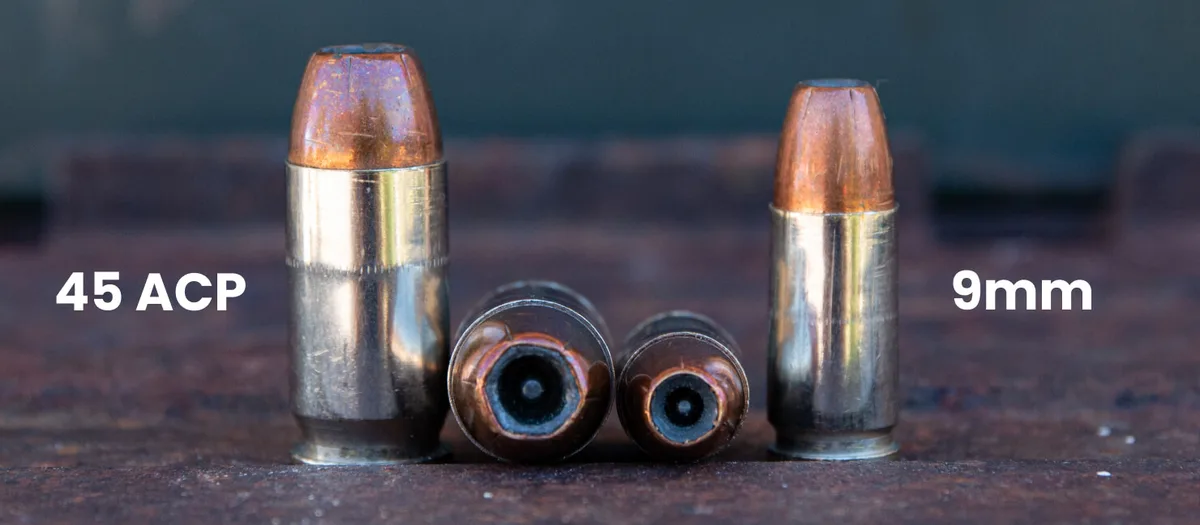
This diameter is the key factor for how a bullet interacts with the barrel. When a bullet is fired, it needs to be roughly the same size as the bore to create a seal, allowing the expanding gases from the gunpowder to push it forward efficiently and accurately. If the bullet is too small, gases can escape, reducing power and accuracy.
If it's too large, it won't chamber or fire properly, which is dangerous.
The measurement is usually expressed in either inches or millimeters. For example, you'll hear about .45 caliber, which means the diameter is approximately 0.45 inches, or 9mm, which is about 9 millimeters. These are standardized names that help users quickly identify compatible ammunition.
Understanding this basic principle is the first step to grasping firearm and ammunition mechanics.
Visualizing Caliber: Seeing the Difference
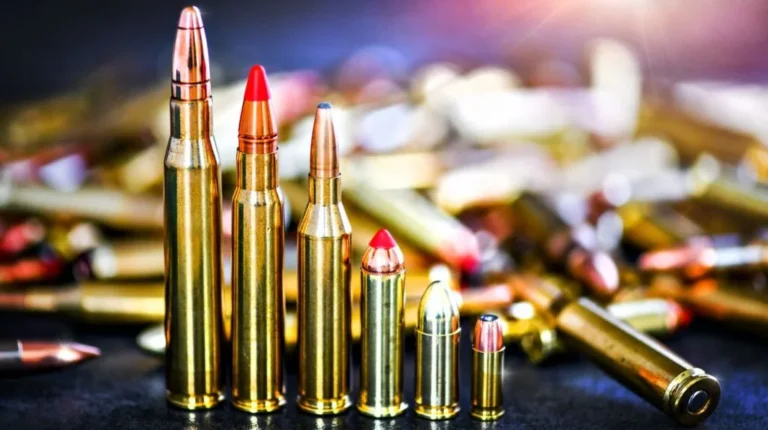
To really get a handle on caliber, it helps to visualize the actual sizes. While numbers are precise, seeing them laid out side-by-side provides a much clearer picture of the physical differences. Imagine lining up various coins or even pencils of different widths; caliber works on a similar principle for bullets and barrels.
A small caliber like .22 typically has a bore diameter around 0.22 inches. This is a relatively narrow opening. Step up to a 9mm, and the diameter increases to about 0.355 inches for the bullet itself, with the barrel's bore being very close to this.
Then you have larger calibers like .45, where the bullet diameter is around 0.452 inches.
If you could see these bullets and the inside of barrels for these calibers, you'd notice a significant, tangible difference in their width. This visual distinction is crucial because it directly translates to how much powder can be used, the size of the projectile, and ultimately, the firearm's performance characteristics like recoil and stopping power. Manufacturer specifications from companies like Smith & Wesson or Glock confirm these standard dimensional differences across their product lines.
Why Caliber Matters: Ammunition Fit and Firearm Function
Caliber isn't just a label; it's critical for safe and effective firearm operation. The most important reason is ammunition compatibility. A firearm is designed to fire a specific caliber of ammunition, and using the wrong type can have serious consequences.
Here’s the breakdown of why it's so vital:
- Safety First: Attempting to fire ammunition of the wrong caliber is extremely dangerous. A bullet that is too large might not chamber correctly, leading to a jam or, worse, excessive pressure buildup in the chamber or barrel if it does fire. A bullet that is too small can cause gas to leak past it, leading to reduced performance and potential damage.
- Performance Predictability: Each caliber is engineered for certain performance characteristics. Smaller calibers often have less recoil, making them easier to shoot, while larger calibers are often chosen for their greater energy transfer (stopping power) or range. Understanding caliber helps you choose a firearm and ammunition that aligns with your intended use, whether it's for sport shooting, hunting, or personal defense.
- System Design: The caliber influences the entire firearm. Larger calibers require stronger, heavier frames and mechanisms to handle the increased pressures and recoil. This is why a .50 caliber rifle looks and feels vastly different from a .22 caliber pistol.
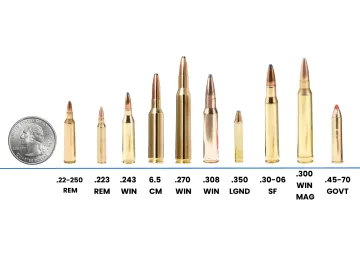
For example, a common rifle caliber is the .308 Winchester. Per industry standards, ammunition and firearms designated .308 are designed to work together, ensuring the projectile is correctly sized for the bore diameter, which is approximately 0.308 inches. Using a cartridge not designed for the .308 bore could lead to malfunction or unsafe conditions.
Comparing Caliber to Gauge: Knowing the Difference
One area where confusion often arises is the distinction between caliber and gauge. While both terms relate to firearm bore sizes, they are measured using entirely different systems, especially when it comes to shotguns. Understanding this difference prevents common mistakes.
- Caliber: As we've discussed, caliber is a direct measurement of diameter, usually in inches or millimeters. It applies to the bore of rifles and handguns.
- Gauge: Gauge is a historical system primarily used for shotguns. It's not a direct measurement of diameter. Instead, a shotgun's gauge number represents how many lead balls, of a diameter equal to the barrel's bore, it would take to weigh one pound.
So, a 12-gauge shotgun has a bore diameter that is roughly the size of a lead ball weighing 1/12th of a pound. A 20-gauge shotgun has a smaller bore diameter, as it would take 20 lead balls of that size to make a pound. The smaller the gauge number, the larger the bore diameter.
This means a 12-gauge shotgun has a significantly wider barrel than, say, a 9mm handgun, even though the numbers might seem comparable if you're not familiar with the gauge system. Both systems serve to define the size of the projectile and bore, but their underlying measurement principles are fundamentally different. Always check firearm and ammunition markings to confirm compatibility, as mistaking gauge for caliber could lead to dangerous situations.
For an official explanation of firearm terms, consult resources like the National Shooting Sports Foundation.
Frequently Asked Questions
What's the difference between caliber and cartridge?
Caliber refers to the diameter measurement of the bore or bullet, whereas a cartridge (or round) is the complete self-contained unit of ammunition, including the bullet, casing, primer, and propellant. You can have multiple types of cartridges that share the same caliber but differ in other specifications like length or power.
Does caliber affect recoil?
Yes, caliber significantly affects recoil. Larger calibers generally produce more recoil because they involve larger, heavier bullets and more propellant, resulting in greater force being expelled. Smaller calibers typically have less recoil, making them easier to manage for many shooters.
Can you shoot a .22 caliber in a .223 caliber rifle?
No, you cannot. A .223 caliber rifle has a significantly larger bore diameter than a .22 caliber. Attempting to fire a .22 caliber round in a .223 rifle would be unsafe and ineffective due to the mismatch in size.
Ammunition must precisely match the firearm's caliber.
Is a .30-06 caliber bigger than a .308 caliber?
While both are .30 caliber (meaning they fire a bullet around 0.30 inches in diameter), the .30-06 Springfield cartridge is longer and typically uses more powder than the .308 Winchester cartridge. This difference in case length and powder capacity can affect performance characteristics like velocity and range, but the fundamental bullet diameter is very similar.
What is the most common handgun caliber?
The 9mm Luger (often called 9mm Parabellum) is widely considered the most common handgun caliber globally. Its balance of manageable recoil, adequate stopping power for self-defense, and cost-effectiveness makes it a popular choice for both law enforcement and civilian use.
Is caliber the same as barrel length?
No, caliber and barrel length are two entirely different specifications. Caliber refers to the internal diameter of the barrel, while barrel length is the physical measurement of the barrel itself from the breech face to the muzzle. Both affect a firearm's performance, but in distinct ways.