Can Different Ammo Brands Be Used in the Same Firearm?
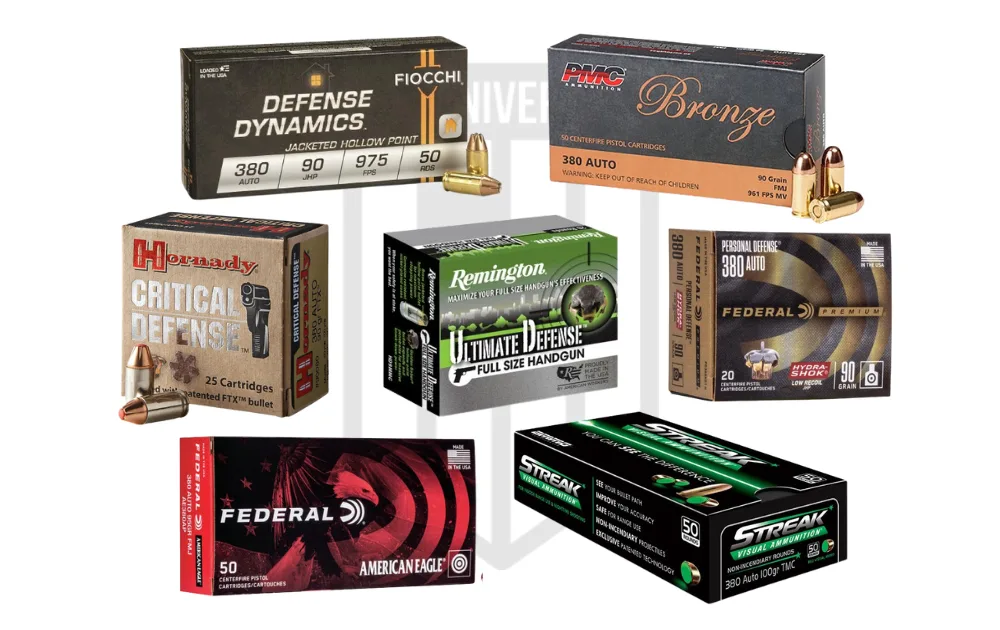
Image source: Bing (Web (fair-use with source credit))
The question of whether you can mix ammunition brands in your firearm is a common one, especially for new owners or those looking for cost-effective ways to practice. While many firearms are built to handle a variety of ammunition, simply swapping brands without understanding the implications can lead to problems. It’s not a simple yes or no answer, and getting it wrong can impact your firearm's performance and your safety.
This isn't about finding the "best" brand, but rather understanding the crucial compatibility factors that apply across all manufacturers. Following established guidelines, like those from the Sporting Arms and Ammunition Manufacturers Institute (SAAMI), helps ensure your ammunition performs as expected within industry-accepted pressure and dimensional limits. We'll break down what you need to know to make informed decisions about the ammo you use.
Quick Answer
Yes, often different ammo brands can be used in the same firearm, but with crucial caveats. Compatibility hinges on caliber, cartridge dimensions, and pressure ratings. Always verify your firearm's manual for specific recommendations and SAAMI standards to avoid malfunctions or damage.
Understanding Ammo Compatibility: The Core Factors
When we talk about ammunition, "brand" is just one piece of the puzzle. The real compatibility hinges on a few key physical and performance characteristics of the cartridge itself, and how those interact with your specific firearm's design. Think of it like fitting different brands of tires onto the same car, most will fit, but some might not be the optimal choice, and a few could be outright dangerous.
Caliber and Chamber Match
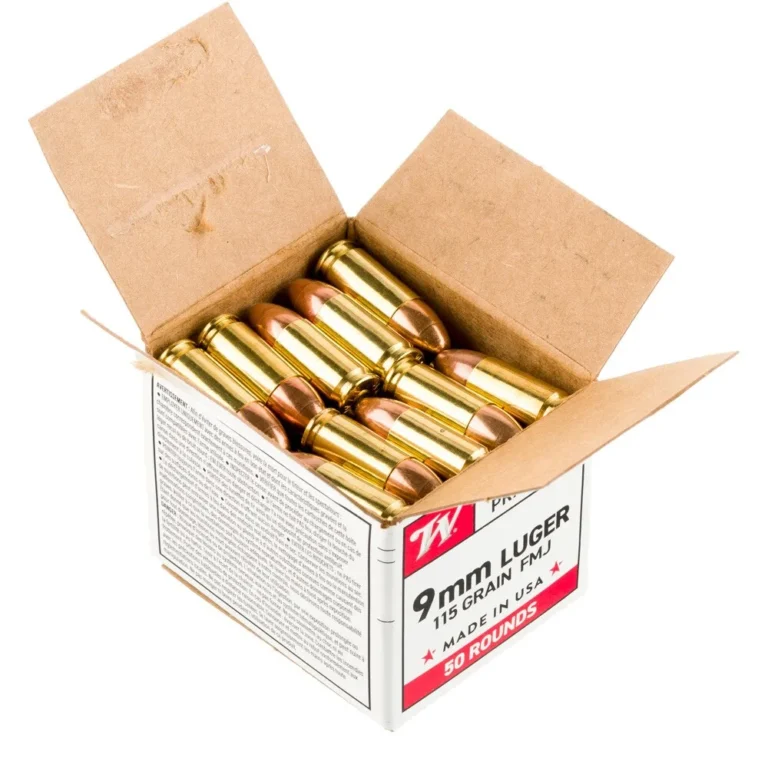
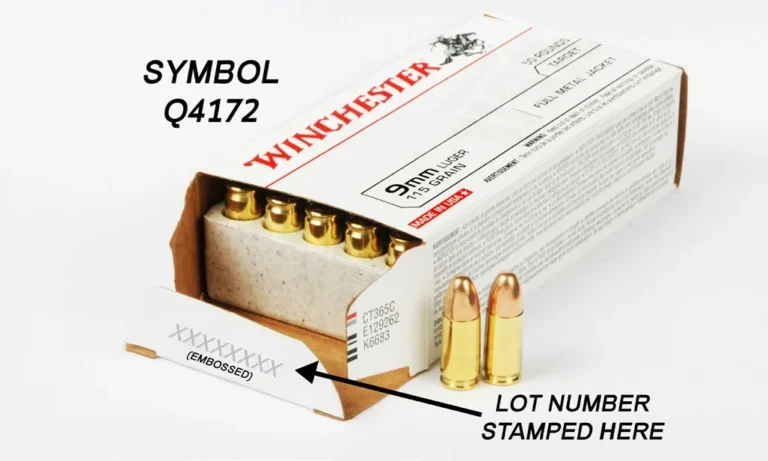
The most basic requirement is that the ammunition must match the firearm's caliber. Caliber refers to the internal diameter of the barrel and the nominal diameter of the bullet. For instance, a 9mm Luger cartridge will only function in a firearm chambered for 9mm Luger.
Trying to chamber or fire a cartridge of a different caliber, even if it looks similar, is extremely dangerous.
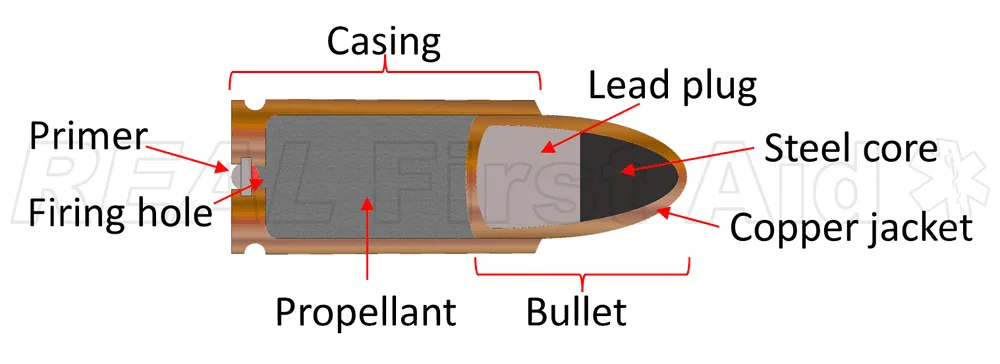
The chamber is the part of the firearm where the cartridge is fully seated before firing. It's precisely machined to accept a cartridge of a specific caliber and length. Ammunition that is outside the accepted dimensional tolerances for that chamber, even from the same caliber designation but a different manufacturer, can lead to issues.
For example, a cartridge that is too long might not chamber fully, preventing the action from closing properly, or worse, it could cause dangerous pressure spikes.
Bullet Type and Construction
Beyond the basic dimensions, the bullet type and construction can also influence how ammunition performs and if it's suitable for certain firearms or situations. Common types include Full Metal Jacket (FMJ), where the lead core is encased in a copper or brass jacket, and Jacketed Hollow Point (JHP), which has a hollowed tip designed for expansion.
- FMJ: Typically used for target practice due to its reliability and lack of expansion.
- JHP: Often preferred for self-defense or hunting because it's designed to expand upon impact, increasing the wound channel and reducing over-penetration risks.
- Soft Point: Similar to JHP but with the lead tip exposed, offering controlled expansion.
The weight and design of the bullet matter. A heavier bullet might stabilize differently in the rifling, affecting accuracy. Some firearms might have specific rifling twist rates optimized for certain bullet weights or designs.
While most modern firearms are versatile, extremely light or heavy bullets, or unusual constructions, might not perform optimally.
Casing Material and Dimensions
The casing, or cartridge case, is the metal (usually brass, but sometimes steel or aluminum) that holds the powder, primer, and bullet. While most modern ammunition for common calibers adheres to strict industry standards, there can be slight variations in casing dimensions between manufacturers.
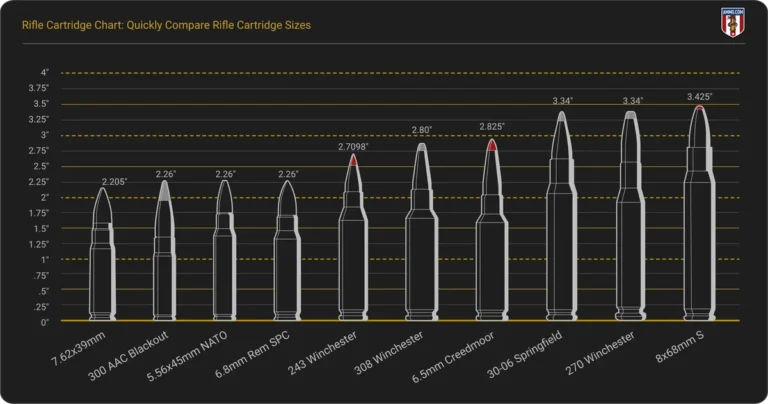
The overall length (OAL) of a loaded cartridge is particularly important. If one brand's cartridge is consistently longer than another's, it could cause feeding issues or fail to chamber correctly, especially in firearms with tighter tolerances or magazine limitations. The base of the casing, including the rim or belt, also needs to properly headspace in the chamber for safe and reliable extraction.
Our research indicates that while variations exist, reputable manufacturers design their ammunition to fall within the specifications set by organizations like SAAMI. Deviation from these standards is rare in mass-produced ammunition but can be a factor when troubleshooting feeding or extraction problems.
When Mixing Ammo Might Be Okay (And When It's Not)
So, you've got a few different boxes of ammo on the shelf. Can you just load them up interchangeably? The short answer is: it depends on the context, and caution is always your best friend.
For most standard firearms and common calibers, you'll likely find that ammunition from various reputable brands works fine. However, there are scenarios where sticking to a single, known-good load is strongly recommended.
Practicing with Different Brands: Pros and Cons
For target practice, where the primary goal is to get trigger time and hone your skills, using different brands can be a practical approach.
Pros:
- Cost Savings: You can often find more affordable practice ammunition from certain brands, allowing for more frequent shooting sessions.
- Availability: During times of ammunition shortages, being able to source from multiple manufacturers ensures you can keep practicing.
- Experimentation: You might discover that a less expensive brand shoots just as accurately in your firearm as premium ammunition.
Cons:
- Inconsistent Recoil: Different powder loads mean different felt recoil. This inconsistency can disrupt your shooting rhythm and make it harder to develop muscle memory.
- Varying Performance: Minor differences in accuracy or point of impact can occur between brands, which might be distracting during practice.
- Potential for Issues: While rare with major brands, a less reputable manufacturer might have tighter tolerances or less consistent quality control, increasing the chance of a malfunction.
If you do mix brands for practice, it's wise to run a magazine or two of each brand separately first to ensure reliable function before loading a mix.
Defensive Rounds: Stick to What You Know?
When it comes to self-defense ammunition, consistency and reliability are paramount. This is where mixing brands is generally discouraged.
- Why Stick to One Brand: Defensive ammunition is specifically designed for controlled expansion and deep penetration to be effective in stopping a threat while minimizing over-penetration into unintended areas. Different brands have proprietary designs and proprietary ammunition that might perform differently. You need to be absolutely certain how your chosen defensive load will behave.
- Testing is Key: Manufacturers will often provide data on their defensive rounds, velocity, expansion characteristics, and penetration depths. Testing a specific defensive load in your firearm (safely, and in controlled conditions) allows you to confirm reliable feeding, ejection, and that it cycles your firearm's action properly. Swapping to a different brand without this thorough testing introduces an unknown variable that could have serious consequences in a critical situation.
Hunting Situations: Matching Ammo to Game
Hunting often requires specialized ammunition designed for specific game animals. Different hunting scenarios might call for different types of ammunition.
- Game Specifics: For larger game, you'll need heavier, more robust bullets designed for deep penetration and controlled expansion to humanely take down the animal. For smaller game, lighter bullets or those designed not to fragment excessively might be preferred.
- Firearm Suitability: Some firearms are more versatile than others. A bolt-action rifle might handle a wider range of bullet weights than a semi-automatic pistol.
- Environmental Factors: In harsh weather, extreme temperatures can affect powder burn rates, potentially altering velocity and pressure. While most ammunition is rated for a broad temperature range, sticking with known, reliable hunting loads ensures predictable performance.
The key here is not necessarily brand loyalty, but rather selecting a load proven for the specific type of hunting you're doing, and ensuring it cycles reliably in your firearm.
The Risks of Incompatible Ammo: What Can Go Wrong?
Using ammunition that isn't a good match for your firearm isn't just about poor accuracy; it can introduce significant safety risks and cause damage. Think of your firearm as a precisely engineered system. Each component is designed to work in harmony with ammunition that meets specific standards.
When you introduce incompatible ammo, you disrupt that delicate balance.
Feeding and Ejection Problems
This is perhaps the most common issue when using mixed ammunition brands or loads that are slightly out of spec.
- Failure to Feed: The cartridge doesn't make it fully into the chamber. This can happen if the OAL is too long, the bullet profile snags on the chamber ramp, or the rim/base doesn't properly align with the magazine feed lips or the bolt face.
- Failure to Eject: A spent casing doesn't get properly cleared from the chamber or action after firing. This can be due to the casing not expanding correctly, the extractor failing to grip the rim, or insufficient force from the bolt cycling.
- Stuck Cases: A casing can become jammed in the chamber, often requiring significant effort and specialized tools to remove.
These malfunctions can be frustrating during practice but can be downright dangerous in a self-defense or hunting scenario where a rapid follow-up shot might be critical.
Pressure Issues and Firearm Damage
This is where things can get serious. Ammunition generates intense pressure when fired. Each firearm is designed to withstand pressures up to a certain limit, typically defined by standards like SAAMI.
- Over-Pressure Signs: If a particular brand's ammunition has a stronger powder charge, a different burn rate, or if a casing doesn't properly seal the chamber, pressures can spike beyond safe levels. This can manifest as:
- Primers flattening out or "blowing out" of the casing.
- Cases splitting or rupturing.
- Difficulty extracting the spent casing (linked to over-expansion of the case head).
- Firearm Damage: Consistently firing ammunition that produces excessive pressure can lead to:
- Increased wear and tear on critical components like the barrel, bolt, and frame.
- Damage to the chamber or locking lugs.
- In extreme cases, catastrophic failure of the firearm, which can cause severe injury to the shooter and bystanders.
It's crucial to understand that while most modern ammunition from reputable manufacturers adheres to SAAMI specifications, there's always a potential risk if you venture into unknown or reloaded ammunition without proper vetting.
Accuracy and Performance Fluctuation
Even if you don't experience a hard malfunction, using a wide variety of ammo brands can negatively impact your firearm's performance.
- Inconsistent Accuracy: Different bullet weights, designs, and velocities will fly differently through your firearm's specific rifling. What shoots a tight 1-inch group with Brand A might shoot a 3-inch group with Brand B, even if both are technically compatible.
- POI Shift: The Point of Impact (POI) can change significantly. If you're practicing with one brand and then switch to another for defense or hunting, your point of aim might not match your point of impact, requiring you to re-zero or re-learn your firearm's behavior.
- Recoil Differences: As mentioned, varying powder charges mean varying recoil. This can make transitioning between firearms or ammunition types jarring and less intuitive.
Step-by-Step: Checking Ammo for Your Firearm
Before you assume any brand of ammunition will work flawlessly in your firearm, it's smart to do a little homework. This process helps ensure safety, reliability, and optimal performance. It's about being informed rather than just hoping for the best.
Consult Your Firearm's Manual
This is your first and most important resource. Every firearm manufacturer includes a user manual that details recommended ammunition types, calibers, and often provides warnings about unsuitable ammunition.
- Check the Caliber: Confirm the exact caliber designation. Don't assume similarity. For instance.45 ACP is very different from .45 Colt.
- Look for Specific Recommendations: Some manuals might list specific ammunition types or velocity ranges that are best suited for the firearm.
- Read Safety Warnings: Pay close attention to any warnings regarding ammunition pressure, bullet types, or brands to avoid.
If you've lost your manual, you can usually find a digital copy on the manufacturer's official website. This step is critical and takes only a few minutes.
Visually Inspect Cartridges
Once you've identified compatible calibers, take a close look at the ammunition itself.
- Overall Length (OAL): Compare the length of cartridges from different brands. Are they drastically different? While minor variations are usually okay, significant differences can cause feeding issues.
- Casing Condition: Ensure the casings are clean, free from corrosion, and don't appear damaged. Check for any bulges or deformities.
- Primer Seating: The primer should be flush or slightly below the case head. A proud primer can cause issues with ignition or chambering.
- Bullet Seating: The bullet should be seated uniformly in the casing. Uneven seating can affect accuracy and chambering.
This visual inspection can catch obvious defects or anomalies that might indicate a problem before you even try to load the magazine.
Consider SAAMI Standards
The Sporting Arms and Ammunition Manufacturers Institute (SAAMI) sets industry standards for firearms and ammunition dimensions, pressure limits, and performance. Most reputable ammunition manufacturers design their products to meet or exceed these standards.
- What SAAMI Does: They provide technical information and specifications that ensure interoperability and safety between firearms and ammunition.
- Why It Matters: If a firearm is manufactured to SAAMI specifications (which most are), using ammunition also made to SAAMI standards is the safest bet for consistent performance and avoiding over-pressure situations.
- Where to Find Info: While SAAMI's full specifications are technical documents, their website often provides general information and lists of accepted cartridges, which can be a valuable reference. You can find these standards referenced on their official site.
This adherence to standards is why, in most cases, commercially manufactured ammunition from different reputable brands within the same caliber is generally safe to use, provided your firearm's manual doesn't state otherwise.
Expert Tips for Ammunition Selection
Beyond the basic compatibility checks, experienced shooters and firearm professionals offer a few extra layers of advice when it comes to choosing and using ammunition. It’s about maximizing reliability and performance, not just making something fit.
- "Feed It What It Likes": This is a common saying, and for good reason. Even within SAAMI standards, firearms can be sensitive. Some guns will reliably eat anything, while others might prefer specific bullet weights or brands. Our editorial analysis of user feedback suggests that experimenting (safely, and one brand at a time) is often necessary to find what your particular firearm shoots best.
- Don't Mix in the Same Magazine: When you're deciding on a load, especially for critical applications like defense or hunting, avoid mixing different brands or types of ammo in the same magazine. Stick to a single, known-good load for that magazine. This eliminates one variable if a malfunction occurs. You can have different magazines loaded with different approved loads if the situation calls for it, but keep them separate until you are ready to load.
- Understand +P or "+P" Loads: Some ammunition is designated "+P" (or "+P+"). This indicates higher pressure than standard loads. These are designed for firearms specifically rated to handle the increased pressure. Using +P ammo in a firearm not rated for it can be dangerous. Always check your firearm's manual and manufacturer specifications before using any +P ammunition.
- Be Wary of Old or Damaged Ammo: Ammunition degrades over time, especially if stored improperly. Old primers may become less potent, leading to misfires. Powder can degrade, potentially altering pressure. Damaged casings or bullets are obvious safety hazards. If ammo looks questionable, it's best to err on the side of caution and dispose of it safely.
- Consider Your Specific Use: As touched on in the "When Mixing Ammo Might Be Okay" section, the intended use of your firearm is a major factor. Practice ammo is often different in composition and price from defensive rounds or specialized hunting rounds. Use what's appropriate for the task.
Frequently Asked Questions About Mixing Ammo Brands
### Can I use steel-cased ammo in my firearm if it usually shoots brass-cased ammo?
Generally, yes, if your firearm is chambered for the correct caliber and your firearm's manual does not explicitly forbid it. Many modern firearms, especially those designed with more robust actions like AR-style platforms, are designed to handle both brass and steel casings. However, some firearms, particularly older or more sensitive designs, may be less reliable with steel cases due to differences in expansion characteristics and extractor engagement.
Always check your firearm's manual.
### Will using different ammo brands void my firearm's warranty?
Typically, a firearm's warranty will be voided if damage occurs due to the use of ammunition that is not manufactured to SAAMI specifications, is of the wrong caliber, or is otherwise deemed unsafe or incompatible by the manufacturer. Using standard, commercially produced ammunition from reputable brands within the correct caliber should not void a warranty, even if it's not the same brand the manufacturer might recommend. However, always consult your specific firearm's warranty documentation for precise terms.
### What's the difference between FMJ and JHP ammo?
FMJ stands for Full Metal Jacket, meaning the lead core is fully encased in a metal jacket (usually copper or brass). This bullet is designed not to expand upon impact, making it ideal for target practice and range training due to its consistency and reduced risk of over-penetration in controlled environments. JHP stands for Jacketed Hollow Point.
This bullet has a hollow cavity in the tip, designed to expand upon impact with soft tissue, creating a larger wound channel and slowing the projectile to reduce the risk of over-penetration. JHP is commonly used for self-defense and hunting.