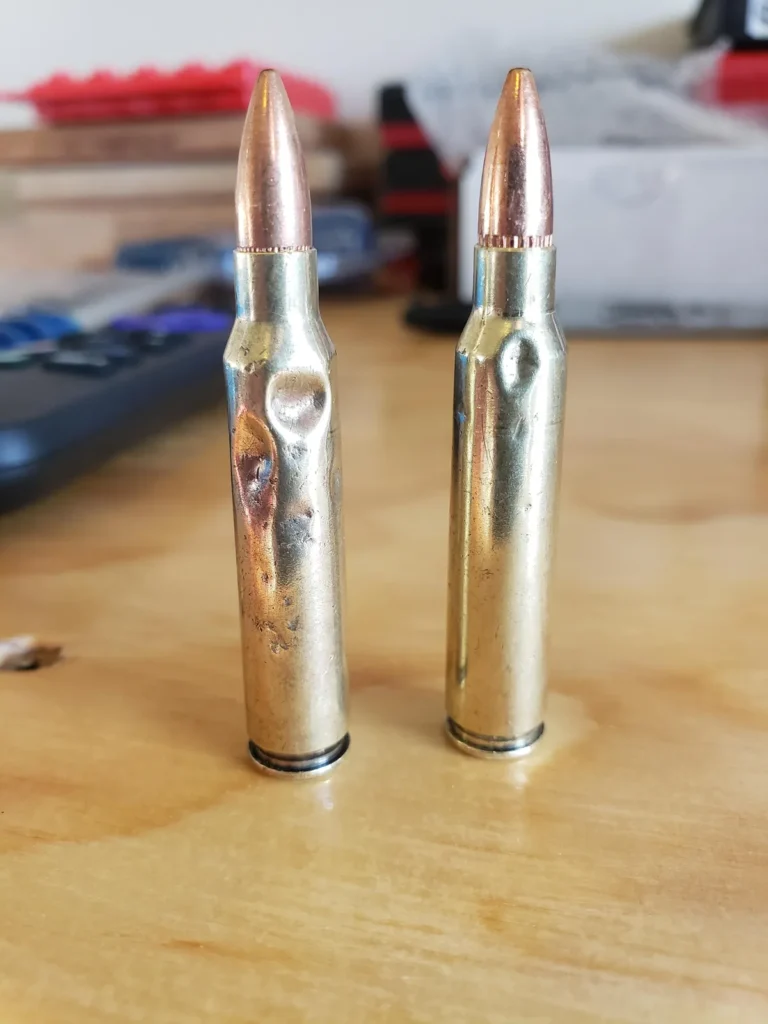
What Is the Difference Between Brass and Steel Case Ammo?
When you're heading to the range or stocking up, you'll quickly notice that not all ammunition is created equal, especially when it comes to the casing. Understanding what is the difference between brass and steel case ammo? can save you money and prevent frustrating issues with your firearm. It's a choice that impacts everything from cost per round to how your gun handles it.
We've dug into the specifics, and manufacturer specifications consistently show distinct material properties that dictate performance. For instance, brass cases often meet SAAMI (Sporting Arms and Ammunition Manufacturers’ Institute) guidelines for tolerances, while steel cases can vary more widely. Let's break down these two common ammo types so you can make the best choice for your needs.
Quick Answer
Brass cases are more expensive, corrosion-resistant, and reloadable. Steel cases are cheaper and more durable but are typically not reloadable and can be harder on firearm extractors. The choice depends on your budget, shooting frequency, and whether you reload.
Why This Ammo Case Material Matters
Choosing the right ammunition isn't just about the bullet's weight or the powder charge. The material of the cartridge case itself plays a surprisingly significant role in your shooting experience. Think of it as the unsung hero, or sometimes the villain, in your firearm's operation.
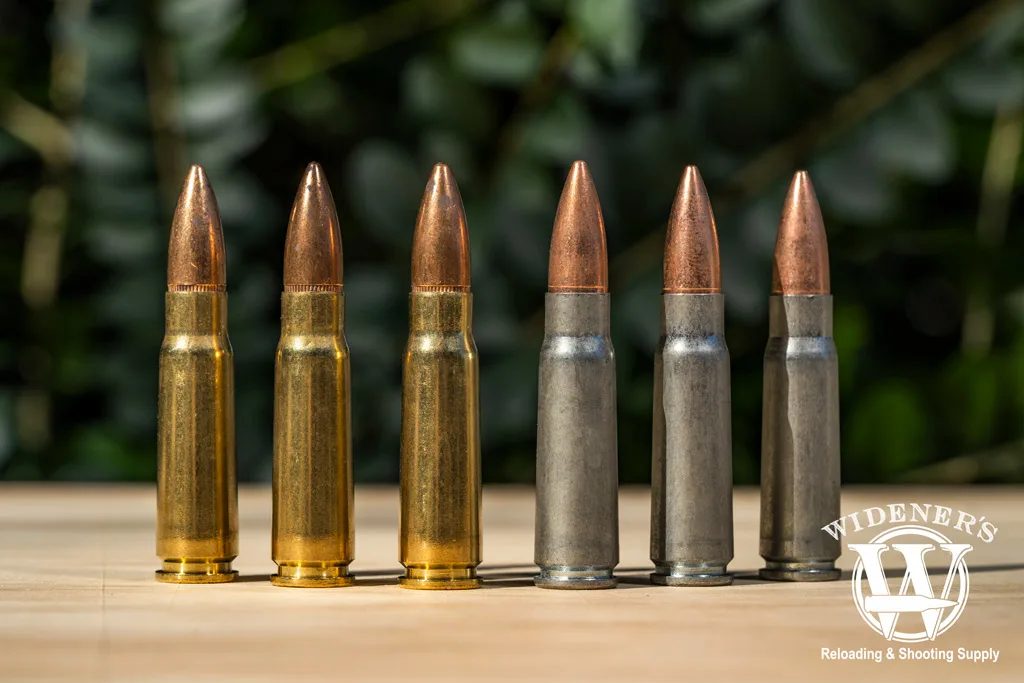
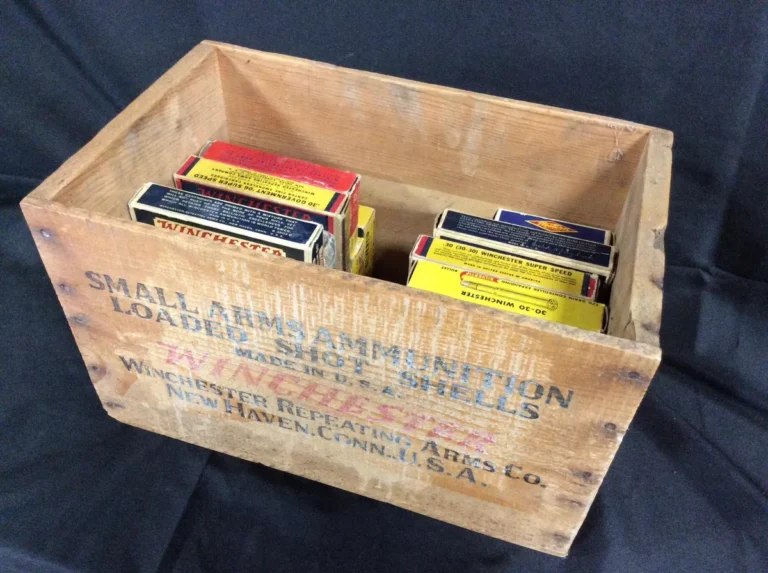
Image source: Bing (Web (fair-use with source credit))
We're talking about the metal enclosure holding all the gunpowder, primer, and bullet. Its properties affect everything from how easily your firearm cycles to how much you spend per trip to the range. As of 2026, the cost differences remain a major deciding factor for many shooters, but there's more to consider than just the sticker price.
Brass Case Ammo: The Traditional Choice
For decades, brass has been the go-to material for most ammunition manufacturers, and there are good reasons why. Its combination of malleability, corrosion resistance, and reloadability makes it a reliable and versatile option for a wide range of firearms and shooting applications. When you think of classic ammunition, you're probably picturing brass.

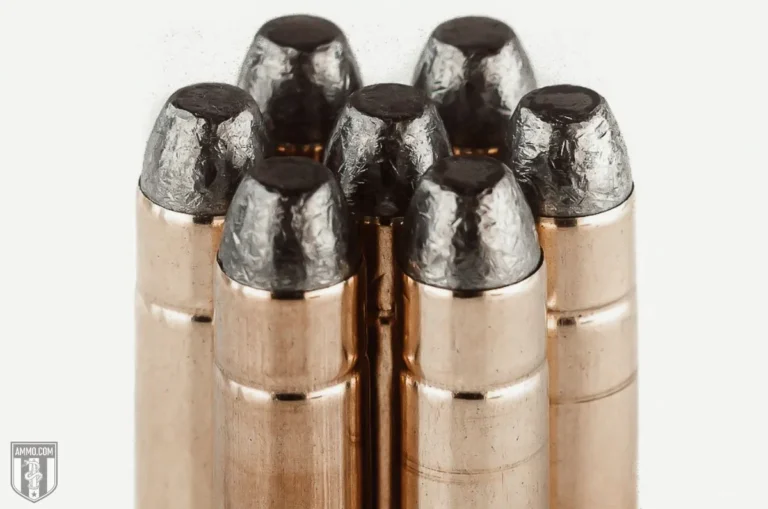
Image source: Web (Bing) / dhakapost.com (Web image (fair-use with source credit))
Features & Performance of Brass
Brass alloy, typically a mix of copper and zinc, offers a distinct set of advantages. It's soft enough to expand slightly upon firing, creating a good seal in the chamber which helps prevent gas blowback. This expansion also makes it easier for the firearm's extractor to pull the spent casing out.
Manufacturer specifications often highlight brass's excellent corrosion resistance, meaning it holds up well over time, even if stored for extended periods. Its consistent ductility also translates into predictable performance, which is crucial for accuracy-focused shooting.
Reloading Potential of Brass
One of the biggest draws for brass case ammunition is its inherent reloadability. After firing, a brass casing can be resized and reloaded with new powder, primer, and bullet. This significantly reduces the long-term cost of shooting for hobbyists who invest in reloading equipment.
Our research indicates that a single brass casing can often be reloaded multiple times, though the exact number depends on the quality of the brass and the reloading process. This makes brass a more sustainable and economical choice for high-volume shooters who dedicate time to handloading their own rounds.
When Brass Shines
Brass case ammo is generally the preferred choice for hunting, self-defense, and competition shooting where consistent reliability and accuracy are paramount. Its tendency to extract cleanly, its resistance to corrosion, and its reloadability make it a sound investment for serious shooters. If your firearm has a sensitive extractor or if you operate in varied environmental conditions, brass provides a level of predictability that steel often can't match.
It’s the standard for a reason, offering a balance of performance and longevity that appeals to a broad spectrum of firearm owners.
Steel Case Ammo: The Budget-Friendly Option
If you're looking to get the most rounds downrange without breaking the bank, steel case ammunition is likely on your radar. It's become increasingly popular for recreational shooting and training because it offers a significantly lower cost per round compared to its brass counterpart. While it might not have all the fancy features, its affordability makes it a go-to for many shooters.
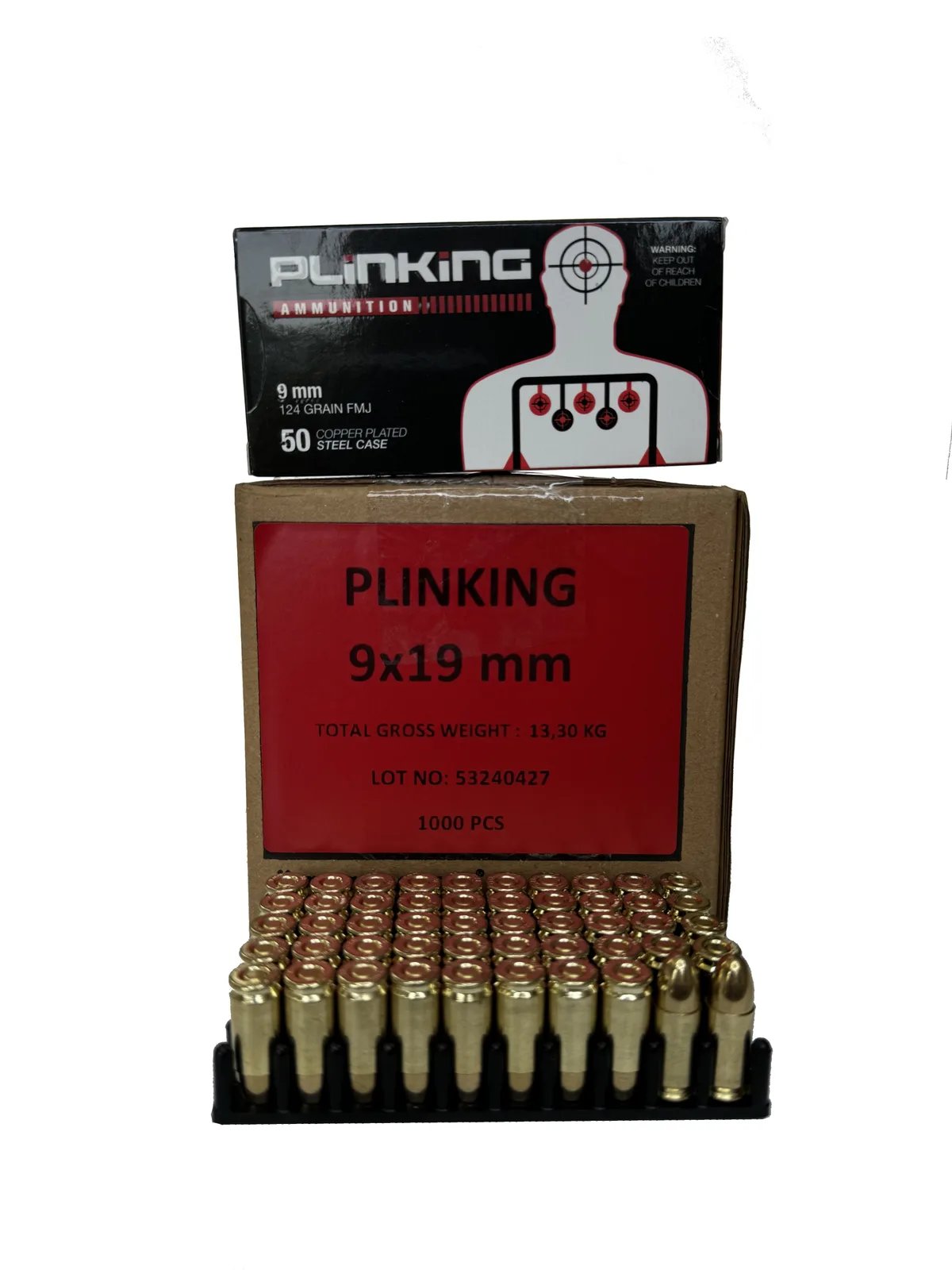
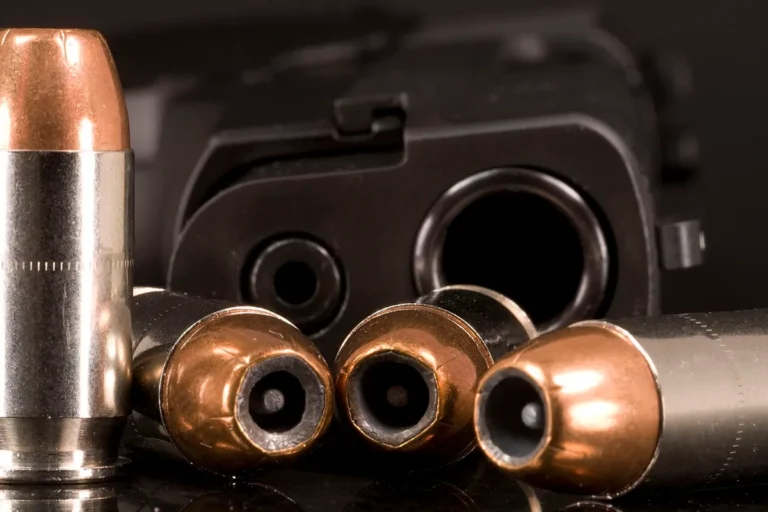
Image source: Bing (Web (fair-use with source credit))
Features & Performance of Steel
Steel case ammo typically uses a lacquer or polymer coating over the steel to prevent corrosion and aid in extraction. This coating can sometimes leave residue in the firearm's chamber, which is a common point of discussion among shooters. Unlike brass, steel is much harder and less malleable.
While this makes it durable, it means steel cases don't expand and seal the chamber as effectively as brass. This can sometimes lead to extraction issues, particularly in firearms not specifically designed to handle steel casings. Aggregate reviews report that the coatings can wear off, potentially leading to rust if not stored properly.
Why Steel Isn't Typically Reloadable
The primary reason steel case ammunition isn't usually reloaded is the material itself. Steel cases are harder and stiffer than brass. When fired, they don't expand and then contract in a way that allows them to be easily resized for reuse.
Attempting to reload steel cases often requires specialized, heavy-duty resizing dies and can put significant strain on reloading equipment. Furthermore, many steel cased rounds use Berdan primers, which are crimped in and sealed more permanently than the Boxer primers found in most reloadable brass cases. This makes primer removal and replacement difficult and time-consuming, rendering the reloading process impractical for most individuals.
Where Steel Excels
The undeniable advantage of steel case ammunition is its price point. For high-volume shooting, like plinking at the range or routine training drills, steel offers substantial cost savings. You can often purchase steel case rounds for 20-30% less than comparable brass rounds, sometimes even more during bulk sales.
This allows shooters to practice more frequently or simply get more trigger time for their money. Its durability also means the cases are less likely to get dented or deformed when handled roughly, which is a minor but appreciated benefit for bulk storage and transport.
Brass vs. Steel: A Direct Comparison
When you’re standing in the ammo aisle, the choice often comes down to brass or steel. They look similar at first glance, but their fundamental differences can dramatically impact your shooting session. We've put together a breakdown to help you see these differences side-by-side.
| Feature | Brass Case Ammo | Steel Case Ammo |
|---|---|---|
| Cost | Higher initial cost per round | Lower initial cost per round |
| Reloadability | Easily reloadable multiple times | Generally not reloadable |
| Corrosion | Highly resistant to rust and corrosion | Prone to rust if coating is damaged; requires care |
| Extraction | Typically smooth and reliable | Can be harder on extractors; potential for sticking |
| Chamber Seal | Expands for a good gas seal | Less expansion; may not seal as well |
| Firearm Wear | Generally softer on firearm components | Can be harder on extractors and ejectors over time |
| Primers | Commonly uses Boxer primers (reloadable) | Often uses Berdan primers (non-reloadable) |
| Material Feel | Malleable, softer | Harder, more rigid |
| Common Uses | Hunting, self-defense, competition, reloading | Target shooting, plinking, training |
Durability and Chamber Behavior
Brass, being a softer metal alloy, has a degree of malleability that’s actually beneficial during firing. It expands slightly upon ignition, creating a tight seal in your firearm's chamber, which helps direct all the propulsive gases down the barrel. This expansion also means the case "springs back" slightly after firing, making it easier for your firearm’s extractor to grip and pull it out of the chamber.
Steel, on the other hand, is much harder and more rigid. While this makes the case itself very durable and resistant to denting during handling, it doesn't expand as readily. This means the seal in the chamber might not be as robust, and the extractor might have a harder time gripping the hardened steel rim, sometimes leading to extraction failures.
Cost and Value Over Time
The most immediate difference most shooters notice is the price. Steel case ammunition is almost always cheaper per round than brass case ammunition. This is a huge draw for anyone who shoots frequently, as it can significantly reduce the overall cost of practice and training.
For example, a bulk pack of 500 steel case rounds might cost $150-$200, while a similar quantity of brass case rounds could easily run $250-$350 or more, as of early 2026. However, the value proposition shifts if you reload. Brass cases can be reloaded many times, drastically cutting down the cost per round for handloaders over the long haul.
A reloaded round can cost pennies compared to buying new, making brass a much more economical choice for those who invest in reloading.
Reliability in Different Conditions
While both types of ammunition can be reliable, brass generally holds an edge in extreme conditions. Its inherent resistance to corrosion means it's less likely to be affected by humidity or moisture that might compromise the protective coatings on steel cases. If a steel case's lacquer or polymer coating is scratched or chipped, the underlying steel is exposed to moisture and air.
This can lead to rust developing on the casing. Rusted steel cases can not only be unsightly but can also contribute to chamber sticking issues, similar to swelling. Brass, being an alloy of copper and zinc, is naturally resistant to rust.
This makes brass a more predictable choice when you're shooting in damp environments or storing ammunition for extended periods without ideal conditions.
Impact on Firearm Components
The hardness of steel case ammunition can, over time, put more wear and tear on certain parts of your firearm, particularly the extractor and ejector. A harder steel casing rim can be more challenging for a firearm's extractor to grip securely. If the extractor slips or fails to get a good purchase, it can lead to stovepipe jams or other extraction failures.
Some firearm manufacturers even recommend or specify against using steel case ammunition in their models due to this potential for increased wear or extraction issues. While many modern firearms handle steel case ammo without a problem, it's always wise to check your firearm's manual for any specific recommendations or restrictions. Brass, being softer, generally exerts less stress on these components.
Who Should Choose Which Ammo Case?
Deciding between brass and steel case ammunition boils down to your specific needs and priorities as a shooter. There isn't a single "best" option; it's about finding the right fit for your situation. Think about how much you shoot, what your budget looks like, and what kind of firearm you're using.
For the Casual Shooter
If you're primarily heading to the range for some relaxed plinking or practice sessions, steel case ammo often makes the most sense. Its lower cost per round means you can fire more shots without your wallet feeling the pinch. For occasional use, the slight potential increase in wear on your firearm's components is usually negligible.
Most modern firearms designed for common calibers like 9mm.223 Remington, or .308 Winchester can handle steel case ammunition without issues.
For the Dedicated Handloader
If you're passionate about reloading your own ammunition, brass case ammo is almost always the way to go. The ability to resize and reuse brass casings significantly lowers the long-term cost of shooting. Handloaders can control bullet weights, powder charges, and overall cartridge specifications, tailoring rounds for specific firearms or shooting disciplines.
While the initial investment in reloading equipment and brass cases might be higher, the savings over time can be substantial, offering both economic and performance advantages for the dedicated enthusiast.
For Competition and Training
In competitive shooting or rigorous training scenarios where consistency and reliability are paramount, brass case ammunition typically has the edge. Its predictable performance, clean extraction, and reduced risk of chamber-related malfunctions make it a safer bet when split-second performance matters. While some competitions may allow steel case, many competitive disciplines favor brass for its proven track record.
For law enforcement or military training, brass is often specified to ensure maximum reliability and minimize potential equipment failures under stress.
Common Pitfalls with Steel Case Ammo
While steel case ammunition offers a fantastic price point, it's not without its potential downsides. Many of these issues stem from the material properties of steel itself and how it interacts with your firearm. Being aware of these common pitfalls can help you avoid frustrating range days and potential firearm damage.
Extractor Issues
One of the most frequently reported problems with steel case ammo relates to extraction. Because steel is harder than brass, it doesn't expand and seal the chamber quite as effectively. When it's time to eject the spent casing, the firearm's extractor needs to grip the rim firmly.
Steel rims can be more difficult for extractors to catch and hold onto, especially if the extractor is slightly worn or if there's any buildup in the chamber. This can lead to extraction failures, like stovepipes or failure to eject, where the spent casing gets stuck in the action.
Chamber Swelling and Sticking
In some firearms, particularly those with looser tolerances or in adverse environmental conditions (like extreme heat), steel cases can present a greater risk of swelling. While brass cases expand and then spring back, steel cases, if they do expand significantly, may not return to their original dimensions as readily. This can cause a fired steel case to become tight or even stuck in the chamber.
If a steel case swells and sticks, it can prevent the firearm from chambering a new round, rendering it inoperable until the stuck case is manually removed. This is less common in firearms specifically designed to handle steel, but it's a risk factor to be aware of.
Corrosion Concerns
While most steel case ammunition comes with a protective coating, usually lacquer or polymer, this coating isn't always impervious. If this coating is scratched, chipped, or compromised during handling or storage, the underlying steel is exposed to moisture and air. This can lead to rust developing on the casing.
Rusted steel cases can not only be unsightly but can also contribute to chamber sticking issues, similar to swelling. Proper storage in a dry environment is crucial for maintaining the integrity of steel case ammunition and preventing corrosion.
Frequently Asked Questions About Ammo Cases
What is the primary difference in cost between brass and steel case ammo?
Steel case ammunition is generally significantly cheaper per round than brass case ammunition. This cost savings is often the main reason shooters opt for steel for practice and plinking.
Can I reload steel case ammunition?
While technically possible with specialized equipment, steel case ammunition is typically not considered reloadable by most shooters. The material is harder, primers are often Berdan-style (which are difficult to remove), and the cases don't resize as reliably as brass.
Is steel case ammo bad for my gun?
Not necessarily, but it can cause more wear on certain parts like extractors and ejectors over the long term, especially in firearms not designed to handle it. Always check your firearm's manual for manufacturer recommendations.
Which type of ammo is better for self-defense?
For self-defense, brass case ammunition is generally recommended due to its higher reliability in extraction, corrosion resistance, and consistent performance, which are critical in a high-stress situation.