What Is Ammunition Compatibility?
You wouldn't put the wrong kind of fuel in your car and expect it to run, right? The same principle applies to firearms. Understanding what is ammunition compatibility and why it's critical is the first step to safe and reliable shooting.
Getting this wrong can range from a frustrating jam to incredibly dangerous malfunctions.
It's not just about fitting a bullet into a hole; it's about a precise system. Firearms are engineered to work with ammunition that meets strict specifications, often referencing standards like those outlined by the Sporting Arms and Ammunition Manufacturers' Institute (SAAMI).
Quick Answer
Ammunition compatibility means using the correct type of cartridge designed specifically for your firearm. This ensures safe operation and reliable function by matching caliber, pressure, and dimensions. Using incompatible ammunition risks firearm damage, malfunctions, and severe injury.
Why Ammo and Firearm Matching is Non-Negotiable
When we talk about ammunition compatibility, we're really talking about a fundamental safety protocol. Every firearm is built with specific tolerances and pressure limits in mind. The ammunition is the energetic component that interacts directly with these internal workings.
If there's a mismatch, the consequences can be severe.
Think about it: a rifle designed for moderate pressures can't safely handle ammunition built for much higher ones. Similarly, a firearm chambered for a specific cartridge length won't function correctly if a longer round is forced into it. This isn't a suggestion; it's a requirement for safe handling and reliable performance.
The Critical Factors: Caliber, Length, and Pressure
These three elements form the bedrock of ammunition compatibility. They dictate whether a cartridge is safe and effective for a particular firearm. Manufacturers go to great lengths to engineer their firearms around these specifications, and adhering to them is paramount.
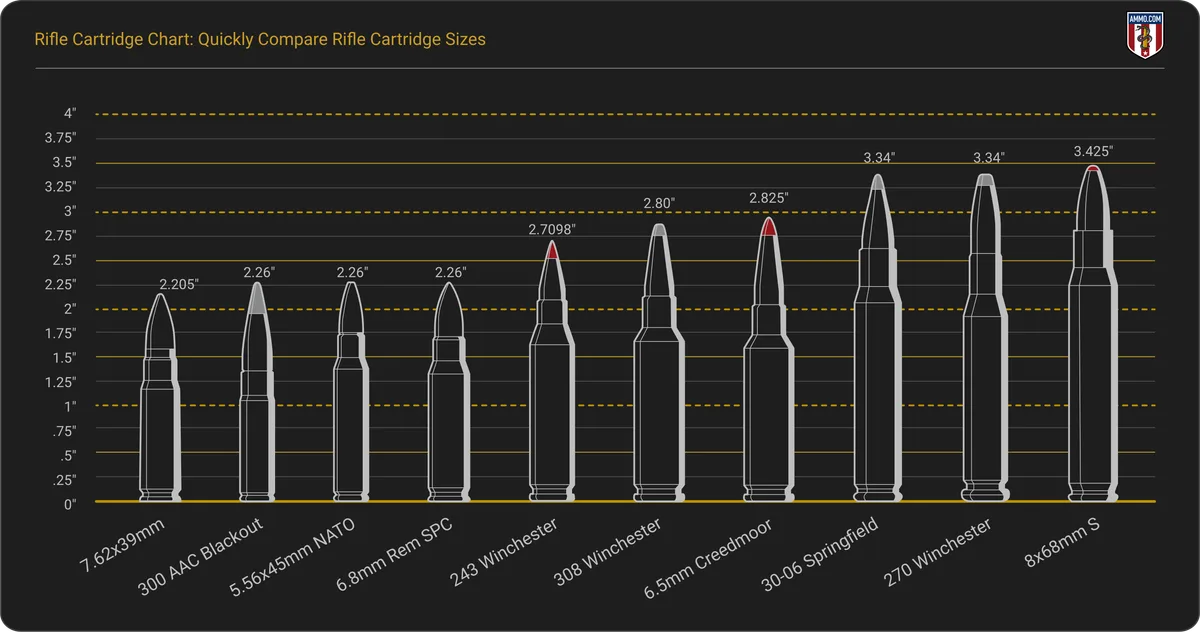
Image source: Bing (Web (fair-use with source credit))
Caliber: The Absolute First Rule
Caliber is perhaps the most obvious aspect of compatibility. It refers to the internal diameter of the firearm's barrel, which directly dictates the diameter of the projectile. A firearm chambered for a .22LR cartridge will only accept .22 Long Rifle ammunition.
A 9mm handgun needs 9mm cartridges.
Attempting to load a cartridge of a different caliber into a firearm chamber is impossible in most modern firearms due to mechanical design, but even if forced, it would be catastrophically unsafe. The projectile would not travel down the barrel correctly, leading to extreme pressure buildup.
Cartridge Dimensions: More Than Just Diameter
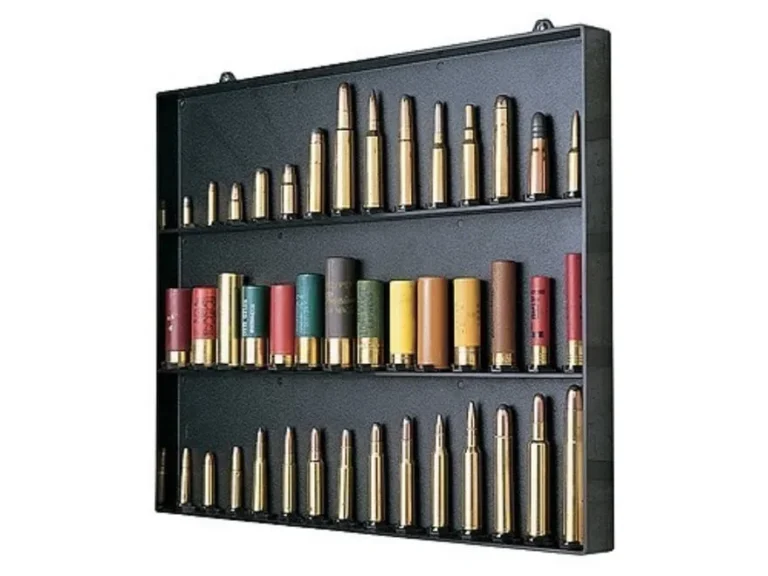
Even within the same caliber family, cartridge dimensions can vary. This includes the length of the casing and the overall length of the loaded cartridge. For instance, while both are .30 caliber, a .308 Winchester cartridge has a different case length and overall dimension than a .30-06 Springfield.
If a cartridge is too long for the firearm's magazine or chamber, it may not seat properly. This can cause feeding issues, jams, or prevent the action from closing correctly. Some firearms are particularly sensitive to the overall length of the cartridge.
Pressure: The Hidden Danger
This is where compatibility can become less obvious but critically important. Ammunition is loaded with varying amounts of gunpowder, resulting in different pressure levels when fired. Firearms are designed to operate safely within a specific pressure range, often defined by standards like SAAMI (Sporting Arms and Ammunition Manufacturers' Institute).
Using ammunition that generates pressures exceeding the firearm's design limits can lead to serious damage, including bulged barrels, cracked receivers, or even a complete firearm failure. Conversely, using ammunition with pressures far too low might not cycle the action of semi-automatic firearms, causing malfunctions.
The Two Big Families: Rimfire vs. Centerfire
Ammunition generally falls into two primary ignition categories: rimfire and centerfire. This distinction is fundamental to compatibility and highlights a crucial difference in how the cartridge is ignited.
- Rimfire Ammunition: The primer compound is located within the rim of the cartridge casing. When the firing pin strikes the rim, it ignites the powder. Common rimfire calibers include .22LR.22 Magnum, and .17 HMR. Firearms designed for rimfire ammunition cannot fire centerfire cartridges, and vice-versa.
- Centerfire Ammunition: These cartridges have a primer cap located in the center of the base of the casing. The firing pin strikes this primer, initiating the ignition. Most handgun and rifle cartridges, such as 9mm.45 ACP.223 Remington, and .308 Winchester, are centerfire.
You cannot interchange rimfire and centerfire ammunition. The firing pin mechanisms and chamber designs are entirely different and incompatible.
Risks of Getting It Wrong: From Jams to Catastrophe
The potential consequences of using ammunition that isn't compatible with your firearm are significant and can escalate quickly. It's not just about a minor inconvenience; it's about safety for yourself and anyone nearby.

Image source: Web (Bing) / khulnagareview.com (Web image (fair-use with source credit))
- Failure to Fire: The most basic issue is the cartridge simply not igniting, leaving you with a "dud." This can happen if the firing pin isn't designed to strike the primer correctly.
- Feeding and Ejection Problems: Cartridges that are too long, too short, or have unusual dimensions can jam in the magazine or fail to feed into the chamber. After firing (if it fires), spent casings might not eject properly, leading to a stovepipe jam or other malfunctions.
- Firearm Damage: Using ammunition with excessive pressure ratings can cause parts of the firearm to warp, crack, or even rupture. This can render the firearm unusable and potentially cause damage to other components.
- Catastrophic Malfunction and Injury: This is the most severe risk. When a firearm experiences a pressure overload or a mechanical failure due to incompatible ammunition, it can result in the firearm literally exploding. This can send shrapnel in unpredictable directions, causing severe injuries, including loss of fingers, hands, eyes, or worse, to the shooter and bystanders. Manufacturers like Glock, for example, engineer their firearms with strict tolerances that rely on compatible ammunition to maintain structural integrity under firing stress.
How to Guarantee You're Using the Right Ammo
Making sure you grab the correct ammunition for your firearm boils down to a few reliable checks. It’s not complicated, but it does require attention to detail. These steps are designed to be straightforward, preventing costly mistakes and, more importantly, dangerous situations.
Always remember that firearms manufacturers provide specific guidance for a reason. Their specifications are there to ensure the firearm functions as intended and safely. Deviating from this guidance is where risks begin.
Your Firearm's Manual: Your Ultimate Guide
The single most authoritative source of information for ammunition compatibility for your specific firearm is its owner's manual. This document is created by the manufacturer and details exactly which calibers, cartridge types, and even specific load recommendations are safe and suitable.
If you've misplaced your manual, most manufacturers have them available for download on their official websites. Always refer to the manual that came with your specific model and serial number. Information found on generic forums or from other users, while sometimes helpful, should never supersede the manufacturer's official guidance.
Reading the Ammo Box: What to Look For
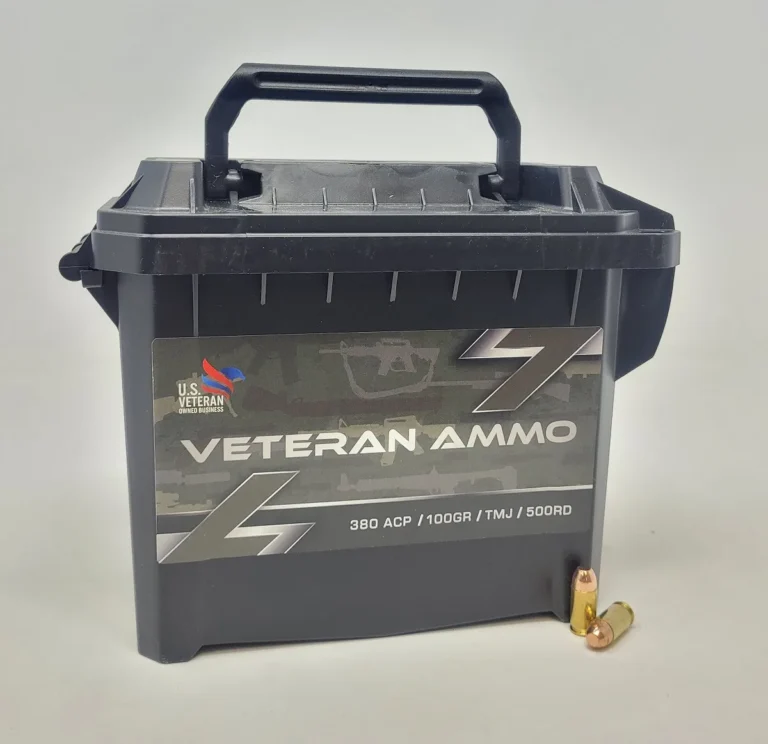
Every box of ammunition is clearly labeled with its specifications. This labeling is standardized to ensure consumers can quickly identify the correct product. The most prominent information will be the caliber.
You'll see markings like "9mm Luger," ".223 Remington," "12 Gauge," or ".308 Winchester." Always match this marking precisely to the caliber indicated on your firearm. The caliber is typically stamped on the barrel or the receiver of the firearm.
Visual Checks: A Quick Double-Take
Before loading any ammunition into your firearm, a quick visual inspection can catch potential errors. Examine the headstamp on the base of the cartridge casing. This stamp contains markings that indicate the manufacturer and caliber.
Compare the headstamp and the general appearance of the cartridge to known specifications for your firearm's caliber. While this isn't a substitute for checking the box and firearm markings, it's an extra layer of verification. For instance, if you're expecting to load 9mm Luger and the casing clearly shows "38 SPL" on the headstamp, that's a major red flag.
When to Ask for Expert Help
While most ammunition compatibility issues are straightforward, there are times when consulting an expert is the wisest course of action. This is particularly true if you're new to firearms, acquiring a used gun with unclear markings, or dealing with less common or antique firearms.
Mistakes in this area are too serious to guess about. Professionals in gun stores or certified instructors have hands-on experience with a vast array of firearms and ammunition types. They can help you verify compatibility quickly and accurately.
- New Firearm Owners: If you've just purchased your first firearm and are unsure about its specific ammunition requirements, ask. It’s better to ask for clarification than to make an assumption.
- Used or Antique Firearms: Older firearms, or those that have been modified, may have less obvious markings or require specialized ammunition. An expert can help identify these nuances.
- Unusual or Obscure Calibers: If your firearm is chambered in something other than a common caliber, finding compatible ammunition might require specific knowledge.
Seeking guidance from a qualified professional ensures you're making informed decisions and prioritizing safety above all else.