Can Ammunition Be Transported Legally?
So, you're wondering: Can ammunition be transported legally? It's a question many responsible gun owners and hunters ask before a trip. The answer isn't a simple yes or no; it's a complex mosaic of state and local laws that can change without much notice.
Getting this wrong can lead to serious legal trouble, so understanding the nuances is key.
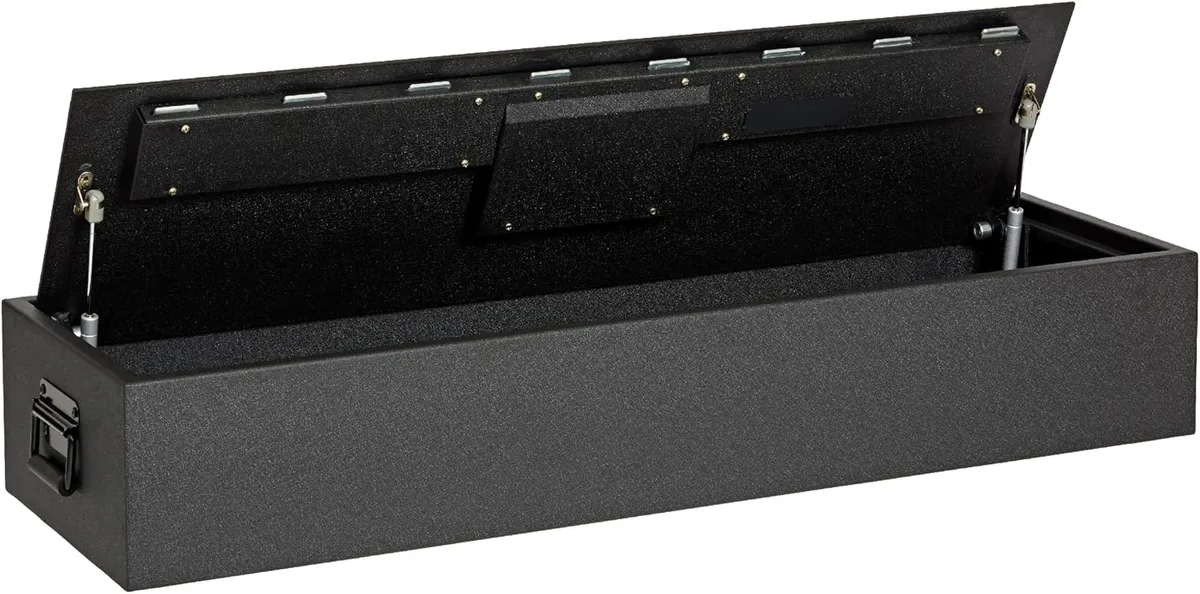
Image source: Bing (Web (fair-use with source credit))
We've looked into this extensively, and our research confirms that what's permissible in one town might be a violation just a few miles down the road. Ammunition transport laws often depend on factors like quantity, how it's stored, and whether a firearm is present. For example, manufacturer specifications often list ammunition capacity limits, but state laws dictate how that ammo can move between locations.
Quick Answer
Yes, ammunition can be transported legally, but only if you strictly follow all applicable federal, state, and local laws. Ignorance of the law is not a valid defense, and non-compliance can result in fines or arrest. Always verify regulations for your specific route and destination.
The Big Questions: What Determines Ammunition Transport Legality?
This is where we start unpacking the complexity. Transporting ammunition isn't like carrying a grocery bag; it involves a layered understanding of regulations. Think of these as the essential checks you must perform before packing anything.
Where Are You Going? (State Laws)
This is arguably the most critical factor. Ammunition transport laws are primarily determined by state governments, and they vary wildly. What’s legal in your home state might be illegal in a state you're just passing through.
This means you need to research the laws of your state of origin, every state you'll travel in, and your final destination. For example, laws regarding transporting ammunition across state lines can differ significantly.

Image source: Web (Bing) / en.wikipedia.org (Web image (fair-use with source credit))
Many states have their own regulations on how ammunition can be stored and transported within their borders. Some might have specific rules about magazine capacity or how ammunition can be packaged. As of 2026, these laws remain highly localized, so broad assumptions are dangerous.
How Much and What Kind? (Quantity & Type)
While less common for typical personal use, quantity can sometimes be a factor. Some jurisdictions might have limits on how much ammunition you can possess or transport without specific permits or declarations. This is more likely to apply to commercial quantities rather than personal hunting supplies, but it's worth being aware of.
The type of ammunition can also matter, though usually this pertains to specific, prohibited types of ordnance rather than standard hunting or self-defense rounds. For most recreational shooters and hunters, standard factory-loaded ammunition will likely be permissible, but it's always best to confirm if you're dealing with anything outside the ordinary.
How Are You Transporting It? (Method & Packaging)
The way you pack and store your ammunition is often just as important as where you're going. Keeping ammunition in its original, factory-sealed packaging is generally a good practice and often fulfills legal requirements for secure storage. Loose ammunition can be problematic.
Manufacturer specifications for ammunition packaging often emphasize safety and integrity. Many laws require ammunition to be stored in a separate container or compartment from the firearm itself. This could mean a locked trunk, a dedicated gun case, or a specific ammo box.
Is a Firearm Involved? (Accessibility Rules)
This is a major point of distinction in ammunition transport laws. If you are transporting a firearm along with ammunition, the rules can become much stricter. Many states have specific requirements about whether ammunition must be unloaded, stored in a locked container, or kept separate from the firearm in a way that prevents immediate loading.
For example, some states require that firearms and ammunition be stored in separate locked containers, or that ammunition be stored in the trunk of a vehicle if a firearm is in the passenger compartment. Understanding the legal definition of "accessible" versus "inaccessible" is crucial here.
Ammo Transport: Understanding Key Legal Concepts
To really get a handle on transporting ammunition legally, we need to look at a couple of core ideas that pop up again and again in the regulations. These aren't just random rules; they're designed to ensure safety and prevent misuse.
Federal vs. State Regulations
When you're talking about transporting ammunition, federal laws tend to focus on the bigger picture. Think interstate commerce, commercial shipments, and broad national safety standards for manufacturing. For an individual driving across state lines with a box of cartridges, federal law is usually less of a direct concern than state and local rules.
However, states have the power to enact their own laws regarding the possession and transport of firearms and ammunition. These state laws are often much more specific and can create a patchwork of regulations that individuals must navigate. It's the state laws that most frequently dictate how you can legally carry ammunition in your vehicle.
Defining "Separation" and "Accessibility"
These two terms are absolutely vital when we talk about transporting ammo, especially with a firearm. "Separation" generally means that the ammunition is not in direct contact with the firearm or is stored in a different compartment. "Accessibility" refers to how quickly and easily a person can reach and use the ammunition.
For instance, many state laws consider ammunition to be "inaccessible" if it's stored in a locked trunk of a vehicle, as this requires extra steps to reach. Conversely, ammunition kept in the passenger cabin, within easy reach of the driver or a passenger, might be considered "accessible" and potentially violate laws that require separation. Always check the specific legal definitions in your relevant jurisdictions.
Step-by-Step: Navigating Your Ammunition Transport
Alright, let's turn this into a practical plan. If you need to transport ammunition, follow these steps to help ensure you're doing it right. This workflow is designed to catch potential issues before they become problems.
Step 1: Identify Your Route (Origin, Transit, Destination States)
The very first thing you need to do is map out your entire journey. This isn't just about knowing your starting point and where you're ending up; it means identifying every single state you will drive through. Even if you're just crossing a corner of a state, its laws will apply to you while you are within its borders.
Step 2: Research Each State's Specific Laws
Once you have your route, you need to investigate the ammunition transport laws for each state identified in Step 1. Look for official government websites, such as the State Police or Attorney General's office, for the most accurate information. Don't rely on forums or unofficial guides, as laws can change.
Step 3: Check Local Ordinances
Beyond state laws, individual cities and counties can have their own rules. These local ordinances might add further restrictions or requirements on top of state regulations. If you're traveling to a specific town or rural area, it's wise to check with the local law enforcement agency (using their non-emergency line) for any specific local mandates.
Step 4: Determine Secure Storage Methods
Based on the laws you've researched, figure out the best way to store your ammunition. This usually involves keeping it in its original packaging and storing it in a manner that complies with separation and accessibility rules. For many, this means using a locked container or the vehicle's trunk.
This ensures your ammunition is legally transported and out of immediate reach if a firearm is present.
Common Mistakes to Avoid When Transporting Ammunition
Even with the best intentions, it's easy to stumble into a legal gray area when transporting ammunition. Our research has flagged several common missteps that can lead to trouble. Knowing these can help you steer clear of potential penalties and ensure a smooth journey.
Assuming One State's Laws Apply Everywhere
This is probably the most frequent error. People often think that if it's legal to transport ammunition in their home state, it's automatically okay everywhere else. This couldn't be further from the truth.
You must understand that each state you enter has its own unique set of regulations. For example, a state might have no specific laws about transporting ammunition in the passenger compartment of a car, while the next state over strictly forbids it, requiring it to be in a locked container or the trunk.
Improper Packaging or Storage
Simply tossing ammunition into a bag or leaving it loose in a glove compartment can be a violation in many places. Regulations often specify that ammunition must be in its original manufacturer's packaging or a similar secure container. This isn't just about neatness; it's about preventing accidental discharge and clearly identifying the contents.
Some laws specifically require ammunition to be stored separately from firearms, meaning it shouldn't be in the same box or readily accessible if the firearm is also being transported.
Ignoring Firearm Proximity Rules
When a firearm is part of your transport scenario, the rules around ammunition storage often tighten considerably. Many jurisdictions consider ammunition "accessible" if it's within the reach of the driver or passengers. This means that if you're carrying a handgun, for instance, you can't usually have live rounds just sitting on the seat next to you.
Federal regulations and state laws often mandate that firearms and ammunition be stored separately and rendered inaccessible.
Not Verifying Local Laws
While state laws are the primary concern, many cities and counties have their own ordinances regarding firearms and ammunition. These local rules can be even more restrictive than state laws. Failing to check these specific local ordinances could lead to unexpected legal issues, even if you've complied with state-level regulations.
It’s always best to confirm with the local sheriff’s department or police department’s non-emergency line for any specific local mandates.
Essential Ammunition Transport Safety & Compliance Tips
To make sure your ammunition gets from point A to point B without incident, focusing on a few key practices can make all the difference. These are based on what compliant individuals and regulatory bodies emphasize.
Keep Ammo in Original Packaging
Whenever possible, transport your ammunition in its original, factory-sealed box. This packaging is designed to be safe, secure, and clearly identifiable. Many jurisdictions consider this the standard for legal transport, and it removes ambiguity about what you are carrying.
Use Dedicated Ammo Cans or Boxes
While original packaging is ideal, investing in sturdy ammo cans or dedicated ammunition storage boxes is a smart move. These containers are built to protect rounds, prevent spills, and are often required by law if you're transporting larger quantities or if the original box is damaged. They also help keep your gear organized and prevent loose rounds from scattering.
Prioritize Trunk or Locked Container Storage
When transporting ammunition, especially with a firearm, securing it in a location that is not immediately accessible to the occupants is often the safest bet. For most vehicles, this means storing it in the trunk. If your vehicle doesn't have a trunk, a locked hard-sided case or a locked glove compartment might suffice, depending on local laws.
Always verify if your state considers the trunk to be a separate, inaccessible compartment.
Always Verify Laws Before You Travel
This cannot be stressed enough: do your homework before you pack a single round. Laws change, and what was true last year might not be true today. Utilize official state government websites (like the Department of Justice or State Police) for the most current and accurate information.
Relying on hearsay or outdated advice can lead to serious consequences.
Frequently Asked Questions About Ammunition Transport
### Can I carry ammunition in my carry-on bag on a plane?
No, generally, ammunition cannot be carried in carry-on baggage for commercial flights. It must typically be transported in checked baggage and declared to the airline, following specific packaging and quantity limitations set by the Transportation Security Administration (TSA) and the airline.
### Is it legal to transport ammunition in my car if I have a concealed carry permit?
Having a concealed carry permit doesn't automatically grant you permission to transport ammunition in any manner. State laws still dictate how ammunition must be stored, whether it needs to be separate from the firearm, and if it must be in a locked container. Always check the specific laws for your route and destination, even with a permit.
### What is considered "accessible" ammunition in most states?
"Accessible" ammunition is typically defined as ammunition that is readily available to the occupants of a vehicle, often within the passenger compartment. Ammunition stored in a locked trunk or a separate locked container is generally considered "inaccessible," which is a key requirement in many firearm and ammunition transport laws.
### Can I buy ammunition in one state and transport it to another?
Yes, you can generally buy ammunition in one state and transport it to another, provided you comply with the laws of both the state of purchase and all states you will travel through, as well as the laws of your destination state. The key is adherence to all applicable transport regulations.