Does Humidity Affect Ammunition?
So, you're wondering if that extra bit of dampness in the air can mess with your ammo. It's a totally fair question, and honestly, it's something a lot of folks who own firearms think about. The short answer is yes, humidity absolutely can affect ammunition, and it's something you really want to pay attention to if you want your rounds to perform when you need them to.
Think of it this way: ammunition is basically a carefully balanced system of components designed to work together reliably. When you introduce too much moisture, you're basically throwing a wrench into that finely tuned machine. For instance, manufacturer specifications for typical smokeless powders often cite stability under conditions ranging from -40°F to 140°F (-40°C to 60°C), but explicitly warn against prolonged exposure to high relative humidity, which can compromise their chemical integrity.
Quick Answer
Yes, humidity directly affects ammunition by causing corrosion, degrading primers, and compromising gunpowder. Prolonged exposure to moisture can lead to misfires, reduced accuracy, and potential safety hazards, making dry storage essential for reliable firearm performance.
The Core Problem: How Moisture Degrades Ammunition
When humidity hangs around for too long, it can start to seep into the different parts of your cartridge. This isn't just about making things feel a bit sticky; it can actually degrade the materials that make your ammunition work.
Primer and Powder Susceptibility
The primer is the tiny, sensitive component at the base of the cartridge responsible for igniting the propellant. Moisture can penetrate the primer's seal and chemical compounds. This can desensitize the primer, meaning it might not ignite when struck by the firing pin.
In severe cases, it can render the primer completely inert, resulting in a frustrating "click" instead of a bang.
Similarly, the gunpowder, or propellant, can be affected. While modern smokeless powders are designed for stability, extended exposure to high humidity can cause them to degrade chemically. This degradation can alter their burn rate, leading to inconsistent velocities and reduced accuracy downrange.
In extreme scenarios, it could even impact the pressure generated within the firearm's chamber.
Casing and Bullet Corrosion
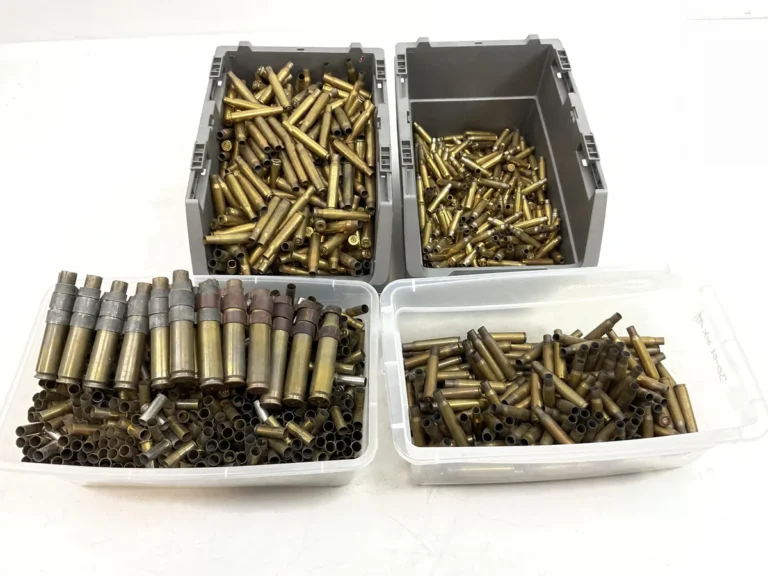
Metal components within your ammunition are also vulnerable. The cartridge casing, typically made of brass or steel, can begin to corrode. This corrosion can manifest as discoloration, pitting, or even rust, which weakens the casing.
A compromised casing is more prone to bulging or rupturing upon firing, creating a significant safety risk.
The bullet itself, especially if it has a protective coating, can also show signs of moisture damage. You might notice discoloration or pitting on the bullet's surface. If the bullet is crimped into the casing, moisture could potentially affect the seal, leading to further issues with stability and performance.
Why Reliable Ammo Matters: Risks of Humidity Damage
You invest time and money into your firearms and ammunition, and the expectation is that everything will function flawlessly when you need it most. When humidity damages your cartridges, it directly undermines this reliability and can introduce serious risks.
Misfires and Fails to Fire
The most common and immediate consequence of moisture-damaged ammunition is a failure to fire. As discussed, both the primer and the gunpowder are susceptible to moisture's corrosive effects. A wet primer won't ignite, and degraded powder won't burn consistently or at all.
This leaves you with a non-functional round, which can be critical in self-defense situations or during a hunting trip where a timely shot is essential.
Safety Hazards from Degraded Components
Beyond simple misfires, compromised ammunition can pose direct safety threats. A casing weakened by corrosion is more likely to fail under the immense pressure of firing. This failure can result in a case rupture or blow-out, sending hot gas and metal fragments back towards the shooter.
This is an extremely dangerous situation, potentially causing serious injury.
Performance Inconsistency
Even if ammunition doesn't completely fail to fire, its performance can be drastically altered by humidity. If the powder has degraded, its burn rate will change. This means your bullets will travel at inconsistent speeds, leading to unpredictable accuracy.
What might have been a precise shot could turn into a wild miss. For competitive shooters or hunters relying on precise shot placement, this inconsistency is unacceptable.
Expert Tips for Protecting Your Ammunition from Humidity
Fortunately, preventing humidity from damaging your ammunition isn't complicated. It mainly comes down to smart storage practices. By taking a few proactive steps, you can ensure your ammo stays in top condition for years to come.
Choosing the Right Storage Location
The first line of defense against humidity is selecting the right place to store your ammunition. Our research indicates that ideal storage conditions involve a cool, dry environment with stable temperatures. Avoid areas known for high moisture and temperature fluctuations, such as unfinished basements, damp garages, attics, or uninsulated sheds.
A climate-controlled interior space, like a closet or a dedicated safe within your home, is generally the best option.
Essential Ammo Storage Containers
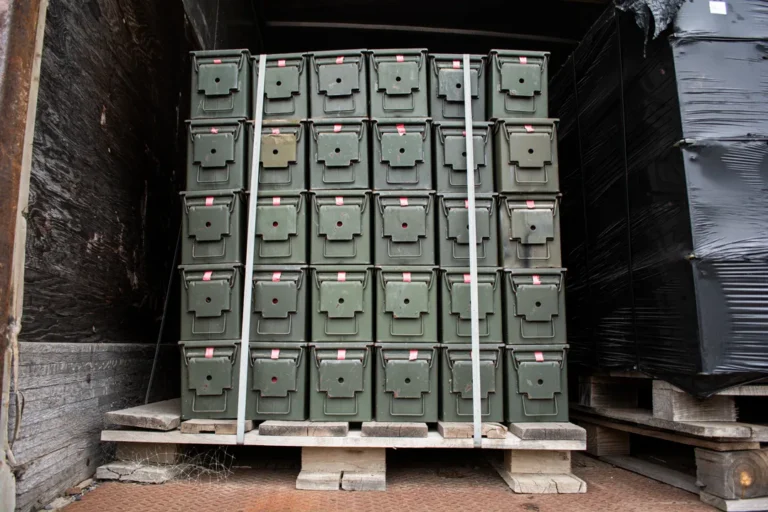
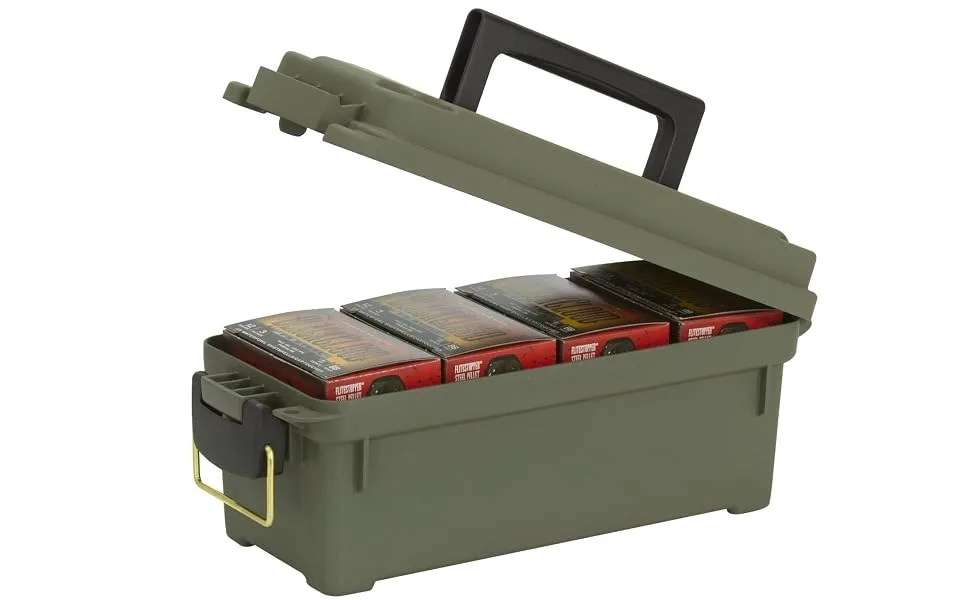
Simply leaving ammunition in its original cardboard or plastic box often isn't enough to guard against significant humidity. Investing in truly airtight containers is key. High-quality, sealed plastic ammo cans or robust gasketed storage bins are excellent choices.
These containers create a barrier against ambient moisture, preventing it from reaching your cartridges. For many manufacturers, an airtight seal is paramount for preserving the integrity of their product for the stated shelf life.
The Power of Desiccants
Even in the best-sealed containers, there might be a small amount of residual moisture trapped inside. This is where desiccants come into play, acting as moisture magnets to further protect your ammunition. Silica gel packets, the small white sachets often found in new electronics or shoe boxes, are highly effective.
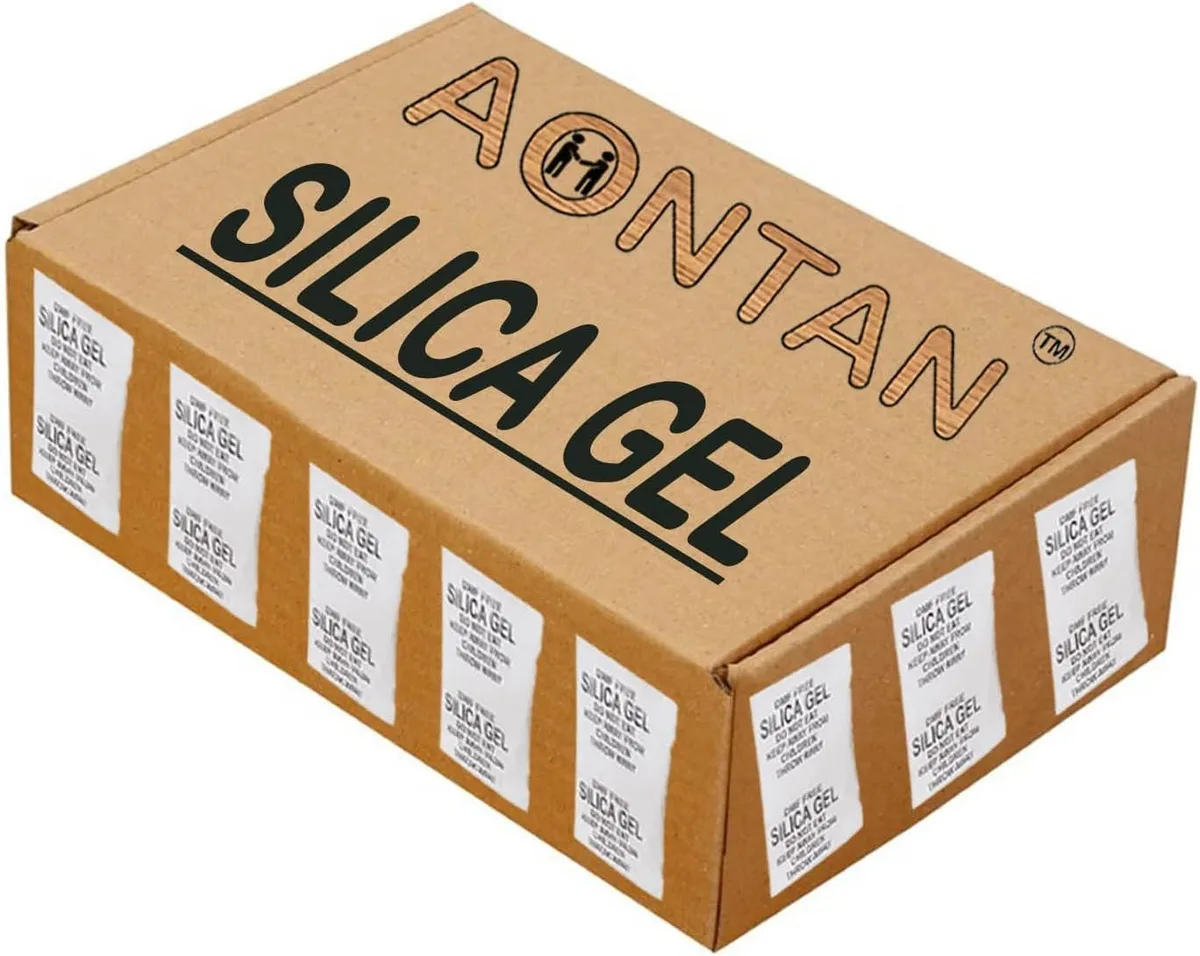
These packets contain silica beads that absorb water vapor from the air. Placing several packets inside your ammo storage container can significantly lower the humidity within that enclosed space. It’s a simple, low-cost solution that provides an extra layer of protection, especially in environments where absolute dryness is hard to achieve.
Recharging and Replacing Desiccants
It’s important to remember that desiccants have a finite capacity. Once they’ve absorbed all the moisture they can hold, they become saturated and lose their effectiveness. Most reusable silica gel packs can be “recharged” by drying them out, usually by placing them in a low oven for a few hours.
Disposable packets will eventually need to be replaced. A good rule of thumb is to inspect your desiccant packs every six months to a year. If they appear cloudy, clumped, or no longer feel dry, it’s time to recharge or replace them to ensure your ammunition remains protected.
Inspecting Your Ammunition: What to Look For
Part of responsible ammunition ownership is periodic inspection. It’s not enough to just store your ammo and assume it’s fine. Regularly checking your stored cartridges can help you catch potential problems early before they become serious issues.
Visual Cues of Moisture Damage
When you're examining your ammunition, be on the lookout for obvious visual indicators of moisture exposure. Discoloration on the casing, particularly a dull or patchy appearance on brass, can be an early sign of corrosion. You might also notice a slight haziness or cloudiness on the casing surface.
In more severe cases, you could see pitting on the metal components or even the beginnings of rust, especially on steel casings or bullet jackets. Any unusual chalky residue on the surface of the casing or bullet should also raise a red flag. These visual anomalies are your ammunition's way of telling you it's been exposed to too much dampness.
Signs of Corrosion and Degradation
Beyond surface-level discoloration, look for more significant signs of degradation. Are there any bulges or deformities in the casing? This could indicate that moisture has affected the metal's integrity or potentially interacted with the propellant in a way that caused slight expansion.
Check the seal where the bullet meets the casing; any signs of leakage or deterioration here are also concerning.
If you notice any unusual odors, like a metallic or chemical smell that wasn't there before, it's another indicator that something might be off. While difficult to quantify without specialized equipment, these olfactory clues can sometimes point to chemical changes occurring within the propellant or primer due to moisture. Aggregate user feedback often highlights that a metallic scent is a strong warning sign.
FAQs: Common Questions About Ammo and Humidity
How long does ammunition typically last if stored correctly?
With proper storage in a cool, dry, and stable environment, most modern ammunition can remain viable for 10 to 20 years, and sometimes even longer. Factors like the quality of the ammunition, the materials used, and the exact storage conditions play a significant role in its longevity.
Can I shoot ammunition that shows minor signs of corrosion?
While tempting, it's generally advised not to shoot ammunition with noticeable corrosion or other signs of moisture damage. The risk of misfires, inconsistent performance, or even dangerous firearm malfunctions outweighs any potential savings. It's safer to dispose of compromised rounds properly.
What is the ideal humidity level for storing ammunition?
The ideal relative humidity for storing ammunition is typically below 50%, with many experts recommending aiming for between 30% and 50%. Keeping it consistently below 60% is considered crucial to prevent degradation.
How should I dispose of old or damaged ammunition?
Disposing of old or damaged ammunition requires specific safety precautions. Contacting your local law enforcement agency, fire department, or a hazardous waste disposal facility is the recommended approach. They can provide guidance on safe and legal disposal methods in your area, as improper disposal can be hazardous.