How Should Ammo Be Protected From Moisture?
Proper ammunition storage is critical for reliable firearm function and user safety. Understanding how should ammo be protected from moisture ensures your rounds remain viable and safe for use, preventing dangerous misfires or extraction failures. Keeping ammunition in good condition means safeguarding against the environmental factors that degrade its components over time.
Research indicates that prolonged exposure to humidity can compromise gunpowder and primers, a key concern for anyone storing ammunition. According to standards typically followed by ammunition manufacturers, maintaining a relative humidity below 50% is often recommended for optimal long-term preservation. This guide will walk you through the essential steps and considerations for keeping your ammunition safe from moisture.
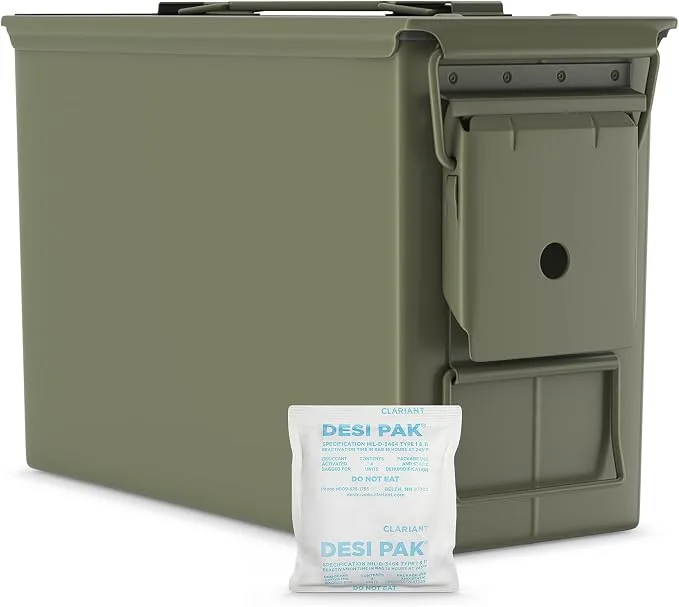
Image source: Bing (Web (fair-use with source credit))
Quick Answer
Ammo should be protected from moisture by storing it in airtight containers with desiccants. Avoid damp locations and temperature fluctuations. Regular inspection ensures continued reliability and safety for your ammunition.
Why Moisture is Ammo's Worst Nightmare
Moisture is the silent saboteur of ammunition, capable of turning reliable rounds into dangerous liabilities. Its presence can initiate a cascade of degradation processes that directly impact performance and safety. The primary concern is corrosion, which affects the metallic components of the cartridge.
This corrosion can manifest as unsightly discoloration on brass casings or rust on steel ones. More critically, it can create a poor seal, making proper chambering difficult or leading to extraction problems after firing, which is a significant safety issue.
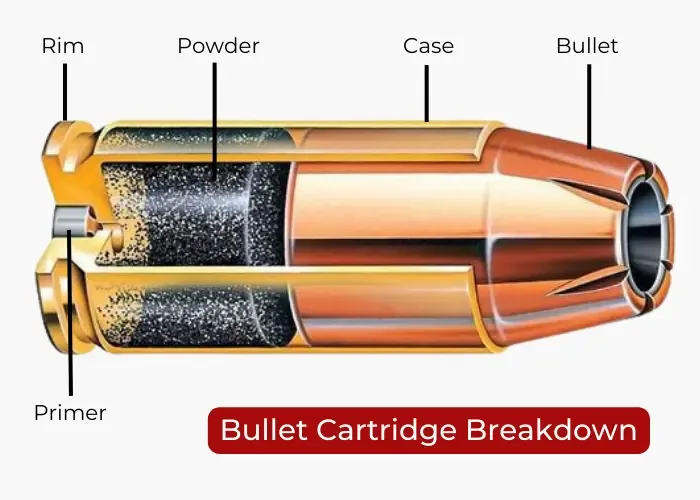
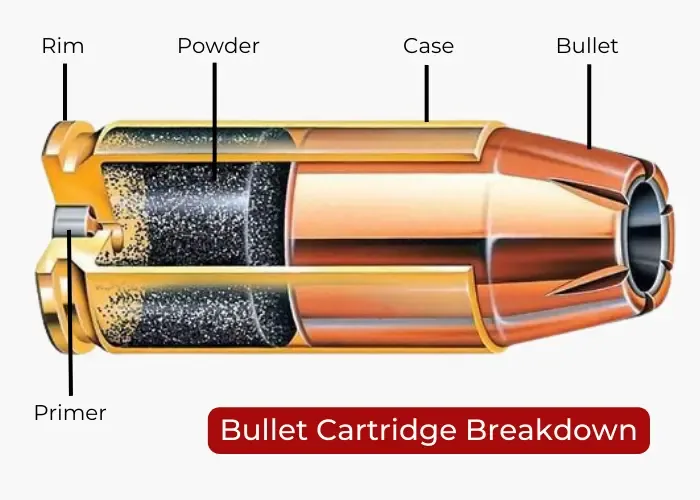
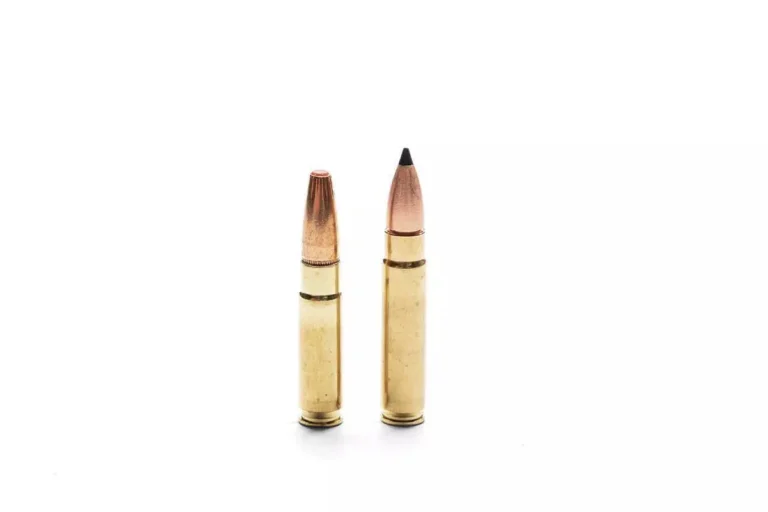
Beyond the visible corrosion, moisture can penetrate the casing to reach the sensitive chemical components. The primer, which initiates the firing sequence, is particularly vulnerable. When exposed to humidity, the explosive compounds in the primer can break down, reducing their potency or rendering them inert altogether.
This directly causes misfires, that dreaded "click" instead of a "bang" when you need a shot. Similarly, the gunpowder itself can absorb moisture, leading to clumping, altered burn rates, and reduced velocity, all of which compromise accuracy and reliability.
How to Keep Your Ammo Dry: Essential Storage Practices
Protecting your ammunition from moisture is crucial for reliability. This involves using the right tools and choosing a suitable location. By implementing a few key strategies, you can significantly extend the shelf life and ensure the readiness of your stored ammunition.
Think of it as creating a mini-climate-controlled vault for your cartridges, ensuring they perform when needed.
Airtight Containers: Your First Line of Defense
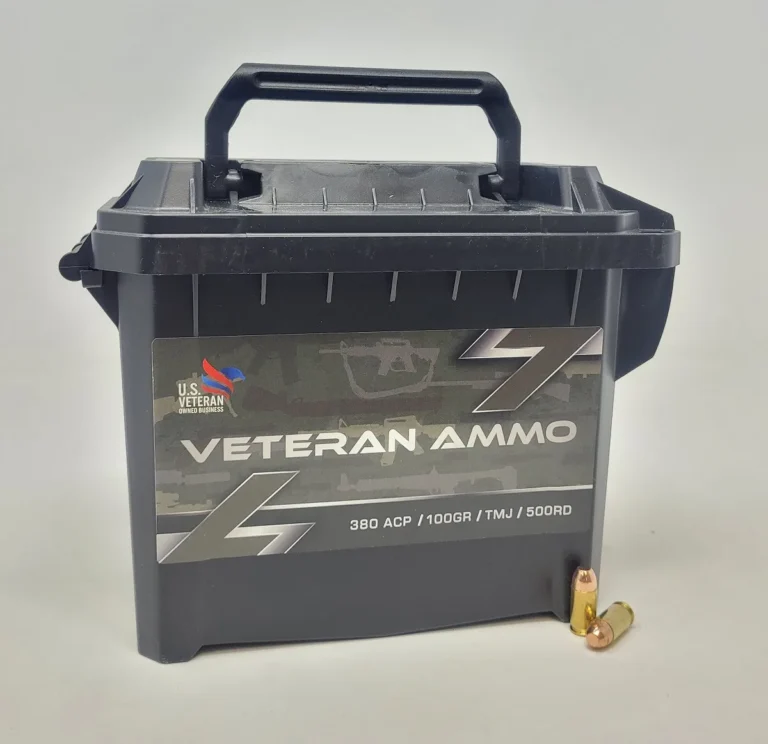
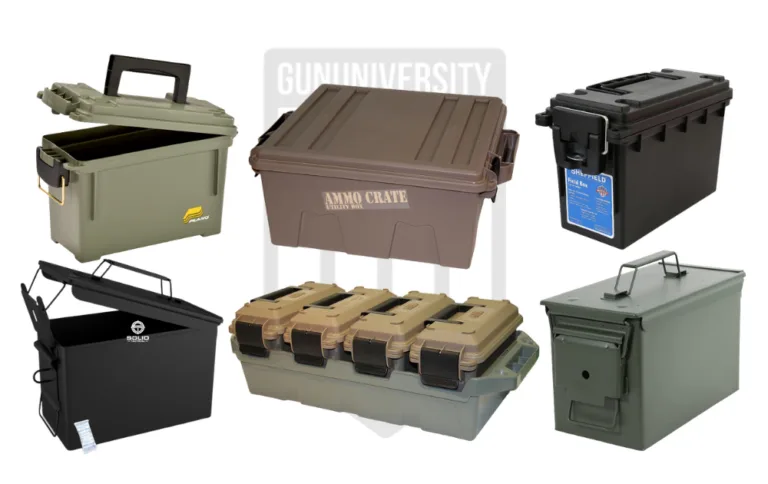
The most fundamental step in moisture protection is using containers that seal out the surrounding air. Standard ammunition cans, often made of metal or durable plastic, are designed for this purpose. They typically feature a rubber gasket around the lid that creates an airtight seal when closed properly.
This seal is crucial because it physically prevents humid air from entering the container and coming into contact with the ammunition.
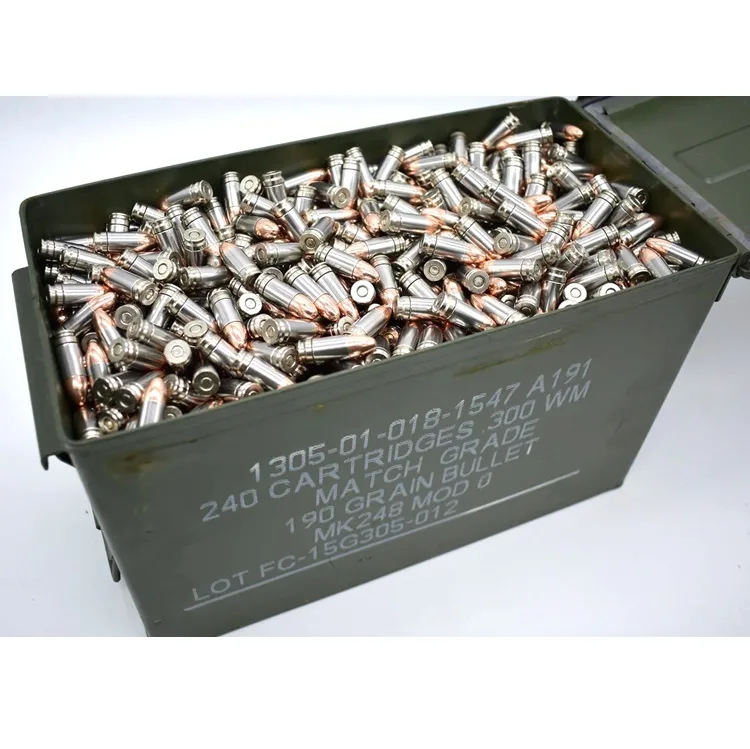
When selecting a container, look for robust construction that feels solid and closes securely. Many of these containers are designed to be stackable and water-resistant, offering a good balance of protection and practicality. For instance, military-surplus ammunition cans are known for their durability and effectiveness.
Even high-quality, gasketed plastic food storage containers can serve a similar purpose if they offer a truly airtight seal. The goal is to create a barrier between your ammo and the ambient humidity of its storage environment.
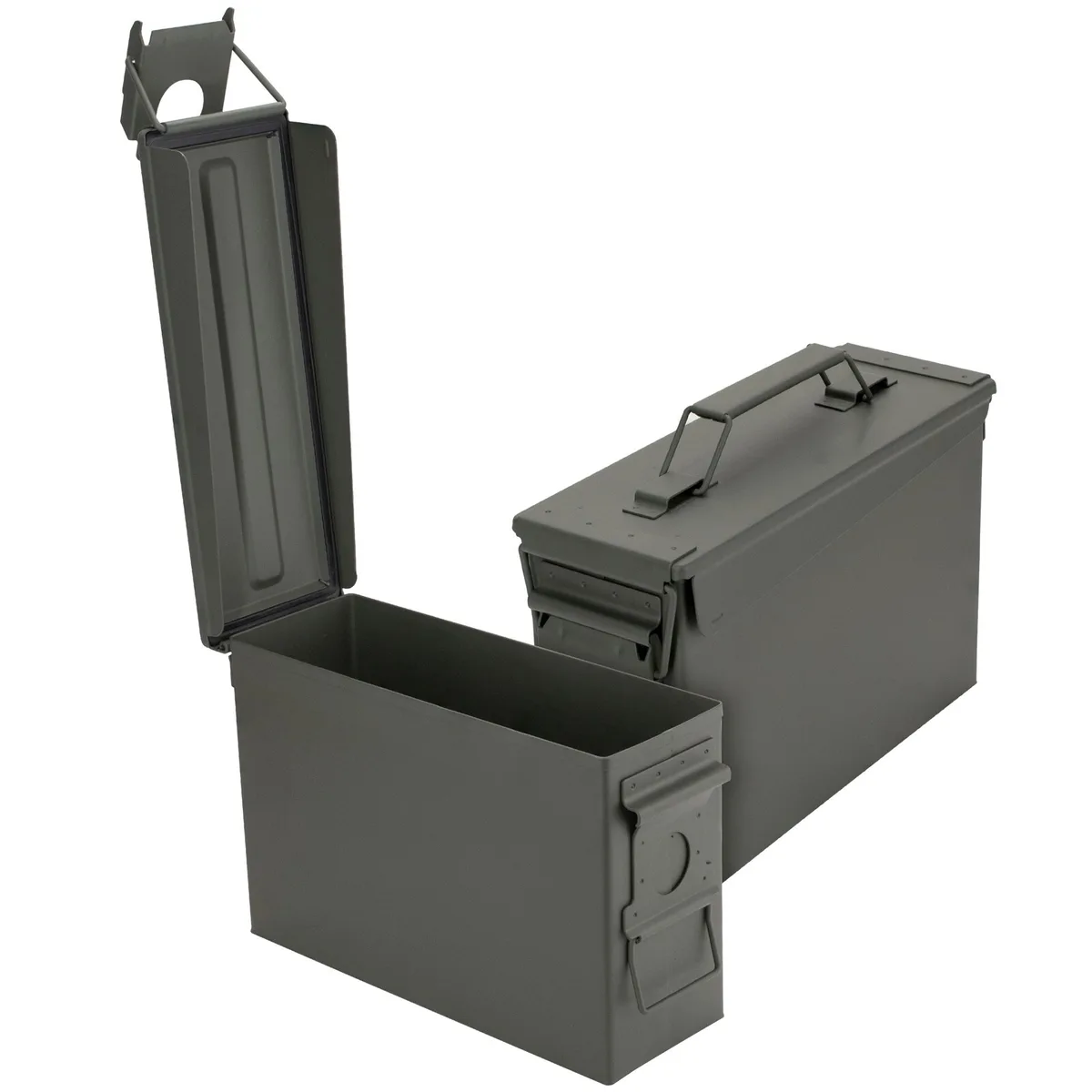
Image source: Bing (Web (fair-use with source credit))
Desiccants: The Moisture Sponge
Even the best airtight container can't always eliminate every trace of moisture. This is where desiccants come into play. Desiccants are materials that absorb and hold water molecules from the air.
Common examples include silica gel packets (the small packets found in new product packaging) or larger, rechargeable desiccant canisters designed for storage spaces.
Adding a desiccant pack to your ammo container acts as a secondary line of defense. It will soak up any residual moisture that might be present in the air inside the container, or any that manages to seep in over time. Manufacturer specifications often suggest keeping the relative humidity inside storage below 50% to prevent degradation, and desiccants help maintain that ideal environment.
It's important to note that most standard silica gel packets are single-use, becoming saturated over time. Rechargeable options exist, which can be dried out in an oven and reused, offering a more economical long-term solution.
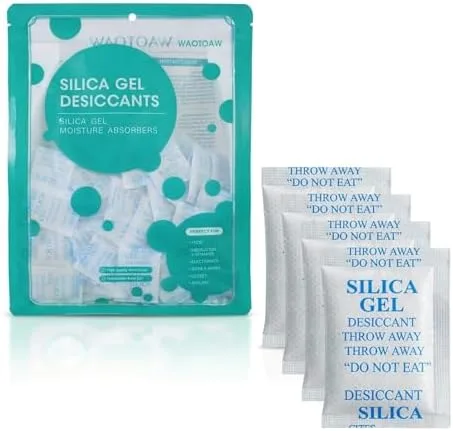
Image source: Bing (Web (fair-use with source credit))
Critical Mistakes That Ruin Ammunition
Some common storage practices can inadvertently lead to ammunition degradation, even if unintentional. One of the most frequent errors is storing ammunition in areas with high humidity or significant temperature swings. Places like uninsulated garages, sheds, or basements are notorious for accumulating moisture, especially in certain climates.
These fluctuating conditions can create condensation within storage containers, effectively introducing the very moisture you're trying to avoid.
Another mistake is relying solely on the original cardboard packaging. While this might offer a very minor, temporary barrier, it is not designed for long-term protection against humidity. The cardboard itself can absorb moisture, and any plastic bag it's within is rarely truly airtight.
Furthermore, failing to inspect stored ammunition periodically can mean that small issues go unnoticed until they become significant problems. If a desiccant pack becomes saturated, or a container's seal fails, the ammunition is exposed to damage without the owner realizing it.
Does Ammo Go Bad?
Yes, ammunition can and will degrade over time, especially if not stored properly. While it's not like food that spoils, its chemical components, particularly the primer and gunpowder, can break down due to environmental factors like moisture, heat, and fluctuating temperatures. This degradation can lead to misfires, reduced accuracy, or even dangerous malfunctions.
The lifespan of ammunition can vary significantly, from decades in ideal conditions to just a few years in poor storage environments.
Expert Tips for Long-Term Ammo Preservation
To ensure your ammunition remains in peak condition for as long as possible, consider these expert-backed strategies. Focus on consistency and a proactive approach to storage. Choosing the right storage location is paramount.
Opt for a climate-controlled area within your home, such as a closet or a designated shelf inside your living space. These areas typically experience more stable temperatures and lower humidity levels compared to attics, garages, or basements.
When using airtight containers, consider including a hygrometer. This small device measures the relative humidity inside the container, giving you a precise reading of the conditions your ammunition is experiencing. This allows you to gauge the effectiveness of your desiccants and sealing method.
If the humidity starts to creep up, it's a signal to recharge or replace your desiccants. For very long-term storage, some enthusiasts vacuum-seal their ammunition in robust bags before placing them inside an ammo can, adding an extra layer of protection against moisture. As of 2026, many industry professionals continue to emphasize these foundational practices for ensuring ammunition longevity.
Real-World Ammo Storage Scenarios
Understanding how different environments impact ammo helps make better choices. For example, a hunter who keeps ammunition in a vehicle during hunting season faces a unique challenge. That vehicle’s interior can experience extreme temperature swings from hot sun to cold nights, creating ideal conditions for condensation.
In this scenario, using a high-quality, truly airtight ammo can with fresh desiccant packs is non-negotiable. Even then, rotating the desiccant or checking it frequently is wise.
Contrast this with someone storing ammunition for home defense purposes. This ammo might reside in a closet within a climate-controlled house. While generally more stable, even indoor air can hold moisture.
Therefore, the same principles of airtight containers and desiccants apply. Over time, these measures prevent common issues like primer sensitivity loss or casing corrosion, ensuring the ammo is ready if needed. It's about consistent application of best practices, regardless of the specific use case.
Frequently Asked Questions About Ammo Moisture Protection
How long does ammo last when protected from moisture?
When stored correctly in airtight containers with active desiccants in a stable, cool environment, ammunition can remain viable for many decades, often 50 years or more. However, this is a general guideline; actual longevity depends on the specific components, manufacturing quality, and the exact storage conditions maintained.
Can I reuse silica gel packets?
Yes, most standard silica gel packets can be reused after being recharged. You can typically dry them out by placing them in a low-temperature oven (around 200-250°F or 93-121°C) for a few hours until they return to their original weight or color. Rechargeable desiccant canisters are specifically designed for this purpose.
What if my ammo looks corroded?
If your ammunition shows signs of corrosion, especially on the casings or around the primer area, it's generally best to consider it suspect and potentially unsafe to fire. Significant corrosion can compromise the integrity of the casing and the primer, leading to misfires or extraction problems. It's advisable to safely dispose of or consult with local authorities regarding the disposal of damaged ammunition.
Is a gun safe a good place to store ammo?
A gun safe provides physical security, but its effectiveness against moisture depends entirely on its construction and the ambient humidity. Many gun safes are not hermetically sealed and can trap humidity. It's recommended to use an airtight container with desiccants inside the gun safe, and potentially a dehumidifier rod for the safe itself, to ensure optimal conditions.