How Is Ammunition Packaged?
Ever wondered what's really going on inside those boxes of bullets? How ammunition is packaged is a critical part of ensuring your rounds are safe, protected, and ready when you need them. It's more than just putting metal in a container; it’s a process designed for reliability.
Understanding the packaging helps you appreciate the care taken and how to best store your own supplies. Manufacturer specifications often adhere to standards like those set by SAAMI, ensuring a baseline of quality. Let's break down the common methods you'll encounter.
Quick Answer
Ammunition is typically packaged in cardboard boxes with internal trays, sturdy plastic boxes with individual slots, or bulk containers. These methods protect rounds from moisture, damage, and corrosion, while also organizing them for easy counting and transport. Packaging choices depend on caliber, quantity, and intended use, with safety and longevity being primary goals.
Why Packaging Matters for Your Ammo
The way ammunition is packaged is pretty crucial for a few big reasons. Think of it like a protective suit for your bullets.
- Safety First: Packaging keeps the individual cartridges secure. This prevents accidental discharges and protects sensitive components like primers and bullet tips from damage.
- Environmental Shielding: Ammo needs to be shielded from moisture and extreme temperatures. Proper packaging, often including moisture-resistant materials, helps prevent corrosion on the case and internal components. This is vital for reliable function, especially after long-term storage.
- Organization and Handling: Tightly packed rounds are easier to count, store, and transport. Trays and compartments keep everything neat, preventing rounds from shifting and potentially getting damaged during transit.
- Information Display: Packaging clearly labels the caliber, quantity, manufacturer, and often other important details. This helps you identify the correct ammunition quickly and avoid mix-ups.
The standards for ammunition packaging often consider environmental factors and transport regulations, aiming to ensure the product reaches you in optimal condition. As of 2026, adherence to safety protocols remains paramount for all packaging types.
Classic Cardboard: What's Inside Those Familiar Boxes?
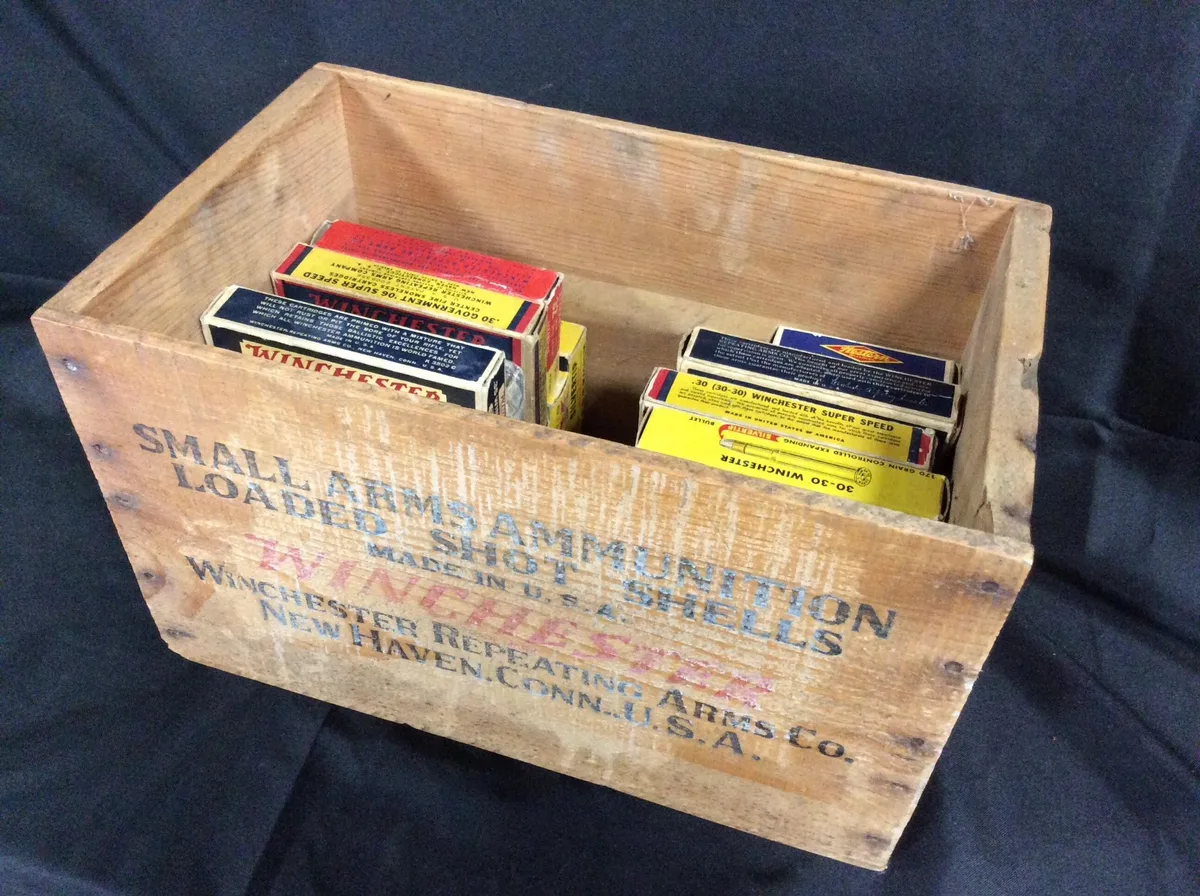
This is the most common sight you'll find on shelves. Cardboard boxes are a cost-effective and practical way to package many types of ammunition. They’re lightweight, easy to print on for labeling, and provide a decent level of protection for most common rounds.
Manufacturer specifications often detail how many rounds fit into a standard box, typically 20, 50, or 100, depending on the caliber and intended use. For instance, many pistol cartridges like 9mm Luger or .45 ACP, and common rifle rounds such as .223 Remington, come in boxes of 20 or 50.
Rimfire vs. Centerfire Box Styles
The internal structure of a cardboard box often differs based on the cartridge type. This is where those plastic or cardboard trays come into play.
- Rimfire Cartridges (.22LR): These rounds have their primer compound in a ring around the rim of the case. The trays are designed with individual slots that cradle each cartridge, preventing the delicate rims from being bent or damaged. This is essential because a damaged rim can cause a misfire.
- Centerfire Cartridges (9mm.308): For centerfire rounds, particularly those with a rim like .38 Special or .30-06 Springfield, trays help align them and keep them from rattling against each other. Even for rimless centerfire cartridges, trays provide separation, protecting the bullet tip and case body.
Sturdy Plastic: The Protective Power of Plastic Cartridge Boxes
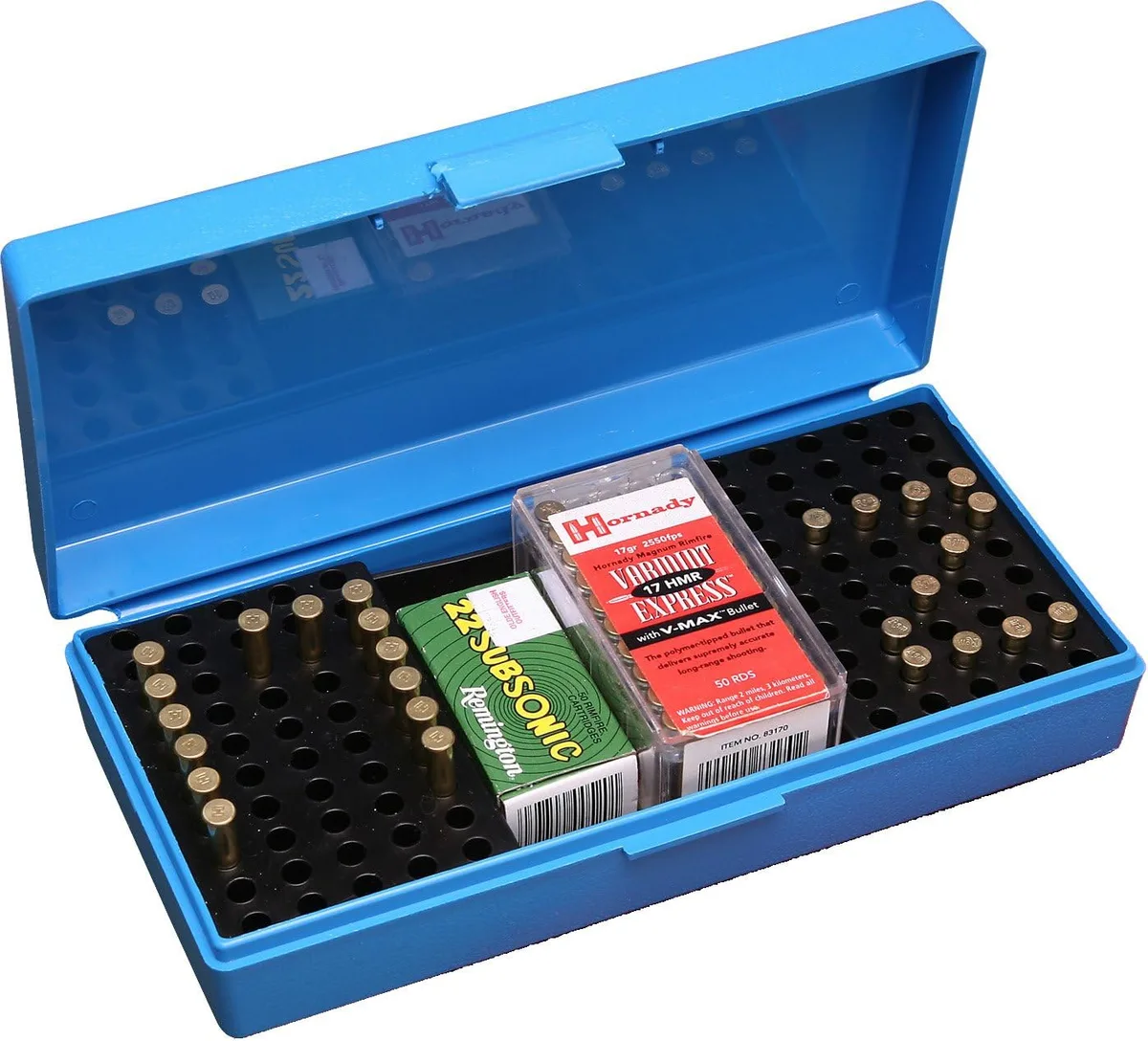
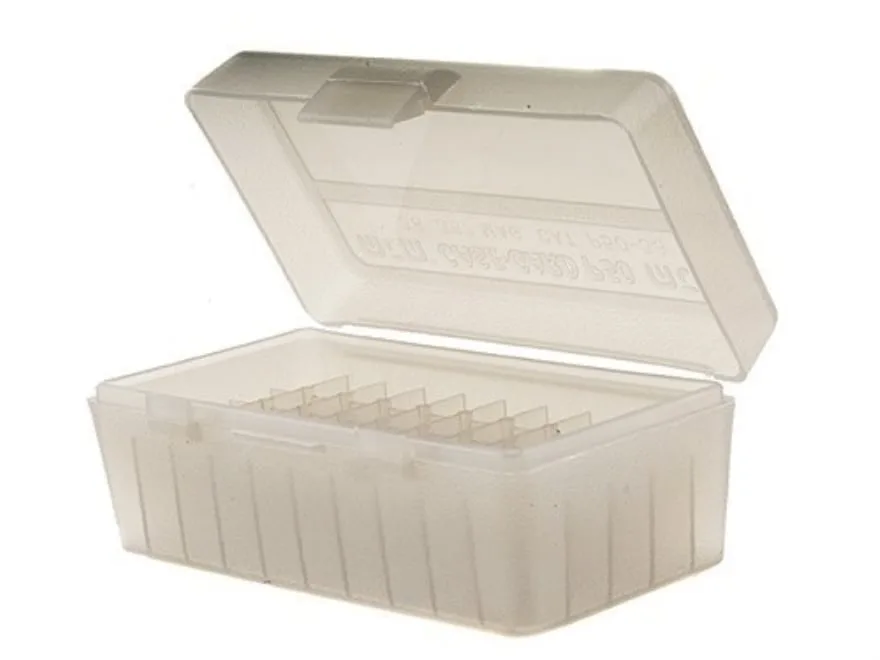
When you need extra protection, especially for rifle ammunition or larger quantities, plastic cartridge boxes are the way to go. These are typically made from durable, often clear or colored, plastic that offers a significant upgrade in defensive capabilities compared to cardboard.
Each round is usually held in a precisely molded slot within the plastic box. This ensures maximum separation and prevents any contact between cartridges, safeguarding bullet tips and case integrity. Manufacturer specifications for these boxes prioritize impact resistance and moisture barrier properties.
Reusability and Durability
One of the biggest advantages of plastic boxes is their durability and potential for reuse. Unlike flimsy cardboard, these robust containers can withstand considerable handling and environmental exposure without compromising their protective function. Many shooters find these boxes useful for organizing and storing ammunition for extended periods or for transporting rounds to the range.
They also excel at keeping moisture out. The snap-shut lids create a reasonably tight seal, offering better protection against humidity and accidental splashes than most cardboard packaging. This makes them a favored choice for hunters or anyone storing ammunition in varied conditions.
Going Big: Understanding Bulk Ammunition Packaging
For those who shoot a lot, buying ammunition in bulk makes financial sense and simplifies stocking up. Bulk packaging usually means larger quantities than standard boxes, often aimed at high-volume shooters, training facilities, or competitive events.
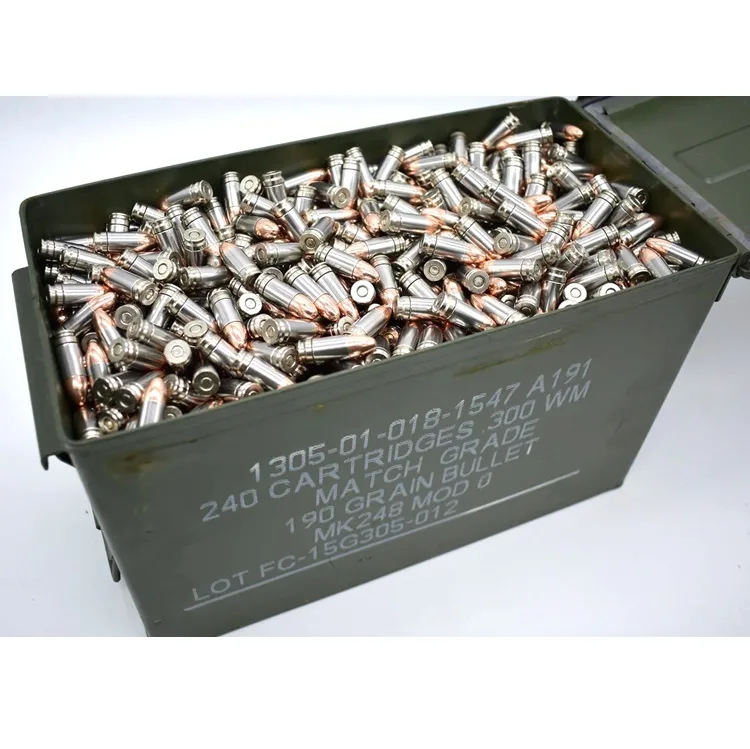
You’ll typically find bulk ammo sold in larger cardboard boxes, often containing multiple smaller trays, or sometimes in sealed plastic buckets or heavy-duty bags. Common bulk quantities include 500 or 1,000 rounds. This packaging focuses on efficiency and cost-per-round savings.
Aggregate reviews often indicate that while bulk packaging is economical, the individual protection for each round might be slightly less refined than in premium individual boxes, though still adequate for intended use. For example, a 1,000-round brick of 9mm might come in a substantial cardboard box with internal dividers rather than individual molded slots for every single round.
Beyond the Box: Specialized and Military Packaging
Beyond the everyday consumer packaging, there are specialized methods designed for extreme durability and long-term storage. This is most commonly seen with military surplus ammunition or rounds intended for harsh environments.
Military specifications often dictate packaging that can withstand significant abuse and environmental challenges. This can include heavy-duty, often waxed or sealed, cardboard boxes, or robust metal cans. These are designed to protect the ammunition for decades, even when stored in less-than-ideal conditions like bunkers or overseas deployments.
Sometimes, this specialized packaging also includes pre-loaded stripper clips or en bloc clips, which are themselves designed for rapid loading into firearms. The packaging's primary goal is preservation and readiness, ensuring that when these rounds are finally needed, they function reliably.
Crucial Compartments: The Role of Trays and Inserts
Those internal trays you find in many ammunition boxes aren't just there for show; they play a critical role in protecting your rounds. Think of them as custom-fit cradles for each bullet and case.
- Preventing Damage: For rimfire cartridges, especially .22LR, the trays prevent the delicate rims from bending or deforming. A damaged rim is a primary cause of misfires.
- Separation and Stability: For both rimfire and centerfire rounds, these inserts keep cartridges from jostling against each other. This protects the bullet tip from deformation and the case body from scratches or dents, ensuring consistent feeding and firing.
- Organization: Trays help keep rounds neatly aligned, making it easier to count them and ensuring they fit snugly within the outer box. This prevents excessive movement and potential damage during transport.
Manufacturer specifications often detail the exact design of these trays to match the dimensions of specific calibers, ensuring a secure fit.
Keeping it Safe: Best Practices for Storing Packaged Ammo
Proper storage of packaged ammunition is as important as the packaging itself. Even the best box can't protect rounds if stored incorrectly. The primary enemies are moisture and extreme temperature fluctuations.
Aggregate storage data suggests that ammunition stored in cool, dry conditions can remain viable for decades. For example, per military specifications for long-term storage, temperature variations should be minimized, ideally kept between 50-70°F (10-21°C). Avoid storing ammo in damp basements, humid garages, or in direct sunlight, which can degrade powder and primers over time.
Where to Store Your Ammo
- Climate-Controlled Areas: A dedicated, climate-controlled safe or storage cabinet is ideal. This maintains a consistent temperature and low humidity.
- Avoid Attics and Direct Sunlight: These areas experience extreme temperature swings that can compromise ammunition.
- Firearms Safes: Many firearms safes offer some degree of environmental protection. However, if humidity is a concern, consider adding desiccant packs inside.
Always store ammunition separately from firearms unless you are actively preparing for a shooting session or in a situation where immediate access is necessary and legally permissible.
Common Ammo Packaging Mistakes to Watch Out For
While manufacturers do a good job, user handling and storage can introduce problems. One common mistake is damaging the packaging itself, which compromises its protective qualities.
If a box of ammunition, whether cardboard or plastic, shows signs of significant crushing or tearing, the internal protection is likely compromised. This can expose the rounds to moisture or allow them to shift, potentially leading to damage. Another oversight is ignoring the labeling; mixing different calibers is a dangerous error that can have severe consequences.
What to Inspect
- Box Integrity: Ensure boxes are not crushed, torn, or water-damaged.
- Seal Quality: For sealed containers, check that the seal is intact.
- Label Clarity: Make sure caliber markings are clear and legible.
Never assume ammunition is good if the packaging looks suspect. If in doubt, it’s best to err on the side of caution and properly dispose of or recycle damaged ammunition.
Frequently Asked Questions About Ammunition Packaging
What is the primary goal of ammunition packaging?
The primary goals are safety, protection from environmental factors like moisture and corrosion, and organization for transport and storage.
Are plastic ammo boxes better than cardboard?
Plastic boxes generally offer superior protection against moisture and impact and are often reusable, making them more durable for long-term storage or rough handling.
How many rounds are typically in a box of ammunition?
Common counts vary by caliber and type, but typical box sizes include 20, 25, 50, or 100 rounds for centerfire and pistol cartridges, and often 50 or 100 rounds for rimfire like .22LR. Bulk packaging can contain 500 or 1,000 rounds.
Can ammunition packaging be reused?
Yes, sturdy plastic cartridge boxes are frequently reused by shooters for organizing their own ammunition. Cardboard boxes are less durable for reuse but can sometimes be repurposed for general storage.
What are the risks of storing ammunition in damaged packaging?
Damaged packaging can expose ammunition to moisture, leading to corrosion and reduced reliability. It can also allow rounds to shift and become damaged, potentially causing feeding or firing issues.