What Is Brass Case Ammunition?
Have you ever wondered why most of the ammunition you see at the shooting range or in stores is shiny and gold-colored? That's brass case ammunition, and understanding what it is can make you a more informed shooter. It’s the standard for a reason, offering a blend of performance and reliability that’s hard to beat.
This guide breaks down why brass is so prevalent, how it functions, and how it stacks up against other options. We’ll cover everything from its core attributes to its practical applications and why it’s often the preferred choice for everything from plinking to serious hunting.
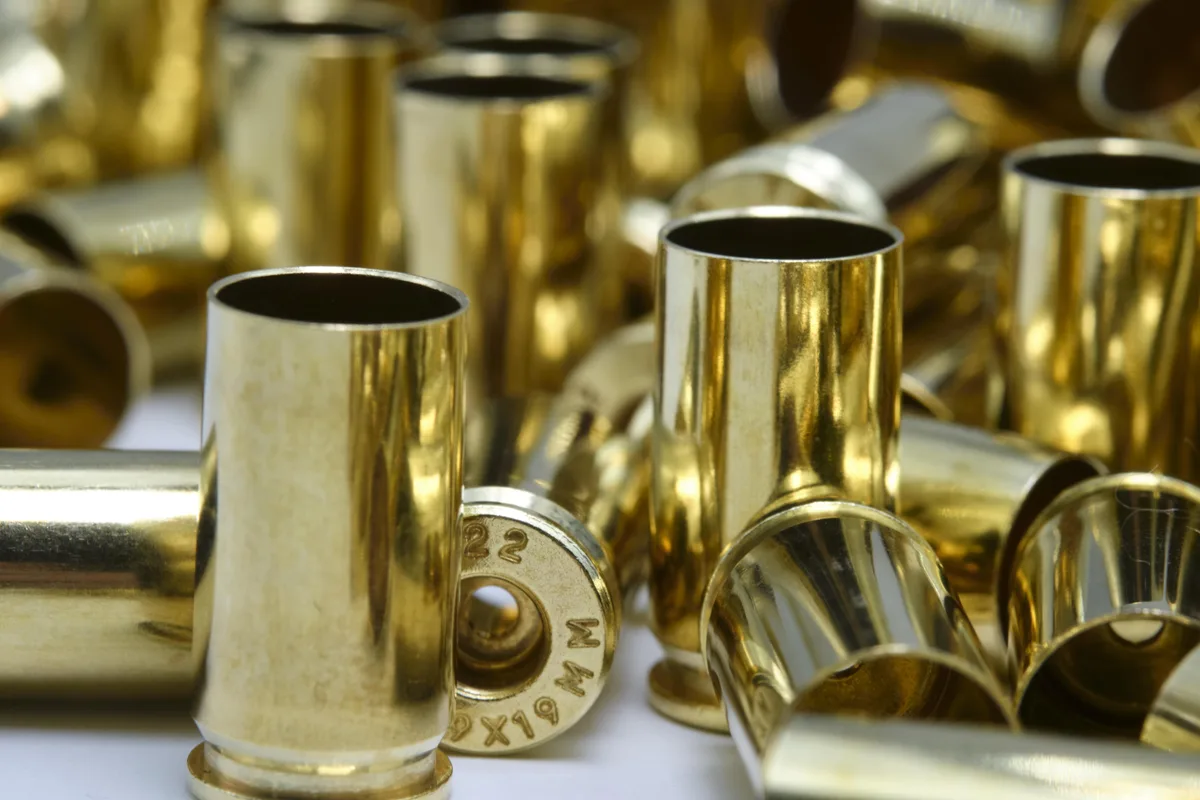
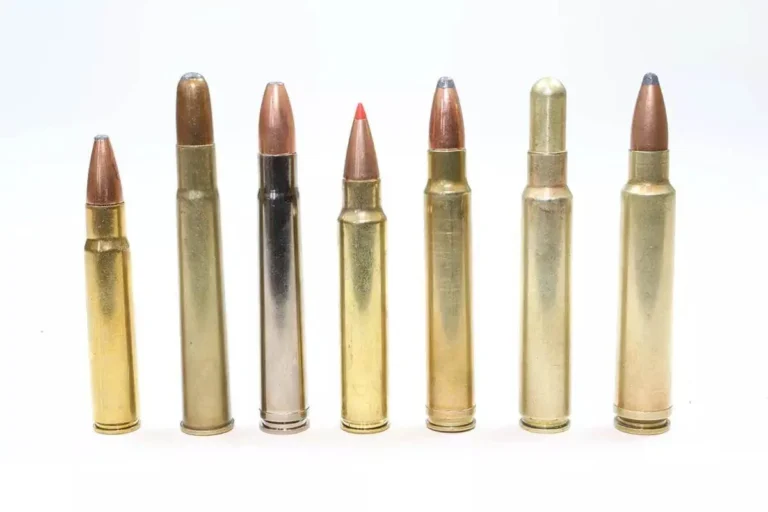
Image source: Bing (Web (fair-use with source credit))
Quick Answer: What is Brass Case Ammunition?
Brass case ammunition uses a casing made from cartridge brass, an alloy primarily of copper and zinc. This casing holds the bullet, propellant, and primer together. It's favored for its reliability in sealing the chamber when fired and its ability to be easily ejected and often reloaded after use.
Core Explanation: How Brass Cases Work in Firearms
The casing is the backbone of any cartridge, and its material dictates much of how it performs. For brass case ammunition, the cartridge brass alloy offers a unique set of properties that translate directly into firearm function. When you pull the trigger, the expanding gases from the burning propellant force the casing to expand, creating a seal.
Then, as the pressure drops, the brass "springs back" enough to allow for smooth extraction from the firearm’s chamber. This process is vital for both safety and the cycling of semi-automatic firearms.
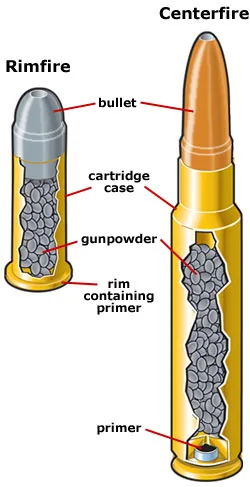
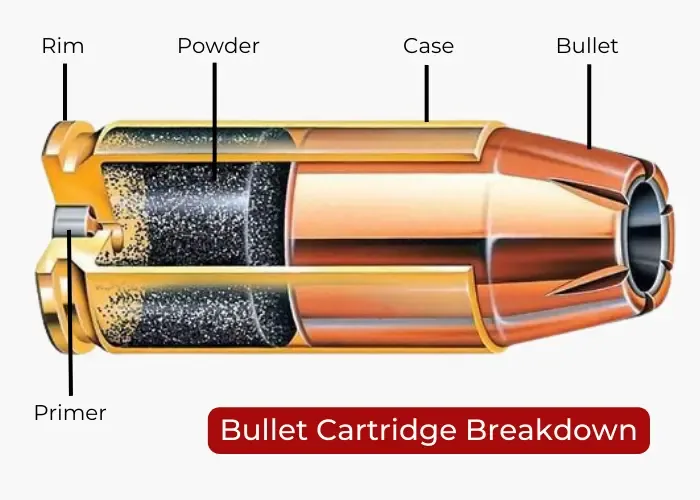
Image source: Bing (Web (fair-use with source credit))
The Components That Matter: Bullet, Powder, Primer, Case
Every round of ammunition is a carefully engineered package of four main parts, each with a critical role:
- Bullet: The projectile that travels down the barrel and out to the target.
- Propellant: Typically gunpowder, which burns rapidly to generate the gases needed to propel the bullet.
- Primer: A small, sensitive explosive charge that ignites the propellant when struck by the firearm's firing pin.
- Case: The container that holds all these components together, forming the complete cartridge. It also seals the chamber when fired.
How Brass Expands and Ejects
When a firearm is discharged, the rapidly expanding gases from the burning propellant exert immense pressure. This pressure causes the brass casing to expand outward, tightly sealing the chamber of the firearm. This seal is crucial; it prevents hot gases from escaping back towards the shooter and ensures all the energy is directed forward to push the bullet.
Immediately after firing, the pressure inside the chamber drops. Cartridge brass has a degree of "spring-back", it returns to a shape slightly smaller than its maximum expanded size. This allows the firearm’s extractor to grip the rim of the case and pull it cleanly out of the chamber.
Key Features & Attributes of Brass Cases
Brass cases aren't just any metal; the specific properties of cartridge brass make them ideal for ammunition. These attributes directly influence performance and user experience, making them the benchmark for many types of shooting.
Material Properties: Copper & Zinc Alloy
The most common material for these cases is cartridge brass, which is an alloy typically composed of about 70% copper and 30% zinc. This specific blend offers excellent ductility, meaning it can be easily drawn and formed into the precise shapes required for ammunition casings. It also provides good tensile strength to withstand the pressures of firing, while remaining soft enough not to cause excessive wear on firearm components.
Manufacturer specifications often detail the exact alloy percentages used, though this 70/30 mix is standard.
Performance Factors: Reliability and Corrosion Resistance
Two of the most significant performance factors for brass cases are their reliability in sealing and their resistance to corrosion. As mentioned, the brass expands to seal the chamber, ensuring efficient energy transfer and preventing blow-back. Furthermore, brass is naturally resistant to rust and significant corrosion.
This means ammunition stored properly can remain viable for many years, often decades, without degrading to the point of being unsafe or unreliable. This long-term stability is a key advantage over materials like steel, which can rust if exposed to moisture.
Benefits and Drawbacks: The Brass Case Trade-Off
Like any material choice in engineering, using brass for ammunition involves a set of advantages that make it popular, alongside a few considerations that might lead some shooters to explore alternatives. Understanding these trade-offs helps clarify why brass remains a dominant choice.
The Advantages: Why Shooters Love Brass
- Reliable Function: Brass cases reliably expand to seal the chamber and then contract enough for easy extraction in most firearms. This consistent performance is critical for safe operation.
- Corrosion Resistance: Brass doesn't rust easily, making it durable for storage and use in varied environments. This longevity helps prevent misfires due to case degradation.
- Reloadability: Brass cases are generally durable enough to be reloaded multiple times. This is a significant cost-saving and customization benefit for many shooters, as confirmed by aggregate user feedback.
- Firearm Compatibility: Its properties generally lead to less wear and tear on the firearm's chamber and extractor compared to harder metals.
The Downsides: When Brass Might Not Be Ideal
- Cost: Ammunition with brass casings is typically more expensive upfront than steel or aluminum-cased options. This is due to the higher cost of raw brass materials and processing.
- Weight: While not usually a major issue for casual shooters, brass is denser than aluminum and can be heavier than some steel casings, adding slightly to the bulk when carrying large quantities.
Comparing Brass to Alternatives: Steel and Aluminum
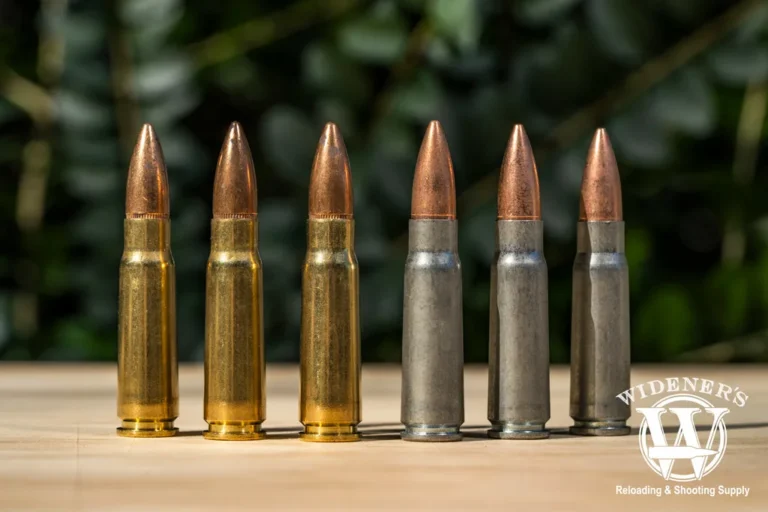
While brass is the most common casing material, it's not the only option. Understanding how brass compares to steel and aluminum can help you make informed choices based on your specific needs and budget.
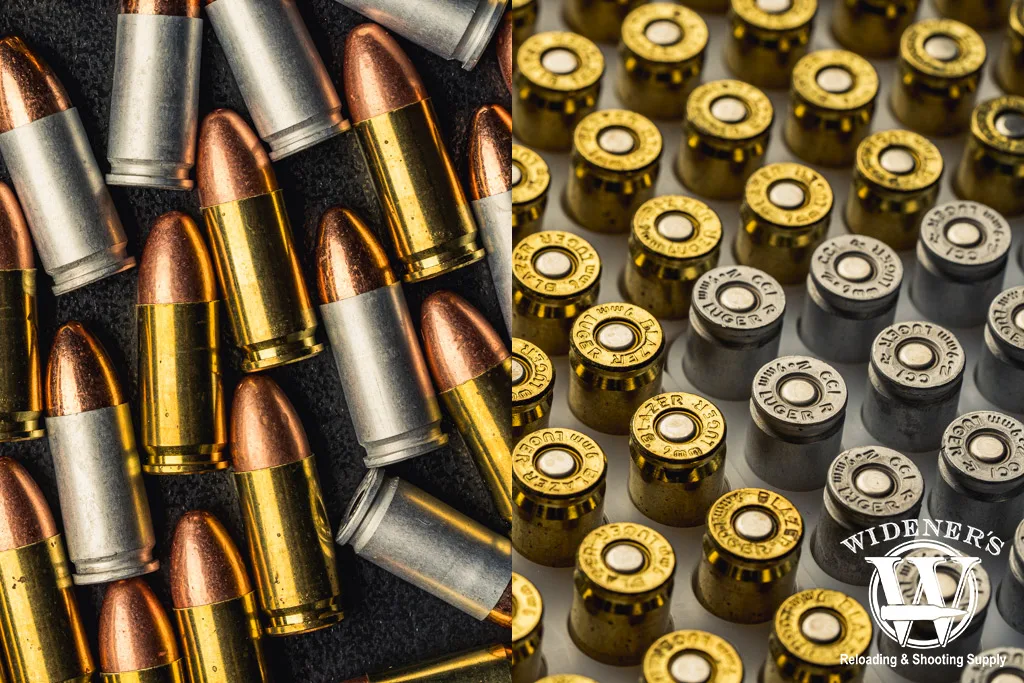
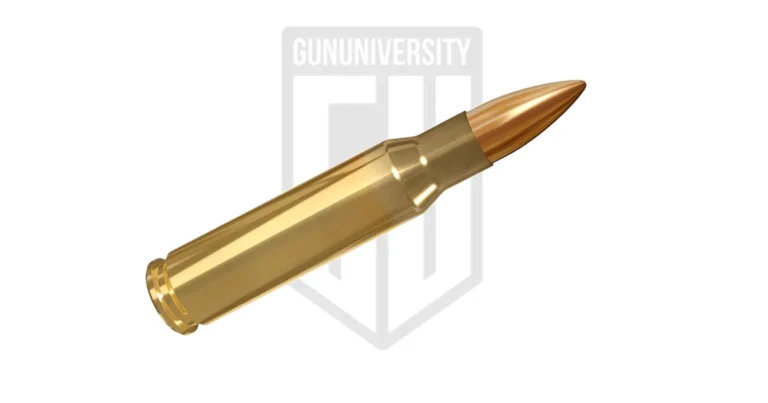
Image source: Bing (Web (fair-use with source credit))
Brass vs. Steel: Key Differences for Shooters
Steel-cased ammunition is often less expensive than brass. However, steel typically expands less when fired and may not always extract as cleanly from all firearms, sometimes requiring more robust extraction systems. Steel is also more prone to rust if not stored carefully.
While some steel cases can be reloaded, they are generally not as durable or as easily reloaded as brass. Steel is a popular choice for high-volume range shooting where cost is a primary concern.
Brass vs. Aluminum: Understanding the Options
Aluminum-cased ammunition is typically lighter and often less expensive than brass. It's generally considered non-reloadable due to the material's properties and the way these cases are manufactured. Aluminum cases can sometimes stick in chambers, especially if the firearm gets hot.
They are often found in lower-pressure rounds and are a good option for casual plinking or when minimizing weight is important. For most serious applications, brass remains the preferred material.
Who Benefits Most from Brass Case Ammunition?
Brass case ammunition is a versatile choice that serves a broad spectrum of firearm users. Its balanced performance makes it suitable for many different shooting disciplines and levels of experience. If you're looking for reliable, consistent performance, especially with an eye towards long-term use or reloading, brass is often the best starting point.
As of 2026, its widespread adoption is a testament to its proven track record.
Ideal Uses: Target, Hunting, Defense, and Reloading
For target shooting, brass offers consistent accuracy and predictable extraction, ensuring smooth follow-up shots. Hunters appreciate its reliability in various weather conditions and its resistance to environmental degradation, which is crucial when out in the field. Those who choose ammunition for self-defense prioritize reliability above all else, and brass cases deliver that dependable performance.
Most importantly for many, the reusability of brass cases makes them the go-to for anyone interested in reloading their own ammunition.
Who Should Consider Other Options?
While brass is excellent, it's not always the absolute best fit for every single situation. Shooters on a very tight budget who are primarily focused on high-volume plinking might find steel-cased ammunition more economical. For users who need the absolute lightest ammunition possible, such as for very specific ultralight firearms or extreme load-bearing scenarios, aluminum cases might offer a slight weight advantage.
However, these niche applications typically trade off some of the performance and reloading benefits that brass provides.
Reloading: The Big Advantage of Brass Cases
One of the most significant reasons brass cases maintain their popularity is their suitability for reloading. This process of repurposing spent casings is not only a cost-effective way to shoot more but also allows for greater customization of ammunition. The inherent durability and specific metallurgical properties of cartridge brass are what make this practice feasible and widely adopted by enthusiasts.
The Reloading Process: Basics
Reloading involves taking a spent brass casing, cleaning it, resizing it back to its original dimensions, priming it with a new primer, adding a precise amount of gunpowder, and seating a new bullet. This cycle can often be repeated many times for a single casing, though its lifespan depends on the pressures it's subjected to and the quality of the brass. Manufacturer specifications on some brass casings indicate they can withstand up to ten or more reloading cycles under normal conditions.
Cost Savings and Customization
By reloading brass cases, shooters can significantly reduce the per-round cost of ammunition, sometimes by 50% or more compared to buying new factory loads. This allows for more frequent trips to the range or more practice time. Beyond savings, reloading offers unparalleled customization.
You can tailor bullet weight, powder charge, and primer type to achieve specific ballistic performance for accuracy, recoil, or intended use, which is something not possible with factory-sealed ammunition.
Common Mistakes and Things to Watch Out For
Even with reliable components like brass cases, improper handling or misunderstandings can lead to issues. Being aware of common pitfalls can save you frustration, prevent damage to your firearm, and ensure safe shooting practices. These mistakes often stem from not fully appreciating the nuances of ammunition types or firearm care.
Misunderstanding Case Materials
A common error is treating all ammunition casings the same. For instance, assuming steel-cased ammo will extract as smoothly as brass in any firearm designed for brass can lead to jams or extraction failures. Similarly, assuming all brass cases are infinitely reloadable without inspection can lead to dangerous over-pressures or case ruptures if a weakened case is used.
Always confirm your firearm is rated for the type of ammunition you intend to use.
Improper Storage and Handling
While brass is corrosion-resistant, it's not impervious to damage. Storing ammunition in excessively humid environments for long periods can still lead to tarnishing or minor degradation, which might affect primer ignition. Dropping ammunition, especially primers, can potentially damage them, leading to misfires.
For reloading, keeping components clean and dry is paramount to consistent results.
Expert Tips for Choosing Ammunition
When selecting ammunition, think beyond just the caliber. Consider the material of the casing as it directly impacts performance, cost, and your firearm's longevity. For most general purposes, especially if you plan to reload or want the most reliable extraction, brass is the standard for good reason.
If cost is the absolute primary driver for high-volume range practice, steel might be a consideration, but research your firearm’s compatibility first.
For hunting and self-defense, prioritize quality brass-cased ammunition from reputable manufacturers. These loads are typically engineered for maximum reliability and consistent terminal performance. Always ensure the ammunition is designed for your specific firearm model and chambering.
Paying attention to these details ensures a safer and more enjoyable shooting experience.
FAQs About Brass Case Ammunition
Can I use steel-cased ammo in any gun that shoots brass?
No, you cannot always interchange them. While many firearms designed for brass will function with steel, some older designs or those with tighter tolerances might experience extraction issues. Always check your firearm manufacturer's recommendations before using steel-cased ammunition.
How many times can a brass case be reloaded?
The number of times a brass case can be reloaded varies greatly. Factors include the quality of the brass, the pressures of the fired load, and the reloading process. Some cases might last for over ten reloads, while others might only withstand a few before showing signs of fatigue.
Regular inspection is crucial.
Is brass ammunition more accurate than steel?
Generally, brass-cased ammunition is considered to be more consistent, which can contribute to better accuracy. The way brass seals the chamber and extracts smoothly often leads to a cleaner shooting cycle. However, the primary drivers of accuracy are bullet quality, propellant consistency, and firearm precision, not just the casing material.
Why is brass more expensive than steel or aluminum?
Brass is more expensive due to the inherent cost of its raw materials (copper and zinc) and the more complex manufacturing processes involved in creating cartridge brass alloys and forming them into cases. Steel and aluminum are generally less costly commodities.
Can brass ammo go bad over time?
Brass itself is quite durable and resistant to corrosion. However, the primer and propellant within the casing can degrade over many years, especially if stored in adverse conditions. Properly stored brass-cased ammunition can remain effective for decades, but regular inspection is wise.