What Is +P Ammunition?
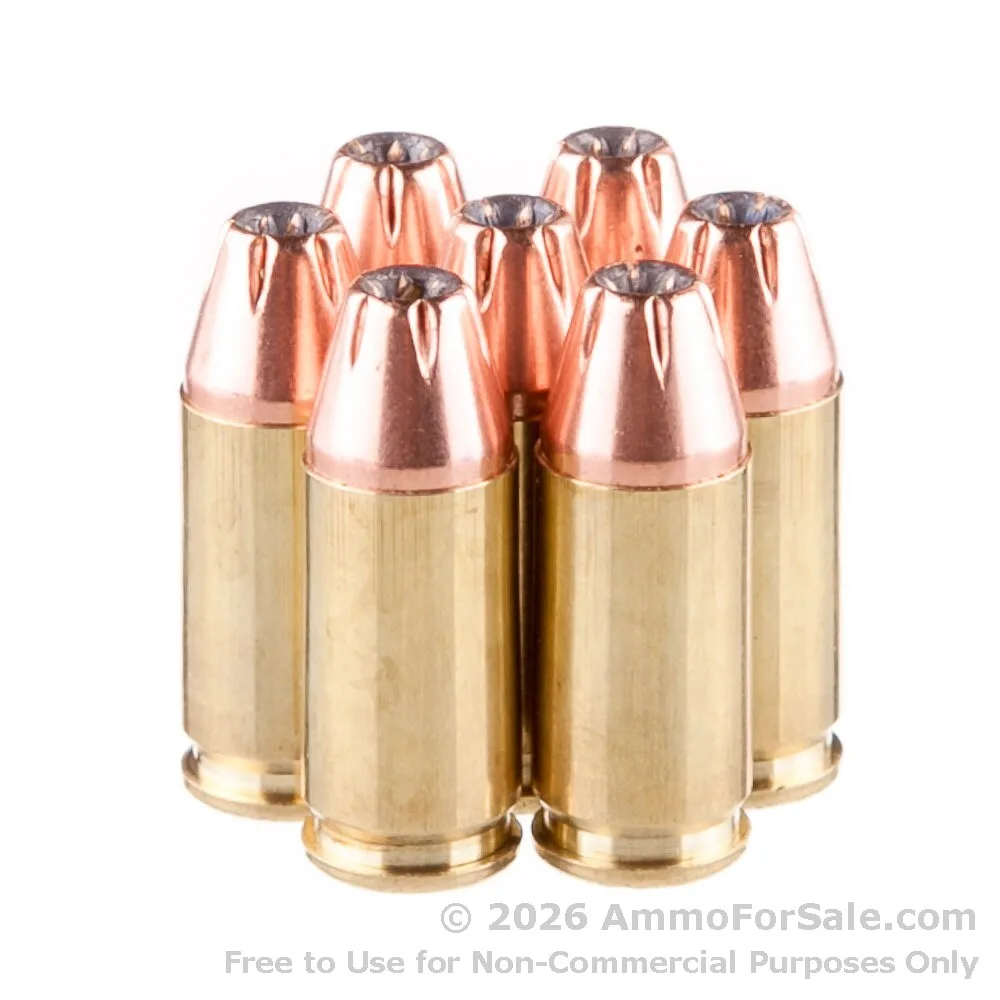
Image source: Bing (Web (fair-use with source credit))
When you're considering ammunition options for your firearm, you'll inevitably come across terms like "+P." Understanding what +P ammunition is and how it differs from standard loads is crucial for safety and performance. It's not simply a matter of choosing the most powerful option available.
In our research, we've found that +P ammunition is designed to operate at higher pressures than standard loads. Specifically, it can exceed standard SAAMI (Sporting Arms and Ammunition Manufacturers' Institute) pressure ratings by a certain margin, typically measured in pounds per square inch (PSI). This increased pressure translates to higher velocities and greater energy.
Quick Answer
+P ammunition is a type of firearm cartridge designed to operate at higher pressures than standard loads. This results in increased muzzle velocity and greater energy upon impact. However, it also puts more stress on your firearm.
You must confirm your firearm is rated to handle +P loads before using them, as using them in a non-rated firearm can cause damage or injury.
Is +P Ammunition Right For Your Firearm?
Deciding if +P ammunition is suitable for your specific firearm comes down to a few key factors, and the most important one is checking what your firearm is actually designed to handle. Firing ammunition that exceeds your firearm's pressure limits is dangerous.
Checking Your Firearm's Specifications
Your firearm's manufacturer is the ultimate authority on what kind of ammunition it can safely fire. You'll usually find this information in the owner's manual that came with your gun. If you’ve misplaced it, a quick search on the manufacturer's official website for your specific model should provide a digital copy.
Look for any mention of ammunition pressure ratings, particularly if it specifies if it's rated for standard pressure, +P, or even +P+ loads.
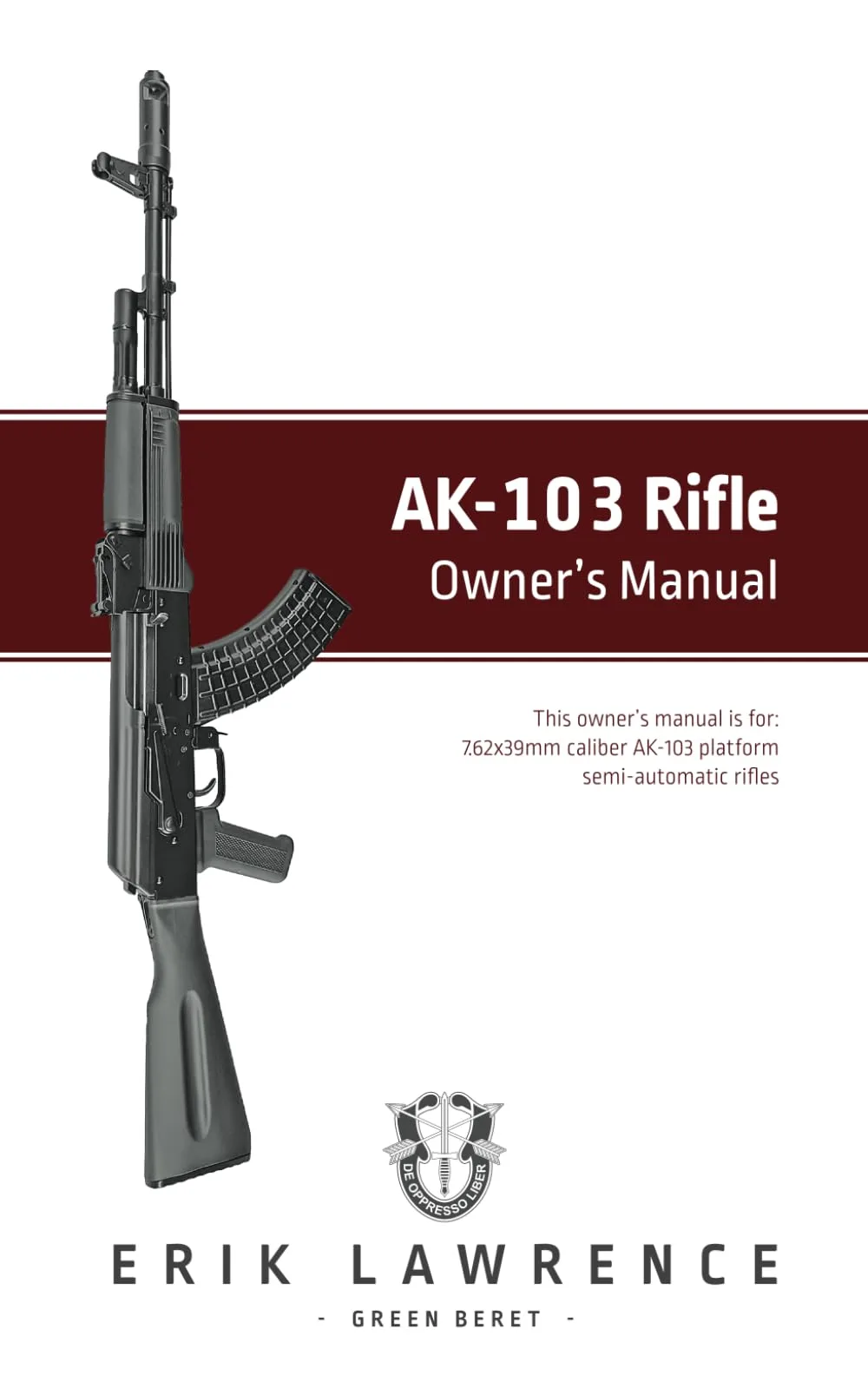
Image source: Bing (Web (fair-use with source credit))
This isn't something you can guess or assume. Some firearms, especially older ones or those not built with modern metallurgy, might not be able to withstand the increased forces of +P rounds. Using them could lead to accelerated wear and tear, or worse, a catastrophic failure.
Understanding SAAMI Pressure Limits
The Sporting Arms and Ammunition Manufacturers' Institute (SAAMI) sets industry standards for ammunition and firearm design, including pressure limits. These limits are established to ensure safe operation for the vast majority of firearms chambered for a particular cartridge. Standard pressure loads fall within these established SAAMI maximum average pressure (MAP) values. +P ammunition, by definition, operates at pressures above these standard MAPs but generally within a defined, higher limit also set by SAAMI.
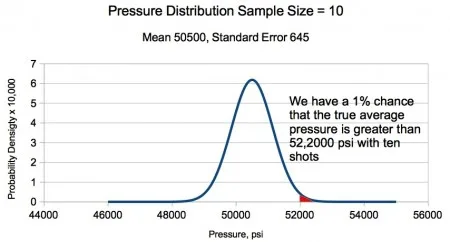
Image source: Bing (Web (fair-use with source credit))
For example, a 9mm Luger cartridge might have a SAAMI MAP of around 35,000 PSI for standard loads. A 9mm +P load could be rated up to, say, 38,500 PSI. It's critical that your firearm's design and construction can safely accommodate these higher pressure spikes without failing.
Always consult your firearm's documentation for its specific rating.
The Core Difference: +P vs. Standard Pressure Loads
At its heart, the distinction between +P and standard pressure ammunition boils down to the amount of force generated when the round is fired. This difference in force impacts how the bullet behaves and, crucially, how it affects your firearm.
What Does "+P" Actually Mean?
The "+P" designation on a cartridge simply means "plus pressure." It indicates that the ammunition has been loaded to produce higher peak chamber pressures than a standard pressure version of the same cartridge. Think of it like a more potent version of the same thing, engineered for increased performance.
Manufacturers use different powder formulations and/or charge amounts to achieve these higher pressures. The goal is to push the bullet out of the barrel at a faster rate.
How Higher Pressure Affects Performance
The increased pressure from +P ammunition directly translates to higher muzzle velocity. A bullet fired from a +P round will generally exit the barrel at a faster speed than one fired from a standard pressure round of the same caliber. This higher velocity often results in increased kinetic energy, which is the bullet's "punch."
This boost in velocity and energy can lead to:
- Improved Penetration: The bullet may be more capable of passing through barriers.
- Flatter Trajectory: The bullet might travel in a straighter line over longer distances.
- Enhanced Stopping Power: For self-defense applications, increased energy can be a factor in incapacitating a threat.
However, this performance boost comes with trade-offs. The higher pressures mean more stress is exerted on the firearm's internal components, including the barrel, chamber, locking lugs, and recoil system.
Real-World Impact: Benefits and Risks
Choosing between +P and standard pressure ammunition involves weighing potential advantages against definite risks. It’s not a one-size-fits-all decision, and understanding the implications is key.
The Upside: When Higher Pressure Helps
For specific use cases, particularly self-defense and law enforcement duties, the increased performance of +P ammunition can be beneficial. The primary advantage is the potential for enhanced effectiveness. That higher velocity and energy can contribute to:
- Better Barrier Penetration: In defensive scenarios, bullets might need to pass through clothing, light doors, or even some types of cover. +P loads are often engineered to achieve this more reliably than standard loads.
- Increased Terminal Ballistics: For self-defense, a bullet that transfers more energy to the target can be more effective in stopping a threat quickly. This is a complex topic, but the added energy from +P can play a role.
- Improved Accuracy: In some firearms, particularly handguns with faster twist rates in their barrels, the higher velocity of +P rounds can sometimes lead to improved accuracy. This is highly firearm-dependent.
The Downside: Potential for Damage and Wear
The increased pressure that gives +P its performance edge also puts more strain on your firearm. This is the most significant risk.
- Accelerated Wear: Every time you fire a +P round, it generates more stress on the firearm's components than a standard load. Over time, this can lead to accelerated wear on parts like the barrel, slide, frame, and recoil spring.
- Increased Recoil: Higher pressure generally means more felt recoil. This can make follow-up shots slower and less accurate, especially for less experienced shooters.
- Potential for Damage: If your firearm is not specifically rated for +P ammunition, using it can lead to serious damage. This can range from a bulged barrel or cracked frame to, in extreme cases, a catastrophic failure that could injure the shooter. This is why checking your firearm’s manual and manufacturer specifications is paramount.
Who Should Consider +P Ammunition?
+P ammunition isn't for everyone or every firearm. Its use is generally recommended for specific situations and for individuals who understand its implications and have firearms designed to handle it.
Self-Defense Applications
For personal defense, +P ammunition is often considered for handguns. The rationale is that the increased velocity and energy might provide a greater chance of stopping a threat quickly and effectively. This is a complex area, and factors like bullet construction, shot placement, and individual shooter proficiency are just as, if not more, important than the pressure rating of the ammunition.
When selecting +P for self-defense, it's vital to practice with it to ensure you can manage the increased recoil and that your firearm functions reliably with these loads.
Law Enforcement Use
Historically, +P ammunition has been a staple for many law enforcement agencies. The reasons mirror those for self-defense: enhanced penetration and terminal ballistics. Agencies often work with ammunition manufacturers to develop loads that meet their specific duty requirements, and these often fall into the +P category.
Agencies also typically issue firearms that are explicitly rated for +P use and conduct extensive training to ensure officers can safely and effectively employ these rounds.
Important Considerations for Civilian Shooters
For civilian shooters, the decision to use +P ammunition should be approached with caution and thorough research.
- Firearm Rating is Non-Negotiable: If your firearm is not explicitly rated by the manufacturer for +P use, do not use it. The risk of damage or injury is too high.
- Training is Essential: If your firearm is rated for +P, you should still practice regularly with it. The increased recoil can affect your shooting, and you need to be comfortable and proficient.
- Not Always Necessary: For many civilian applications, like recreational shooting or even some defensive scenarios, standard pressure ammunition offers sufficient performance without the added stress on your firearm.
Essential Safety Practices for +P Loads
Using any ammunition requires a commitment to safety, but +P loads add another layer of consideration due to their higher operating pressures. Deviating from safe practices can have serious consequences.
Always Verify Firearm Compatibility
This cannot be stressed enough: before you ever fire a +P round, you MUST confirm that your specific firearm model is rated by the manufacturer to handle it. This information is found in the owner's manual or on the manufacturer's website.
A common misconception is that if a firearm "looks" sturdy, it can handle +P. This is dangerous. The internal metallurgy, chamber design, and locking mechanisms are all engineered to specific pressure tolerances.
Using +P in a firearm not rated for it can cause dangerous malfunctions or damage to the firearm, potentially leading to injury to the shooter or bystanders.
Recognizing Signs of Over-Pressure
Even when using a firearm that is rated for +P, it's still important to be aware of potential signs of over-pressure. These can occur if a particular batch of ammunition is slightly hotter than expected, or if the firearm is experiencing an issue.
Watch for:
- Excessive Recoil: A noticeable increase in felt recoil beyond what's typical for +P loads in your firearm.
- Stuck Extraction: Difficulty ejecting spent casings, or casings that appear deformed (e.g., flattened primers, ejector marks).
- Primer Issues: Primers that are flattened, blown out, or showing ejector swipes can indicate excessive pressure.
- Visible Damage: Look for any unusual bulges on the barrel or case heads, or signs of stress on the firearm's components.
If you observe any of these signs, stop shooting immediately and have your firearm inspected by a qualified gunsmith.
Safe Storage and Handling
Like all ammunition, +P loads should be stored in a cool, dry place away from direct sunlight and sources of heat or ignition. Keep them in their original packaging until ready for use. When handling ammunition, always ensure your hands are clean and dry.
Avoid smoking or open flames near ammunition.
Proper storage also means keeping ammunition secure and inaccessible to children or unauthorized individuals. The principles of safe firearm handling, always treat every firearm as if it were loaded, never point it at anything you are not willing to destroy, keep your finger off the trigger until ready to shoot, and be sure of your target and what is beyond it, apply universally, including when dealing with +P loads.
What's Next When Considering +P?
Now that you understand the fundamentals of +P ammunition, the next logical step is to think about how you'll integrate this knowledge into your firearm choices and practices. It's not just about knowing what +P is, but what it means for you specifically.
Consider your current firearms. Are any of them rated for +P? If not, and you're interested in this type of ammunition for defensive purposes, you might need to look into acquiring a firearm that is specifically designed and manufactured to handle the increased pressures.
This is a significant decision that involves research into firearm models known for their durability and compatibility with hotter loads.
Remember, this isn't a casual upgrade. It’s about understanding the mechanical capabilities of your equipment and matching them with the ammunition you choose to carry or use.
Comparing +P Ammunition with Other Options
While we've focused on +P, it's helpful to briefly contrast it with other common ammunition types. This puts the "plus pressure" designation into a broader context.
- Standard Pressure Ammunition: This is your baseline. It operates within the most common SAAMI pressure limits for a given cartridge. It's generally the most widely compatible, produces less felt recoil, and causes less stress on your firearm. For most casual shooters and many defensive situations, standard pressure is perfectly adequate.
- +P+ Ammunition: This is a step beyond +P, representing even higher pressures. As mentioned, SAAMI doesn't have a defined standard for it, and its use is even more restricted. Only firearms explicitly stated by the manufacturer to handle +P+ should ever be considered for this type of ammunition. It offers the highest potential velocity and energy but also the greatest risk of firearm damage.
Choosing between these isn't about finding the "best," but finding the right fit for your firearm, your intended purpose, and your comfort level with recoil and potential wear.
Where Does +P Ammunition Shine?
+P ammunition is designed for specific scenarios where its increased performance characteristics are beneficial. It’s not a universal upgrade, but rather a specialized tool.
The primary area where +P shines is in self-defense and law enforcement applications. The boost in velocity and muzzle energy can contribute to better penetration through barriers like clothing, car doors, or light cover. This can be critical in a high-stress situation where stopping a threat quickly and decisively is paramount.
For example, in some ballistic testing, +P rounds have demonstrated improved ability to reliably expand and penetrate through thick barriers compared to their standard pressure counterparts. However, it’s crucial to remember that bullet construction plays a massive role, and not all +P rounds are created equal. Always research specific defensive ammunition performance data.
Frequently Asked Questions About +P
What happens if I shoot +P ammo in a gun not rated for it?
Firing +P ammunition in a firearm not designed for it can lead to serious problems. You risk causing damage to your firearm, such as a bulged barrel or cracked frame. In severe cases, it could result in a catastrophic failure, which can cause injury to you and anyone nearby.
Always check your firearm's manual to confirm it's rated for +P loads.
Can I use +P ammo for everyday target practice?
While you can use +P ammo for target practice if your firearm is rated for it, it's generally not recommended for frequent use. The increased pressure causes faster wear and tear on your firearm's components. Additionally, +P ammunition is typically more expensive, making regular practice with it a significant cost.
Many shooters opt to practice with standard pressure loads and use +P for defense or duty purposes.
How do I know if my firearm is rated for +P ammunition?
The most reliable way is to check your firearm's owner's manual. Manufacturers will clearly state if a model is rated for +P or +P+ ammunition. If you don't have the manual, visit the manufacturer's official website and search for your specific firearm model.
They usually have digital copies of manuals available or a specifications section that details ammunition compatibility.
Is +P ammunition always more effective for self-defense?
"Effectiveness" in self-defense is complex. While +P ammunition offers higher velocity and energy, which can aid in penetration and terminal ballistics, it's not a guarantee of superiority. Factors like bullet design, shot placement, and the shooter's ability to control the increased recoil are equally, if not more, critical.
Standard pressure defensive ammunition can be highly effective when paired with a suitable firearm and a trained shooter.
What's the difference between +P and +P+ ammunition?
+P+ ammunition is an even higher pressure variant than +P. While SAAMI sets standards for +P, there isn't a universally agreed-upon SAAMI standard for +P+ loads. They operate at pressures that exceed even the +P limits.
This means they place even greater stress on firearms, and it's absolutely critical that a firearm is specifically designed and rated by the manufacturer for +P+ use. Many firearms are NOT safe to use with +P+ ammunition.
Making the Smart Choice: Your +P Decision
So, we've covered what +P ammunition is: a higher-pressure, higher-velocity option designed for enhanced performance. But is it the right choice for you?
The answer really hinges on two main factors: your firearm and your intended use. If your handgun, rifle, or shotgun is explicitly rated by the manufacturer for +P loads, and you have a specific need for the increased performance, like self-defense where greater penetration or energy transfer is desired, then it might be a viable option. For instance, law enforcement often relies on +P rounds for duty purposes because they've been tested and approved for their specific firearms and operational requirements.
However, for the vast majority of recreational shooters and even for many everyday self-defense scenarios, standard pressure ammunition is perfectly adequate. It’s less stressful on your firearm, typically more affordable for practice, and often provides sufficient performance. Always prioritize your firearm's safety and longevity.
When in doubt, stick with standard pressure loads. Your firearm's manual is your best friend here, and ensuring you have a weapon that can safely handle +P is the absolute first step before even considering its use.