What Is Target Ammunition?
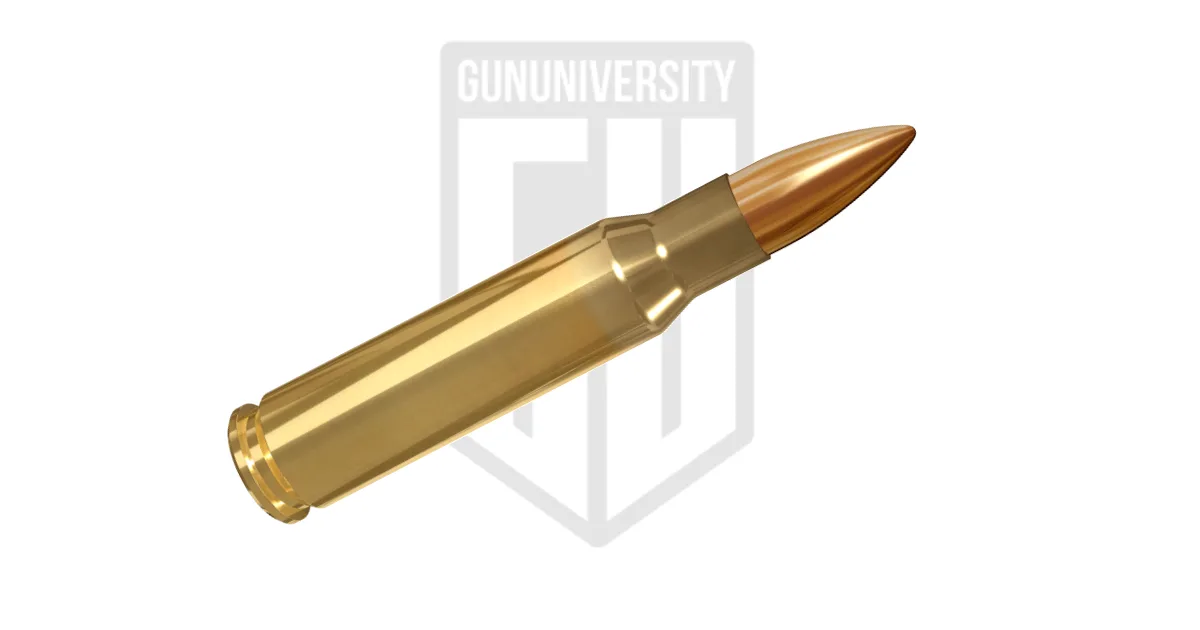
Image source: Bing (Web (fair-use with source credit))
Ever found yourself staring at ammo boxes, trying to figure out what makes one type different from another? You're not alone. The term "target ammunition" pops up a lot, and understanding its specific purpose is the first step to better shooting.
It’s not just about pulling a trigger; it’s about using the right tool for the job.
This specialized ammo is engineered to help you achieve one primary goal: accuracy. Whether you're practicing at the range or competing, consistent performance is key. Manufacturer specifications for target-grade ammunition often focus on achieving muzzle velocities within a tight tolerance, typically within a +/- 10 feet per second (fps) range for a given lot, ensuring a predictable flight path and consistent shot placement.
Quick Answer
Target ammunition is specifically designed to maximize accuracy and consistency for shooting practice. It prioritizes precise bullet flight and reliable function over terminal ballistics like expansion or penetration. This type of ammunition is ideal for recreational shooters and competitive marksmen honing their skills at the range, ensuring predictable performance round after round.
Why Precision Matters: The Core of Target Ammo
When you're aiming for a specific point, either on a paper target or in a competition, every little detail counts. That's where target ammunition really shines. Its entire design philosophy is centered around helping you put rounds exactly where you intend them to go, time after time.
What Target Ammunition Is Designed For
The main job of target ammunition is to be as accurate as possible. This means it's built to minimize variables that can throw off your shot. Think of it as a finely tuned instrument for your firearm, aiming for predictability and consistency.
Key Characteristics for Accuracy
Several factors contribute to why target ammunition performs so well on the accuracy front. It's a combination of careful engineering and quality control.
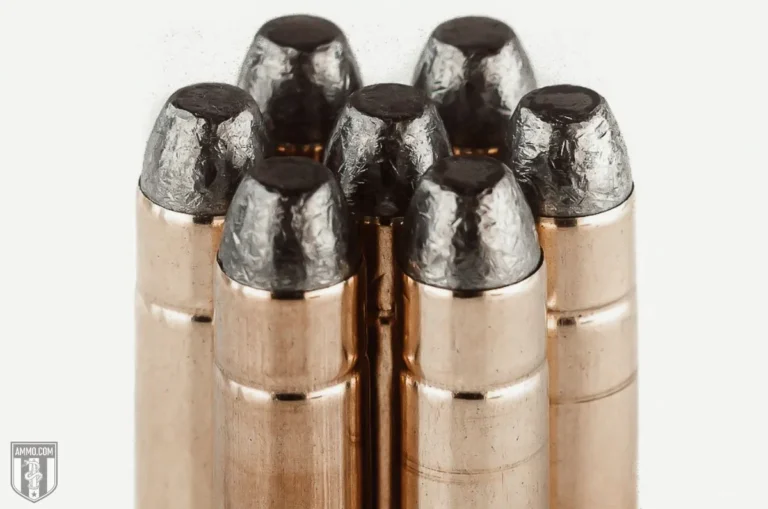
- Bullet Construction: Target bullets are often made with a precise shape and weight. They might feature a flat base or a boat-tail design to improve aerodynamics and stability in flight. The material and jacket thickness are also chosen to ensure a clean exit from the barrel, which is crucial for a straight trajectory.
- Powder Charge Consistency: Manufacturers use carefully measured powder charges. This ensures each round fires with a similar pressure and velocity. Inconsistent powder charges are a major cause of shot-to-shot variation, which target ammo aims to eliminate.
- Component Quality: From the primer to the casing and the bullet itself, components used in target ammunition are often selected for their uniformity and reliability. High-quality primers ignite consistently, and precisely manufactured casings ensure proper chambering and extraction.
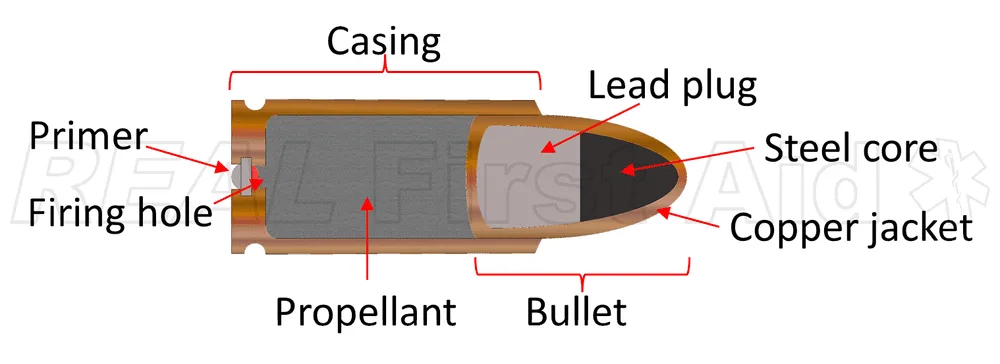
Image source: Bing (Web (fair-use with source credit))
Target Ammo vs. Other Types: Knowing the Difference
It's easy to get confused between different types of ammunition, but they really do have distinct purposes. Target ammo isn't meant for the same job as, say, hunting rounds or self-defense loads.
Hunting Rounds: Built for Impact
Hunting ammunition is designed to ethically and effectively take down game. This often means bullets that are engineered to expand rapidly upon hitting tissue, creating a larger wound channel and transferring more energy to the target. They prioritize penetration and controlled expansion.
Self-Defense Rounds: For Stopping Power
Ammunition intended for self-defense also focuses on incapacitation, but typically with different design considerations. These rounds might aim for reliable expansion and maximum energy transfer at shorter ranges, often with features to minimize over-penetration through barriers.
How Target Ammo Differs in Performance
Target ammunition's primary performance metric is accuracy. While other ammo types focus on terminal effects, target rounds concentrate on:
- Predictable Trajectory: Ensuring the bullet flies straight and true.
- Tight Shot Groups: Enabling you to place multiple shots very close to each other.
- Consistent Velocity: Minimizing flyers caused by variations in powder burn.
This focus means target ammo usually doesn't expand or penetrate like hunting or self-defense rounds. It's all about hitting the same spot consistently.
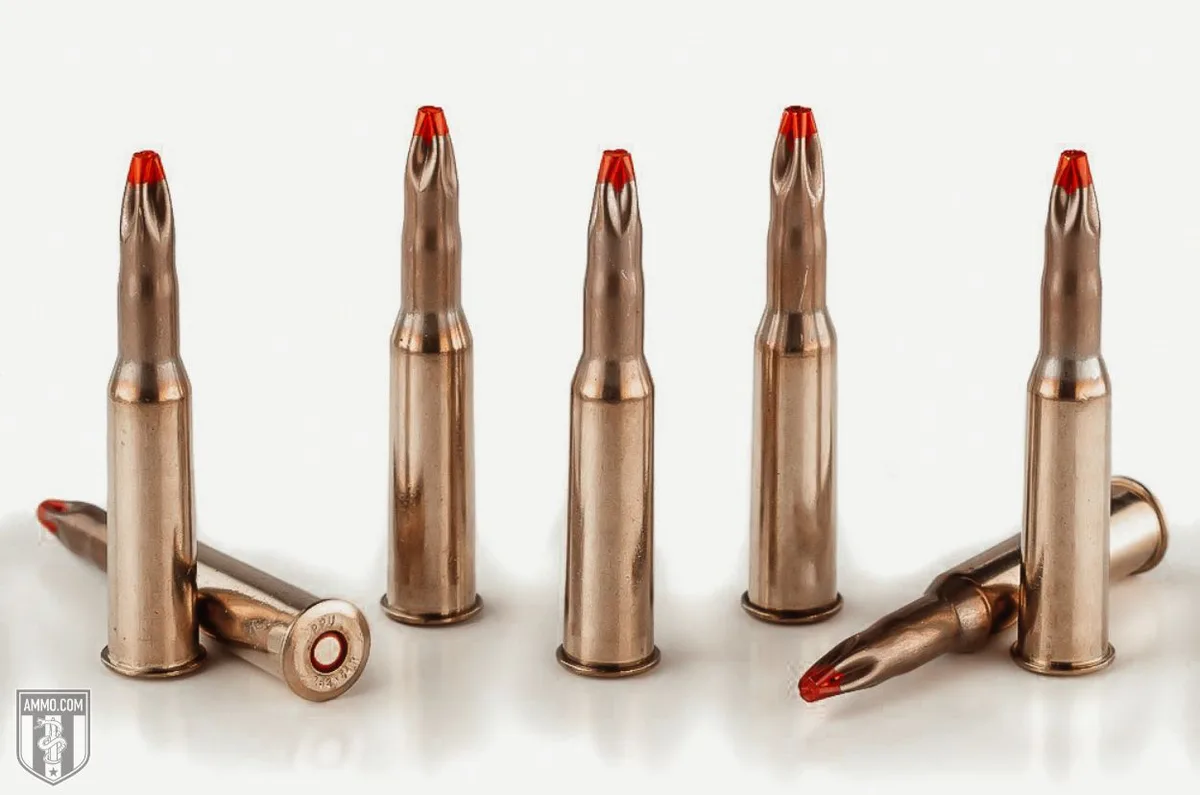
Image source: Bing (Web (fair-use with source credit))
Who Uses Target Ammunition and Why?
The people who rely on target ammunition are typically those who prioritize precision and practice. Their goals dictate the type of ammo they choose.
The Competitive Shooter's Edge
For competitive shooters, especially in disciplines like precision rifle, benchrest, or bullseye pistol, every fraction of an inch matters. Target ammunition provides the consistency needed to push performance limits. These shooters often work with highly specialized match-grade ammunition, which is a subset of target ammo designed for extreme precision.
Sharpening Skills at the Range
For anyone looking to improve their marksmanship, regular practice is essential. Target ammunition makes this practice more effective because it removes ammunition as a variable. You can be confident that if you miss, it's likely due to your technique, not the ammo.
Casual Shooters and Practice
Even if you're not competing, you might use target ammunition for general plinking or recreational shooting. It offers a more enjoyable and rewarding experience when your shots land where you expect them to, making practice sessions more satisfying.
Essential Safety and Legal Considerations
Using any type of ammunition comes with responsibilities, and target ammo is no exception. Safety and legal compliance are paramount.
Always Check Your Firearm's Specifications
It's crucial to use ammunition that is designated for your specific firearm. Your firearm's owner's manual will list the correct caliber and type of ammunition it's designed to safely handle. Using the wrong ammunition can cause damage to your firearm or, more importantly, lead to dangerous malfunctions.
For example, loading a .308 Winchester cartridge into a rifle chambered for .30-06 Springfield is extremely dangerous.
Understanding Local Ammunition Laws
Laws regarding ammunition vary significantly by region, state, and even city. Some jurisdictions may have restrictions on certain types of ammunition or require specific storage practices. Always educate yourself on the laws in your area to ensure compliance.
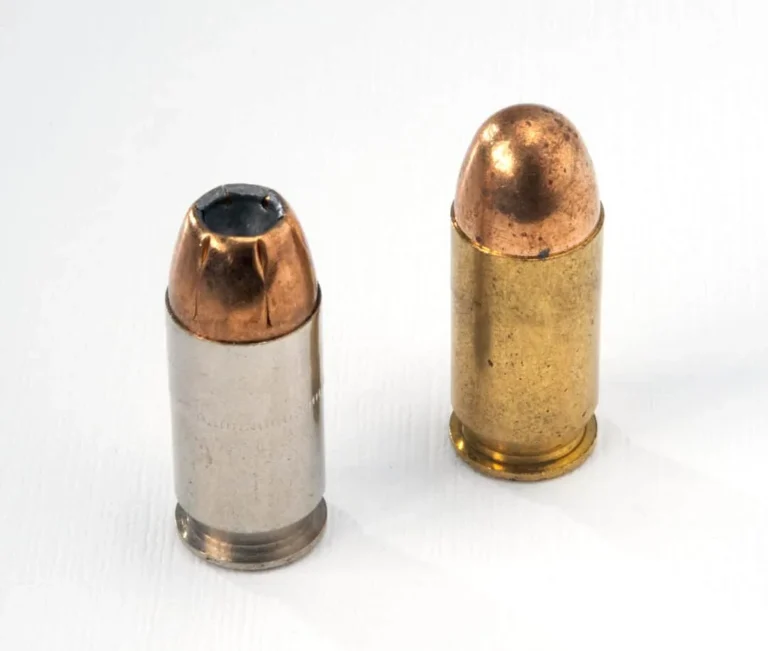
For instance, some states restrict the sale or possession of certain hollow-point bullets, which are not typically found in target ammunition but are common in self-defense loads.
Responsible Use in Controlled Environments
Target ammunition is designed for controlled environments, primarily shooting ranges. It's generally not recommended for situations where stopping power or barrier penetration is a primary concern, such as self-defense or certain types of hunting. Using ammo for its intended purpose is a cornerstone of safe firearm handling.
Common Mistakes When Choosing and Using Target Ammo
Even with the best intentions, shooters sometimes make errors when selecting or using target ammunition. Being aware of these pitfalls can help you avoid them.
Overlooking Firearm Compatibility
A common mistake is assuming any "target" ammo will work in any firearm of the same caliber. However, firearms have different tolerances and rifling twist rates. Some rifles, particularly those with a faster twist rate, might perform better with heavier bullets, while others with a slower twist prefer lighter ones.
Always consult your firearm's specifications or manufacturer recommendations if you're unsure.
Assuming it's for Any Situation
Target ammunition's strength is its accuracy, not its terminal ballistics. Many people mistakenly believe that because it's "good" ammo, it's suitable for all purposes. However, if you need a round to expand reliably on impact for hunting or self-defense, target ammo is generally not the right choice.
Its bullets are typically designed to remain intact.
Neglecting Quality Control
While target ammo is generally made to tighter tolerances than bulk plinking rounds, quality can still vary between manufacturers and even between lots from the same manufacturer. If you're seeking peak accuracy for competition, it's wise to stick with reputable brands and test different lots to find what your firearm prefers. Sometimes, a batch might have slight variations that affect performance.
Target Ammunition FAQs
Is Target Ammo Cheaper?
Generally, target ammunition can be more expensive than bulk range ammunition because of the tighter quality control and more precise manufacturing involved. However, it's often less expensive than specialized hunting or self-defense rounds, which utilize more complex bullet designs. As of 2026, pricing varies widely by caliber and brand, but expect to pay more per round for consistent accuracy.
Can I Use Target Ammo for Self-Defense?
While target ammunition is accurate, it's typically not designed for self-defense. Self-defense rounds prioritize reliable expansion and energy transfer to stop a threat, often with features to minimize over-penetration. Target ammo bullets may not expand as reliably or possess the same terminal ballistics needed in a critical situation.
How Do I Know If Ammo Is "Target Grade"?
"Target grade" or "range ammo" is usually labeled as such by the manufacturer, often indicating features focused on accuracy and consistency. You'll frequently see Full Metal Jacket (FMJ) bullets in target ammunition. The packaging might also mention it's suitable for practice or competition.
Always check the product description and specifications provided by the ammunition maker.
What's the Deal with Match Ammunition?
Match ammunition is a high-performance subset of target ammunition specifically engineered for competitive shooting where extreme precision is required. It undergoes even more rigorous quality control, often involving hand-sorting of components and tighter tolerances on every aspect of the cartridge to deliver the smallest possible shot groups. It's the pinnacle of accuracy-focused ammunition.