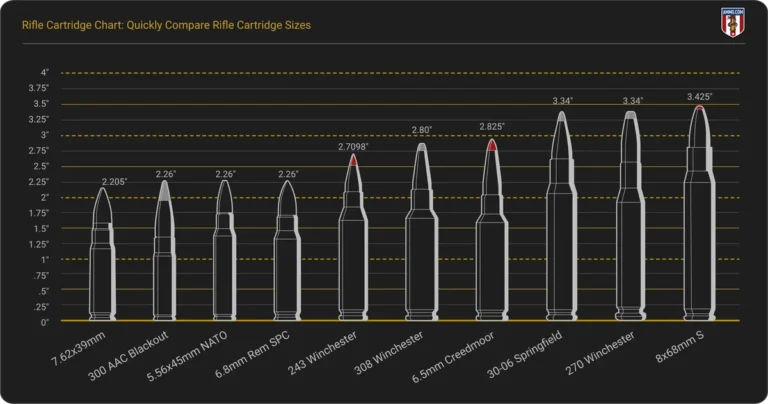
What Is Match Grade Ammunition?
When you're aiming for pinpoint accuracy with your firearm, the ammunition you choose makes a world of difference. You might wonder, "What is match grade ammunition?" and why it's often recommended for serious shooters. It’s not just a fancier name; it’s a commitment to precision engineering.
This specialized ammo is built to incredibly tight manufacturing tolerances, ensuring near-perfect consistency from one round to the next. Unlike standard bulk ammunition, which prioritizes affordability and reliable function, match grade ammunition is engineered for minimal variation. Manufacturer specifications often detail consistency targets far beyond what's found in typical commercial loads, aiming for the highest possible performance.
Quick Answer
Match grade ammunition is precision-engineered for extreme accuracy and consistency. It features meticulously controlled bullet weights, precise propellant charges, and high-quality casings. This makes it ideal for competitive shooting and precision hunting where minimal shot-to-shot variation is critical for optimal performance.
What Exactly Is Match Grade Ammunition?
At its core, match grade ammunition is built to be as consistent as physically possible. Think of it as the difference between a hand-tuned race engine and a standard car engine. Both work, but one is optimized for peak performance and predictable output.
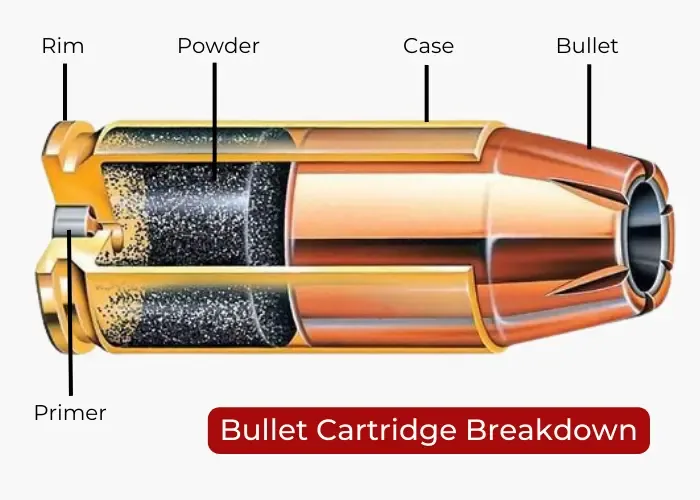
For ammunition, this means every single component, the bullet, the propellant (powder), the casing, and the primer, is manufactured and assembled to exacting standards.
These aren't just minor adjustments; they are significant efforts to reduce variability. For example, bullet weights might be controlled to within a tenth of a grain, and powder charges measured to fractions of a grain. The overall length of the cartridge, the concentricity of the casing, and the seating depth of the bullet are all held to tight specifications.
This obsessive attention to detail ensures that when you fire a round, it behaves predictably and reliably, every single time.
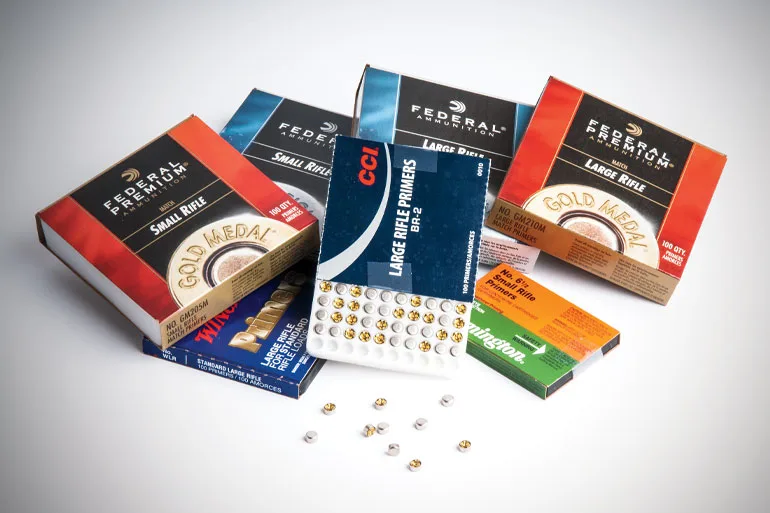
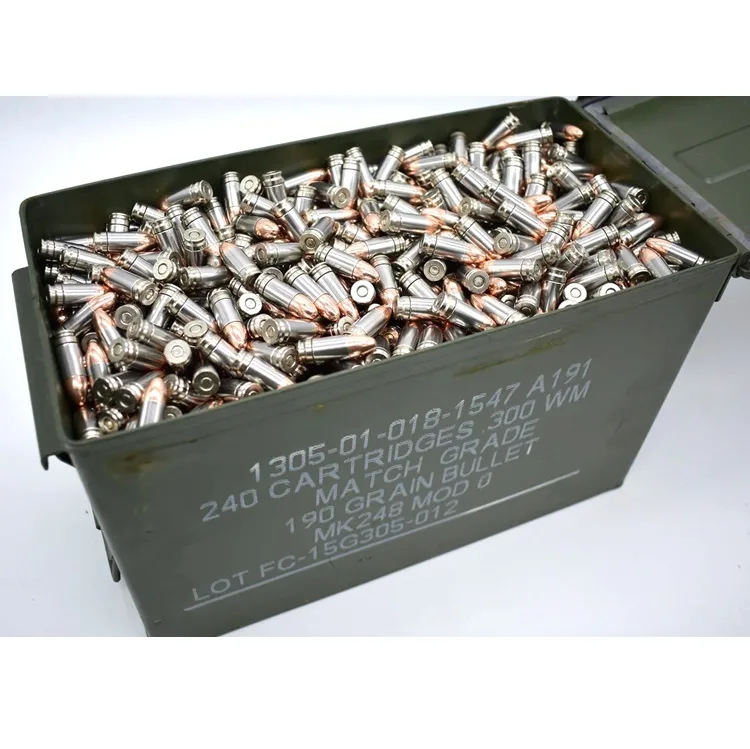
Image source: Bing (Web (fair-use with source credit))
Match Grade vs. Standard Ammo: What's Really Different?
The fundamental difference between match grade ammunition and standard, or bulk, ammunition lies in their manufacturing tolerances and intended purpose. Standard ammunition is designed to function reliably in a wide variety of firearms and is produced with cost-effectiveness as a major factor. This means there's more acceptable variation in component weights, powder charges, and overall dimensions.
Match grade ammunition, on the other hand, prioritizes accuracy and consistency above all else. Every step of its production is geared towards minimizing any factor that could cause a shot to deviate from its intended path.
Here’s a breakdown of what sets them apart:
- Bullet Quality: Match bullets are typically manufactured to be more uniform in weight and shape, often with designs optimized for aerodynamic stability over long distances. Standard bullets can have more variation.
- Powder Charges: The exact amount of propellant is critical for consistent velocity. Match grade ammo uses precisely measured charges, often chosen for a specific firearm's rifling twist and barrel length. Standard ammo charges are consistent enough for general use but may not be as tightly controlled.
- Case Consistency: Even the brass casing is important. Match grade cases are often selected for their uniformity in wall thickness and dimensions to ensure consistent ignition and ejection.
- Cost: Because of the higher manufacturing standards and more intensive quality control, match grade ammunition is significantly more expensive than standard ammunition.
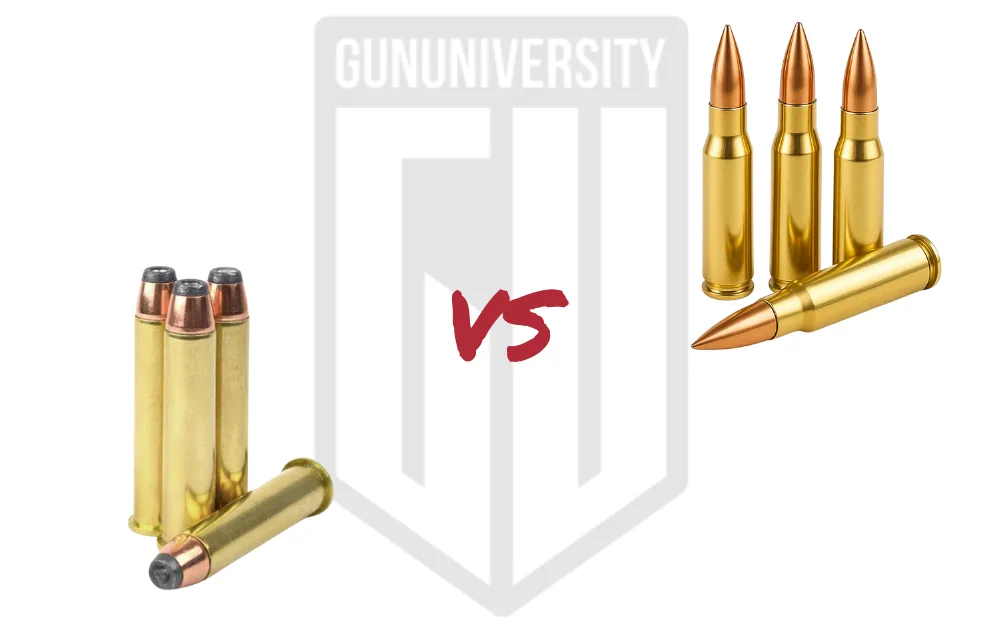
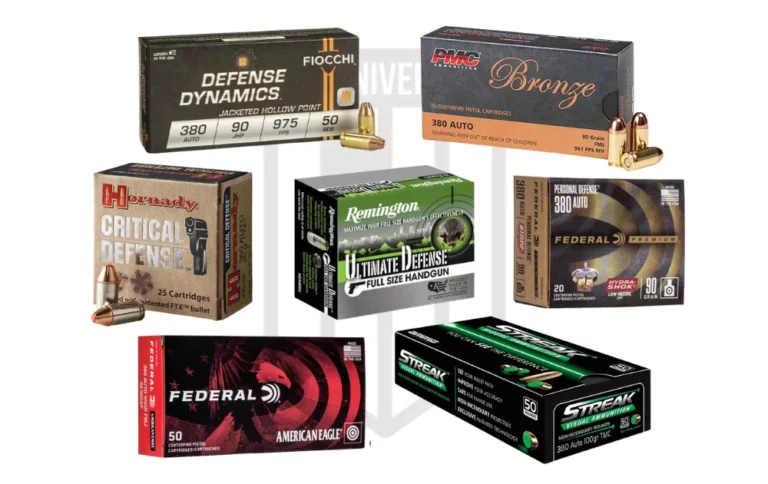
Image source: Bing (Web (fair-use with source credit))
Key Features: The Science Behind the Accuracy
The pursuit of accuracy in match grade ammunition is rooted in several key engineering principles and manufacturing processes. These aren't accidental; they are deliberate design choices aimed at reducing variables that affect a bullet's flight path.
The primary goal is to ensure that each shot fired from a properly functioning firearm behaves as identically as possible to the preceding one. This consistency is what allows a shooter to make precise adjustments and achieve tight groups on target.
Let's look at the critical features:
- Bullet Construction: Match bullets often feature a precisely formed, aerodynamic profile, such as a boat tail design. This shape helps the bullet cut through the air more efficiently and maintain stability, reducing drag and drift. Weight is also critical; a standard deviation of just 0.1 grains can make a noticeable difference at longer ranges.
- Propellant Selection and Measurement: The type of propellant used is carefully selected for its burn rate and energy output. More importantly, the exact quantity is weighed and dispensed with extreme precision, often using automated machinery that can measure to thousandths of a grain. This ensures consistent muzzle velocity for every round.
- Case Tolerances: High-quality cases are manufactured with tight dimensional tolerances. This ensures proper chambering, consistent ignition when the primer fires, and uniform expansion upon firing, which can affect extraction and subsequent chambering if reloading.
- Primer Seating: The primer is seated to a consistent depth, which impacts ignition timing and pressure. Uniformity here contributes to overall shot-to-shot consistency.
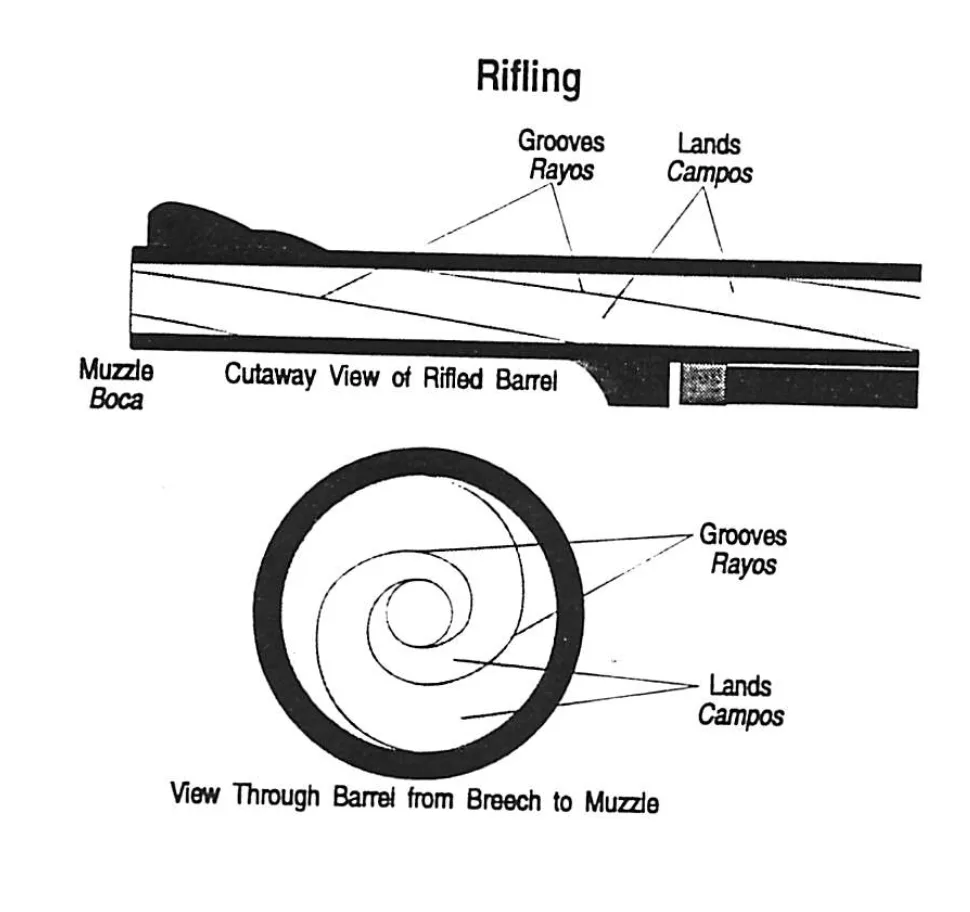
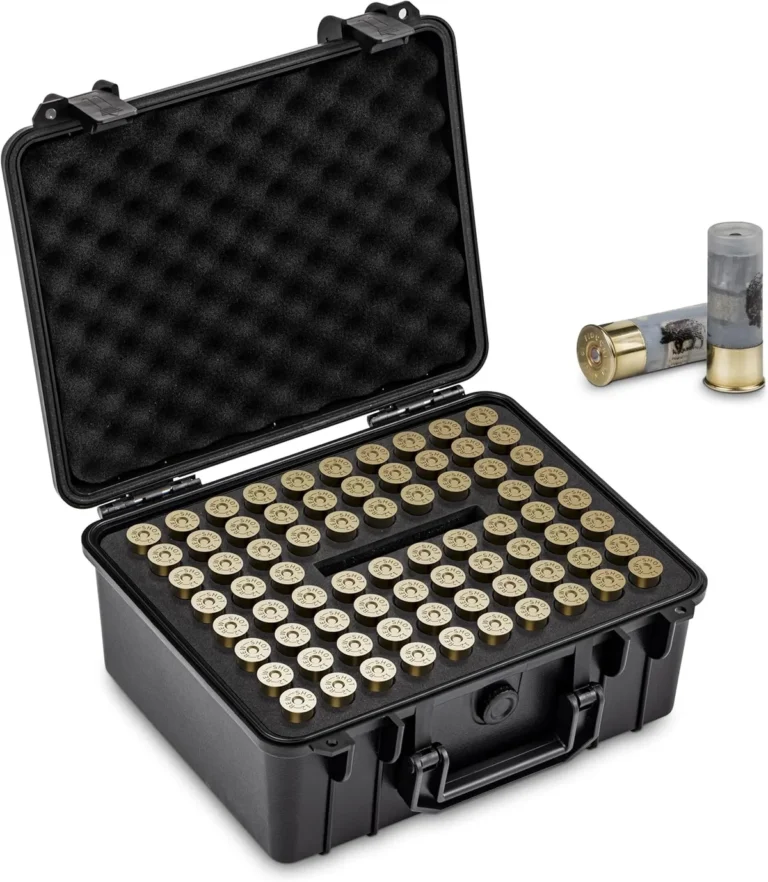
Image source: Bing (Web (fair-use with source credit))
Who Benefits Most from Match Grade Ammo?
While anyone can technically shoot match grade ammunition, its benefits are most pronounced for shooters who demand the highest levels of accuracy and consistency. This type of ammunition is not generally for casual plinking or everyday training if cost is a major concern. Instead, it serves specific niches where precision is paramount.
The primary beneficiaries include:
- Competitive Shooters: In disciplines like precision rifle series (PRS), F-class, benchrest shooting, and even some tactical competitions, the difference between a win and a loss can come down to fractions of an inch. Match grade ammunition provides the consistent performance needed to achieve sub-MOA (Minute of Angle) groups, which is often a requirement for high-level competition.
- Precision Hunters: For hunters who pursue game where a single, clean shot is essential for ethical harvesting, match grade ammunition can be invaluable. Knowing that your rifle and ammunition will perform consistently at range gives you greater confidence in making that critical shot, especially for challenging shots on distant or wary game.
- Firearm Enthusiasts Seeking Maximum Performance: Some shooters simply want to wring every last bit of accuracy out of their high-quality or custom-built firearms. If your rifle is capable of extremely precise shooting, using match grade ammunition is often necessary to truly realize its potential and confirm its accuracy capabilities.
When Does Match Grade Ammo Make Sense?
Deciding whether match grade ammunition is the right choice for you really comes down to your specific shooting goals and your firearm’s capabilities. It's an investment in accuracy, so it makes sense when that investment yields a tangible benefit for your application.
Here are the scenarios where choosing match grade ammo is most sensible:
- For Documenting Rifle Accuracy: If you've invested in a high-precision rifle and want to accurately measure its inherent accuracy (e.g., to confirm it shoots 1 MOA or better), match grade ammunition is essential. Standard ammunition might obscure the rifle's true potential due to its own variability.
- When Every Shot Counts: In competitive shooting, especially at longer ranges, a single flinch or a slightly inconsistent round can mean missing a target entirely. Match grade ammo minimizes this risk by ensuring a predictable trajectory.
- For Ethical Hunting at Range: If you hunt species that require a quick, humane kill and you often take shots beyond 300 yards, match grade ammunition offers the confidence that your bullet will travel precisely where you aim.
- When Reloading Isn't Feasible or Desired: For shooters who don't reload their own ammunition or who need guaranteed performance without the variability of handloads, high-quality factory match grade ammo is the best option.
Essentially, if your activity demands accuracy that goes beyond general functionality, and you have a firearm capable of delivering it, then match grade ammunition enters the picture. As of 2026, its consistent performance remains a hallmark for serious precision shooters.