What Is Obsolete Ammunition?
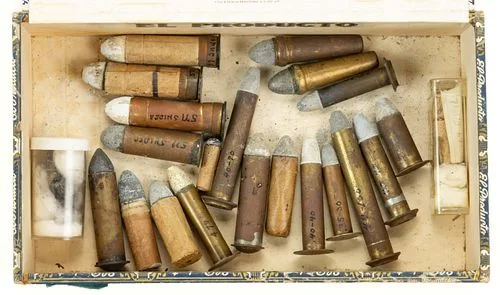
Image source: Bing (Web (fair-use with source credit))
You've stumbled across some old ammunition and are wondering what to do. It's a common situation, and knowing what constitutes obsolete ammunition is key to handling it safely. These aren't just older bullets; they can pose real risks if mishandled or if you attempt to use them.
Our research indicates that deteriorating components and outdated designs are primary factors. For example, older primers might not meet current safety standards like those outlined by the Sporting Arms and Ammunition Manufacturers' Institute (SAAMI), which aims for consistent performance and safety. Understanding these differences is the first step toward safe practices.
Quick Answer
Obsolete ammunition refers to cartridges that are outdated due to age, deterioration, or design for defunct firearms. Components like powder and primers degrade over time, increasing risks of misfires, hangfires, and case rupture when fired. Safe handling and professional disposal are paramount, as attempting to use this ammunition can be extremely dangerous.
Why Accuracy Matters with Obsolete Ammunition
When we talk about ammunition, especially older rounds, precision in understanding is critical. This isn't a topic where guesswork is acceptable. Mistakes can lead to serious injury or worse.
Knowing exactly what makes a round "obsolete" is the foundation for making safe decisions, whether you're a collector, a gun owner, or just someone who's found an old box in the attic.
What Exactly Makes Ammunition "Obsolete"?
Obsolete ammunition is essentially ammunition that has become unreliable or unsafe due to various factors, primarily age and the technology it represents. It's not just about looking old; it's about the internal components that have likely degraded over time.
Age and Deterioration Factors
Over many years, the materials that make up a cartridge, the casing, primer, powder, and bullet, can break down.
- Powder Degradation: Gunpowder is a chemical compound that can become unstable as it ages. It might lose potency, become more sensitive, or even produce corrosive byproducts that damage the casing. Aggregate reviews from firearms experts report that improperly stored gunpowder can degrade significantly within decades.
- Primer Issues: Primers are small, sensitive explosive charges that initiate the firing sequence. Age can cause them to become inert, leading to misfires, or in rare cases, to become overly sensitive.
- Casing Corrosion: Metal casings can corrode, especially in humid environments. This corrosion can weaken the casing, making it prone to rupture when fired.
Image source: Bing (Web (fair-use with source credit))
Outdated Technology and Calibers
Sometimes, ammunition is considered obsolete because it's designed for firearms that are no longer manufactured or commonly used. Think about calibers that were popular over a century ago but are rarely seen today. While these rounds might have historical value, they aren't practical for modern shooting and may lack the safety features or consistency of contemporary ammunition.
The Real Risks of Handling Old Rounds
Attempting to fire obsolete ammunition carries significant dangers that you simply don't face with modern, properly stored cartridges. These aren't minor inconveniences; they are serious safety hazards.
Image source: Bing (Web (fair-use with source credit))
Misfires, Hangfires, and Case Rupture
One of the most common issues is a failure to fire, known as a "dud." This happens when the primer is too weak to ignite the powder. However, a more dangerous scenario is a "hangfire." This is when there's a delay between pulling the trigger and the round firing. If the shooter has already moved or is no longer aiming safely, a delayed shot can cause severe injury.
Furthermore, deteriorated casings are more likely to burst or rupture upon firing, which can send shrapnel in unpredictable directions, potentially harming the shooter and bystanders.
Propellant Instability and Accidental Detonation
As gunpowder ages, it can become chemically unstable. In extreme cases, this instability can make the propellant more sensitive to shock, friction, or heat. While rare, this increases the risk of accidental detonation, especially if the ammunition is dropped, crushed, or stored improperly.
Manufacturer specifications for modern ammunition include rigorous testing for propellant stability, a level of assurance that is often absent in very old rounds.
Safe Practices for Obsolete Ammunition
Because obsolete ammunition presents such serious risks, handling it requires extreme caution. The default approach should always be to err on the side of safety.
Visual Inspection and Handling Precautions
If you must handle potentially obsolete ammunition, do so with the utmost gentleness. Avoid dropping, throwing, or subjecting the rounds to any jarring impact. Visually inspect the cartridges for obvious signs of damage:
- Corrosion: Significant rust or pitting on the casing.
- Swelling or Bulging: The casing appears misshapen.
- Cracking: Visible cracks in the casing material.
- Leakage: Any signs of powder or primer residue escaping the casing.
If you observe any of these issues, do not attempt to load or fire the ammunition. In fact, it's best to minimize handling altogether.
When NOT to Touch It
Honestly, if you find old ammunition in a situation where it doesn't immediately pose a hazard and you aren't responsible for it, the safest course of action is often to leave it undisturbed. If you do encounter it and it seems unstable or you're unsure, do not try to move it significantly. Your primary goal should be to avoid any action that could inadvertently cause it to detonate.
Professional Disposal: Your Safest Option
When you're dealing with ammunition that's obsolete, unreliable, or potentially dangerous, the absolute safest and most responsible course of action is professional disposal. Trying to figure it out yourself or simply throwing it away is not an option.
Who to Call for Disposal
Your first point of contact should typically be your local law enforcement agency. Many police departments or sheriff's offices have established procedures for safely collecting and disposing of hazardous materials like old ammunition. They can either handle it directly or direct you to the appropriate resources.
- Local Police or Sheriff's Department: They are often the best first resource for safe disposal guidance.
- Fire Departments: In some areas, fire departments may also assist with or advise on hazardous material disposal.
- Licensed Ammunition Dealers/Gun Shops: Reputable dealers often have experience with obsolete ammunition and can provide advice or connect you with disposal services.
- Hazardous Waste Facilities: Specialized facilities equipped to handle explosive materials are another option, though you'll need to confirm their acceptance policies for ammunition.
Disposal Methods and Considerations
Professionals have the training and equipment to neutralize or safely destroy ammunition without causing an explosion. They understand the chemical properties of aging powders and primers and can manage the risks involved. Disposal methods are designed to prevent environmental contamination and ensure public safety.
It's crucial to follow their instructions precisely, as they will guide you on how to transport or leave the ammunition for safe collection.
Expert Summary: Prioritizing Safety
When you encounter ammunition that looks or feels old, the single most important principle to remember is safety. Obsolete ammunition is fundamentally unreliable and can be dangerous, a fact confirmed by firearm safety organizations. Your objective should not be to test its viability but to ensure it is handled and disposed of in a manner that eliminates risk to yourself and others.
This means avoiding any action that could lead to accidental discharge or detonation. Professional disposal is not optional; it's a necessity for responsible handling of these materials. Following expert guidance and engaging with the proper authorities ensures that potentially hazardous materials are managed safely and effectively.
Frequently Asked Questions About Obsolete Ammunition
What is the difference between antique and obsolete ammunition?
Antique ammunition typically refers to cartridges produced before a certain date, often considered pre-1898, for historical collecting. Obsolete ammunition, however, is broader and includes any ammunition that is no longer in common production or use, regardless of its exact age, due to safety concerns, degradation, or use in defunct firearms.
Can I safely fire very old ammunition if it looks okay?
No, it's not safe to assume old ammunition is fine just because it looks okay externally. Internal components like powder and primers degrade over time and can become unstable. Firing such rounds carries a high risk of misfires, hangfires, or catastrophic firearm failure.
How should I store obsolete ammunition if I can't dispose of it immediately?
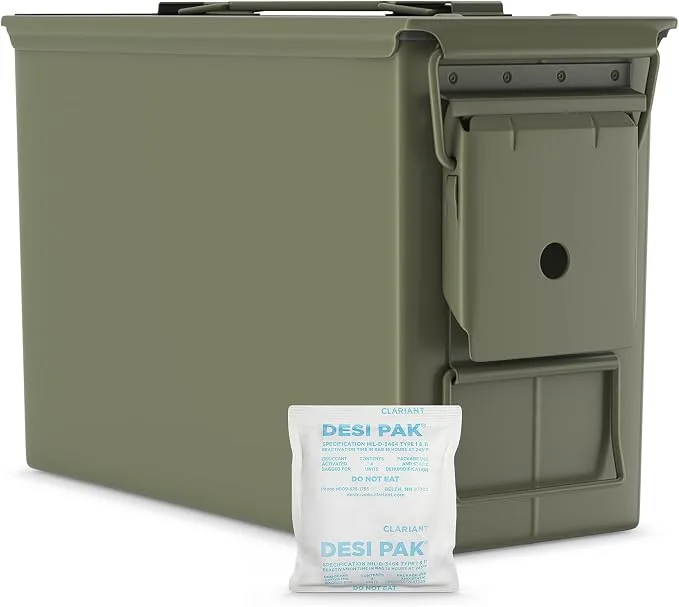
It's strongly advised not to store obsolete ammunition. If you absolutely must keep it temporarily before professional disposal, store it in its original container if possible, in a cool, dry, and secure location away from heat, sparks, or potential impact. However, contact disposal professionals as soon as possible.
Are there legal restrictions on owning or disposing of obsolete ammunition?
Legality varies by region and jurisdiction. Some areas may have specific regulations regarding the possession, transport, and disposal of ammunition, especially older or potentially unstable types. It's essential to check with your local law enforcement or relevant authorities for current regulations.
What if I find ammunition in a public place?
If you discover ammunition in a public area, do not touch it. Treat it as a potential hazard and immediately alert local law enforcement or the appropriate authorities. They are equipped to assess and handle such situations safely.