What Is Soft Point Ammunition?
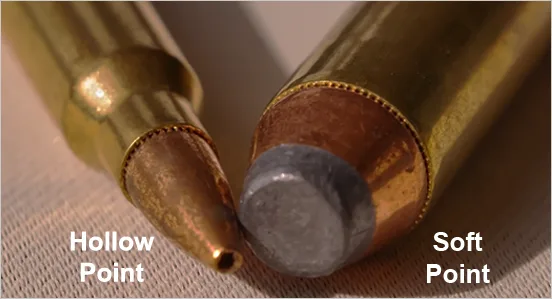
Image source: Bing (Web (fair-use with source credit))
Ever wondered about the different kinds of bullets and what makes them tick? Understanding what is soft point ammunition is key if you're looking for specific performance, whether for hunting or self-defense. This type of bullet isn't just about its shape; it's about how it behaves when it meets its target.
Our research indicates that soft point ammunition is designed for controlled expansion upon impact. This controlled expansion is a critical factor for many applications, and understanding it helps you make informed choices. Per industry standards, such as those outlined by SAAMI (Sporting Arms and Ammunition Manufacturers' Institute), the design prioritizes reliable performance.
Quick Answer
Soft point ammunition features an exposed lead tip designed to expand or "mushroom" upon impact. This controlled expansion increases the bullet's diameter, leading to greater energy transfer and a wider wound channel. It's often favored for hunting medium to large game and certain self-defense scenarios due to its reliable performance and reduced risk of over-penetration compared to some other bullet types.
The Science Behind Soft Point Expansion
Soft point ammunition is all about how it interacts with a target. The core design element is right there in the name: the tip is intentionally softer than the rest of the bullet.
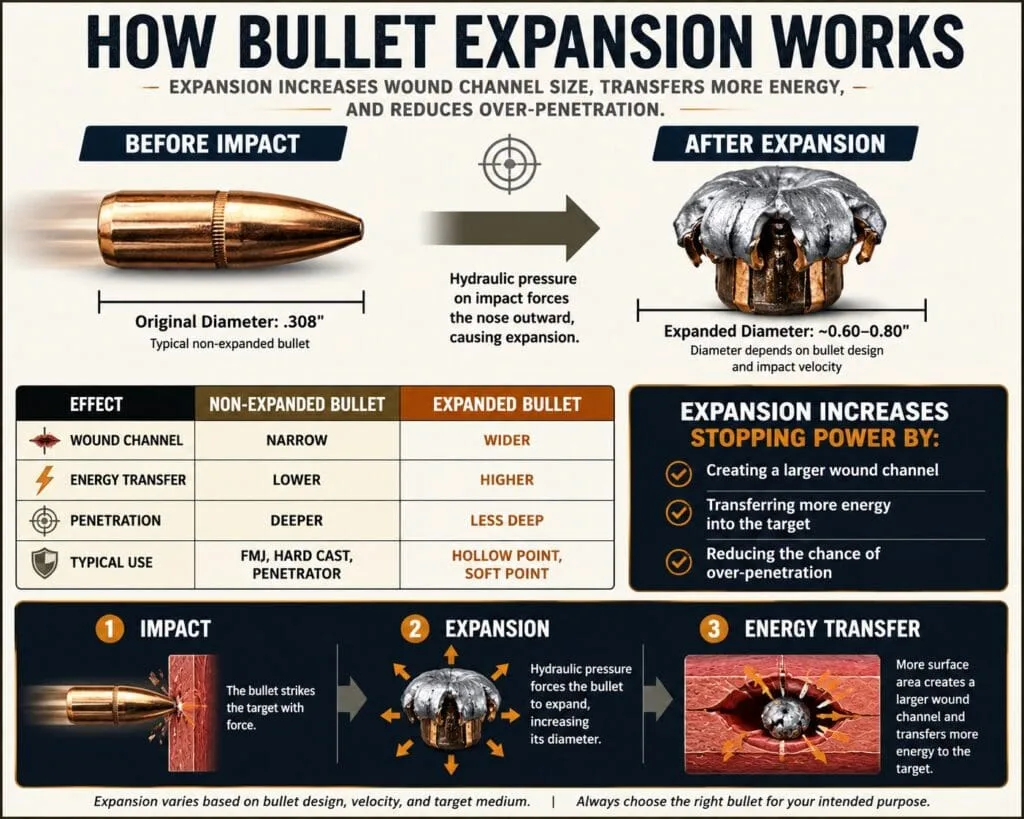
Image source: Bing (Web (fair-use with source credit))
The bullet typically has a metal jacket that covers the rear and sides, but the very front tip is left exposed and made of soft lead. This exposed lead is the key to its performance. When the bullet strikes a target with sufficient velocity and resistance, the softer lead at the tip begins to compress and deform.
This compression forces the material outward, causing the bullet's diameter to increase. This process is often referred to as "mushrooming."
How the Tip Makes the Difference
That exposed lead tip is crucial because it's the first part of the bullet to make contact and deform. Unlike a full metal jacket (FMJ) bullet, which has its lead core fully enclosed by a harder metal, the soft point's design allows for this controlled deformation. This expansion is not instantaneous but rather a result of the forces encountered during penetration.
The degree of expansion can vary based on the bullet's construction, the velocity upon impact, and the density of the target material.
What Happens on Impact?
When a soft point bullet hits a target with enough force, the exposed lead tip compresses and spreads outward. This creates a wider, mushroom-shaped profile. This expansion significantly increases the surface area of the bullet.
From a ballistics perspective, this larger surface area leads to greater energy transfer into the target and a wider wound channel, which is often desirable for hunting applications. The expansion also helps to slow the bullet down, reducing the likelihood of it passing completely through the target.
Why Choose Soft Point Bullets? Benefits Explained
The primary reasons people opt for soft point ammunition revolve around its predictable performance upon impact. Its engineered expansion offers several advantages, particularly in specific scenarios.
- Enhanced Energy Transfer: When the bullet mushrooms, it sheds more of its kinetic energy into the target. This means more of the bullet's stopping power is utilized within the target, leading to more effective results.
- Wider Wound Channel: The expanded diameter creates a larger permanent wound cavity. For hunters, this often translates to quicker incapacitation of game, promoting humane practices.
- Reduced Risk of Over-Penetration: While no bullet is guaranteed not to over-penetrate under all circumstances, the expansion of a soft point bullet significantly slows it down and increases its frontal area. This makes it less likely to pass through a target and pose a hazard to what lies beyond. This is a critical consideration for self-defense and hunting in varied environments.
When Does Expansion Help Most?
Expansion is most beneficial when the goal is to maximize the bullet's effect on the target without excessive penetration. For hunters, this means achieving a humane kill quickly and efficiently. For self-defense, it means stopping a threat effectively while minimizing the risk to bystanders or property behind the intended target.
Soft points strike a balance, offering more reliable expansion than FMJ bullets without the sometimes dramatic and rapid expansion that can limit penetration in certain hollow-point designs.
Soft Point vs. Other Bullet Types
To truly understand soft point ammunition, it helps to see how it stacks up against other common bullet constructions. Each type is designed with a specific purpose in mind, and knowing their differences can guide your choice.
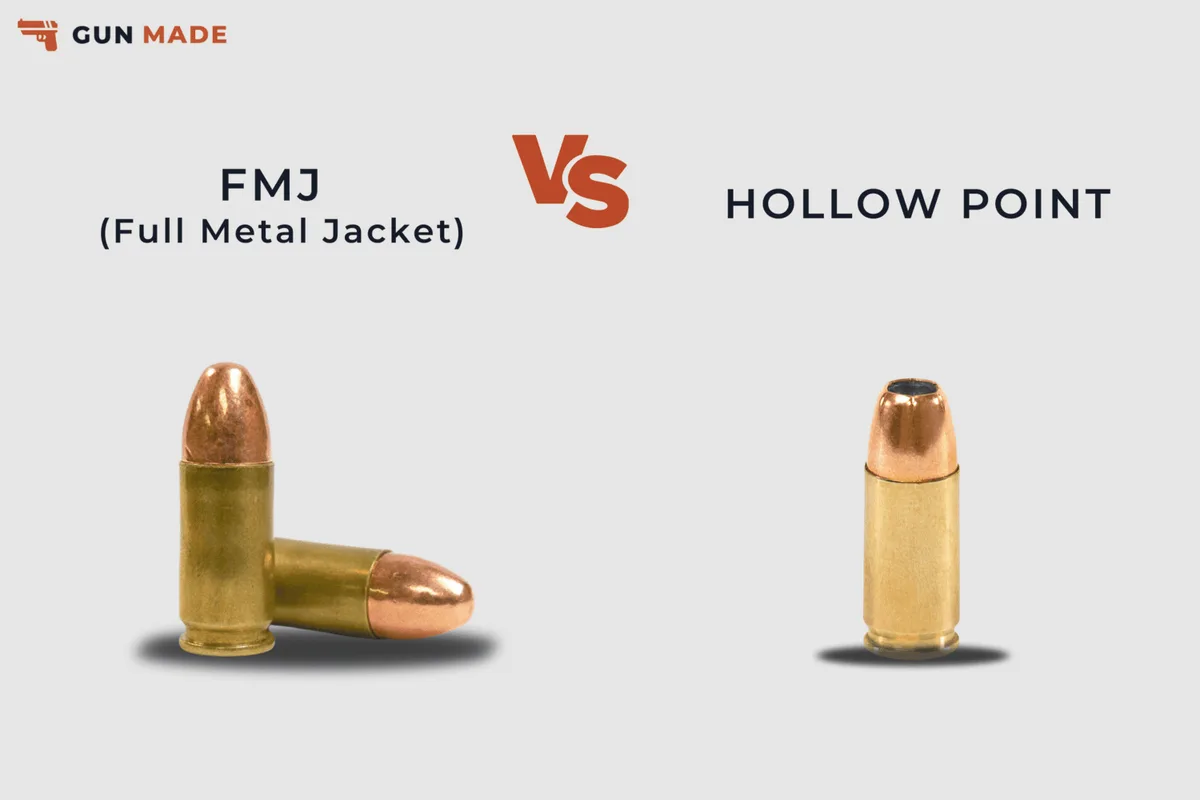
Image source: Bing (Web (fair-use with source credit))
How Does It Compare to FMJ and Hollow Points?
- Full Metal Jacket (FMJ): These bullets have a lead core completely encased in a metal jacket, usually copper or brass. FMJs are designed for deep penetration and minimal expansion. They're excellent for target practice because they tend to be very consistent and less likely to deform. However, their deep penetration means they can easily pass through targets, making them less ideal for hunting where quick incapacitation is key, or for self-defense where over-penetration is a significant concern.
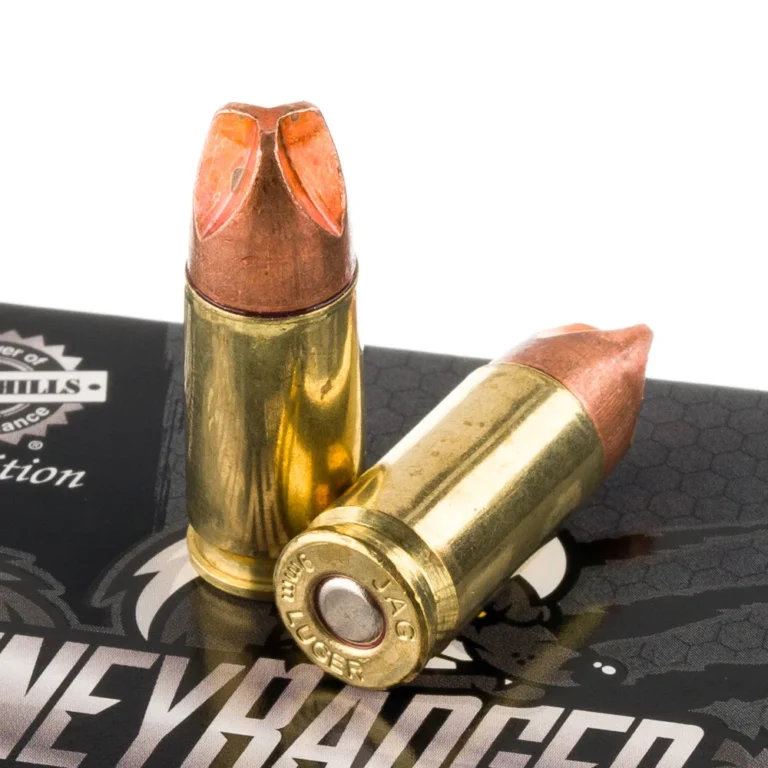
- Hollow Point (HP): Hollow points have a cavity in the tip, designed for rapid and significant expansion upon impact. They tend to expand more dramatically and quickly than soft points, leading to maximum energy transfer and a very wide wound channel. While excellent for stopping power and minimizing over-penetration, they can sometimes fragment or fail to penetrate deeply enough through very tough barriers, which is a consideration for self-defense.
- Soft Point (SP): As we've discussed, soft points have an exposed lead tip that expands controllably. They offer a good balance: more expansion and energy transfer than FMJs, generally providing better terminal performance for hunting, and typically more penetration than hollow points while still offering reduced over-penetration risk compared to FMJs.
Real-World Uses for Soft Point Ammo
The design of soft point ammunition makes it particularly well-suited for specific applications where controlled terminal ballistics are important. It's not usually the go-to for pure target practice, but it shines in other areas.
Perfect For Hunting?
Yes, soft point ammunition is a very popular choice for hunting. When pursuing medium to large game, such as deer, antelope, or wild hogs, hunters often prefer bullets that reliably expand. The increased diameter and energy transfer provided by a mushroomed soft point bullet contribute to a quicker and more humane harvest.
This type of bullet is designed to expand effectively upon hitting muscle and bone, maximizing the damage to vital organs.
While it does cause some meat damage, this is often seen as an acceptable trade-off for the improved effectiveness and ethical considerations of a swift kill. Manufacturer specifications from companies like Federal Premium and Hornady often highlight their soft point offerings for their superior performance on game animals.
Is It a Good Choice for Self-Defense?
Soft point ammunition can be a viable option for self-defense, though hollow points are more commonly recommended by many self-defense experts. The primary advantage of soft points in a self-defense context is their controlled expansion, which helps mitigate the risk of over-penetration through walls. This can be crucial in a home defense situation, where unintended damage to property or injury to non-threats could occur if a bullet passes through multiple barriers.
However, hollow points are generally designed for more rapid and dramatic expansion, which can offer superior stopping power in a self-defense scenario. The choice between soft point and hollow point for self-defense often depends on individual priorities, the specific firearm being used, and local regulations, as some jurisdictions may have restrictions on certain types of ammunition.
The Problems and Potential Pitfalls of Soft Point Ammunition
While soft point ammunition offers distinct advantages, it's not without its drawbacks. Understanding these limitations helps you make a more informed decision about when and where to use it.
- Meat Damage: For hunters, the expansion that makes soft points effective can also lead to significant meat damage. This is especially true for smaller game or if the shot placement isn't precise. Hunters often have to accept some loss of meat or aim carefully to preserve as much as possible.
- Limited Barrier Penetration: The expansion that is beneficial against flesh can hinder penetration through hard barriers. If you need a bullet to punch through significant obstacles, a soft point might not be the best choice. Its design prioritizes expansion over deep penetration.
- Variable Performance: The effectiveness of expansion can vary. Factors like impact velocity, the angle of impact, and the density of the target all play a role. In some cases, a soft point might not expand as much as intended, behaving more like an FMJ. Conversely, a very soft tip might expand too rapidly and fragment, limiting its penetration.
What Mistakes Should You Avoid?
A common mistake is using soft point ammunition for applications where it's not ideally suited. For instance, using it for long-range target shooting where extreme accuracy and minimal bullet deformation are paramount would be a misapplication. Its design is optimized for terminal ballistics, not necessarily for paper-punching consistency at extended ranges.
Essential Safety and Responsible Use
Handling ammunition requires a serious commitment to safety and responsible practices. This applies to all types of ammunition, including soft points.
- Safe Storage: Always store ammunition in a secure, dry place, away from children and unauthorized individuals. Firearm safety protocols dictate that ammunition should be stored separately from the firearm when not in use.
- Firearm Compatibility: Ensure that the soft point ammunition you choose is compatible with your specific firearm and caliber. Using the wrong ammunition can cause firearm damage or dangerous malfunctions. Always check your firearm's manual.
- Know Your Laws: Ammunition regulations vary by location. It's crucial to understand and adhere to any local, state, or federal laws regarding the possession and use of specific ammunition types. Some jurisdictions may have restrictions on expanding ammunition for certain purposes.
Handling Ammunition Safely
Beyond storage, safe handling during use is paramount. This includes:
- Proper Loading: Always follow safe firearm loading procedures. Ensure the magazine is properly seated and rounds are chambered correctly.
- Awareness of Surroundings: When at a shooting range or in a hunting scenario, always be aware of what is behind your target. While soft points reduce over-penetration risk, responsible awareness is still critical.
- Training: Invest in proper firearms training from qualified instructors. Understanding safe handling, marksmanship, and the effects of different ammunition types is essential for responsible ownership. Resources from organizations like the National Shooting Sports Foundation can provide guidance on safe practices.
Frequently Asked Questions About Soft Point Ammo
What does "soft point" actually mean for a bullet?
It means the tip of the bullet is made of a softer material, usually lead, and is exposed. This exposed tip is designed to deform and expand when it hits a target with sufficient force.
Is soft point ammo good for hunting deer?
Yes, soft point ammunition is widely considered effective for hunting medium to large game like deer. Its controlled expansion creates a significant wound channel, promoting quick incapacitation.
Can soft point ammunition be used for self-defense?
It can be used for self-defense, offering a balance between stopping power and reduced risk of over-penetration through walls. However, hollow points are often favored for their potentially more rapid expansion in self-defense scenarios.
How does soft point differ from a hollow point bullet?
Soft points have exposed lead tips that expand controllably, while hollow points have a cavity in the tip designed for rapid, more dramatic expansion. Hollow points generally offer more immediate expansion and energy transfer but may have less penetration than soft points.
Where can I find more information on ammunition standards?
For official ammunition standards and specifications, you can refer to resources from the Sporting Arms and Ammunition Manufacturers' Institute (SAAMI).