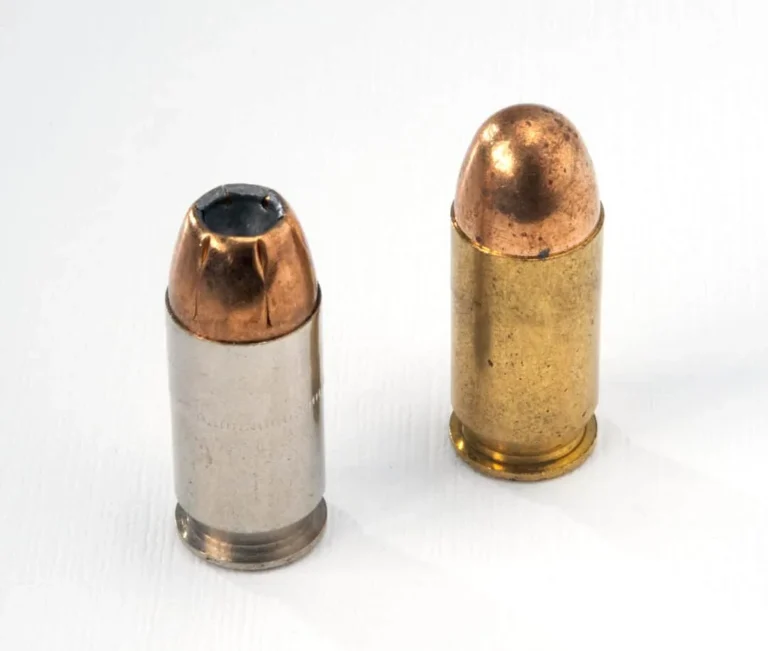
What Is a Cartridge Case?
When you hear the term "cartridge case," you might picture a simple metal tube. But this component is a critical piece of ammunition, performing several vital functions. What is a cartridge case?
It’s the foundational vessel holding all the essential elements, primer, propellant, and projectile, ready for ignition.
Think of it as the meticulously engineered container that ensures your firearm functions safely and effectively. It's designed to withstand immense pressure and then reliably eject after use. According to specifications from organizations like SAAMI (Sporting Arms and Ammunition Manufacturers' Institute), precise dimensions and material integrity are paramount for safe operation.
Quick Answer
A cartridge case is the cylindrical or tapered metal container that holds the primer, gunpowder, and bullet of a complete cartridge. It seals the firearm's chamber during firing and facilitates ejection of spent ammunition. Materials typically include brass, steel, or aluminum, and its design is crucial for both safety and firearm function.
What a Cartridge Case Does: The Heart of Ammunition
A cartridge case is much more than just a simple tube; it's a precision-engineered component vital for the operation of most modern firearms. Its primary role is to assemble and contain the individual components of a cartridge, the primer, the propellant charge (gunpowder), and the projectile (bullet), into a single, ready-to-fire unit. This assembly ensures that all these elements remain correctly positioned relative to each other, which is absolutely critical for consistent and safe ignition.
When you pull the trigger, the firing pin strikes the primer located at the base of the case. This impact ignites the primer, which in turn ignites the propellant. The rapidly burning propellant generates a large volume of hot gas.
The cartridge case plays a crucial role here by expanding outwards, forming a gas-tight seal against the walls of the firearm's chamber. This seal is essential; it directs the immense pressure of the explosion forward, propelling the bullet down the barrel and preventing dangerous blow-back of hot gases into the action or towards the shooter. After the bullet has left the barrel, the case is then extracted and ejected from the firearm to make way for the next cartridge.
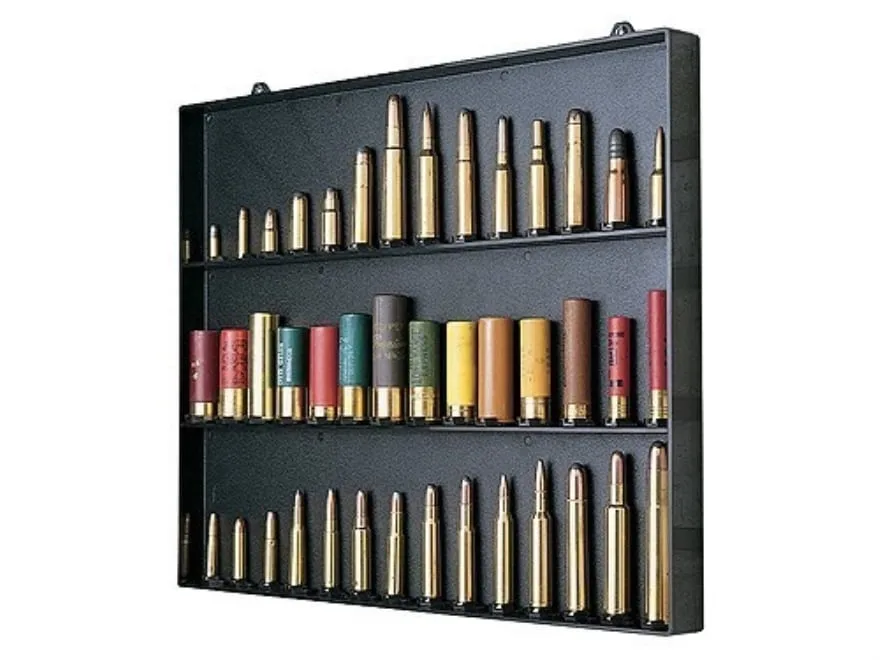
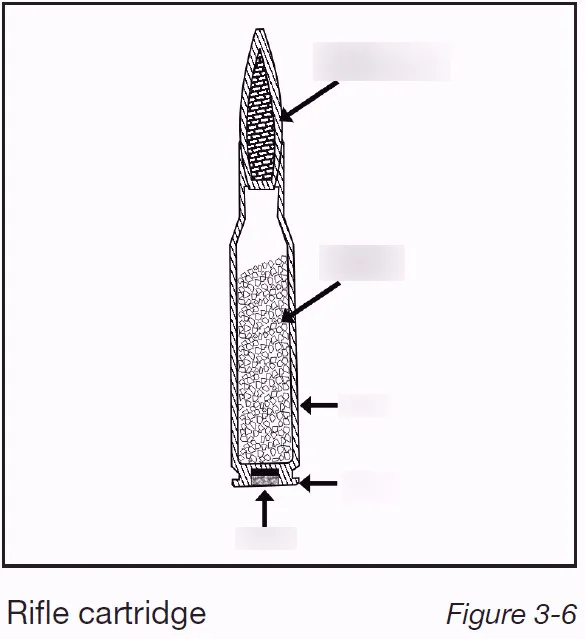
The Key Parts of a Cartridge Case: A Visual Breakdown
To truly understand what a cartridge case is and how it functions, it helps to know its distinct parts. Each section has a specific purpose, contributing to the overall reliability and performance of the ammunition. Visualizing these components makes their roles much clearer.
The Rim: Your Firearm's Grip
The rim is typically found at the very base or rear of the cartridge case. It's a slightly raised lip designed to be engaged by the firearm's extractor mechanism. When the firearm is fired and ready to cycle, the extractor hooks onto this rim to pull the spent case out of the chamber.
The presence and shape of the rim vary depending on the type of firearm and cartridge, affecting how it is extracted.
The Head: Information Central
Just forward of the rim, on the base of the case, is the head. This area is often stamped with a headstamp, which is crucial identifying information. It typically includes the manufacturer's name or logo, and the caliber of the cartridge.
The head also contains the primer pocket, where the primer is seated.
The Primer Pocket: Sparking the Action
This is a small, precisely machined recess within the head of the cartridge case. It's designed to snugly hold the primer. The primer itself is a small, sensitive explosive device.
When struck by the firing pin, it produces a small flame that ignites the main propellant charge within the case.
The Body: Holding It All Together
The body is the longest section of the cartridge case, extending from the head to the neck. This is where the bulk of the propellant powder is stored. The diameter and shape of the body can vary significantly, affecting the cartridge's capacity and how it feeds into the firearm's chamber.
The Neck: Cradling the Bullet
At the very front of the case is the neck, which is a narrowed portion designed to securely hold the base of the bullet. The bullet is typically "crimped" into the neck, meaning it's slightly press-fit to prevent it from loosening or falling out. This creates a streamlined profile for the cartridge to feed smoothly into the chamber.
Why the Case Matters: Function and Purpose
The cartridge case is absolutely fundamental to the reliable and safe function of cartridge-based firearms. Without it, the assembled components wouldn't work as a cohesive unit, and the pressures generated by firing would be uncontrollable. Its design and material are critical for handling extreme conditions.
Sealing the Deal: Gas Control During Firing
During firing, the combustion of gunpowder creates immense pressure and heat. The case's primary role in this moment is to expand slightly, forming a perfect seal against the walls of the firearm's chamber. This is known as "case seating" or "case wall support." This seal is vital for directing the explosion's energy forward to propel the bullet, rather than allowing high-pressure gases to escape backward into the firearm's action, which could cause malfunctions or injuries.
This gas-tight seal is a key safety feature.
Aiding Extraction: Getting Ready for the Next Shot
After the bullet has been propelled down the barrel, the empty cartridge case remains in the chamber. The firearm's mechanism is designed to grab onto the case, typically by its rim, and pull it out of the chamber. This process is called extraction.
The case is then ejected from the firearm, clearing the chamber for a new cartridge to be loaded. If a case fails to extract properly, it can lead to a "stovepipe" jam or other malfunctions that prevent the firearm from firing again.
Common Cartridge Case Materials and Their Traits
The material used for a cartridge case significantly impacts its performance, durability, and cost. While brass is the most common choice, other materials are also used for specific applications.
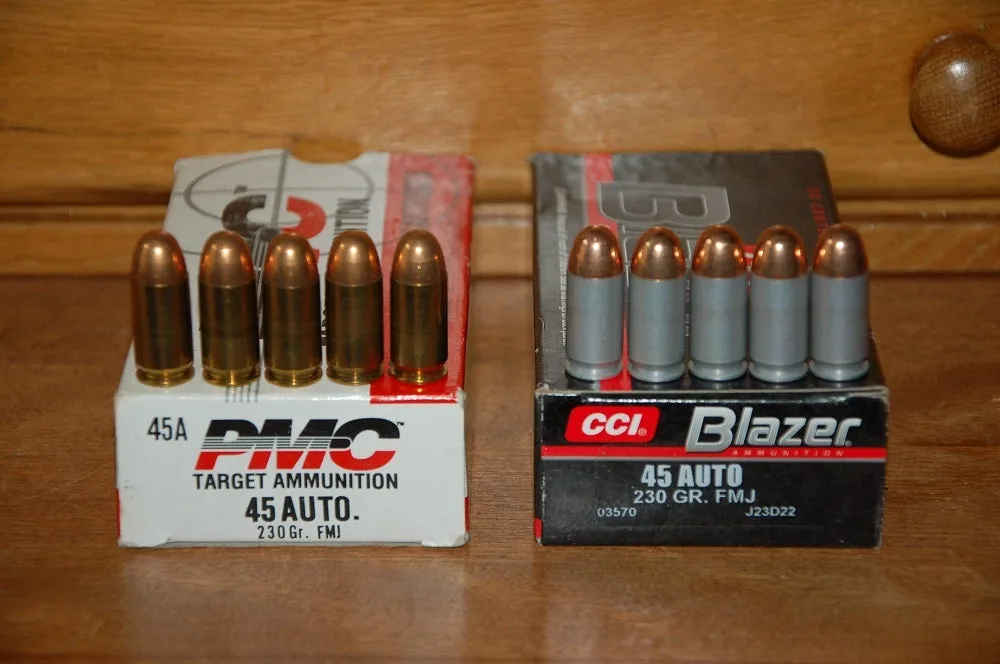
- Brass: This is the go-to material for most modern ammunition. Brass alloys offer an excellent balance of strength, malleability, and corrosion resistance. They expand reliably to seal the chamber and contract just enough to be easily extracted after firing. Brass cases are also generally well-suited for reloading, as they can withstand multiple firing cycles with proper care.
- Steel: Steel cases are typically stronger and cheaper to produce than brass. They are often used in military surplus or lower-cost ammunition. However, steel cases can be less corrosion-resistant than brass and may require special extractors in some firearms due to their tendency to "stick" in the chamber. They are generally not recommended for reloading.
- Aluminum: Aluminum cases are lightweight and inexpensive. They are often found in rimfire cartridges or some older military designs. While they are easy to manufacture, they are typically weaker than brass or steel and cannot withstand as many firing cycles, making them unsuitable for reloading.
Cartridge Case Types You Might Encounter
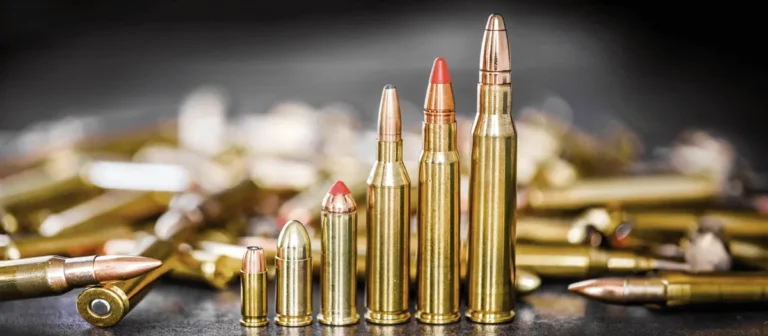
The world of firearms and ammunition features a variety of cartridge case designs, each tailored for specific firearm types and operational needs. Understanding these differences helps explain why certain cartridges are used in particular guns. The variations largely concern the rim and how the case is supported and extracted.
Rimmed vs. Rimless Designs
- Rimmed Cases: These cases are characterized by a distinct rim that protrudes from the base. This rim is key for headspace (the distance the cartridge sits in the chamber) and is where the extractor grips. They are common in revolvers and lever-action rifles. Examples include .38 Special and .30-30 Winchester.
- Rimless Cases: Found in most modern semi-automatic pistols and rifles, these cases have a groove near the base that the extractor engages. This design allows for smoother feeding from magazines and more compact firearm designs. Popular examples are 9mm Luger and .223 Remington.
Bottleneck vs. Straight Cases
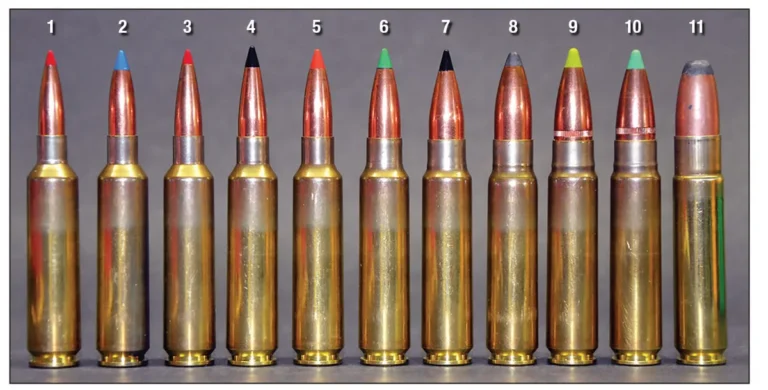
- Straight Cases: These cases have a uniform diameter for most of their length, tapering slightly only at the very end where the bullet seats. They are often found in pistol cartridges.
- Bottleneck Cases: These cases have a shoulder that tapers down to a narrower neck. This design allows for a larger powder charge in a case of a given length and is common in rifle cartridges. Examples include .30-06 Springfield and .308 Winchester. This shape aids in feeding and allows for efficient powder capacity.
Caring for Your Cartridge Cases (and When to Let Them Go)
Proper care and handling of cartridge cases, especially if you're involved in reloading, can significantly impact performance and safety. Even for non-reloaders, understanding case condition is important. A compromised case can lead to firearm malfunctions or dangerous situations.
Spent cases, once ejected, enter a lifecycle of potential reuse or disposal. For reloaders, the goal is to salvage good quality brass cases. This involves inspection for damage, cleaning, and resizing.
Cases that show signs of excessive wear, damage, or are made of less durable materials like aluminum are generally retired. The lifespan of a brass case depends heavily on the pressure it’s subjected to and how many times it’s reloaded.
Inspection: What to Look For
When inspecting spent cases, whether for immediate reuse or just to understand their condition, several key areas demand attention. Your firearm’s manual will often detail potential issues related to case ejection.
- Cracks and Splits: Look for any visible cracks, especially around the case mouth or shoulder. Tiny hairline cracks can be precursors to larger failures.
- Dents and Bulges: Dents or bulges in the case body or neck might indicate improper extraction or excessive pressure. Significant bulges can prevent proper chambering.
- Primer Pocket Wear: For reloaders, the primer pocket is critical. If it becomes too loose, primers can back out during firing, causing malfunctions.
- Case Head Separation: This is a serious issue. It occurs when the case wall thins and ruptures at the junction of the head and body, leaving the head stuck in the chamber. This is often subtle until it fails catastrophically.
When to Retire a Case
Not all cases are created equal, and some simply cannot or should not be reused. A rule of thumb from experienced reloaders is that a brass case typically lasts between 5 to 15 reloads, depending on the cartridge and how hot the loads are.
- Visual Damage: Any case with visible cracks, significant dents, or deformities should be discarded. These are clear signs of weakness.
- Case Head Separation: If you suspect case head separation during inspection, that case is done. It’s a safety hazard.
- Excessive Stretching: If a case shows signs of significant stretching or thinning after firing, it's nearing the end of its usable life.
- Non-Reloadable Materials: Cases made of steel or aluminum are generally not suitable for reloading due to their material properties and tendency to harden or deform.
How Does a Cartridge Case Seal the Chamber?
The process by which a cartridge case seals the firearm's chamber during firing is a critical element of safe operation. It’s a dynamic event that happens in milliseconds, relying on the material properties of the case and the precise fit within the chamber. This seal prevents dangerous backflow of gases.
When the primer is struck and ignites the propellant, the resulting explosion creates immense pressure. This pressure forces the cartridge case outwards against the chamber walls. Because the case, typically made of brass, is slightly more elastic than the steel of the chamber, it expands outwards.
This expansion is enough to fill any tiny gaps between the case and the chamber, creating a temporary, gas-tight seal.
The Physics of the Seal
The expansion of the case is not a permanent deformation. It’s a rapid, elastic expansion that holds the seal for the duration of peak pressure. Once the pressure drops after the bullet exits, the case will contract slightly.
This slight contraction is what allows it to be extracted from the chamber without sticking. The degree of expansion and subsequent contraction is carefully engineered based on the cartridge's pressure, the case material, and the chamber dimensions.
What Happens to the Case After Firing?
Once the bullet has been propelled down the barrel, the firearm's action cycles to remove the spent cartridge case. This process is essential for allowing the firearm to accept and fire another round. The sequence involves extraction and ejection, and the case's condition plays a key role in how smoothly this happens.
Extraction: Pulling Out the Spent Case
After firing, the firearm's extractor engages the rim or groove on the base of the cartridge case. The extractor is a spring-loaded hook or claw that is part of the firearm's mechanism. It pulls the case backward, away from the chamber wall, freeing it from the secure seal it formed during firing.
Ejection: Clearing the Firearm
Once the case is pulled partially out of the chamber by the extractor, it comes into contact with the ejector. The ejector is typically a spring-loaded pin or lever that strikes the base of the case, flinging it out of the firearm's ejection port. The force and angle of ejection are designed to clear the case effectively without it interfering with the next cartridge being chambered.
Frequently Asked Questions About Cartridge Cases
What is the main purpose of a cartridge case?
Its main purpose is to hold the primer, propellant, and bullet together as a single unit. It also seals the firearm's chamber during firing and facilitates the removal of the spent round.
Why are most cartridge cases made of brass?
Brass offers an excellent combination of strength, malleability, and corrosion resistance. It expands reliably to seal the chamber and contracts enough for easy extraction. It's also well-suited for reloading.
Can I reload any cartridge case?
Typically, only brass cases are recommended for reloading. Steel and aluminum cases are usually not designed for multiple firings and can be unsafe if reloaded due to material limitations.
What causes a cartridge case to fail?
Case failure can result from manufacturing defects, excessive pressure from overloads, or repeated stress from reloading. Signs of failure include cracks, bulges, or case head separation.
How many times can a brass cartridge case be reloaded?
The number of times a brass case can be safely reloaded varies greatly. It depends on the cartridge's pressure, the brass alloy, and the reloading process, but generally ranges from 5 to 15 times.