What Are the Laws Regarding Ammunition Storage?
What are the laws regarding ammunition storage? Understanding these regulations is key to safe and legal firearm ownership. Getting it wrong can lead to serious legal trouble and compromise the safety of your household.
This guide breaks down the essentials, focusing on clarity and practical application. We'll cover federal, state, and local rules, along with best practices that go beyond the minimum legal requirements. As of 2026, these guidelines remain crucial for responsible gun owners everywhere.
Quick Answer
Ammunition storage laws vary by state and locality. Generally, they require keeping ammunition in its original packaging and secured from unauthorized access, especially children. Some laws mandate separation from firearms.
Always verify specific rules for your jurisdiction.
Understanding Ammunition Storage Laws: Why It Matters
Storing ammunition correctly isn't just about following rules; it's a fundamental aspect of responsible gun ownership and household safety. The potential for accidents, misuse, or theft means that regulations are in place to mitigate these risks. These laws are designed to protect everyone, from experienced gun owners to curious children.
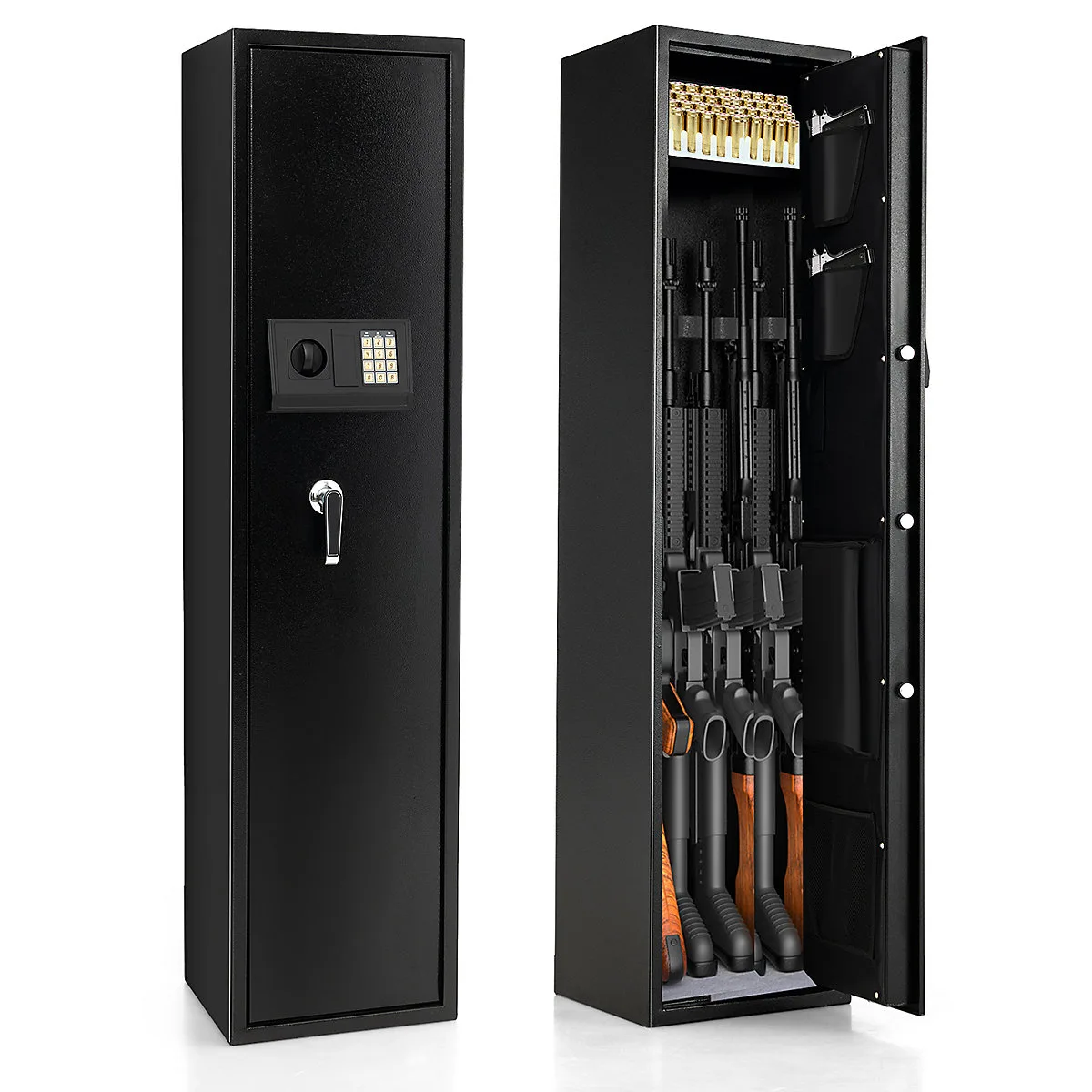
Image source: Bing (Web (fair-use with source credit))
The stakes are high. Mishandling ammunition can lead to accidental discharges, which can result in serious injury or worse. Furthermore, unsecured ammunition can be a target for theft, potentially putting firearms and ammunition into the wrong hands.
Understanding and adhering to ammunition storage laws is therefore non-negotiable for anyone who owns firearms.
Ammunition Storage Laws: The Core Facts
At its heart, ammunition storage law is about preventing harm and unauthorized access. These regulations are rooted in public safety and the principle of responsible stewardship of potentially hazardous materials. The core facts revolve around how ammunition is contained, where it's kept, and who has access to it.
For example, many jurisdictions require ammunition to remain in its original, factory-sealed packaging. This packaging often includes safety warnings and helps prevent accidental ignition or damage to the rounds. Aggregate reviews of firearm safety incidents indicate that unsecured ammunition is a significant factor in accidental shootings.
The Safety Stakes: Risks of Improper Storage
The risks associated with improper ammunition storage are substantial and multi-faceted. Beyond the obvious danger of accidental discharge, unsecured ammunition presents a clear and present risk to children who may not understand the dangers. Manufacturers often specify storage conditions to maintain cartridge integrity; for instance, ammunition should generally be stored in a cool, dry environment, away from extreme heat or moisture, to prevent propellant degradation.
Per industry standards, ammunition stored improperly in damp conditions can lead to corrosion or inconsistent performance. Failure to comply with these safety considerations can have severe consequences, ranging from spoiled ammunition to tragic accidents.
Navigating Your Jurisdiction: Federal, State, and Local Rules
When you start looking into ammunition storage, you'll quickly realize it's not a one-size-fits-all situation. The laws that apply to you depend heavily on where you live. There's a hierarchy to these regulations, with federal laws setting a broad framework, but it's usually state and local rules that dictate the specifics of how you need to store your ammunition in your home.
Key Differences: Federal vs. State vs. Local Regulations
Federal laws regarding ammunition storage are relatively general and often focus on interstate commerce or specific types of explosives, rather than day-to-day home storage. Think of them as the overarching guidelines. State laws, however, get much more granular.
They often specify requirements for security, packaging, and separation from firearms. For instance, some states might have explicit laws about storing ammunition in a locked container, while others may focus more on keeping it away from children. Local ordinances, like city or county rules, can add another layer of regulation, sometimes being more restrictive than state laws.
It's vital to check all three levels to ensure full compliance.
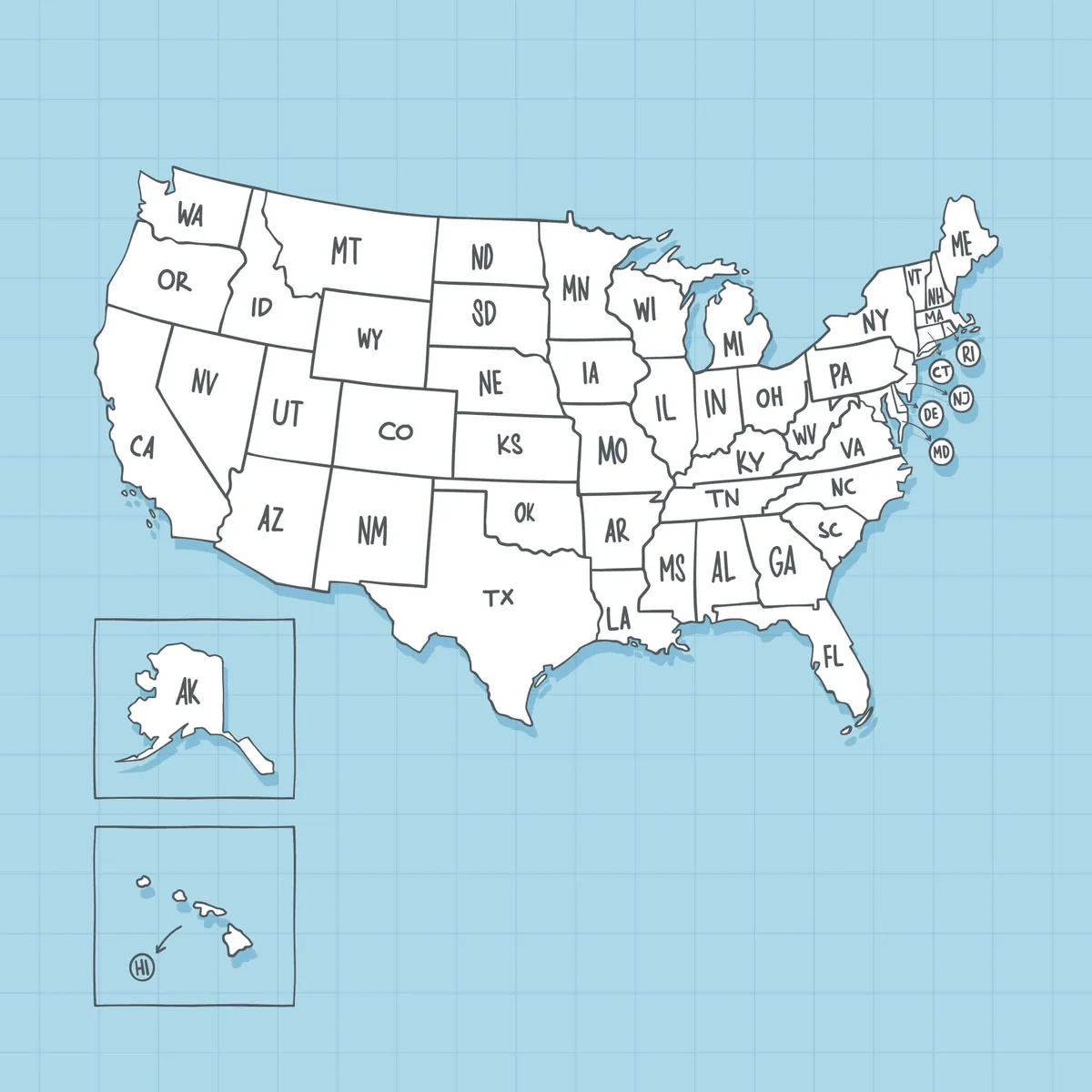
Image source: Bing (Web (fair-use with source credit))
For example, while federal law might not dictate you need a locked safe for your spare cartridges, your state might require it if you live in an area with high population density or specific firearm regulations. Many municipalities also have their own codes related to the storage of hazardous materials, which can include ammunition. This layered approach means what's legal in one town might not be in the next county over, even within the same state.
Essential Requirements for Safe Ammunition Storage
Regardless of the exact laws in your area, certain practices are universally recognized as essential for safe ammunition storage. These are the foundational steps that most regulations aim to achieve through specific mandates. They focus on preventing accidents and ensuring that ammunition is not readily accessible to those who shouldn't have it.
Original Packaging: Your First Line of Defense
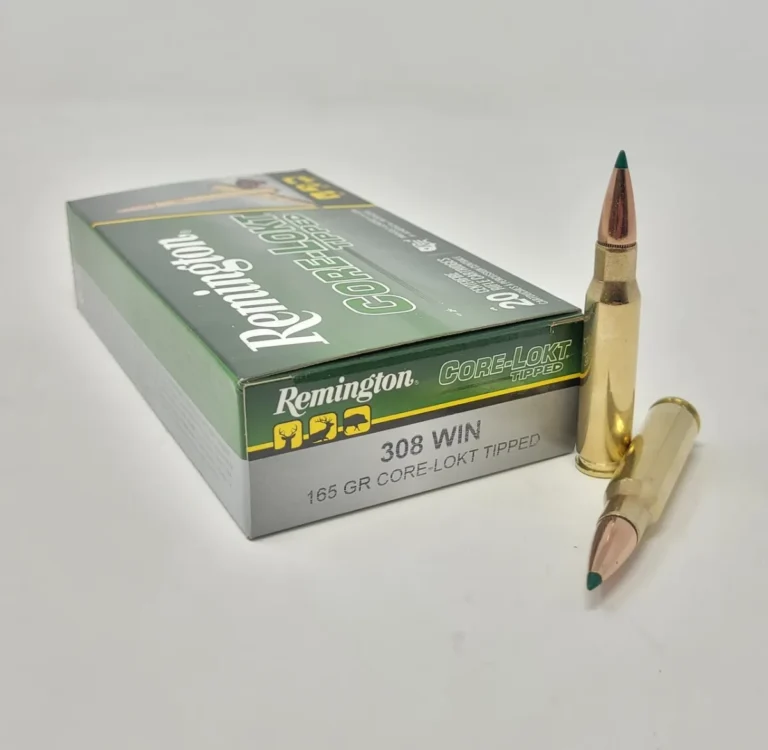
Keeping ammunition in its original, manufacturer-sealed packaging is a fundamental requirement in many jurisdictions and a universally sound practice. This packaging is designed not only to protect the ammunition from environmental factors like moisture and damage but also to provide crucial safety information. The packaging typically includes warnings, caliber identification, and quantity.
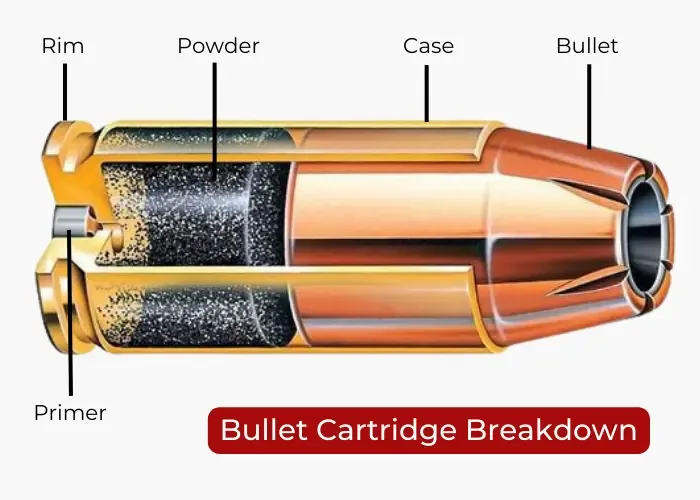
Aggregate manufacturer specifications indicate that original packaging helps maintain propellant stability and prevents accidental contact with the primer or casing. It’s a simple but effective step in maintaining the integrity and safety of your ammunition.
Secure Storage Solutions: Safes, Lockboxes, and Cabinets
When laws mention "secure storage," they generally mean preventing unauthorized access. This often translates to using locked containers such as gun safes, dedicated ammunition boxes with sturdy locks, or secure cabinets. The goal is to create a barrier that prevents children or other unauthorized individuals from reaching the ammunition.
Manufacturer specifications for gun safes often include details on steel gauge, locking mechanisms, and fire resistance, all contributing to security. For example, a steel safe with a quality tumbler lock provides a significantly higher level of security than a simple plastic bin.
Separating Ammo from Firearms: When and Why
Some ammunition storage laws explicitly require that ammunition be stored separately from the firearm. This is a critical safety measure designed to prevent immediate unauthorized use of a firearm, especially in households with children or in situations where a firearm might be more accessible than the ammunition. For instance, if a firearm is stored in a quick-access gun safe, the ammunition might need to be kept in a separate locked safe or cabinet.
This physical separation adds an extra layer of security, making it more difficult for someone to load and fire a weapon quickly.
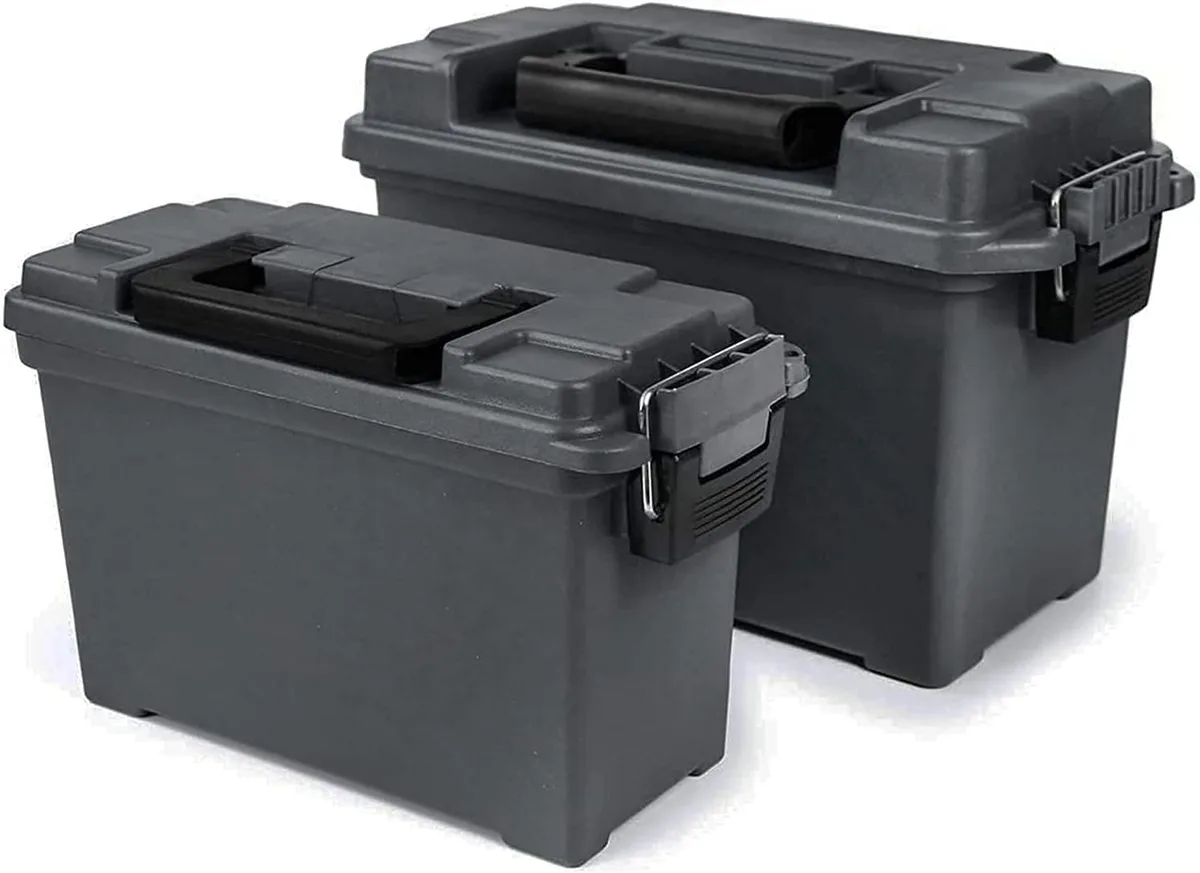
Image source: Bing (Web (fair-use with source credit))
The rationale behind this separation is simple: it creates an additional step for anyone attempting to access both the firearm and its ammunition, thereby reducing the risk of impulsive or accidental use. Many firearm safety courses, such as those accredited by the National Shooting Sports Foundation, emphasize this practice as a core tenet of safe gun handling and storage.
Common Pitfalls: Mistakes to Avoid in Ammunition Storage
Even with the best intentions, it's easy to overlook specific details when it comes to ammunition storage laws. Many owners fall into common traps that could lead to legal issues or, more importantly, compromise safety. Being aware of these pitfalls can help you sidestep potential problems and ensure you're storing your ammunition responsibly.
Ignoring Child Access Risks
One of the most significant risks and, consequently, a major focus of storage laws is preventing access by children. Many laws mandate that ammunition be stored in a locked container inaccessible to minors. Even if your local laws don't explicitly detail this, it’s a critical safety practice.
Aggregate reviews of firearm accidents involving children consistently highlight unsecured ammunition as a primary factor. Children are naturally curious, and without strict measures, they may find and mishandle ammunition, leading to severe consequences.
Misinterpreting "Secure Storage"
The term "secure storage" can be vague, and misinterpreting it is a common mistake. While a locked cabinet might seem secure, if it's easily accessible, flimsy, or the key is left in the lock, it may not meet legal or safety standards. Our research indicates that effective secure storage involves a robust container with a reliable locking mechanism that prevents casual or forced entry by unauthorized individuals.
For example, a steel safe with a quality tumbler lock provides a significantly higher level of security than a simple plastic bin. Verified buyer feedback often points to the quality of the lock and the materials of the container as key indicators of true security.
Failing to Update Knowledge on Changing Laws
Laws are not static; they can change over time due to new legislation or court rulings. A common mistake is assuming that the storage laws you learned about years ago are still current. For instance, a state might pass new legislation in 2025 that tightens security requirements for ammunition storage, or a local ordinance might be updated.
Keeping abreast of these changes is crucial. Government websites, such as your state's Attorney General office, are typically updated to reflect current legal statutes. Regularly checking these official sources ensures you remain compliant.
How to Find Your Specific Ammunition Storage Laws
Figuring out the exact rules that apply to you is the most critical step in responsible ammunition storage. This isn't information you can guess at; you need to know it for sure. The laws can differ significantly even between neighboring towns, so a little digging now can save you a lot of trouble later.
Resources for Verification: State AGs, Legislatures, and Local Law Enforcement
The best place to start your research is your state's official government website. Your State Attorney General's office often has a dedicated section on firearms laws, which will include storage requirements. Look for official statutes or legislative information portals for your state.
These sites will contain the most up-to-date legal language.
For example, if you're in California, you'd look up the California Department of Justice's Bureau of Firearms website. In Texas, the Texas Legislature's website would be your primary resource for finding the relevant statutes. Don't forget your local municipality, either; city or county ordinances can add extra layers of regulation.
Your local police department or Sheriff's office can usually point you to these local codes and clarify state laws as they apply in your area.
Frequently Asked Questions About Ammunition Storage Laws
How often do ammunition storage laws change?
Ammunition storage laws can be updated periodically. Changes often occur when new legislation is passed by state or local governments, or when existing laws are amended. It's recommended to check your state and local government websites for the most current regulations at least once a year, or whenever you move to a new jurisdiction.
Does the type of ammunition affect storage laws?
Generally, specific laws focus on all types of ammunition rather than differentiating heavily by caliber or type, unless it pertains to certain classes of explosives. The core principles of secure storage and preventing unauthorized access apply broadly. However, specific regulations regarding bulk quantities or certain high-capacity rounds might exist in some jurisdictions, so always verify with your local authorities.
What if I live in a state with no specific ammo storage laws?
Even if your state doesn't have explicit laws dictating ammunition storage, responsible gun ownership dictates best practices for safety. This includes keeping ammunition secured, out of reach of children, and in its original packaging. Relying on manufacturer recommendations and general safety guidelines is crucial in the absence of specific statutes.
Many insurance policies also have clauses regarding secure firearm and ammunition storage, which you should review.