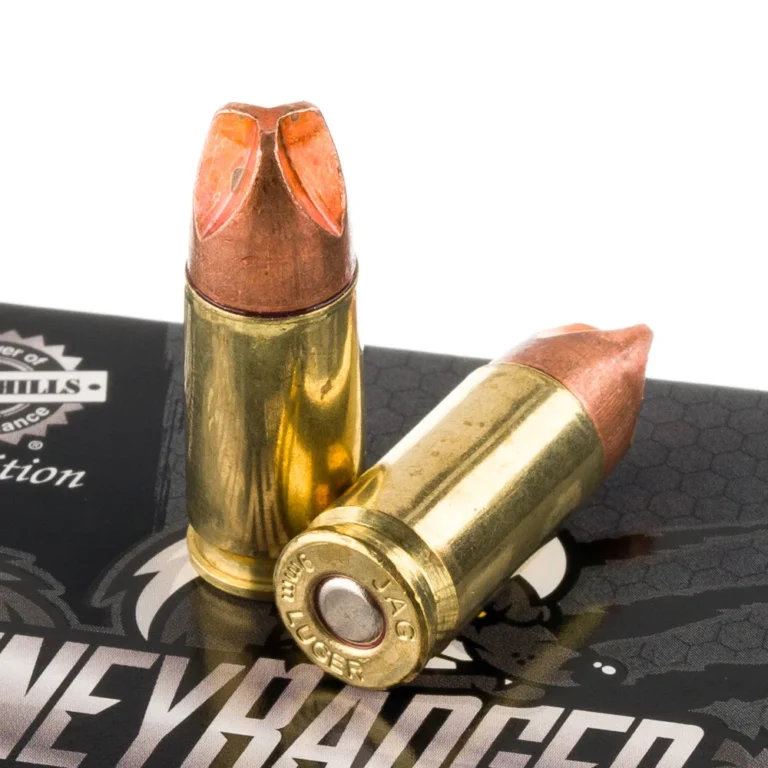
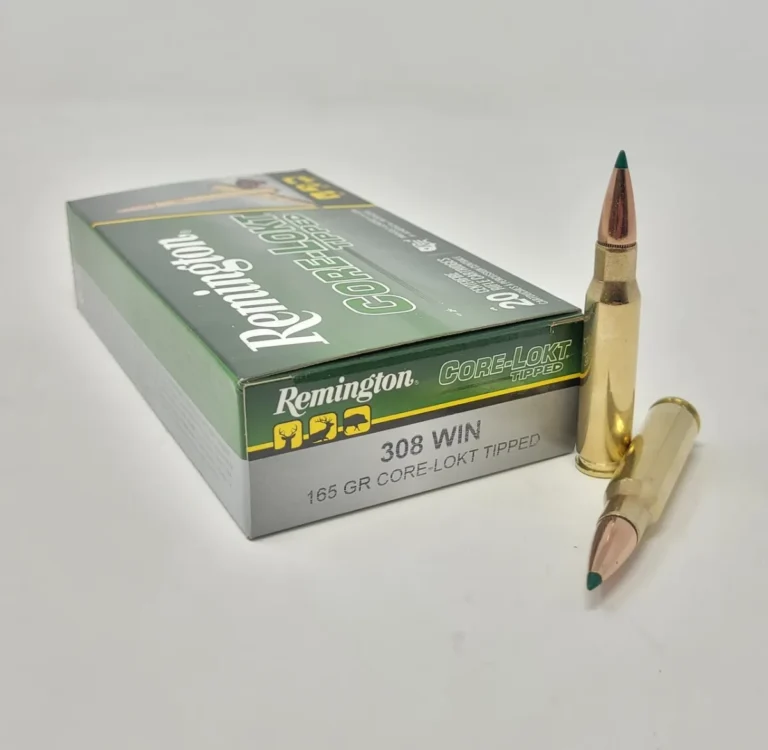
What Is Remanufactured Ammunition?
Remanufactured ammunition offers a compelling middle ground for many shooters, providing a way to enjoy more time at the range without the premium price tag of brand-new rounds. But what exactly goes into these rounds, and are they as reliable as their factory-fresh counterparts? Understanding the process is key to making an informed choice for your firearm needs.
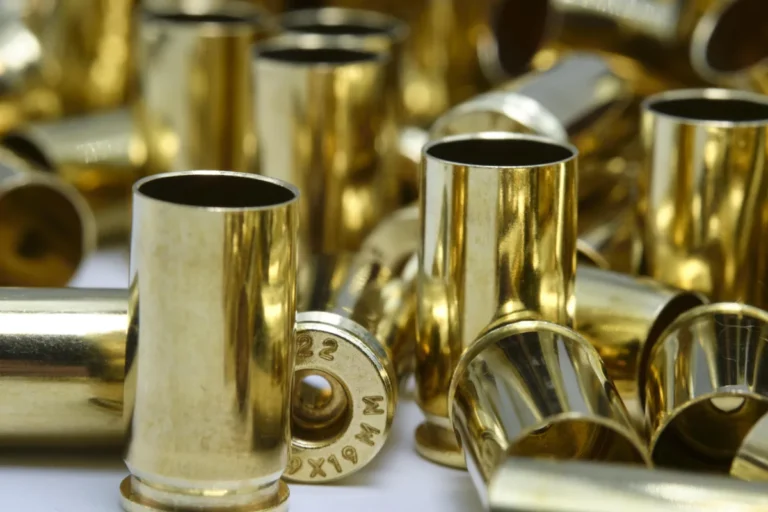
Our research indicates that remanufactured ammo utilizes meticulously inspected, once-fired brass cases. These cases are then reloaded with new primers, powder, and bullets, adhering to strict quality control measures, much like those found in ammunition manufacturing standards outlined by bodies such as SAAMI (Sporting Arms and Ammunition Manufacturers’ Institute). This careful approach is designed to offer a safe and effective shooting experience.
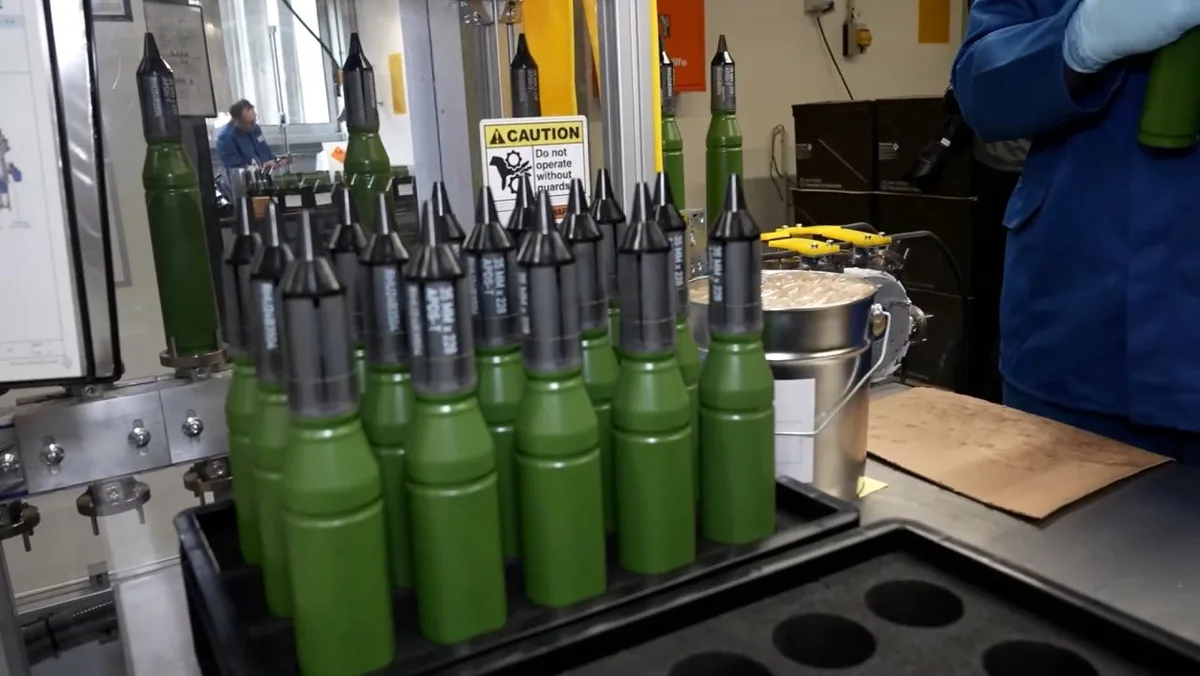
Image source: Bing (Web (fair-use with source credit))
Quick Answer
Remanufactured ammunition uses inspected, once-fired brass cases reloaded with new primers, powder, and bullets. It’s a cost-effective alternative to new factory ammo. Reputable manufacturers ensure quality and safety through rigorous inspection and reloading processes, making it suitable for practice and target shooting.
As of 2026, it remains a popular choice for budget-conscious firearm owners.
The "Why" Behind Remanufactured Ammo: Benefits and Drawbacks
When you’re deciding whether to pick up a box of remanufactured ammunition, you're likely weighing its advantages against potential downsides. It’s a practical choice for many, but it’s not a one-size-fits-all solution. Understanding these points helps you make the best call for your shooting needs.
Cost Savings and Environmental Impact
The most significant draw for remanufactured ammunition is almost always the price. Aggregate buyer feedback reports consistently show savings of 20-40% compared to new factory loads, depending on the caliber and specific brand. This allows shooters to significantly increase their practice time or simply reduce their overall shooting expenses.
For example, a box of 1000 rounds of 9mm might cost around $200-$250 new, while a remanufactured equivalent could be found for $140-$180.
Beyond the financial benefits, choosing remanufactured ammunition is also an environmentally conscious decision. By reusing the brass cartridge cases, manufacturers divert material from landfills. This practice conserves resources and reduces the overall environmental footprint associated with ammunition production.
Potential Quality Concerns and Manufacturer Reliance
While the cost and environmental aspects are appealing, the primary concern with remanufactured ammo revolves around quality control and consistency. The reputation of the remanufacturing company is paramount. Unlike new ammunition, where quality is generally standardized by major manufacturers like Federal, Winchester, or Hornady, remanufactured ammo quality can vary widely from one reloader to another.
Aggregated user reviews indicate that while top-tier remanufacturers produce rounds that perform exceptionally well, lesser-known or less diligent operations might cut corners. This could lead to inconsistencies in powder charges, bullet seating depth, or even overlooked defects in the brass cases, potentially impacting firearm function and accuracy. Therefore, thorough research into the specific brand you are considering is crucial.
How Remanufactured Ammunition is Made: The Process Explained
The creation of remanufactured ammunition is a multi-step process designed to bring once-fired components back to a reliable, usable state. It's far more involved than simply stuffing old brass with new components; it requires specialized equipment and a keen eye for detail.
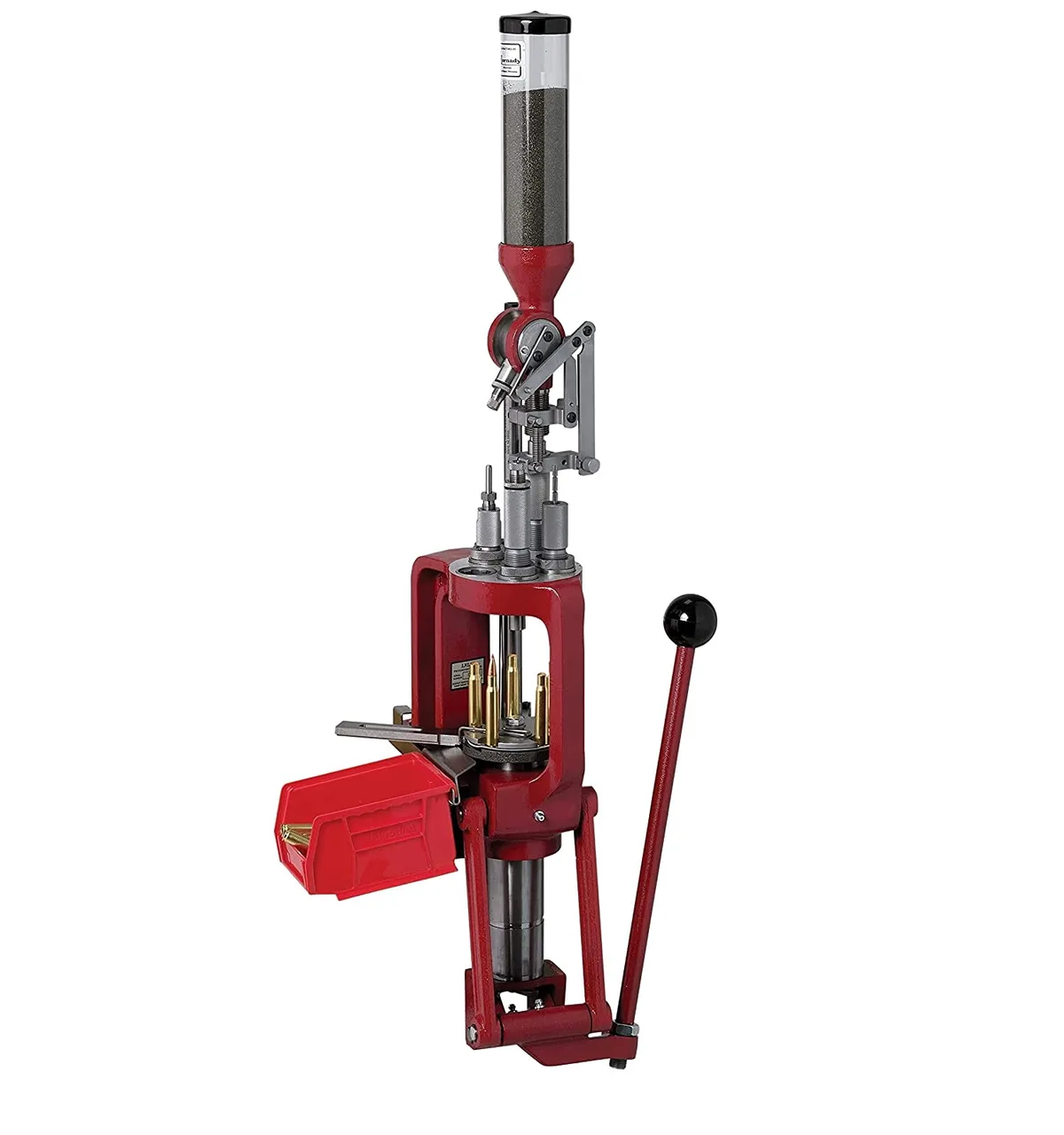
Case Collection and Rigorous Inspection
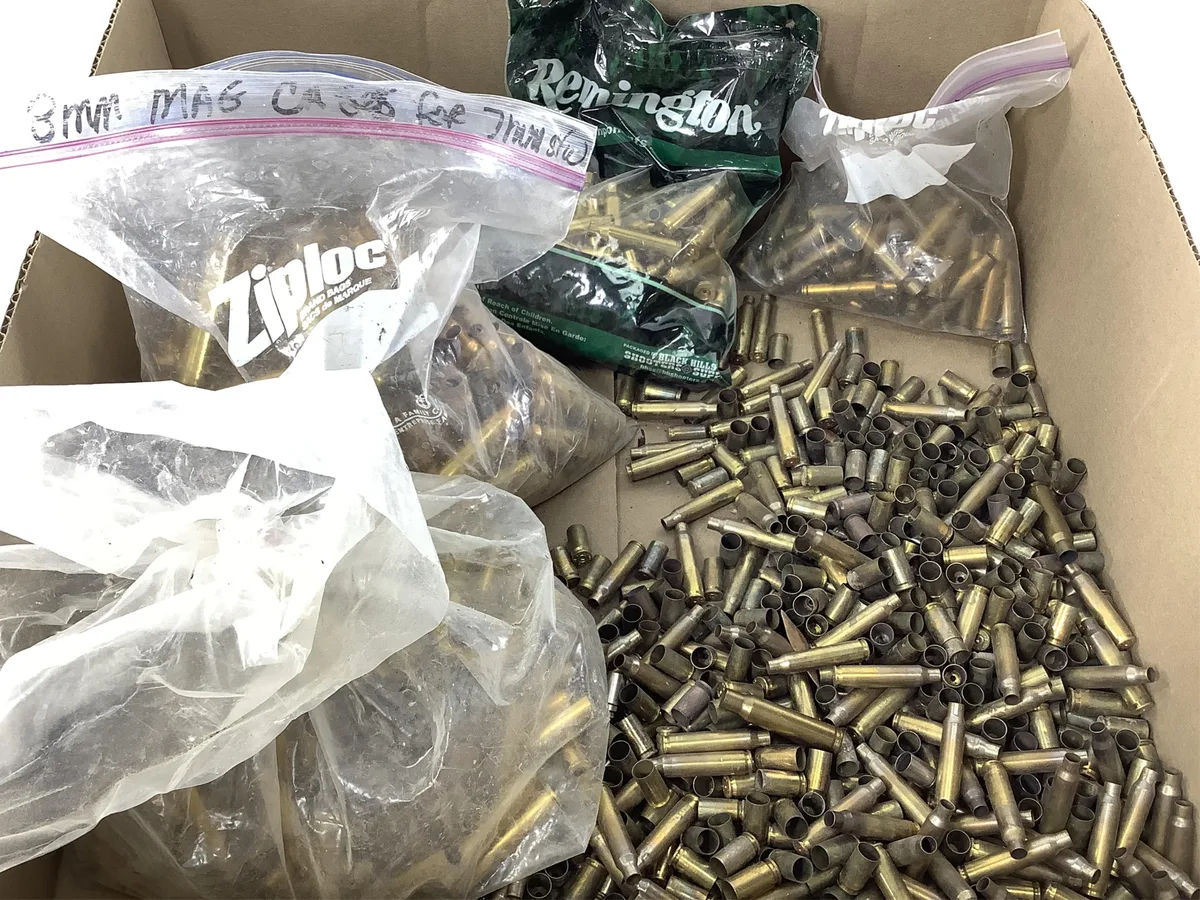
It all starts with the collection of spent cartridge cases, commonly referred to as "once-fired brass." These are typically gathered from high-volume shooting ranges, shooting clubs, and law enforcement agencies. Once collected, the brass undergoes a critical initial inspection. This is often done both visually and with automated machinery to identify any cases that are cracked, dented, corroded, or otherwise compromised.
Cases that don't meet stringent quality standards are discarded.
Resizing, Reloading, and Final Checks
After inspection, the serviceable cases are cleaned and resized back to their original specifications. This process involves removing the spent primer, reforming the case to the correct dimensions, and cleaning the interior and exterior. Then comes the reloading phase: new primers are seated, a precisely measured charge of new gunpowder is added, and a new bullet is crimped into place.
Each step is carefully controlled. Final quality checks often include gauging the overall length, checking for proper primer seating, and verifying bullet concentricity to ensure each round meets performance expectations.
Who Uses Remanufactured Ammunition? Ideal Use Cases
Remanufactured ammunition isn't necessarily for every single shooting scenario, but it shines in specific applications where its advantages are most pronounced. Understanding these scenarios helps you determine if it fits your shooting habits.
Practice and Target Shooting
For the vast majority of shooters, particularly those who engage in frequent practice or recreational target shooting, remanufactured ammunition is an excellent choice. The cost savings make it feasible to get significantly more trigger time on the range without a proportionally higher financial outlay. If your primary goal is to improve marksmanship, train new shooters, or simply enjoy a day at the range, remanufactured rounds are perfectly suited.
They offer reliable function for standard drills and plinking.
When It Might Not Be the Best Choice
However, there are situations where sticking with brand-new, premium factory ammunition might be preferable. For competitive shooting disciplines where every fraction of an inch in accuracy matters, the absolute highest consistency and tightest tolerances found in top-tier new ammunition are often preferred. Similarly, for self-defense or critical law enforcement applications, many individuals and agencies opt for new ammunition specifically engineered for maximum terminal performance and guaranteed reliability, often backed by extensive testing by manufacturers like Speer or Federal.
Key Safety Considerations for Remanufactured Ammo
Safety is paramount in any shooting activity, and with remanufactured ammunition, understanding a few key points can ensure you're using it responsibly. It’s about being an informed consumer and user.
Understanding the Risks
The primary safety concern with any ammunition, including remanufactured, is improper manufacturing. If cases are not properly inspected for cracks, if powder charges are inconsistent, or if primers are not seated correctly, it can lead to dangerous malfunctions. These could range from failure to fire to more serious issues like squibs (where the bullet lodges in the barrel) or case ruptures.
These risks are amplified if the remanufacturing process is not conducted with strict adherence to industry standards, like those recommended by SAAMI for case inspection and dimensional tolerances.
Choosing Reputable Brands
This is where due diligence pays off significantly. Always choose remanufactured ammunition from established, reputable companies with a proven track record. Brands that are transparent about their manufacturing processes, openly share details about their quality control, and have positive customer reviews are generally safe bets.
Avoid unmarked or suspiciously cheap ammunition from unknown sources. A reputable remanufacturer will have invested in the proper equipment and quality assurance measures to ensure their product is as safe and reliable as possible.
Common Mistakes When Buying or Using Remanufactured Ammo
Many shooters can enjoy remanufactured ammunition without issue, but a few common missteps can lead to frustration or even safety concerns. Being aware of these pitfalls can save you trouble down the line.
- Ignoring the Manufacturer's Reputation: The biggest mistake is buying remanufactured ammo without researching the brand. Not all remanufacturers are created equal. Some have excellent quality control, while others may be less meticulous. Always stick to well-known, trusted names in the remanufacturing space.
- Assuming It's Identical to New Ammo: While high-quality remanufactured ammo performs very similarly to new ammo, it's not always identical. For highly precision-sensitive applications like competitive long-range shooting, the absolute finest-tuned consistency of premium new loads might be a better fit.
- Using in Firearms Sensitive to Ammo Quality: Some firearms, especially certain semi-automatic pistols or highly tuned competition firearms, can be more sensitive to ammunition variations. If you experience consistent feeding or ejection issues with remanufactured ammo in a particular firearm, it might be worth switching to new factory loads to rule out the ammunition as the cause.
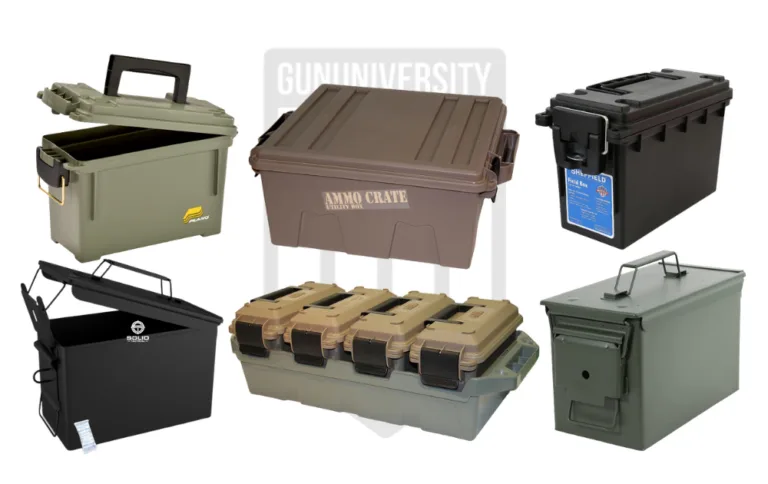
- Not Storing Properly: Like all ammunition, remanufactured rounds should be stored in a cool, dry place away from extreme temperatures and humidity. Improper storage can degrade the powder and primers over time, affecting performance and safety.
Frequently Asked Questions About Remanufactured Ammunition
### What is the lifespan of remanufactured ammunition?
Remanufactured ammunition, when stored correctly, has a shelf life comparable to new factory ammunition. This means it can remain viable for many years, often a decade or more, provided it's kept in a stable environment.
### Can I reload remanufactured ammunition again?
Generally, no. The brass cases used in remanufactured ammunition have already been fired and reloaded once by the remanufacturer. While brass can be reloaded multiple times, cases that have already been remanufactured may have weakened, and it’s typically not recommended for safety and reliability reasons to reload them a second time for general use.
### Is remanufactured ammunition safe for all firearms?
For most standard firearms chambered for common calibers, remanufactured ammunition is safe and reliable, provided it is purchased from a reputable source. However, firearms that are particularly sensitive to ammunition variations or have extremely tight tolerances might perform best with new factory ammunition. Always consult your firearm manufacturer’s recommendations.
### How does remanufactured ammunition compare in accuracy to new ammo?
For general practice and target shooting, the accuracy of high-quality remanufactured ammunition is often indistinguishable from new factory loads. For highly specialized competitive shooting disciplines where sub-MOA (Minute of Angle) accuracy is critical, premium new ammunition may offer a slight edge due to more stringent manufacturing controls and component selection.
### Where can I buy remanufactured ammunition?
Remanufactured ammunition is widely available from online ammunition retailers, specialty firearm supply stores, and directly from larger remanufacturing companies. It's always wise to check reviews and company history before purchasing.
Is remanufactured ammunition legal?
Yes, in most jurisdictions, remanufactured ammunition is perfectly legal to buy, own, and use. Regulations primarily focus on the sale and possession of firearms and ammunition components, not typically on the process of remanufacturing itself, as long as it meets safety standards.
Is Remanufactured Ammunition Right for You?
Deciding whether remanufactured ammunition fits your shooting needs comes down to your priorities. If you’re looking to maximize your time on the range, reduce your overall shooting costs, and practice shooting without compromising safety or reliability for general use, then it's likely an excellent option for you. The savings can be substantial, allowing for more frequent practice sessions.
However, if you are a competitive shooter requiring absolute peak performance, or if you are preparing for critical self-defense scenarios where only the most specialized, high-performance ammunition is considered, you might lean towards premium new factory loads. For the everyday shooter, though, the value proposition of remanufactured ammunition, balancing cost, environmental benefits, and reliable performance from trusted sources, is hard to beat.