What Is the Difference Between New and Remanufactured Ammo?
Image source: Bing (Web (fair-use with source credit))
When you're stocking up on ammo, figuring out what's new and what's remanufactured can feel a bit confusing. You've probably seen both options on the shelves and wondered what the practical differences are, especially when it comes to performance and your wallet. Understanding this distinction is key to making smart choices for your shooting needs.
In our research, we found that the main differences boil down to the origin of the components and the manufacturing process. While new ammunition uses entirely fresh parts, remanufactured ammunition gives once-fired casings a new life with new primers, powder, and bullets. This approach can offer significant cost savings without necessarily sacrificing quality, especially for practice.
Quick Answer
The main difference between new and remanufactured ammunition lies in their components. New ammo uses entirely brand-new casings, primers, powder, and bullets, offering peak consistency. Remanufactured ammo uses inspected, once-fired casings refilled with new primers, powder, and bullets, providing a more budget-friendly option.
Reputable remanufacturers maintain strict quality control, often meeting standards like those set by SAAMI for safety and performance.
New Ammo Explained: Straight from the Factory
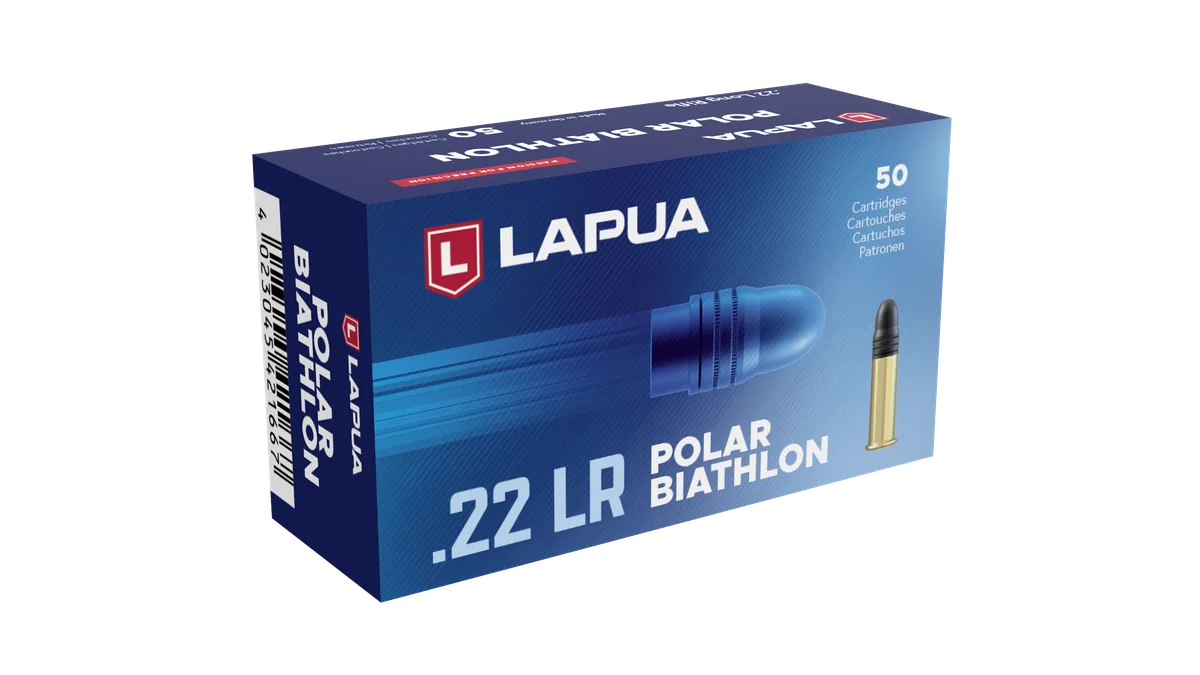
New ammunition is precisely what it sounds like, it's manufactured using all brand-new components. Think of it as the pristine, factory-fresh version of a cartridge. Every single part, from the metallic casing to the tiniest primer inside, is produced specifically for this round and has never been used before.
This meticulous process aims for the highest possible degree of consistency and reliability, batch after batch.
What It Is
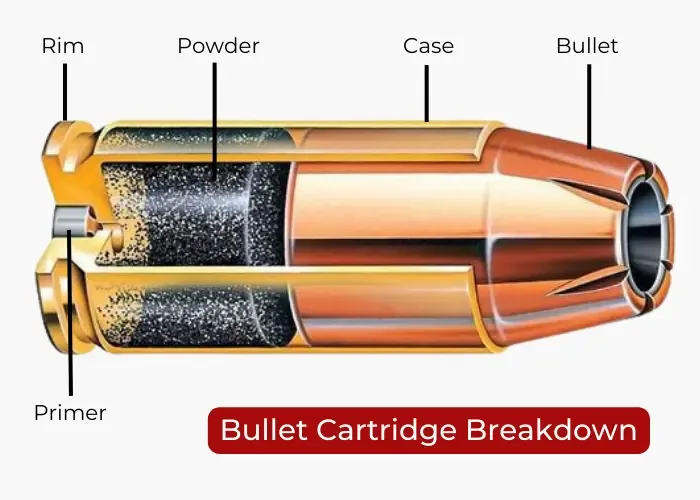
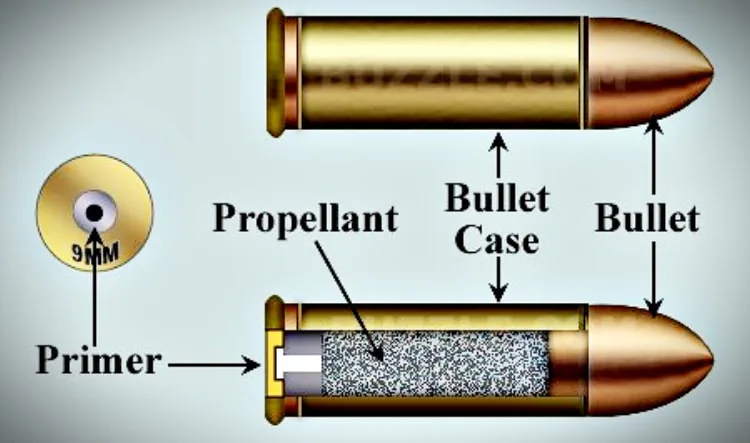
New ammunition is assembled from scratch by manufacturers who source all individual components. These components include the cartridge case (often brass or steel), the primer (which ignites the powder), the propellant (gunpowder), and the projectile (the bullet). The entire manufacturing process is designed to meet tight tolerances and quality standards.
Key Features and Benefits
- Peak Consistency: Because all components are new and manufactured under strict controls, new ammo generally offers the most predictable performance. This is crucial for competitive shooting or situations where every shot counts.
- Full Manufacturer Warranty: New ammunition typically comes with the manufacturer's guarantee. If there's an issue with a specific batch or a defect, you have recourse through the brand.
- Widest Availability: You'll find new ammo in the broadest range of calibers, bullet weights, and specialized loads. Whatever your firearm, there's almost certainly a new ammo option available for it.
Remanufactured Ammo Explained: The Reimagined Option
Remanufactured ammunition, often called reloads, offers a compelling alternative to brand-new rounds. The core idea is to take a once-fired cartridge casing, thoroughly inspect it, and then load it with new primers, powder, and projectiles. This process allows for a significant reduction in cost while aiming to deliver performance comparable to new ammunition, particularly for common shooting applications.
What It Is
The process begins with collecting spent cartridge cases. These cases are then put through a rigorous cleaning, inspection, and resizing process. Afterward, they are reloaded with fresh primers, measured amounts of propellant, and new bullets, mirroring the construction of new ammunition but utilizing a previously fired case.
Components and Process
- Casings: These are once-fired and carefully inspected for defects like cracks, excessive wear, or corrosion. They are then resized to their original specifications.
- Primers: Always new, ensuring reliable ignition.
- Powder: A new charge of propellant is precisely measured for each round.
- Projectiles: New bullets are seated into the case.
- Quality Control: Reputable remanufacturers employ strict quality control measures, often including pressure testing and visual inspections, to ensure safety and consistent performance.
Benefits and Drawbacks
- Cost Savings: This is the primary advantage. Remanufactured ammo can often be purchased at a discount of 15-30% compared to new ammunition, making it ideal for high-volume shooting or budget-conscious enthusiasts.
- Environmental Aspect: Reusing casings reduces waste and the demand for raw materials, offering a more sustainable choice for some.
- Potential for Variation: While reputable companies have excellent quality control, there's a theoretical possibility of slight variations if a company's processes aren't as stringent as a major factory's.
- Limited Availability: Not every caliber or specialized load will be available in a remanufactured format.
Comparing New and Remanufactured Ammo Head-to-Head
When you're standing at the ammo counter or browsing online, the decision often comes down to a trade-off between cost and perceived absolute perfection. Both new and remanufactured ammunition have their strengths, and understanding these differences helps you pick the right option for your specific needs as of 2026. It's not a simple "one is always better" scenario; it's about matching the ammo to the task.
Performance Differences
New ammunition is manufactured with brand-new components, ensuring the highest degree of consistency in terms of muzzle velocity and accuracy. Manufacturers spend significant resources on R&D to optimize loads for predictable performance. Remanufactured ammunition, when produced by a reputable company, can also deliver excellent performance.
However, the performance can be slightly more variable if the casing metallurgy or reloading process has minor inconsistencies. For most standard target shooting, the difference is often imperceptible.
Reliability Factors
Reliability is a critical factor for any shooter. New ammunition generally has a very low failure rate because every component is fresh and manufactured to exacting standards. Remanufactured ammunition's reliability hinges heavily on the quality control of the remanufacturer.
Reputable companies invest in inspection and loading equipment that rivals factory standards, leading to very high reliability rates. However, it's wise to choose well-established remanufacturing brands that have a proven track record.
Cost Comparison
The most significant differentiator is cost. New ammunition is typically more expensive because you are paying for entirely new materials and the associated manufacturing overhead. For example, a box of 50 new 9mm rounds might cost between $20 and $30, depending on the brand and features.
Remanufactured ammunition can often be found for 15-30% less than new, meaning that same box of 50 might range from $15 to $25. This saving adds up quickly for individuals who shoot frequently.
Who Should Use Which Type of Ammo?
Deciding between new and remanufactured ammunition really boils down to your intended use and priorities. It’s not a one-size-fits-all answer, and what’s best for one shooter might not be ideal for another. Our analysis suggests looking at your primary reason for purchasing ammunition.
Best For Everyday Practice and Plinking
If you spend a lot of time at the range for practice, target shooting, or casual plinking, remanufactured ammunition is often an excellent choice. The substantial cost savings allow you to shoot more rounds for the same budget, which is fantastic for developing proficiency. Reputable remanufacturers provide ammo that’s safe and reliable for these purposes.
For instance, a casual shooter might save $5-$10 per box, meaning they can afford 10-20% more shooting sessions throughout the year.
Best For High-Stakes Competition and Defense
For competitive shooting disciplines where every fraction of an inch in accuracy matters, or for self-defense situations where absolute certainty is paramount, many shooters opt for new ammunition. The utmost consistency and the assurance of a full manufacturer's warranty provide a critical peace of mind. While high-quality remanufactured ammo can perform admirably, the absolute pinnacle of predictability is generally found in factory-new loads designed for those specific high-demand applications.
Common Mistakes When Choosing Ammo
When people are trying to decide between new and remanufactured ammunition, a few common pitfalls can lead to less-than-ideal choices or even issues. Being aware of these can help you avoid common frustrations and ensure you get the best value and performance for your firearms.
Overlooking Brand Reputation
A significant mistake is not researching the brand, especially when considering remanufactured ammunition. Not all remanufacturers are created equal. Some adhere to rigorous quality control and testing protocols, while others may be less diligent.
Buying from an unknown or poorly-reviewed remanufacturer can lead to inconsistent performance, feeding issues, or even safety concerns. Always prioritize brands with a solid reputation and positive user feedback within the shooting community.
Ignoring Firearm Compatibility
While most ammunition calibers are standardized, a less common mistake involves assuming all ammunition types are suitable for all firearms within a caliber family. For example, some older firearms might have tighter tolerances or specific feed ramp designs that could be more sensitive to ammunition variations. While rare, very light-loaded or unusually dimensioned remanufactured rounds could potentially cause feeding or extraction issues in certain firearms.
It’s always wise to consult your firearm's manual and consider testing a small quantity of any new ammunition type to ensure proper function.
Frequently Asked Questions About Ammo Types
Is remanufactured ammo as safe as new ammo?
Yes, when produced by a reputable company with strict quality control processes, remanufactured ammo is generally as safe as new ammunition. These companies follow established reloading procedures and often meet industry standards for safety and performance.
Can I reload my own ammo?
Yes, many shooters reload their own ammunition. It requires specialized equipment, careful attention to detail, and adherence to safety guidelines. This offers even greater cost savings but demands a higher level of personal knowledge and diligence.
Does remanufactured ammo always cost less?
Generally, yes. The cost savings come from reusing the cartridge casings, which are a significant part of the manufacturing expense for new ammunition. While prices vary, remanufactured rounds are almost always cheaper per unit than their new counterparts.
Will remanufactured ammo perform differently in my gun?
For most standard shooting applications, the performance difference between quality remanufactured and new ammo is minimal and often imperceptible to the shooter. However, for highly specialized precision shooting or critical defense scenarios, new ammo might offer a slight edge in absolute consistency.
Should I worry about using remanufactured ammo in a new firearm?
Reputable remanufactured ammo should function safely in most modern firearms. However, always consult your firearm's manual and consider testing a small quantity first to ensure it cycles reliably and without issue in your specific make and model.
Your Final Decision: New vs. Remanufactured
Choosing between new and remanufactured ammunition depends entirely on your shooting goals and budget. If you require the absolute highest degree of consistency for competitive events or carry ammunition that has never been fired, new factory rounds are your best bet. They offer guaranteed quality and the widest selection.
However, for the vast majority of shooting activities, practice, target shooting, and general plinking, remanufactured ammunition from a trusted source presents an excellent value proposition. The cost savings are substantial, allowing you to extend your shooting sessions and practice more often. It’s an environmentally conscious choice that doesn't force you to compromise significantly on performance or safety, provided you stick to reputable brands.