What Is Tracer Ammunition?
Ever wonder what's behind those bright streaks you sometimes see? What is tracer ammunition? It's a special type of bullet designed to show you precisely where it's going.
This isn't just for show; it has some very practical applications, particularly in military and law enforcement scenarios.
The magic behind tracer rounds lies in a simple, yet effective, pyrotechnic charge at the bullet's base. When fired, this charge ignites, creating a visible trail of light that follows the bullet's path. Manufacturer specifications for common tracer rounds, like those using a red pyrotechnic mix, indicate a burn time designed to last for the majority of the bullet's flight.
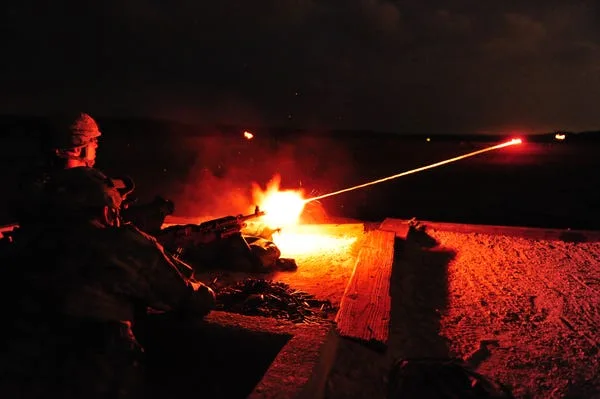
Image source: Bing (Web (fair-use with source credit))
Quick Answer
Tracer ammunition is a projectile with a pyrotechnic charge in its base that ignites upon firing. This creates a visible light trail, allowing shooters to see the bullet's trajectory. It's primarily used for target correction, fire direction, and improving situational awareness.
What Makes a Bullet Leave a Trail?
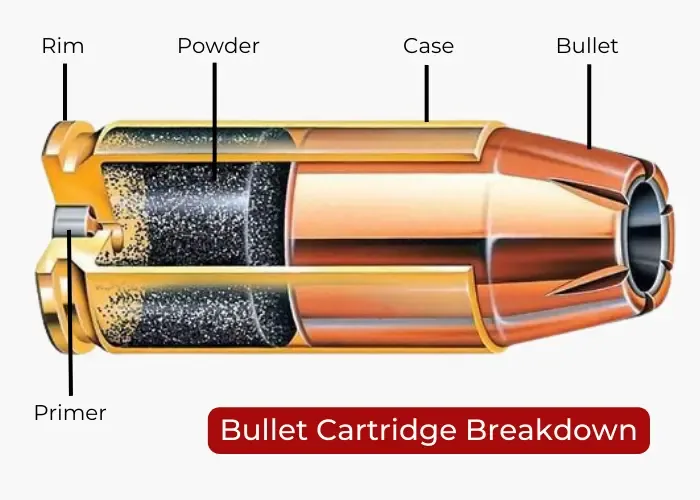
The core principle of tracer ammunition is straightforward: it makes the bullet visible in flight. This is achieved through a pyrotechnic composition housed in a cavity at the rear of the bullet. Think of it like a tiny, controlled fireworks charge built into the bullet itself.
When the firearm is discharged, the ignition from the main propellant charge also ignites this pyrotechnic mix.
As the bullet travels downrange, this mix burns, producing a bright, easily visible light. The color of this trail can vary, with red being one of the most common. This visual cue serves a critical purpose, providing immediate feedback to the shooter about their aim.
For many users, especially those in tactical situations, seeing the bullet's path can be the difference between hitting or missing a target.
Inside the Tracer: The Pyrotechnic Core
The "tracer" element is the heart of this special ammunition. It's typically a pyrotechnic compound, often a mixture of oxidizers and fuels, carefully contained in a small well at the base of the bullet. When the round is fired, the intense heat and pressure from the gunpowder detonation ignite this pyrotechnic composition.
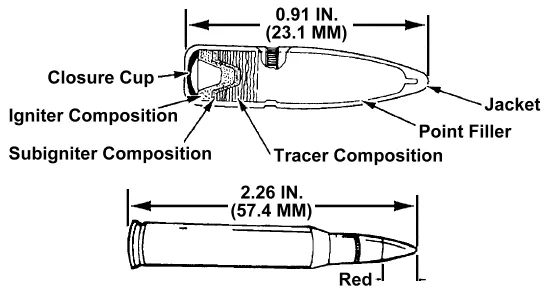
Image source: Bing (Web (fair-use with source credit))
- Ignition Source: The firing of the main propellant charge.
- Composition: A mix of chemicals designed to burn brightly. Common formulations often include materials like strontium salts for red color.
- Location: Housed in a cavity at the base of the projectile.
- Effect: Produces a sustained flame or glowing particle trail as the bullet moves through the air.
Manufacturer specifications often detail the intended burn time of this pyrotechnic mix. For many common types, the expectation is that the tracer will remain visible for most, if not all, of the bullet's flight path. This sustained visibility is key to its functionality.
Why Use Tracer Rounds? Practical Applications
Tracer ammunition isn't just a flashy novelty; it's a tool with distinct, practical uses, primarily in environments where precision and feedback are paramount. The ability to visually track a projectile in flight offers significant advantages.
The most prominent application is for target correction. When a shooter fires a tracer round and sees it deviate from the intended point of impact, they can immediately adjust their aim for subsequent shots. This immediate visual feedback loop is invaluable for improving accuracy, especially under pressure.
Beyond individual aiming, tracers are also used for fire direction. In combat or tactical situations, seeing where rounds are coming from or going helps coordinate efforts and identify threats. It's a way to mark targets or indicate a line of engagement for other team members.
The psychological effect of seeing visible fire directed at you can also contribute to suppressing enemy action.
Correcting Your Aim: Instant Feedback in Action
For shooters, the ability to see where their bullets are going is a game-changer. If you're firing a standard bullet, you might not know if you've missed your mark until you observe the impact or lack thereof. Tracer ammunition changes this dynamic dramatically.
When you fire a tracer round, that bright streak leaves no doubt about its trajectory.
- Observe the Trace: Watch the light trail as it flies.
- Identify Deviation: See if the trace is hitting high, low, left, or right of your intended target.
- Adjust Aim: Make the necessary corrections to your sights or hold for the next shot.
This real-time feedback is invaluable for both experienced marksmen and those learning to shoot. It accelerates the learning curve by making the consequences of aiming errors instantly apparent. It's like having a built-in instructor guiding your adjustments with every shot.
As of 2026, this principle remains a cornerstone of tactical shooting training.
Guiding Fire and Improving Situational Awareness
In situations involving multiple shooters or complex tactical environments, tracer ammunition plays a crucial role in coordinating actions and enhancing overall situational awareness. It's not just about one person's aim; it's about group effectiveness.
- Team Coordination: Tracers help team members understand where friendly fire is directed, preventing accidental engagement of friendly forces and ensuring concentrated fire on the correct targets.
- Threat Identification: The visible path of enemy tracer rounds can help pinpoint enemy positions, even in low-visibility conditions. This information is critical for return fire and tactical maneuvering.
- Area Illumination (Indirectly): While not designed as a flashlight, the visual cue of tracer fire can help illuminate an engagement area, giving friendly forces a better sense of the battlefield.
- Suppression: The visual presence of incoming fire can have a significant psychological impact, encouraging adversaries to seek cover and reduce their own return fire.
This tactical advantage makes tracer ammunition a valuable component in many military and law enforcement arsenals, offering more than just a way to see a bullet fly.
Tracer vs. Standard Rounds: Key Differences
When you look at a bullet, it's hard to tell at a glance if it's a tracer or a standard round. However, their function and intended use are quite different. Understanding these distinctions is key to appreciating why tracer ammunition exists.
The primary difference lies in the presence of that pyrotechnic element. Standard rounds are designed purely for ballistics and impact. Tracer rounds, on the other hand, incorporate a compound to create that visible flight path.
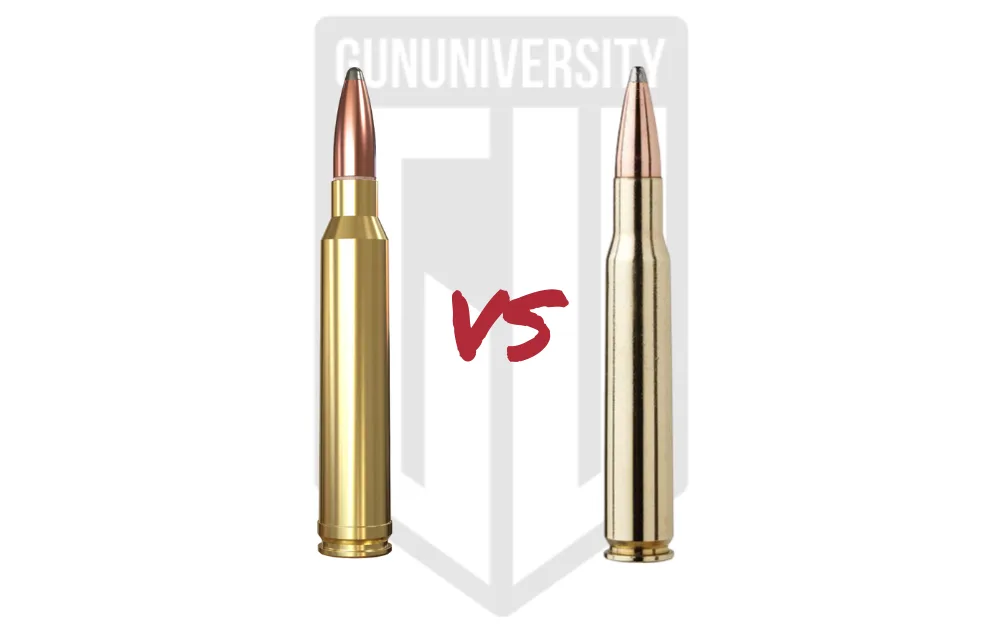
Image source: Bing (Web (fair-use with source credit))
Here’s a quick breakdown of how they typically stack up:
| Feature | Tracer Ammunition | Standard Ammunition |
|---|---|---|
| Visible Trail | Yes, a bright light trail is produced. | No visible trail during flight. |
| Core Function | Visual feedback for aiming, fire control. | Projectile impact and terminal effect. |
| Components | Bullet with integrated pyrotechnic mix. | Standard bullet construction. |
| Primary Use | Military, law enforcement, training. | Hunting, sport shooting, self-defense. |
| Fire Hazard | Potential fire risk due to burning mix. | Minimal fire risk from projectile itself. |
This table provides a simplified comparison.
Features and Performance Variations
While the core concept of tracer ammunition remains consistent, a visible trail, there are variations in how this is achieved and the resulting performance characteristics. These differences often cater to specific operational needs or environmental conditions.
- Color: The most obvious variation is the color of the tracer. While red is extremely common, other colors like white, orange, or even green can be found. The color often depends on the specific pyrotechnic chemicals used, with different compounds producing different light emissions.
- Burn Duration: Not all tracer elements are designed to burn for the same amount of time. Some are formulated for a shorter, intense burn, while others are intended to remain visible for the entire flight of the bullet, from muzzle to impact. This duration can be influenced by the quantity and composition of the pyrotechnic mix.
- Ballistic Consistency: Adding a pyrotechnic charge does introduce a slight change in the bullet's weight and balance compared to a non-tracer round of identical design. While manufacturers strive for minimal impact, there can be very subtle differences in ballistic performance. These differences are generally negligible for most standard combat ranges but could be a consideration for extreme precision shooting.
- Ignition Timing: In some specialized rounds, the ignition of the tracer element might be delayed slightly to prevent it from being extinguished by wind or other factors immediately upon leaving the barrel, ensuring a more consistent visible trace.
These variations mean that not all tracer rounds are interchangeable for every application. Understanding the specific specifications of the ammunition being used is always important for reliable performance.
Who Needs Tracer Ammunition? Target Audiences and Scenarios
Tracer ammunition isn't typically found in a civilian's hunting pack or target shooting kit. Its unique capabilities lend themselves to very specific user groups and situations where visual feedback and coordinated fire are critical.
The primary audiences for tracer rounds are those operating in high-stress, tactical environments. This includes:
- Military Personnel: In combat or training exercises, tracers are vital for providing immediate feedback on aimed fire, coordinating artillery or machine-gun fire, and identifying enemy positions.
- Law Enforcement: SWAT teams or special operations units might use tracers during training to refine shooting techniques or in specific tactical scenarios where positive identification of fire direction is needed.
- Firearms Trainers: Instructors often use tracers during advanced training to help students visualize their shot placement and make rapid corrections.
The scenarios where tracer ammunition proves most effective generally involve:
- Low-light or Night Operations: The visible trail is exceptionally useful when natural light is scarce, making it difficult to observe bullet impacts.
- Long-Range Engagements: When targets are at a distance, seeing the bullet's flight path is essential for making necessary adjustments to account for windage and elevation.
- Coordinated Fire Missions: In situations where multiple shooters or weapon systems are engaging targets, tracers help ensure that fire is concentrated and directed effectively.
Essentially, any situation demanding rapid, accurate fire with immediate confirmation of trajectory is a prime candidate for tracer ammunition.
Risks and Safety: Handling Tracer Rounds
While tracer ammunition offers significant tactical advantages, its use comes with inherent risks that demand careful consideration and strict safety protocols. The very mechanism that makes tracers effective, a burning pyrotechnic charge, also introduces potential hazards.
The primary safety concern is the fire hazard. The glowing, burning pyrotechnic material can ignite dry vegetation, tinder, or other flammable materials it comes into contact with. This is particularly critical in arid or drought-stricken environments.
Because of this, extensive use of tracers is often restricted or prohibited in areas prone to wildfires. Always ensure the area of operation is clear of flammable materials, and be aware of local regulations regarding tracer use.
Beyond fire risks, there are other safety aspects to keep in mind:
- Visibility: While the tracer's visibility is its main benefit, it also reveals the shooter's position. In a tactical situation, this means the shooter's location is compromised to the enemy.
- Misfires/Malfunctions: Although rare, if a tracer round fails to ignite its pyrotechnic charge, it functions like a standard round. Conversely, an unusually aggressive ignition or a malfunctioning tracer could potentially pose a slightly different risk profile, though this is not common.
- Regulations: Due to the fire hazard and military applications, tracer ammunition is often subject to specific legal restrictions. Availability to the general public can be limited, and its use may be regulated by government bodies like the Bureau of Alcohol, Tobacco, Firearms and Explosives (ATF) in the United States, or similar agencies internationally.
Understanding Fire Hazards and Regulations
The potential for tracer rounds to start fires cannot be overstated. The pyrotechnic composition burns at high temperatures, and any ember or unburnt material that falls on flammable surfaces can easily spark a blaze. This is why, in many jurisdictions, particularly those with a high risk of wildfires, the use of tracer ammunition is heavily regulated or outright banned.
For instance, in the United States, while specific federal laws may not always ban tracers outright for civilian ownership, state and local regulations, along with land management policies (like those from the U.S. Forest Service or the Bureau of Land Management), often impose restrictions. These rules are not arbitrary; they are a direct response to the documented instances where tracer rounds have caused significant wildfires.
When considering the use of tracer ammunition, it is imperative to:
- Check Local Laws: Always verify the legality of owning and using tracer rounds in your specific area.
- Assess Environmental Conditions: Never use tracers in dry, grassy, or wooded areas where a fire could easily start and spread.
- Follow Range Safety Rules: Designated shooting ranges often have specific rules about ammunition types, including tracers, to mitigate risks.
- Understand Manufacturer Warnings: Ammo manufacturers typically include warnings about fire hazards on their packaging.
Adhering to these regulations and safety guidelines is not just about compliance; it's about responsible firearm use and preventing unintended damage or injury.
Common Tracer Ammunition Myths and Facts
Like many specialized items, tracer ammunition is surrounded by a few misconceptions. Clearing up these myths helps in understanding its true capabilities and limitations.
Myth 1: Tracer rounds are incendiary rounds.
Fact: This is a common confusion. While both involve a pyrotechnic element, incendiary rounds are designed specifically to start fires upon impact, often containing phosphorus or other highly flammable materials. Tracer rounds' primary purpose is visual tracking; fire starting is a potential side effect, not the main objective.
Myth 2: All tracer rounds are red.
Fact: While red is arguably the most prevalent color for tracer ammunition due to the common use of strontium compounds, other colors exist. White, orange, and even green tracers have been produced, often depending on the manufacturer's specific formulation and intended use.
Myth 3: Tracer rounds are inaccurate.
Fact: While adding a pyrotechnic element can introduce very minor ballistic differences compared to a non-tracer round of identical design, modern tracer ammunition is engineered to be ballistically consistent. For most practical applications, the accuracy difference is negligible. The purpose of tracer rounds is often to improve accuracy by providing visual feedback for corrections.
Myth 4: Tracer rounds are illegal everywhere.
Fact: Legality varies significantly by region and country. In some places, they are tightly controlled or banned due to fire hazards and their military nature. However, in others, they may be legal for civilian ownership, albeit often with restrictions on use.
Always check your local and state laws.
FAQs About Tracer Ammunition
What exactly is tracer ammunition?
Tracer ammunition is a type of bullet that contains a pyrotechnic charge at its base, which ignites upon firing. This creates a visible trail of light as the bullet travels through the air, allowing the shooter to see its trajectory.
Why would I use tracer rounds instead of regular bullets?
Tracer rounds are used primarily for visual feedback to correct aim, indicate firing direction, and improve situational awareness in tactical scenarios. They help shooters adjust their aim in real-time and assist teams in coordinating fire.
Are tracer rounds dangerous to use?
Yes, tracer rounds pose a fire hazard. The burning pyrotechnic material can ignite dry foliage or other flammable substances, leading to wildfires. This is why their use is often regulated, especially in dry environments.
Can I buy tracer ammunition for hunting?
Generally, no. Tracer ammunition is not recommended or typically used for hunting. Its visibility can alert game animals, and the fire risk associated with its use is often incompatible with hunting environments.
Most hunting regulations also specifically prohibit their use.
How far can you see a tracer round?
The visibility of a tracer round depends on several factors, including the specific formulation of the pyrotechnic mix, atmospheric conditions (like fog or dust), and ambient light. Under good conditions, they can be visible for several hundred yards, clearly marking the bullet's path for a shooter.