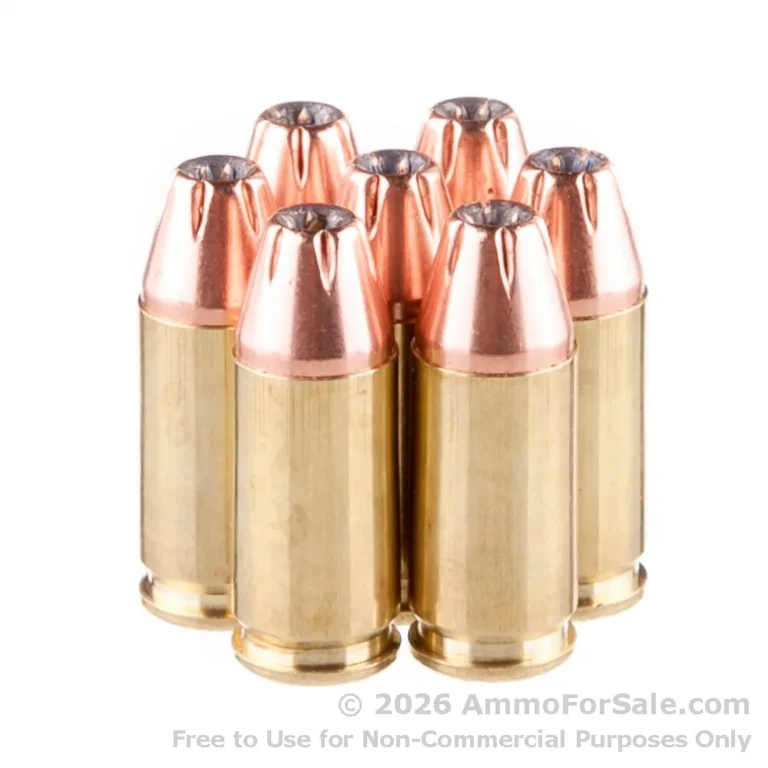
What Does +P Mean on Ammo?
You've probably seen "+P" stamped on boxes of ammunition and wondered what it actually means for your firearm. It's not just a random marking; it signifies a specific type of ammunition designed to perform differently from standard loads. Understanding these differences is crucial for both performance and safety.
In our research, we found that +P ammunition operates at higher pressures than its standard counterparts. This is a key distinction that affects how it performs and, more importantly, how it interacts with your firearm. According to Sporting Arms and Ammunition Manufacturers’ Institute (SAAMI) standards, +P loads have specific pressure limits that differentiate them from regular ammunition.
Quick Answer: It Means Higher Pressure
+P ammunition means it's loaded to higher pressure than standard loads. This gives it increased muzzle velocity and energy. However, it requires firearms specifically rated to handle these higher pressures safely.
Understanding +P Ammunition
+P ammunition is a designation for cartridges that are loaded to produce higher internal pressures than standard ammunition of the same caliber. Think of it as a "hotter" load. This isn't just a minor tweak; it's a deliberate increase in the propellant charge designed to achieve greater performance.
What High Pressure Actually Means
When we talk about higher pressure in +P ammo, we're referring to the internal ballistics inside the firearm's chamber and barrel when the cartridge is fired. Manufacturers test and define these pressure levels according to industry standards. These standards, like those set by SAAMI, provide a benchmark for what is considered safe operating pressure for various calibers and firearm types.
For instance, SAAMI pressure limits are established to ensure firearms can operate reliably and safely within defined parameters. This rigorous testing means that ammunition designated as +P has met specific, higher pressure thresholds.
Why +P Ammo Exists
The primary reason for developing +P ammunition is to offer enhanced performance for specific situations. This often translates to increased muzzle velocity and, consequently, greater muzzle energy. For law enforcement and self-defense scenarios, this can mean improved terminal ballistics, such as better penetration and expansion of the projectile.
It’s about squeezing more performance out of a given caliber when the situation demands it, without necessarily needing to move up to a larger, more powerful caliber.
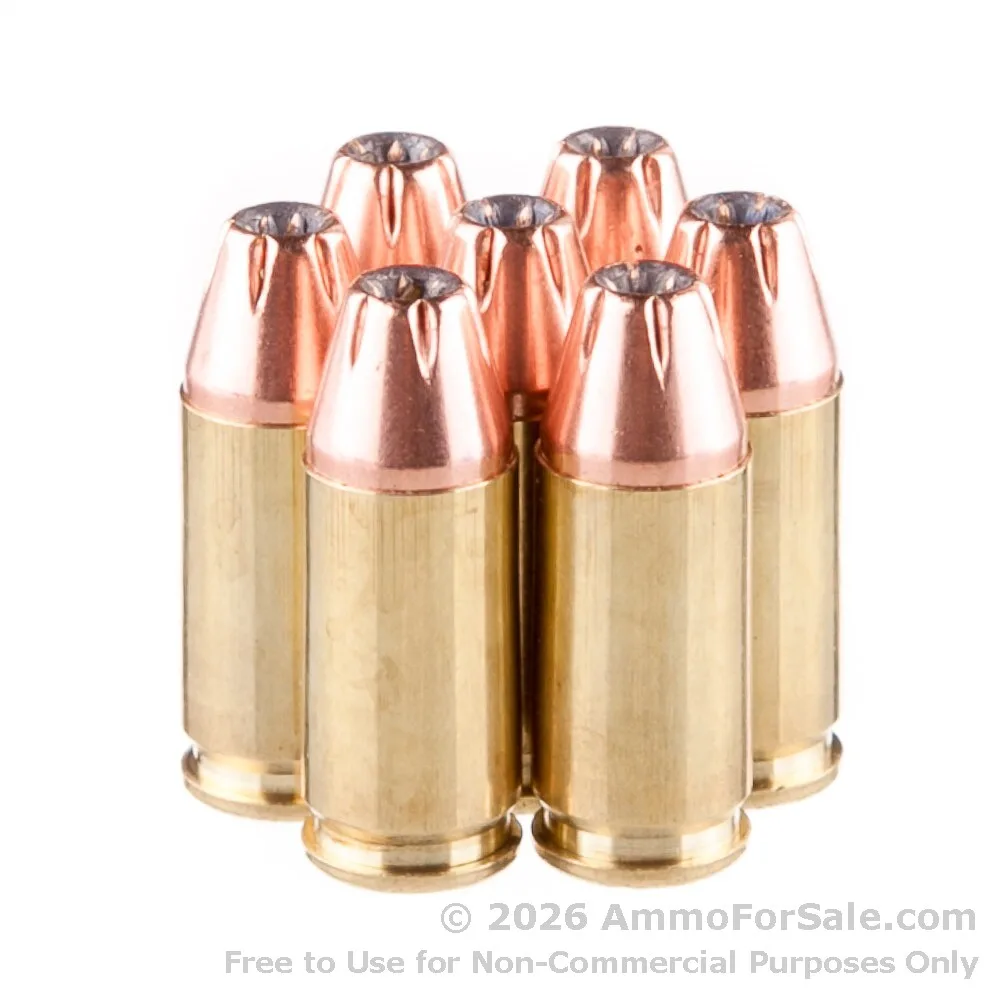
Image source: Bing (Web (fair-use with source credit))
The Risks of Using +P Ammunition
While +P ammunition offers potential performance benefits, it's not a universally safe choice for every firearm. The higher pressures involved mean there are significant risks if your gun isn't designed to handle them. Understanding these risks is paramount before you even consider using +P loads.
Firearm Compatibility: The Biggest Concern
Not all firearms are built to withstand the increased pressures generated by +P ammunition. This is the most critical factor to consider. If a firearm is not explicitly rated by the manufacturer to handle +P loads, using them can be dangerous.
Modern firearms chambered in common calibers are often designed with a margin of safety, but this margin isn't infinite. Exceeding a firearm's pressure limits can lead to catastrophic failure.
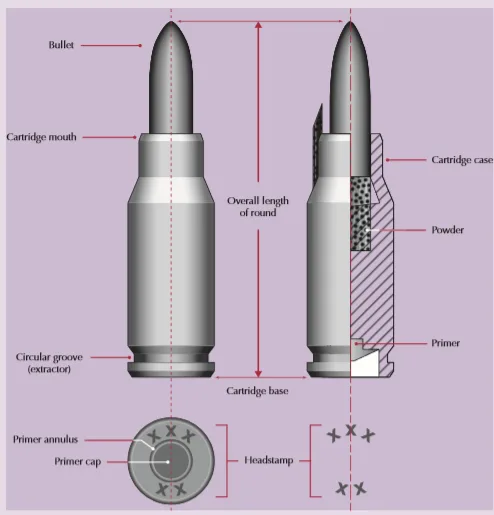
Image source: Bing (Web (fair-use with source credit))
When +P Can Damage Your Gun
Firing +P ammunition in a firearm not designed for it can cause damage ranging from accelerated wear to outright failure. The increased force can batter the firearm's components, including the barrel, frame, slide, and locking mechanisms. Over time, this can lead to premature wear, component fatigue, and potentially dangerous malfunctions.
In severe cases, this can result in damage to the firearm that renders it unsafe or unusable. Always consult your firearm's manual for manufacturer recommendations regarding +P ammunition.
Benefits: When +P Might Be Worth It
Despite the risks, there are legitimate reasons why +P ammunition exists and is used by many. For specific applications, the increased performance can be a significant advantage. It’s about choosing the right tool for the job, and sometimes that tool is a hotter round.
Enhanced Performance for Specific Tasks
For self-defense, the goal is often to neutralize a threat quickly and effectively. +P ammunition, with its higher velocity and energy, can contribute to this by improving projectile performance upon impact. This can translate to better penetration through barriers or more reliable expansion of hollow-point bullets, both of which are desirable traits in defensive ammunition. Law enforcement agencies, for example, often select +P loads for duty use due to these enhanced capabilities.
Increased Muzzle Energy and Stopping Power
The core benefit of +P ammunition lies in its increased muzzle energy. Energy is often correlated with the potential for a projectile to incapacitate a target. This means +P rounds can deliver more force upon impact compared to standard loads in the same caliber.
This additional power can be crucial in situations where stopping an immediate threat is the highest priority. The physics behind this are straightforward: more propellant means a faster-moving projectile, and a faster projectile carries more momentum and kinetic energy.
How to Safely Use +P Ammo
Using +P ammunition safely is non-negotiable. It requires understanding your firearm and adhering to established guidelines. The potential consequences of misuse are too severe to ignore.
Check Your Firearm's Manual First
The absolute first step before considering +P ammunition is to consult your firearm's owner's manual. Manufacturers will explicitly state whether their firearms are rated for +P loads. This information is critical and takes precedence over any general advice.
If the manual does not mention compatibility with +P, assume it is not rated for it. Some manuals might use specific language like "for standard pressure ammunition only" or provide a maximum pressure rating in PSI.
SAAMI Standards: What They Tell You
SAAMI (Sporting Arms and Ammunition Manufacturers’ Institute) sets voluntary industry standards for ammunition and firearm safety. When ammunition is labeled "+P", it means it has been loaded to meet or exceed SAAMI’s pressure specifications for those loads. For example, SAAMI has established pressure limits for common calibers like 9mm Luger and .38 Special.
A 9mm +P round, for instance, is designed to operate within a specific, higher pressure range defined by SAAMI, typically around 38,500 PSI, compared to standard 9mm Luger at 35,000 PSI.
+P vs. Standard Pressure Ammunition: What's the Real Difference?
The distinction between +P and standard pressure ammunition boils down to the forces involved when the cartridge is fired. While they might look identical and be chambered for the same caliber, their internal performance characteristics are quite different. This difference is not just academic; it has practical implications for your firearm.
A Look at the Numbers (Velocity and Energy)
Manufacturers often provide specifications for both standard and +P loads. You'll typically see higher muzzle velocity figures for +P rounds. For instance, a standard 115-grain 9mm Luger might have a muzzle velocity around 1,150 feet per second (FPS), while a +P version of the same load could reach 1,250 FPS or more.
This increased velocity directly translates to higher muzzle energy, meaning the bullet carries more force. This energy difference is what contributes to enhanced penetration and terminal ballistics often sought after in +P loads.
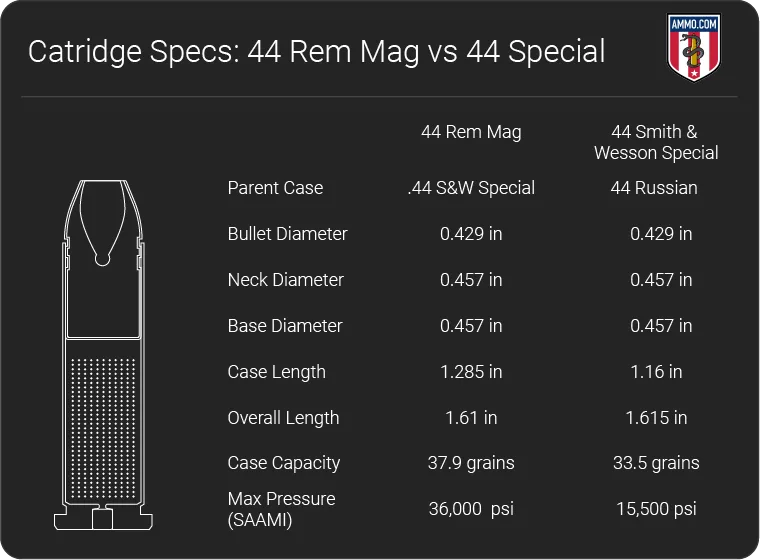
Image source: Bing (Web (fair-use with source credit))
Pressure is Key
The fundamental difference lies in the peak pressure generated within the firearm's chamber during firing. SAAMI sets these maximum average pressure (MAP) limits for different calibers. For a .38 Special cartridge, the SAAMI MAP is typically 17,000 PSI.
A .38 Special +P load, however, is designed to operate at a higher MAP, often around 20,000 PSI. This ~3,000 PSI increase is significant and is why firearm manufacturers must ensure their revolvers or pistols are specifically rated to handle these elevated pressures.
Who Should (and Shouldn't) Use +P Ammo
Deciding whether to use +P ammunition is about matching the load to your firearm and your intended purpose. It’s not a one-size-fits-all solution and requires careful consideration of both benefits and risks.
For Self-Defense and Law Enforcement
+P loads are often favored for personal defense and by law enforcement agencies. The primary reasons are enhanced terminal ballistics, such as improved bullet expansion and penetration. These factors can be critical in high-stakes incidents.
For example, a 124-grain 9mm Luger +P round might offer a slight edge in stopping power over a standard 115-grain load, which is why many duty ammunition choices are in the +P category. It’s about maximizing the effectiveness of a chosen caliber in critical situations.
Not for Every Gun or Every Shooter
However, +P ammunition is not suitable for every firearm or every shooter. Older firearms, or those not specifically designed with robust metallurgy and construction, may not handle the increased pressures safely. Furthermore, the increased recoil from +P rounds can be a deterrent for some shooters, potentially impacting accuracy and control, especially for less experienced individuals.
If your firearm is not rated for +P, using it is strongly discouraged due to the significant risk of damage or injury.
Common Mistakes When Dealing with +P
Many shooters make fundamental errors when it comes to +P ammunition, often stemming from a misunderstanding of its implications. Avoiding these common pitfalls is key to safe and effective use.
Assuming All Guns Can Handle It
The most dangerous mistake is assuming that any firearm chambered in a particular caliber can safely fire +P ammunition. This is simply not true. As discussed, manufacturers specify if their firearms are rated for +P loads.
Using +P in a gun not designed for it can lead to immediate damage or catastrophic failure. For instance, older .38 Special revolvers might not be built to withstand the pressures of modern +P .38 Special loads, leading to cylinder or frame damage.
Overlooking the Long-Term Effects
Another common error is not considering the long-term effects of shooting +P ammunition, even in a rated firearm. While a gun might be rated for +P, frequent use of these hotter loads can accelerate wear and tear on components. Springs can weaken faster, frame rails can see increased abrasion, and the overall lifespan of certain parts might be reduced compared to firing standard pressure ammunition.
This means more frequent maintenance or eventual replacement of parts might be necessary.
Frequently Asked Questions About +P
Here are some common questions people have when they encounter +P ammunition.
Can I shoot +P ammo through any gun?
No, you absolutely cannot shoot +P ammo through any gun chambered for that caliber. Only firearms explicitly rated by the manufacturer for +P ammunition can safely handle these higher-pressure rounds. Always check your firearm's manual.
What happens if I shoot +P in a non-rated gun?
Firing +P ammunition in a firearm not rated for it can cause significant damage. This can range from accelerated wear and stress on components to catastrophic failure, potentially leading to serious injury. It's a significant safety risk.
Is +P ammo legal?
Yes, +P ammunition is generally legal to own and use in areas where standard ammunition is legal. However, specific local or state laws might have restrictions on certain types of ammunition. Always be aware of the regulations in your jurisdiction.
How do I know if my gun is rated for +P?
The most reliable way to know if your gun is rated for +P ammunition is to check the firearm's owner's manual. Manufacturers often emboss markings on the firearm itself, such as "+P" or " +P Only," on the barrel or frame.
What's the difference between +P and +P+?
+P+ ammunition is loaded to even higher pressures than +P. However, +P+ is often a manufacturer-specific designation rather than a strict SAAMI standard, meaning pressure levels can vary more significantly and are generally considered to be at the upper limit of safe operating pressures. Use +P+ only in firearms explicitly stated by the manufacturer to handle it, which is rarer than +P ratings.