What Are the Different Types of Ammunition?
Understanding what are the different types of ammunition can feel like a puzzle at first. It’s not just about picking the right size; it's about knowing what each bullet is designed to do. Using the wrong type can be ineffective or even unsafe.
Our research looks at the core differences, intended uses, and practical implications of various ammunition types. We’ll break down what makes them unique so you can make informed decisions, whether you’re heading to the range or considering home defense.
Quick Answer
Different ammunition types vary by bullet design and intended use. Common types include Full Metal Jacket (FMJ) for target shooting, Jacketed Hollow Point (JHP) for self-defense, and Soft Point (SP) for hunting. Caliber, gauge, and bullet construction are key factors.
What Makes Ammunition Different? A Quick Look
Ammunition, often called ammo, is what gets fired from a gun. It’s made up of a casing, primer, propellant (gunpowder), and the projectile (bullet). The real differences come down to the bullet's construction and what it's meant to do when it hits a target.
For instance, manufacturer specifications for common 9mm Luger ammunition, as standardized by SAAMI (Sporting Arms and Ammunition Manufacturers' Institute), detail precise measurements for case dimensions and pressure limits. These standards ensure reliability across different firearms designed for that caliber.
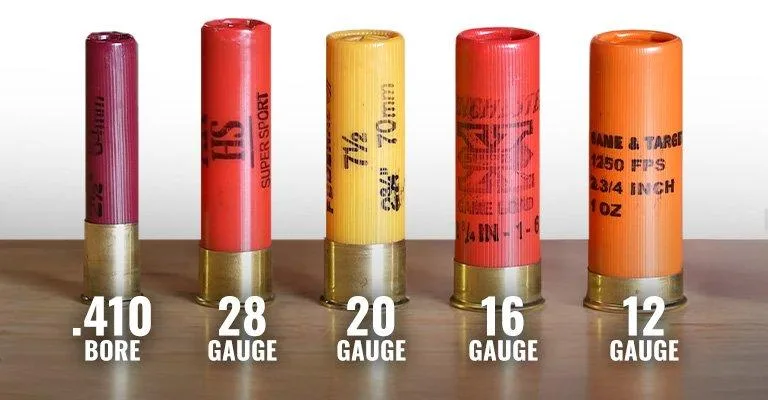
Image source: Bing (Web (fair-use with source credit))
Bullet Types: The Core of the Matter
The bullet itself is where most of the variation happens. Think of it as the business end of the cartridge. Its shape, material, and internal design determine how it performs.
Our research indicates that the primary distinctions between ammunition types revolve around the bullet's core and jacket.
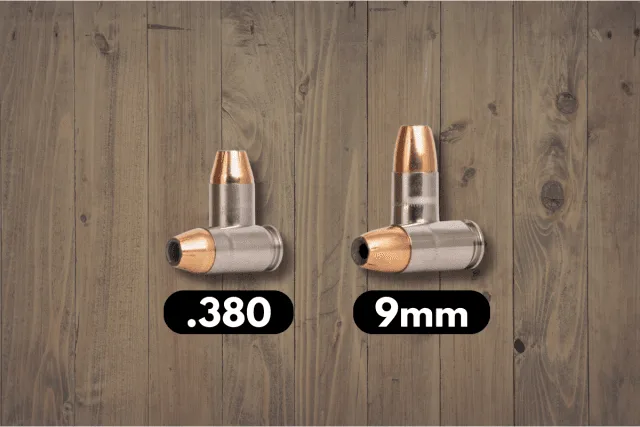
Image source: Bing (Web (fair-use with source credit))
Features & Attributes: What's Under the Hood
Bullet design dictates performance. A common characteristic is the presence of a soft lead core, often encased in a harder metal jacket. The type of jacket and whether the core is exposed or has a cavity at the tip are critical design elements.
These features are engineered to control how the bullet behaves upon impact. For example, a jacketed hollow point is designed to expand significantly.
Ammunition for Every Purpose: Use Cases & Who Needs What
The variety in ammunition exists because different situations call for different tools. You wouldn't use a screwdriver for hammering, and similarly, the best ammo for target practice isn't always ideal for hunting. Understanding these use cases helps you select the most appropriate and effective option.
Target Practice & Training: Reliable & Economical Choices
For most people heading to a shooting range, the goal is practice, training, or simply enjoying the sport of shooting. This means ammunition that is reliable, consistent, and affordable is usually the top priority. Aggregate reviews from shooting enthusiasts and instructors consistently point to Full Metal Jacket (FMJ) ammunition as the go-to for these activities.
Its straightforward design makes it dependable, and its widespread production keeps costs down.
- Reliability: FMJ bullets have a full metal jacket encasing the lead core, which helps prevent the bullet from deforming inside the firearm’s barrel. This consistent performance is key for practice.
- Cost-effectiveness: Due to simpler manufacturing and high production volumes, FMJ rounds are typically less expensive than other specialized types. This makes extended range sessions more feasible.
- Barrel wear: The metal jacket helps reduce lead fouling in the barrel compared to unjacketed lead bullets, contributing to longer firearm life and less frequent deep cleaning.
Self-Defense: Prioritizing Safety & Effectiveness
When considering ammunition for self-defense, the priorities shift significantly. Effectiveness in stopping a threat is paramount, but so is safety for the user and innocent bystanders. This often leads to a preference for Jacketed Hollow Point (JHP) ammunition.
Manufacturer specifications for JHP rounds are designed to promote controlled expansion.
JHP bullets have a hollow cavity in the nose. Upon impact with soft tissue, this cavity allows the bullet to mushroom outward. This expansion creates a wider wound channel, which is intended to maximize energy transfer to the target and minimize the risk of over-penetration, where a bullet passes completely through a target and could potentially hit someone or something behind it.
This is a critical consideration in defensive scenarios.
Hunting: Matching Ammo to Game
Hunting requires ammunition that can humanely and effectively dispatch game. The type of ammunition depends heavily on the size of the animal being hunted and the regulations in the area. Soft Point (SP) or Jacketed Hollow Point (JHP) bullets are commonly recommended by wildlife agencies and hunting safety courses for their controlled expansion characteristics.
- Controlled Expansion: Soft point bullets have an exposed lead tip. When they strike tissue, the lead deforms, creating a larger diameter. This helps ensure adequate energy transfer for a quick, ethical kill.
- Penetration and Expansion Balance: SP and JHP designs aim to strike a balance: enough penetration to reach vital organs, coupled with sufficient expansion to create a significant wound channel without disintegrating. This is crucial for game animals.
- Varmint Hunting: For smaller pests, frangible ammunition might be considered if shooting at steel targets to prevent ricochets, but for ethical varmint hunting, expanding bullets are generally preferred for a quick humane termination.
Comparing Ammunition Options: What to Weigh
Choosing the right ammunition is about matching its capabilities to your specific needs. When comparing options like Full Metal Jacket (FMJ) and Jacketed Hollow Point (JHP), several factors come into play, primarily centered on intended use and performance characteristics. Manufacturer specifications from organizations like SAAMI provide essential data, but understanding the practical differences is key.
| Feature / Type | Full Metal Jacket (FMJ) | Jacketed Hollow Point (JHP) | Best For |
|---|---|---|---|
| Bullet Design | Lead core fully encased in a metal jacket. | Lead core with a hollow cavity in the tip. | Consistency, penetration |
| Performance | Deep penetration, less expansion. | Expands on impact, creating a wider wound channel. | Defensive scenarios, hunting |
| Cost | Generally more affordable. | Typically more expensive. | Budget-conscious shooting |
| Over-penetration | Higher risk compared to JHP. | Lower risk due to controlled expansion. | Home defense, environments with bystanders |
| Barrel Fouling | Minimal lead fouling. | Minimal lead fouling. | General firearm maintenance |
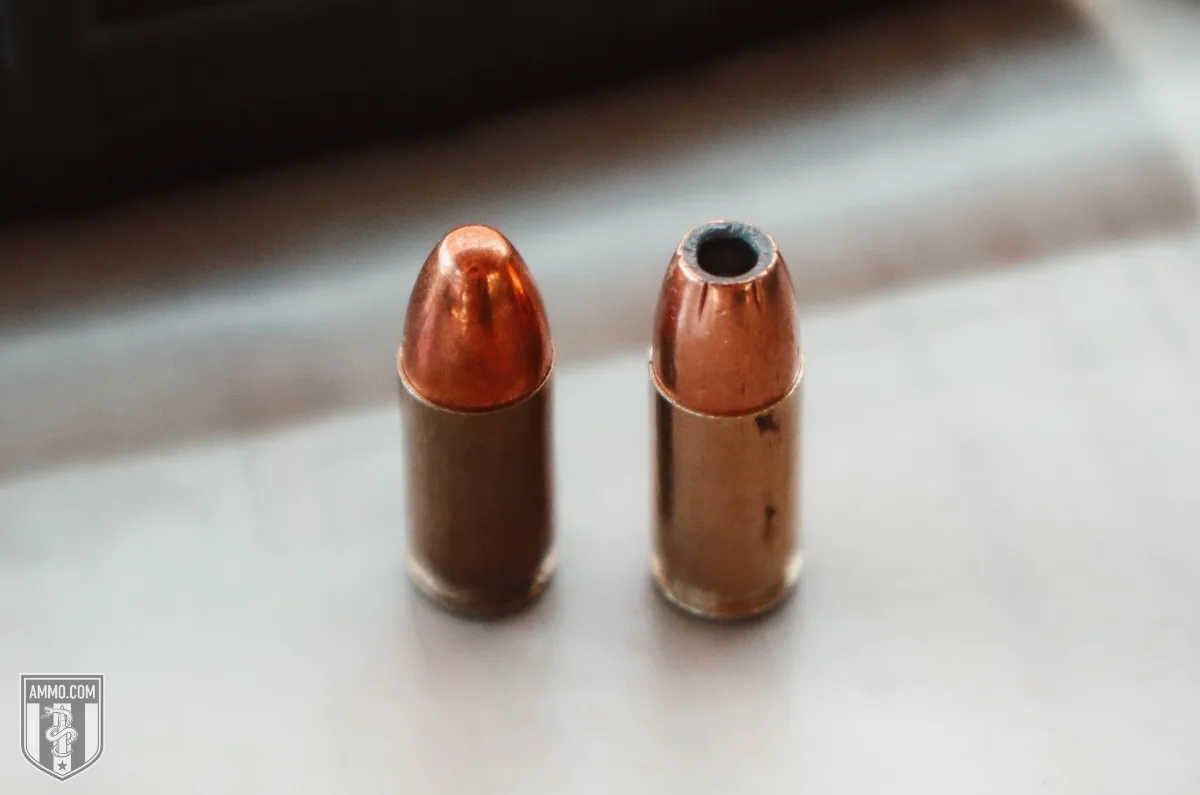
Image source: Bing (Web (fair-use with source credit))
Full Metal Jacket (FMJ) vs. Jacketed Hollow Point (JHP)
FMJ is your workhorse for practice and general shooting. It's designed for reliable feeding and firing, with a jacket that protects the lead core and reduces barrel fouling. This makes it a cost-effective choice for high-volume shooting.
However, its tendency to penetrate deeply means it’s generally not recommended for self-defense where over-penetration is a concern.
JHP, on the other hand, is engineered for defensive applications. The hollow tip is designed to expand upon striking soft tissue, like that of a human threat. This expansion increases the bullet's diameter, creating a larger wound cavity and absorbing more energy.
This design aims to incapacitate a threat more effectively while reducing the chance of the projectile passing through the target and posing a risk to others.
Other Key Bullet Designs: Soft Point, Boat Tail, Frangible & More
Beyond FMJ and JHP, ammunition manufacturers offer several other specialized designs. Soft Point (SP) bullets are common in hunting cartridges. They feature a lead core that’s exposed at the tip, allowing for controlled expansion when hitting game, balancing penetration with wound channel creation.
Full Metal Jacket Boat Tail (FMJ-BT) bullets are often used in precision rifle shooting; the tapered boat-tail base improves aerodynamics for flatter trajectories over long distances. Frangible ammunition is made from compressed powdered metal, designed to break apart into tiny fragments upon hitting hard surfaces, minimizing ricochet risks and making it suitable for indoor ranges or training scenarios involving steel targets. Armor-Piercing (AP) rounds, featuring hardened cores, are designed for military use and are highly restricted for civilian ownership.
As of 2026, understanding these specific designs is crucial for selecting appropriate ammunition.
Common Mistakes When Choosing Ammunition
It's easy to get overwhelmed by the sheer variety of ammunition available. Because of this, people sometimes make choices that aren't ideal for their situation, leading to poor performance, wasted money, or even safety issues. Our research shows a few common pitfalls that firearm owners often encounter.
Overlooking Caliber & Gauge
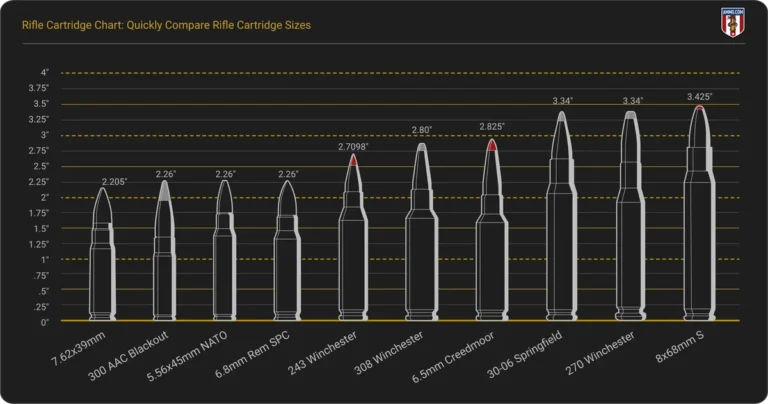
This is perhaps the most fundamental mistake. Ammunition is specific to the firearm it’s designed for. A 9mm bullet will not fit in a .45 ACP handgun, and a .22 Long Rifle cartridge won't chamber in a rifle designed for .308 Winchester.
You must match the ammunition caliber or gauge exactly to your firearm. Using the wrong size can damage the gun, cause misfires, or result in a dangerous situation. Always check your firearm’s markings or manual to confirm the correct caliber.
Ignoring Intended Use
Another frequent error is selecting ammunition based solely on price or availability without considering its intended purpose. For example, using standard Full Metal Jacket (FMJ) ammunition for home defense might increase the risk of over-penetration, which is a significant safety concern in a residential environment. Conversely, using highly specialized, expensive self-defense rounds for casual plinking at the range is usually unnecessary and uneconomical.
The performance characteristics of each bullet type are engineered for specific outcomes, so matching the ammo to the task, whether it's target practice, hunting, or defense, is critical for both effectiveness and safety.
Safety First: Ammunition Handling & Regulations
Handling ammunition safely is non-negotiable. Like firearms themselves, ammunition demands respect and careful attention. While specific regulations can vary by location, certain universal safety principles and legal considerations always apply.
Always store ammunition in a cool, dry place, away from heat and direct sunlight, and out of reach of children and unauthorized individuals.
When it comes to legal restrictions, certain types of ammunition are heavily regulated or prohibited for civilian ownership. Armor-Piercing (AP) rounds, for example, are typically restricted due to their military applications. It's your responsibility to be aware of and comply with all federal, state, and local laws regarding ammunition purchases, possession, and use.
Organizations like the Sporting Arms and Ammunition Manufacturers' Institute (SAAMI) publish voluntary industry standards that promote safety and interchangeability.
Frequently Asked Questions About Ammunition Types
What’s the difference between a bullet and ammunition?
A bullet is just the projectile itself, the part that leaves the barrel. Ammunition, or a cartridge, is the complete unit containing the bullet, casing, primer, and propellant (gunpowder).
Can I use any type of ammunition in my gun?
No, you must use ammunition that exactly matches your firearm's caliber or gauge. Using the wrong type can cause damage or be very dangerous. Always check your firearm's specifications.
Is FMJ ammo bad for self-defense?
While FMJ is reliable and affordable for practice, it’s generally not recommended for self-defense because it tends to penetrate deeply, increasing the risk of over-penetration. Jacketed Hollow Point (JHP) rounds are usually preferred for their controlled expansion and reduced over-penetration.
What’s the best ammo for hunting?
The best hunting ammo depends on the game. Soft Point (SP) or Jacketed Hollow Point (JHP) bullets are common choices because they expand on impact, creating a significant wound channel for humane takedowns. Always ensure your chosen ammunition is appropriate for the size of the game and local regulations.
Is there ammo that won't over-penetrate?
Yes, Jacketed Hollow Point (JHP) ammunition is specifically designed to expand upon impact, which helps it stop within the target rather than passing through. Frangible ammunition also breaks apart, minimizing over-penetration, but it's not suitable for defense or hunting.
Where can I find reliable information about ammunition?
Always refer to your firearm's owner's manual for recommended calibers. Official organizations like the Sporting Arms and Ammunition Manufacturers' Institute (SAAMI) provide industry standards, and reputable firearm instructors can offer valuable guidance.
By making informed decisions about your ammunition, you enhance both your shooting experience and your overall safety. This focus on informed selection is key to responsible firearm ownership. Always prioritize safety and consult with qualified professionals when in doubt.
Your diligence in understanding these aspects will contribute to proficient and secure firearm use.