How Should Bulk Ammunition Be Stored?
Bulk ammunition storage requires a careful approach, blending safety protocols with environmental controls to preserve its integrity. Improper storage can lead to degradation, misfires, and serious safety hazards. Understanding how to store large quantities effectively is key for responsible firearm ownership, whether for sport, self-defense, or preparedness.
Our research and analysis of manufacturer specifications indicate that maintaining stable, dry conditions is paramount. According to standards set by organizations like the Sporting Arms and Ammunition Manufacturers' Institute (SAAMI), ammunition performance is directly tied to its environmental exposure. This guide outlines the essential steps and considerations for storing bulk ammunition correctly.
Why Ammo Storage Safety is Non-Negotiable
Storing ammunition, especially in bulk, isn't just about keeping it organized; it's a critical safety imperative. Mistakes here can have severe consequences, ranging from compromised ammunition performance when you need it most to significant fire risks and the potential for accidental discharges. The SAAMI guidelines for ammunition storage highlight the need for controlled environments to prevent premature degradation and ensure user safety.
Neglecting these basics can turn a valuable resource into a hazard.
The Real Risks of Improper Storage
When ammunition isn't stored correctly, several problems can arise. Moisture is a primary enemy, leading to corrosion on casings and primers, and potentially damaging the propellant. Extreme temperature fluctuations can also degrade the powder, affecting burn rates and consistency.
Beyond performance issues, improperly stored ammunition can become unstable, posing a fire risk, especially if stored near ignition sources or in uncontrolled humidity.
- Corrosion: Rust and oxidation on casings and primers.
- Powder Degradation: Reduced effectiveness and inconsistent ignition.
- Primer Instability: Increased risk of accidental ignition.
- Fire Hazard: Ammunition can accelerate fires or detonate.
- Security Risks: Unsecured ammo can fall into the wrong hands.
The Core Principles of Ammunition Preservation
The fundamental goal when storing bulk ammunition is to mimic the conditions under which it was manufactured and intended to be stored long-term: stable, dry, and secure. This involves controlling the immediate environment where the ammunition is housed. Adhering to these principles ensures that your ammunition remains reliable and safe for use, even after extended periods.
Keeping it Cool, Dry, and Stable
Consistent temperature and low humidity are the cornerstones of effective ammunition storage. According to manufacturer specifications, ideal storage temperatures are typically between 50°F and 70°F (10°C to 21°C), with humidity ideally below 50%. Avoiding rapid temperature shifts is as important as maintaining a cool environment, as these can lead to condensation buildup within containers.
The Battle Against Moisture and Temperature
Uncontrolled environments, such as garages or attics, are prime culprits for introducing moisture and temperature extremes. These uncontrolled variables can significantly shorten the lifespan of your ammunition and compromise its safety. Manufacturers often package ammunition with this in mind, but for bulk storage, proactive measures are necessary.
Essential Gear for Secure Ammo Storage
To effectively store bulk ammunition, you'll need more than just a spare shelf. The right containers and accessories play a vital role in protecting your investment from environmental factors and ensuring safety. These items create a controlled micro-environment for your cartridges.
Choosing the Right Containers
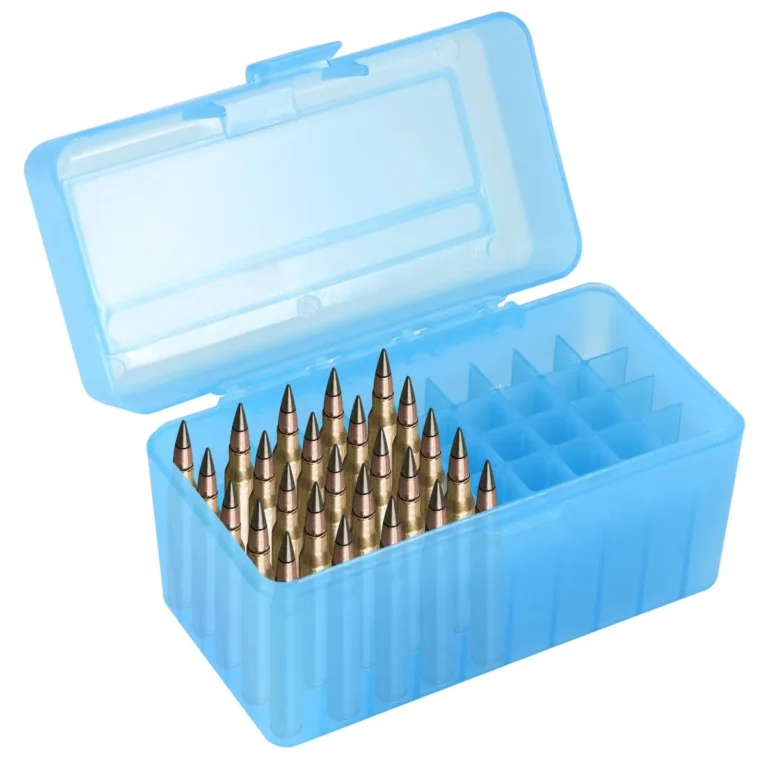
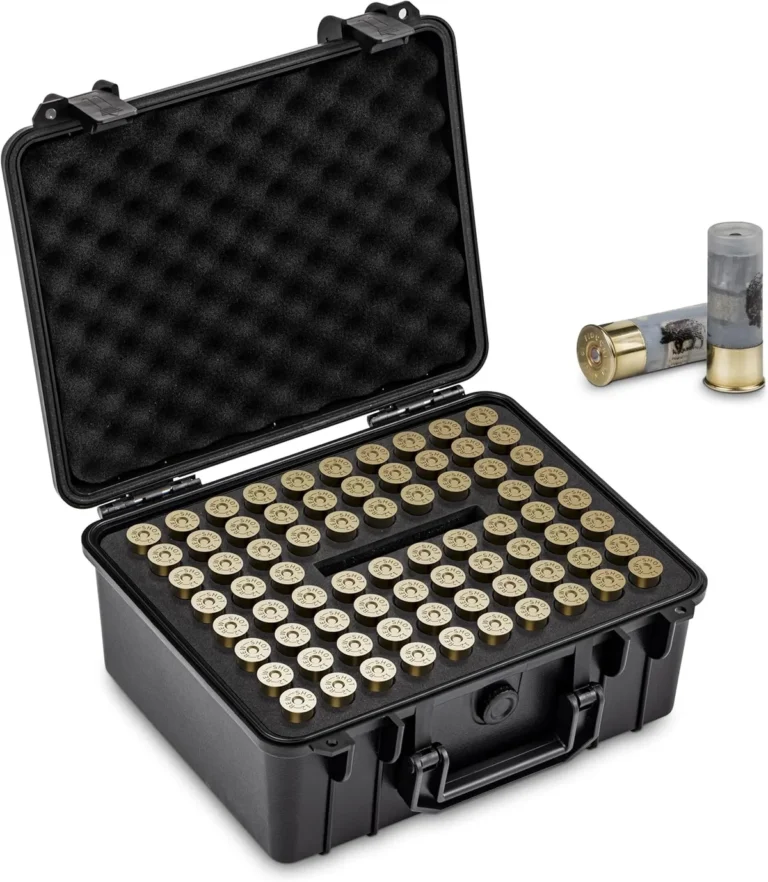
Airtight and water-resistant containers are essential. The classic metal ammunition cans, often called "ammo cans," are a popular choice due to their durability and often rubber-gasketed lids, which provide a good seal. Alternatively, sturdy, gasketed plastic storage bins offer a lighter, often more affordable, option.
The key is a lid that seals tightly to keep out moisture and pests.
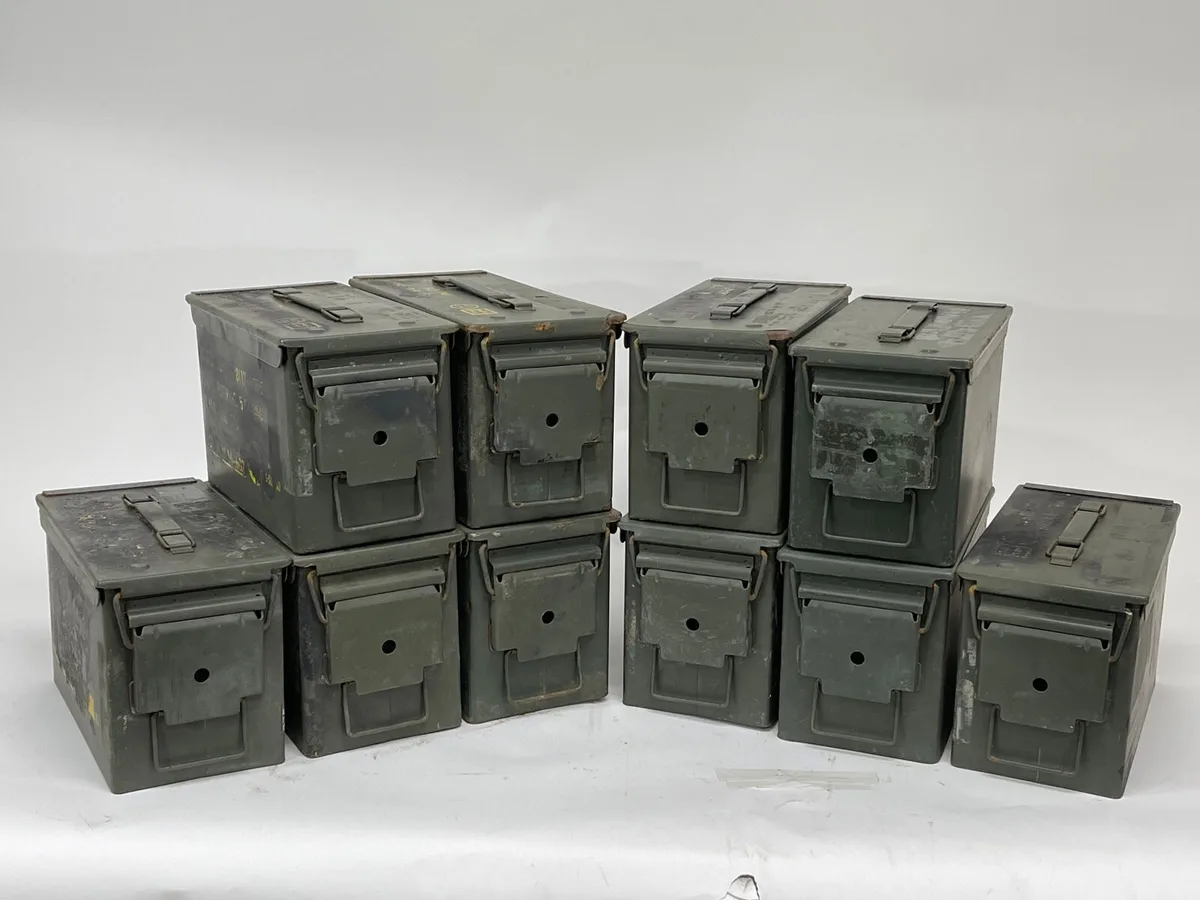
Image source: Bing (Web (fair-use with source credit))
Essential Accessories: Desiccants and Seals
Even with a good container, additional moisture control is often necessary, especially in humid climates. Desiccants, such as silica gel packets, are crucial for absorbing residual moisture within the container. These should be placed inside the sealed containers to actively manage humidity.
Ensuring the container's gasket is in good condition is also vital for maintaining that airtight seal.

Image source: Bing (Web (fair-use with source credit))
Practical Steps for Bulk Ammunition Storage
Implementing a solid storage plan involves careful preparation and execution. Following these steps will help you create a safe and effective long-term storage solution for your bulk ammunition.
Step-by-Step Organization and Packing
- Inspect Ammunition: Before storing, visually inspect all ammunition for any signs of corrosion, damage, or unusual appearance. Discard any suspect rounds.
- Select Containers: Choose airtight, durable containers like ammo cans or gasketed plastic bins.
- Add Desiccants: Place silica gel packets or other desiccants inside the containers. A common recommendation is one large pack per 50-caliber ammo can or equivalent volume.
- Pack Ammunition: Place the ammunition (ideally in its original packaging or sturdy boxes) into the containers. Avoid over-packing, which can damage rounds or prevent a good seal.
- Seal Containers: Ensure the lids are securely closed and latched. Check that the gaskets are properly seated.
Securing Your Stored Ammunition
Security is paramount. Ammunition should always be stored in a location inaccessible to unauthorized individuals, particularly children. This means locking containers, using a dedicated gun safe, or storing them in a secure room.
The goal is to prevent accidental access or theft, which could lead to tragic consequences.
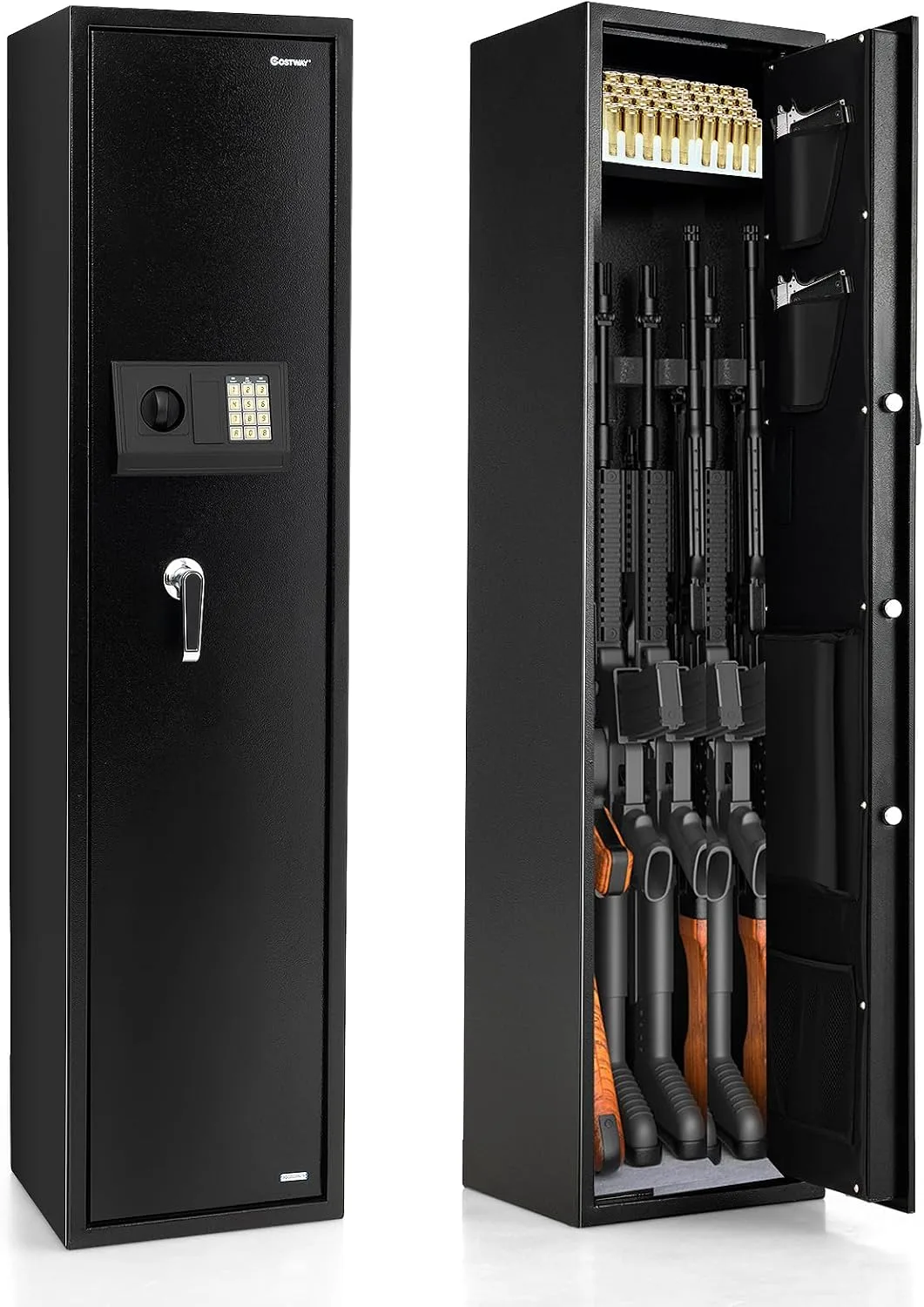
Image source: Bing (Web (fair-use with source credit))
Common Mistakes That Ruin Ammo (And Are Dangerous)
Many enthusiasts make common errors when storing bulk ammunition, compromising its longevity and safety. Understanding these pitfalls is just as important as knowing the correct methods. Avoiding them is crucial for preserving your ammunition and ensuring a safe environment.
- Storing in Damp Environments: Basements or garages prone to high humidity are notorious for causing corrosion and degradation.
- Exposure to Sunlight: Direct sunlight can heat ammunition and break down propellants over time, reducing effectiveness.
- Temperature Swings: Frequent and drastic changes in temperature promote condensation within storage containers.
- Using Unsealed Containers: Any container that doesn't offer a robust, airtight seal will allow moisture to penetrate.
- Storing Near Heat Sources: Keeping ammunition close to furnaces, water heaters, or other heat-generating appliances is a significant fire risk.
- Inadequate Security: Leaving ammunition accessible to children or unauthorized persons is a severe safety oversight.
What NOT to Do With Your Bulk Ammo
Never store ammunition in places with significant temperature flux, like an uninsulated attic or shed. Avoid keeping it in its original cardboard boxes for long-term bulk storage if those boxes are not inside a more robust, sealed container. Do not store ammunition in areas where it could be easily knocked over or damaged.
Always ensure there are no ignition sources nearby, such as pilot lights or electrical sparking points.
Real-World Ammo Storage Scenarios
Understanding how these principles apply in practice can help you tailor your storage to your specific needs. Whether you're a recreational shooter, a hunter, or focused on preparedness, there's a practical approach to bulk ammo storage. These scenarios illustrate how to adapt the core rules to different situations.
Examples for Different Needs
For a prepper, long-term stability is the primary concern, often involving larger quantities stored in a dedicated, climate-controlled bunker or basement. This might involve investing in robust, industrial-grade dehumidifiers and robust security measures. For a hunter who buys in bulk seasonally, the focus might be on ensuring ammo remains protected from field conditions during transport and that seasonal storage in a home environment is optimized.
Recreational shooters might prioritize ease of access while still maintaining proper environmental controls for their collection.
The common thread across all these scenarios is the unwavering commitment to keeping ammunition in a stable, dry environment, secured against unauthorized access, and free from environmental stressors like extreme heat or direct sunlight. As of 2026, the best practices remain consistent across various applications.
Frequently Asked Questions About Ammunition Storage
How long can ammunition be stored safely?
With proper storage, most modern ammunition can remain viable for decades, often 20 years or more. Factors like storage temperature, humidity levels, and the quality of the ammunition itself play significant roles. Exposure to extreme conditions can dramatically shorten its effective lifespan.
Is it safe to store ammo in plastic containers?
Yes, it can be safe if the plastic containers are robust, gasketed, and create an airtight seal. These help protect against moisture and pests. However, they should be stored in a stable temperature environment, as plastic can be more susceptible to temperature fluctuations than metal ammo cans.
What is the ideal humidity level for storing ammunition?
Ideal humidity for ammunition storage is generally considered to be below 50% relative humidity. Higher humidity levels increase the risk of corrosion and can degrade the propellant over time. Using desiccants is crucial in environments where humidity control is difficult.
Should I remove ammo from its original box for storage?
For bulk storage, it's often best to keep ammunition in its original packaging within a larger, sealed container. The original boxes provide some protection. Removing ammo from its packaging can expose it to more handling and potential environmental damage if not immediately placed into a proper secondary container like an ammo can.
Can ammunition be stored in my regular house?
Storing ammunition in a climate-controlled part of your house, like an interior closet or basement, is generally acceptable and often preferred for stability. The critical factor is ensuring it's stored securely, away from heat sources, and inaccessible to children or unauthorized individuals.
A Final Word on Safe and Sound Ammunition Storage
Effectively storing bulk ammunition boils down to diligence and adherence to fundamental principles. By focusing on a cool, dry, and stable environment, utilizing appropriate sealed containers, and prioritizing security, you ensure your ammunition's reliability and safety for years to come. These practices are not merely recommendations but essential components of responsible firearm ownership.