Can You Mix Different Ammo Brands?
Have you ever found yourself with a few rounds of one ammo brand left in your box and a few of another, wondering if it's okay to mix them? It’s a common scenario, especially if you're trying to finish off a supply or simply keep your firearm fed during a range session. The answer isn't a simple yes or no, as mixing ammunition brands can introduce variables that affect your firearm's performance and safety.
In our research, we've found that while mixing is often technically possible for standard calibers, it’s not always advisable, especially for critical applications. Different manufacturers adhere to certain standards, but subtle variations can exist. Per industry standards, dimensions for common calibers are well-defined, but pressure and performance can still differ.
Let's explore the nuances and what you need to consider.
Quick Answer: Yes, But With Important Warnings
For common calibers, you can often mix different ammo brands. However, this is not recommended for self-defense or critical use. Mixing can lead to inconsistent accuracy, feeding problems, or pressure variations.
Always test each brand separately first.
Why Mixing Ammo Can Be Risky: Pressure, Performance, and Your Firearm
When you load a magazine with ammunition from different brands, you're asking your firearm to perform consistently with slightly different materials and propellants. This can be a gamble. The core issue lies in the fact that while manufacturers generally follow industry-standard dimensions for calibers like 9mm Luger or .223 Remington, the exact internal ballistics can vary.
These variations can manifest as differences in chamber pressure generated when the round is fired. Some rounds might produce more pressure than others, potentially stressing your firearm over time or even causing immediate issues if the difference is significant. Aggregate reviews from shooting enthusiasts and gunsmiths often cite inconsistent cycling and pressure as primary concerns when mixing unknown ammunition types.
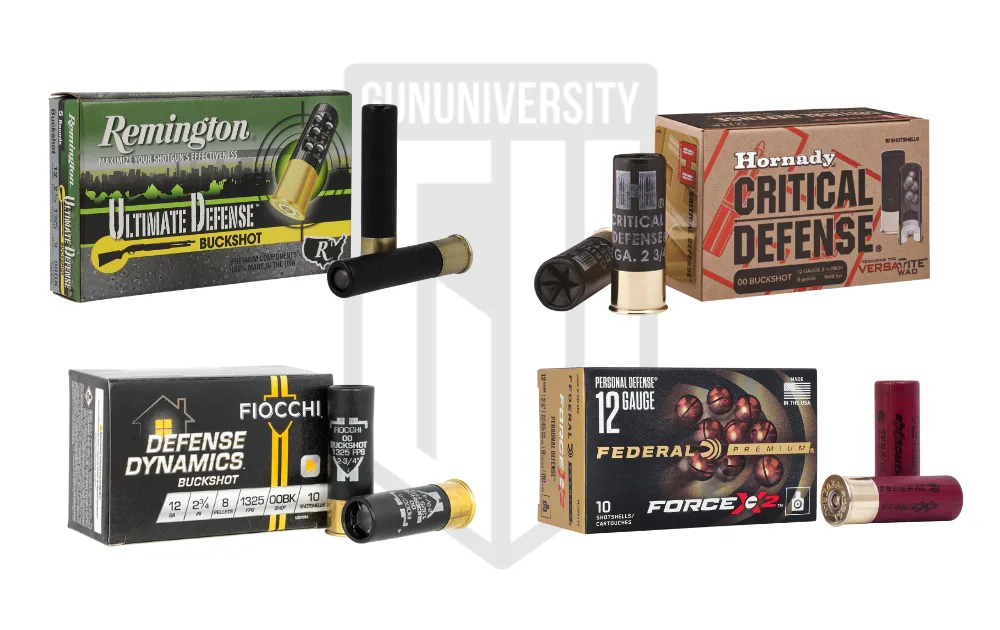
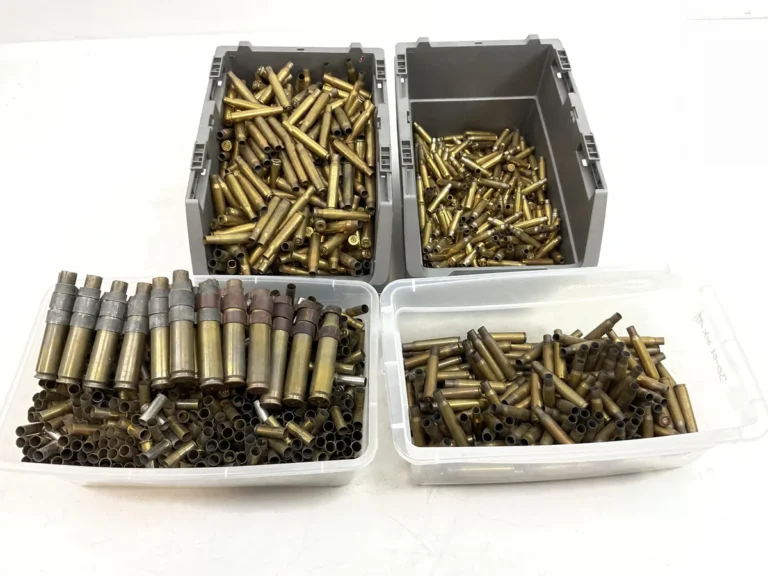
Image source: Bing (Web (fair-use with source credit))
Understanding Ammunition Variables: Pressure, Primers, and Bullets
Ammunition isn't just a simple metal tube filled with powder. Each component plays a role, and variations between brands mean these roles can be played slightly differently.
- Chamber Pressure: This is the force generated inside the firearm's chamber when the propellant ignites. Different powder types, amounts, and burn rates can cause this pressure to fluctuate. A higher-than-expected pressure can strain your firearm's components. Per SAAMI (Sporting Arms and Ammunition Manufacturers' Institute) specifications, there are established maximum average pressure limits for each caliber, but individual loads from different manufacturers can hit closer to or further from these limits.
- Primer Sensitivity: The primer is a small, sensitive component that ignites the main powder charge. Some primers are designed to be more sensitive to the firing pin strike than others. Mixing brands could lead to inconsistent ignition, some rounds may fire instantly, while others might hesitate or fail to fire altogether.
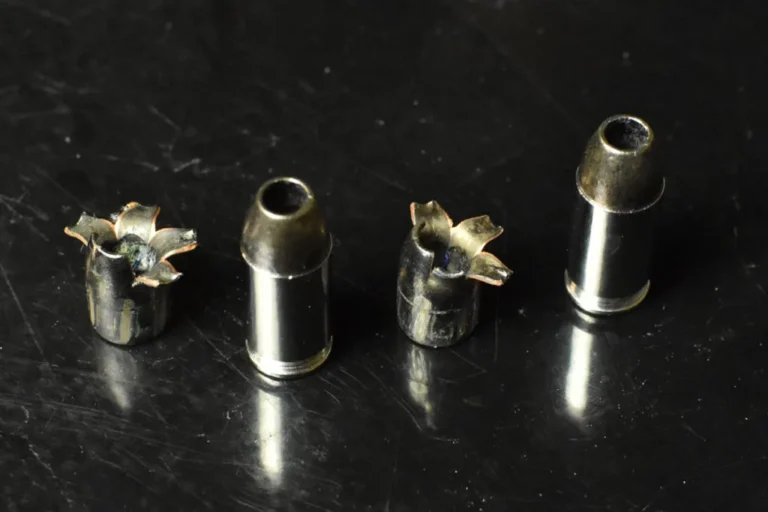
- Bullet Consistency: The projectile itself, the bullet, can vary in weight, material composition (like lead core vs. solid copper), and jacket thickness or type. These factors influence how the bullet travels through the barrel and its terminal ballistics, impacting both accuracy and how reliably it feeds and extracts.
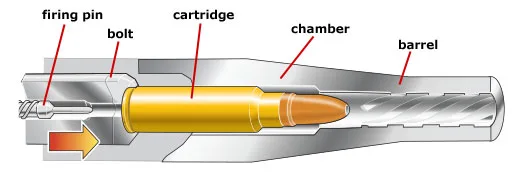
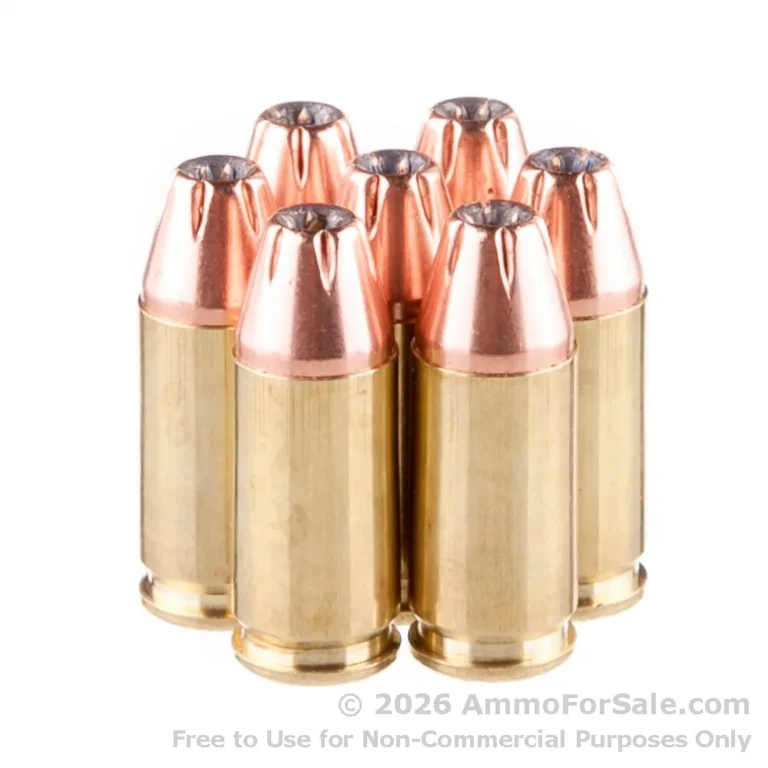
Image source: Bing (Web (fair-use with source credit))
When Can You Get Away With Mixing Ammo Brands?
For most casual shooting scenarios, mixing ammunition brands within the same caliber is often feasible, but it’s crucial to understand the context. If you're heading to the range for some plinking or general target practice, and you have a few rounds of Brand A and a few of Brand B of the same caliber, you can likely mix them in your magazine. The key here is that the consequences of minor performance variations are usually low.
You might notice slight differences in accuracy or recoil, but it's unlikely to cause a dangerous malfunction in a well-maintained, standard firearm. Manufacturer specifications for common calibers often indicate a broad compatibility, assuming standard pressure limits are met. This is where the term "common caliber" is important; specialized or antique firearms might have different tolerances.
Practice vs. Critical Use: Different Scenarios, Different Rules
The distinction between practice and critical use is paramount when considering whether to mix ammunition. For practice, where the goal is often simply to shoot and become familiar with your firearm, minor inconsistencies might be acceptable. You might experience slightly less precise groups on paper, or a different feel in recoil, but the risk is generally minimal.
However, for self-defense or hunting scenarios, reliability is non-negotiable. You need every round to function exactly as intended. Introducing mixed brands means introducing variables you can't fully control.
A round that fails to feed or extract in a self-defense situation could have dire consequences. Aggregate user reports and gunsmith advice consistently emphasize using a single, proven ammunition type for defense or hunting to ensure predictable performance.

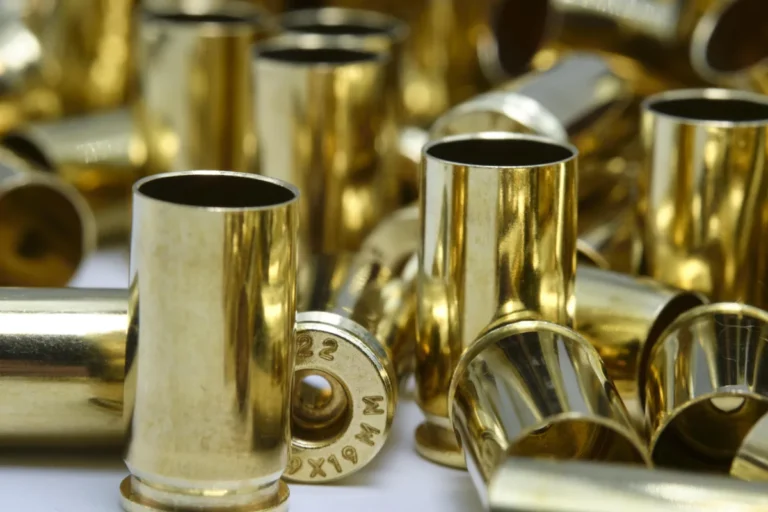
Image source: Bing (Web (fair-use with source credit))
How to Safely Mix Ammunition (If You Must)
If you find yourself in a situation where mixing ammunition brands is necessary, taking a careful, methodical approach is vital. This isn't about simply dumping all your assorted rounds into a magazine; it’s about minimizing potential risks through informed steps. As of 2026, these practices remain the standard for responsible shooters.
Testing Each Brand First
Before you even think about mixing, you must ensure that each individual brand you plan to combine is known to function reliably in your specific firearm. This means taking out a representative sample of each brand and firing them separately.
- Fire several rounds of Brand A. Observe how your firearm cycles. Check for proper feeding, extraction, and ejection. Note any anomalies in accuracy or recoil.
- Repeat with Brand B. Do the exact same testing with the other brand. Confirm it also functions flawlessly.
This initial step is crucial. If either brand exhibits issues on its own, do not attempt to mix them.
Observing Your Firearm's Behavior
Once you've confirmed both brands function independently, you can proceed to mix them, but with extreme caution. Load your magazine with a mix of the tested brands, but don't load it to full capacity initially.
- Load a partial magazine. Start with just a few rounds to see how the firearm handles the transition between different brands.
- Fire slowly and deliberately. Pay close attention to every shot. Listen for unusual sounds, feel for any changes in recoil, and observe the ejection pattern of spent casings.
- Inspect the firearm. After firing a few mixed rounds, check the chamber and action for any signs of malfunction or abnormal wear.
If you encounter any feeding issues, extraction problems, or other anomalies, stop immediately. This observation phase is your primary defense against potential malfunctions.
Common Mistakes When Mixing Ammunition
Even with careful observation, shooters sometimes overlook subtle issues when mixing ammunition brands. One common pitfall is assuming that because a firearm can fire mixed ammo, it will perform optimally. This is rarely the case.
- Ignoring Accuracy Degradation: Shooters might accept slightly worse groups, not realizing this is a symptom of inconsistent bullet performance from varying loads. Over time, this can hinder skill development.
- Overlooking Extractor/Ejector Stress: While a round might extract, a casing that expanded differently due to varied pressure can put extra strain on your firearm's extractor and ejector mechanisms. This might not cause an immediate failure but can lead to premature wear.
Ammunition to Never Mix
Certain types of ammunition should always be kept separate and never mixed with factory loads or each other. These items often fall outside standard manufacturing tolerances or have unique performance characteristics that make them incompatible with a mixed-use approach.
- Reloaded or Re-manufactured Ammunition: Unless you personally reloaded the ammunition and have precise data on its specifications, it should not be mixed with factory loads. These can vary wildly in pressure and consistency. Manufacturer specifications for commercial loads are designed with tight tolerances, which reloaded rounds may not meet.
- Antique or Obsolete Ammunition: Older ammunition types or calibers designed for firearms with different metallurgy and safety standards should not be used in modern firearms, nor should they be mixed with current production rounds. These can be unpredictable and unsafe.
When to Stick to One Brand and Load
For any scenario where peak performance and absolute reliability are critical, sticking to a single, well-tested brand and specific load is the safest bet. This approach removes numerous variables that can impact your success and safety.
- Self-Defense Situations: In a critical incident, you need your firearm to function flawlessly. Using a known, consistent load from a reputable manufacturer like Hornady or Federal, which are often cited for their defensive round reliability, ensures predictability.
- Competitive Shooting: Precision is key in most shooting sports. Mixing brands, even of the same caliber, can introduce variations in accuracy and point of impact that can significantly affect scores. Competitors often select a specific match-grade load and stick with it for consistency.
Frequently Asked Questions About Mixing Ammo
How many different brands of ammo can I mix?
There isn't a set number; the concern is less about the quantity of brands and more about the potential for inconsistent performance between them. It's generally advisable to limit mixing to no more than two brands, and only after confirming each performs reliably on its own.
Can mixing ammo damage my gun?
While unlikely with common calibers and reputable brands, extreme pressure differences between mixed loads could potentially stress firearm components over time. Major damage from mixing standard factory ammunition is rare, but feeding or extraction failures are more common issues.
Is it better to use the same brand of ammo for all my magazines?
Yes, for maximum consistency and reliability, using the same brand and load of ammunition for all your magazines is the ideal practice. This ensures that every round fired exhibits the same characteristics, leading to predictable firearm function and predictable accuracy.
Your Decision Guide: When to Mix and When Not To
Deciding whether to mix ammunition brands boils down to risk assessment and your specific needs. If you're at the range and just want to use up leftover rounds, and your firearm handles them without issue, it's generally acceptable for casual plinking. The potential drawbacks are mostly related to slightly reduced accuracy or minor cycling inconsistencies.
However, if the ammunition is intended for self-defense, hunting, or competitive shooting, the answer is a firm no. In these high-stakes situations, the slight inconvenience of using a single brand and load is far outweighed by the need for absolute reliability and predictable performance. Always prioritize safety and consistent function over convenience.