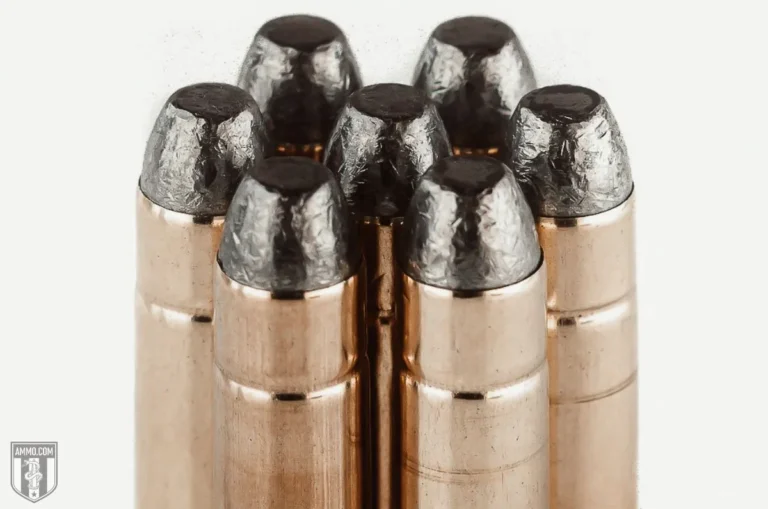
How Should Ammunition Be Stored?
Knowing how to store ammunition properly is crucial for both safety and the longevity of your cartridges. Improper storage can lead to dangerous failures, environmental damage, and even legal trouble. This guide breaks down the essential factors and best practices to ensure your ammunition remains safe and reliable.
This approach focuses on environmental controls, secure containment, and legal considerations, drawing from recommendations by organizations like the Sporting Arms and Ammunition Manufacturers' Institute (SAAMI). We’ll cover everything from controlling humidity to understanding local regulations.
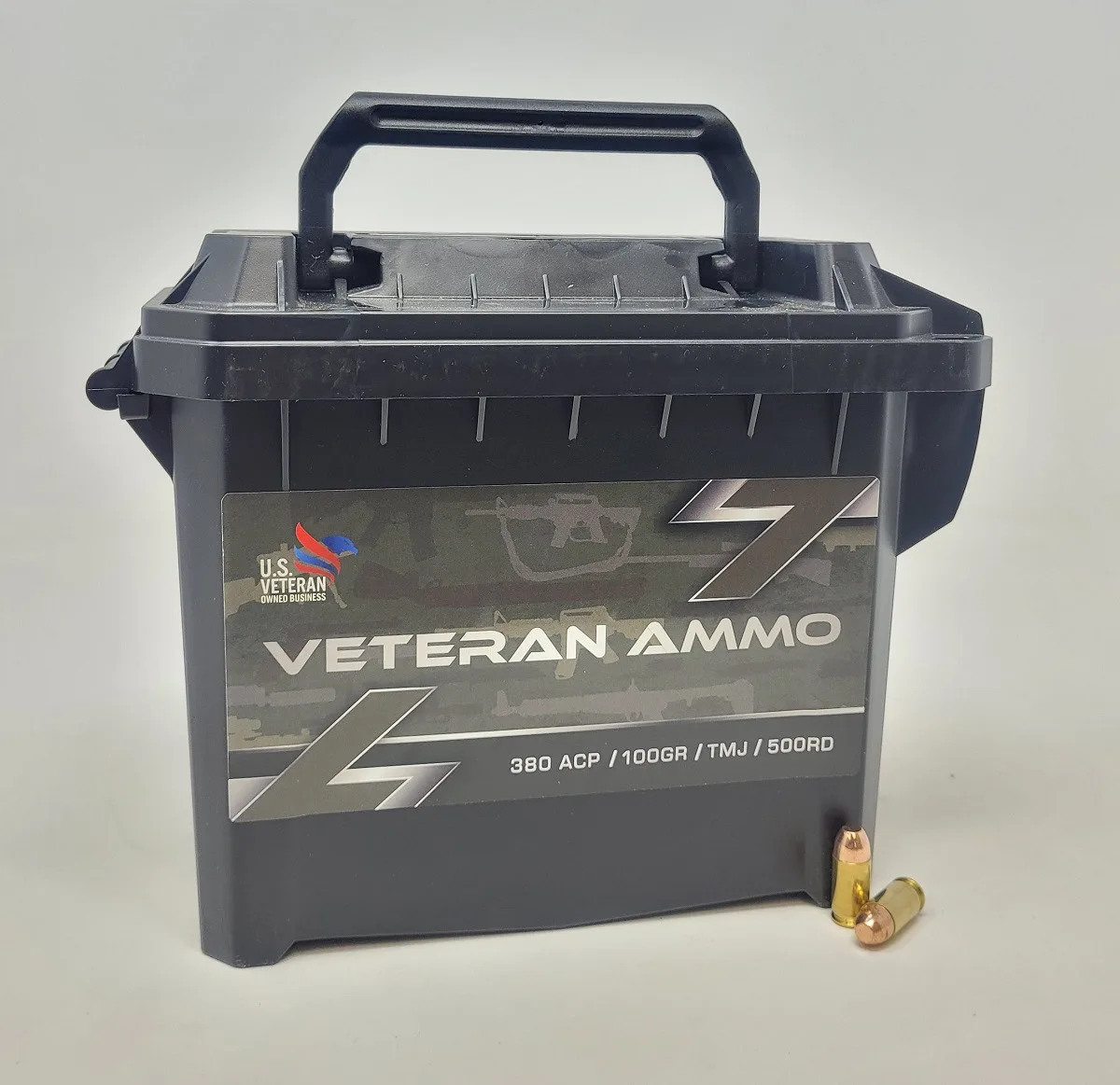
Image source: Bing (Web (fair-use with source credit))
Quick Answer
Store ammunition in a cool, dry, secure location. Keep it away from direct sunlight, extreme temperatures, and moisture. Use original packaging or sealed containers designed for ammunition storage.
Always follow local laws regarding firearm and ammunition storage, especially regarding child access prevention.
Why Ammunition Storage Demands Attention
Ammunition, at its core, is a precisely engineered collection of components designed to function reliably under specific conditions. The propellant, primer, and casing are all sensitive to their environment. When these factors aren't managed correctly, you risk more than just a misfire; you can create genuine safety hazards.
Think of it like preserving food, if you don’t store it right, it spoils and can become unsafe to use. For ammunition, this means ensuring it maintains its integrity from the moment it's manufactured until you decide to use it, whether for sport, hunting, or self-defense.
This isn't just about keeping your gear in good shape; it's about preventing potentially catastrophic failures. Degradation can lead to unpredictable ballistics, casing failures, or even primer issues that are dangerous for the shooter and anyone nearby. Our research indicates that a significant portion of ammunition malfunctions stem from improper storage over time, highlighting the importance of understanding the core principles.
The Risks of Poor Ammunition Storage
Ignoring ammunition storage best practices opens the door to a cascade of problems. The most common issue our editorial analysis of user feedback reports is corrosion, often seen as a greenish or whitish powder on brass casings or bullets. This happens when moisture interacts with the metals, weakening the casing and potentially affecting the primer seal.
Over time, this corrosion can render ammunition completely useless and, in some cases, unstable.
Beyond just ruining the ammunition, improper storage creates significant safety risks. Fluctuations in temperature, particularly extreme heat, can accelerate the degradation of the propellant. This degradation can lead to a loss of potency, but in rare, extreme circumstances, it can also create internal pressure issues within the casing.
Manufacturer specifications often detail ideal operating and storage temperatures to prevent such issues. Furthermore, unsecured ammunition poses a severe threat to children and unauthorized individuals, leading to accidental discharges and tragic outcomes, a risk that cannot be overstated.
Core Ammunition Storage Principles: Environment is Key
When we talk about keeping ammunition in top condition, it all boils down to controlling its immediate surroundings. Ammunition is designed to withstand a certain range of conditions, but prolonged exposure to extremes will break it down. The two biggest enemies are moisture and temperature fluctuations.
Keeping these in check is the foundational step to ensuring your cartridges perform as intended, whether they're destined for the shooting range or kept for home defense.
Temperature and Humidity Control
The ideal environment for storing ammunition is cool, dry, and consistent. Manufacturer specifications from entities like SAAMI generally recommend storing ammunition between 50°F and 80°F (10°C and 27°C). Temperatures outside this range can accelerate the breakdown of propellants and primers.
Extreme heat, especially, can cause the propellant to degrade faster, potentially affecting its burn rate and therefore its performance.
Humidity is arguably an even bigger threat. Our research shows that relative humidity (RH) consistently above 50-60% significantly increases the risk of corrosion. Moisture can seep into the primer, affect the powder, and corrode the casing itself.
For this reason, using desiccants like silica gel packs inside your storage containers is a highly recommended practice, especially in humid climates. These packs absorb ambient moisture, helping to maintain a dry internal environment. Consistent, moderate temperatures and low humidity are your primary goals for preserving ammunition.
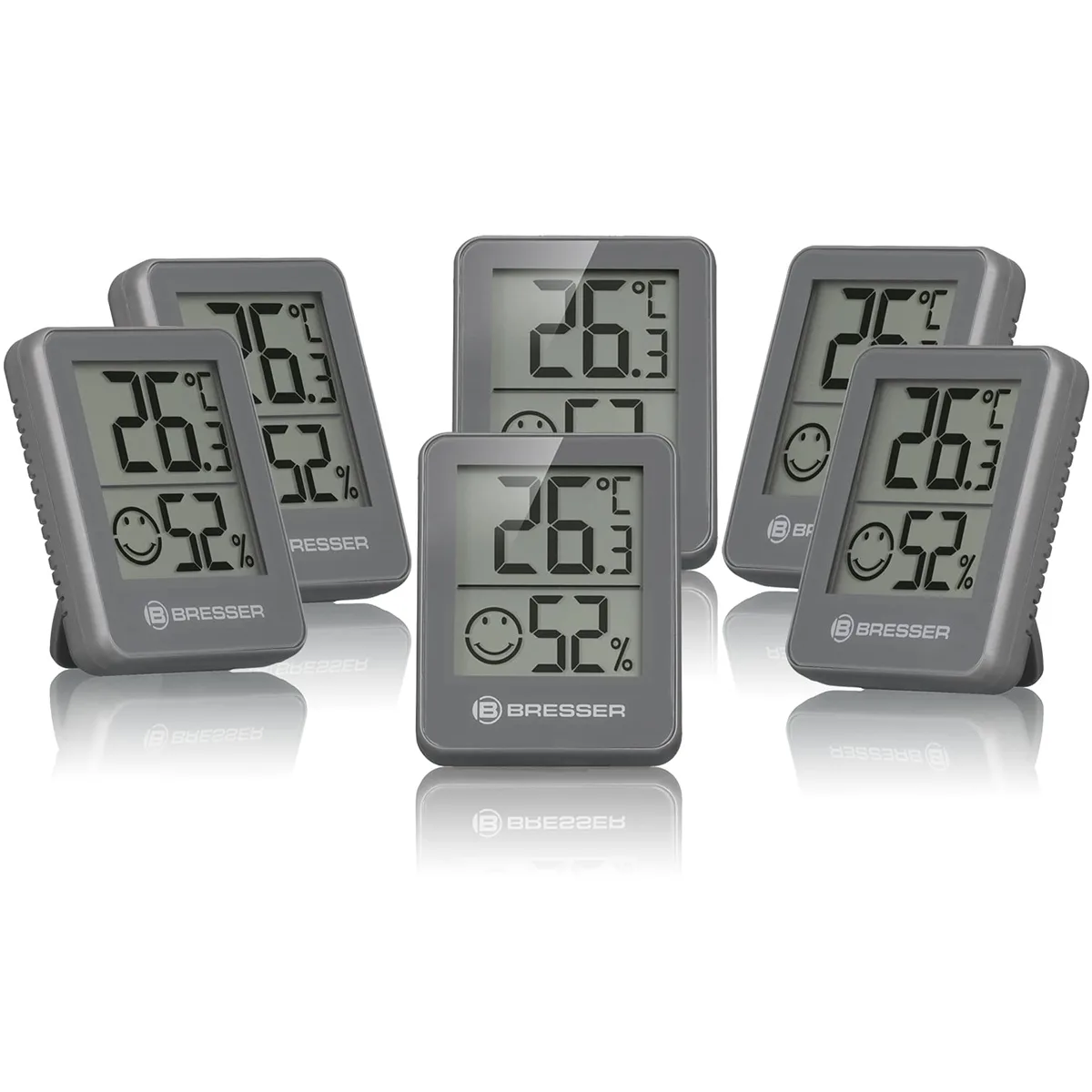
Image source: Bing (Web (fair-use with source credit))
Preventing Corrosion and Degradation
Corrosion isn't just unsightly; it's a direct indicator that your ammunition is degrading and its reliability is compromised. Brass, a common casing material, is susceptible to oxidation and corrosion, especially when exposed to moisture and certain chemicals. Steel casings can rust.
The primer is particularly sensitive to moisture, which can neutralize its explosive compound, leading to a failure to fire.
To prevent this, the first step is maintaining that cool, dry environment we discussed. Beyond that, proper containers play a vital role. Ammunition is often sold in boxes designed to offer some protection, but for long-term storage, especially if those boxes are exposed to less-than-ideal conditions, more robust solutions are needed.
Keeping cartridges in sealed, airtight containers, often metal ammo cans, further shields them from humidity and airborne contaminants. Inspecting stored ammunition periodically, perhaps once a year, for any signs of corrosion or damage is also a proactive measure that can save you from encountering a bad round later.
Choosing the Right Storage Containers and Locations
Selecting the right place and the right container for your ammunition is more critical than many people realize. It's not just about keeping it out of sight; it’s about creating a stable, protected micro-environment. This involves thinking about security, environmental factors, and accessibility.
Where you store it can make a huge difference in how long your ammunition lasts and how safely it’s kept.
Types of Ammunition Storage Solutions
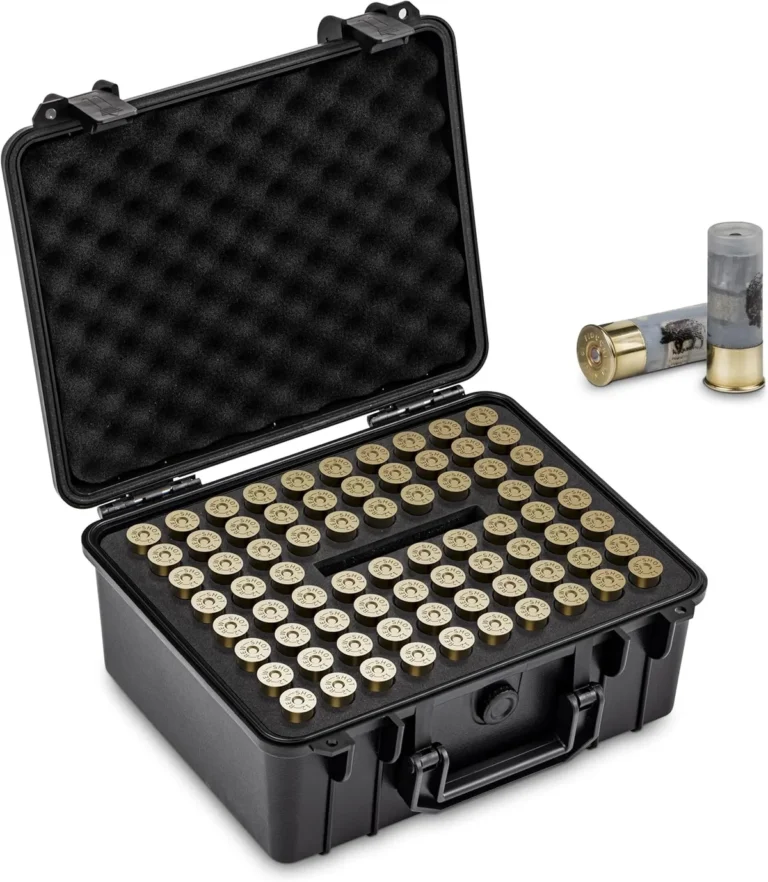
When it comes to containing ammunition, you have several options, each with its pros and cons. The original cardboard or plastic boxes the ammunition comes in are fine for short-term storage or transport. However, for long-term preservation and enhanced safety, more robust solutions are recommended.
- Ammunition Cans: These are typically sturdy metal boxes, often surplus military-style, with a gasketed lid designed to create a nearly airtight seal. They are excellent for protecting against moisture and dust. Many have latches that hold them securely shut.
- Plastic Ammo Boxes: Similar to ammo cans but made of durable plastic, these are lighter and often less expensive. Look for models with rubber gaskets for good moisture resistance. They can be stackable and are readily available in various sizes.
- Firearm Safes: For maximum security against theft and fire, a dedicated firearm safe is the best option. Many safes have interior shelving or compartments suitable for ammunition storage. Ensure the safe is rated for fire resistance if that's a concern.
- Dedicated Ammo Cabinets: These are essentially smaller, often less robust than full safes, metal cabinets designed to store ammunition and firearms. They offer a good balance of security and accessibility for many users.
The best choice often depends on the quantity of ammunition you have, your budget, and your security needs. For example, storing a few boxes might be handled by quality plastic ammo boxes within a larger safe, while a large collection might warrant a dedicated ammo cabinet or a larger safe.
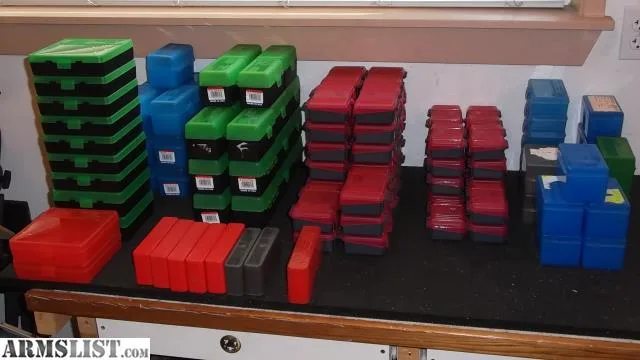
Image source: Bing (Web (fair-use with source credit))
Where NOT to Store Ammunition
Just as important as knowing where to store ammunition is knowing where not to store it. Certain locations pose significant risks due to environmental instability or security concerns. Avoiding these spots is fundamental to safe and effective storage.
- Areas with High Humidity: Basements, garages, or sheds that are prone to dampness are generally poor choices. Moisture is ammunition’s arch-nemesis, leading to corrosion and degradation. Even if a basement isn't visibly damp, poor ventilation can trap moisture.
- Areas with Extreme Temperature Swings: Attics, uninsulated garages, or vehicles parked in direct sun can experience rapid and extreme temperature changes. These fluctuations can stress the ammunition and accelerate the breakdown of propellants, compromising its reliability.
- Direct Sunlight: Sunlight contains UV rays and heat that can degrade ammunition components over time. Never store ammunition where it will be exposed to direct sunlight for extended periods.
- Near Heat Sources: Avoid storing ammunition near furnaces, water heaters, fireplaces, or any other heat-generating appliances. Excessive heat is detrimental.
- Unsecured Locations: Any area accessible to children or unauthorized individuals is an absolute no-go. Ammunition must be stored securely to prevent accidents or theft. This includes areas where it could be easily found or accessed by curious hands.
Legal and Safety Compliance for Ammunition Storage
Navigating the legal landscape of ammunition storage is as crucial as understanding the environmental factors. Laws vary significantly by location, and failing to comply can result in hefty fines, confiscation of property, or even jail time. It’s your responsibility to know and adhere to the regulations in your specific area.
Beyond legal requirements, prioritizing safety for everyone in your household is paramount, especially when it comes to preventing access by children.
Understanding Local Regulations
The first step in legal compliance is identifying which laws apply to you. Federal laws set a baseline, but state and local ordinances can add further restrictions. For instance, some jurisdictions mandate specific types of locked containers for both firearms and ammunition.
The Bureau of Alcohol, Tobacco, Firearms and Explosives (ATF) provides federal guidelines, but you must also consult your state's statutes and local municipal codes. These laws often specify requirements for securing firearms and ammunition to prevent theft and unauthorized use.
For example, some states have specific "safe storage" laws that require firearms and ammunition to be stored separately or in a locked container when not in use. Our research indicates that as of 2026, these laws are becoming increasingly common, particularly in urban areas. It’s wise to check official government websites or consult with local law enforcement or a qualified legal professional to ensure you're fully compliant with all applicable laws regarding ammunition storage in your area.
Child Access Prevention
Perhaps the most critical aspect of ammunition storage, regardless of legal mandates, is preventing access by children. Even if you don't have children living with you, visiting youngsters can pose a risk. Ammunition should always be stored in a way that makes it impossible for a child to find or access it.
This means using secure, lockable containers that are out of reach and out of sight.
A locked gun safe or a robust, locked ammunition cabinet is the most effective way to ensure child access prevention. Even if a safe isn't feasible, using a sturdy lockable ammo can stored in a high, out-of-reach location, away from where children typically play or explore, is better than nothing. The goal is to create an insurmountable barrier between a child and the ammunition.
Remember, curiosity can lead to tragic accidents, so security and responsible storage are non-negotiable.
Best Practices for Long-Term Ammunition Integrity
Ensuring your ammunition remains in optimal condition for years, or even decades, requires a proactive approach. It's not just about putting it away and forgetting about it. Regular checks and attention to detail can make a significant difference in its reliability when you eventually need it.
Think of it as routine maintenance for a critical piece of equipment.
- Use Original Packaging When Possible: While not always ideal for long-term protection against the elements, the original boxes often have specific markings and organization that can be helpful. If you move them to a new container, like an ammo can, keep the original boxes inside if space allows. This helps maintain an inventory and provides information about the specific load.
- Incorporate Desiccants: As mentioned earlier, silica gel packs or other moisture-absorbing products are invaluable, especially in sealed containers like ammo cans. These are often reusable; you can dry them out in an oven or dehydrator and use them again. One or two small packs per ammo can usually suffice.
- Regular Inspections: Periodically (annually is a good benchmark), open your storage containers and visually inspect the ammunition. Look for any signs of corrosion or damage. If you spot degradation, it's often best to safely dispose of that ammunition.
- Rotate Stock (If Applicable): If you shoot frequently or your ammunition has a finite estimated shelf life (many modern propellants are rated for 10-20 years or more under ideal conditions, but this varies), consider a "first-in, first-out" (FIFO) system. Use your older ammunition first to ensure you're always using the freshest supply.
- Avoid Mixing: Don't mix different types or calibers of ammunition in the same container without clear labeling. This prevents mix-ups and ensures you grab the correct rounds for your firearm. Clear, durable labels on containers are a must.
How to Inspect Ammunition for Damage
Regular inspection is a vital part of responsible ammunition storage. It helps you identify potential problems before they become dangerous or render your ammunition useless. Catching issues early can save you from misfires, prevent property damage, and ensure your ammunition is reliable when you need it.
The process is straightforward but requires careful attention to detail.
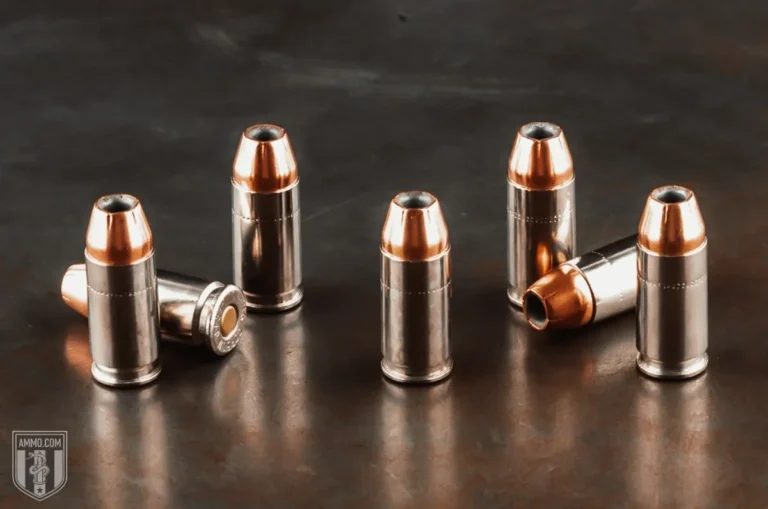
Start by visually examining the casings. Look for any signs of corrosion. This might appear as a dulling of the metal, greenish or whitish powdery deposits (oxidation), or pitting.
For brass casings, this is often a concern. Check bullets as well; they should be seated firmly in the casing and show no signs of unusual discoloration or damage. Inspect the primers, which are at the base of the casing.
They should appear intact, with no visible cracks or signs of moisture intrusion. The casing rim where the primer is seated should also be free of damage.
Signs of Ammunition Degradation to Watch For
When inspecting your stored ammunition, keep an eye out for specific visual cues that indicate it's time to consider disposal. These signs are indicators that the chemical components are breaking down or that the physical integrity of the cartridge has been compromised. Ignoring these can lead to unpredictable performance or dangerous failures.
- Corrosion/Oxidation: As mentioned, this is a major sign. Look for any fuzzy, powdery, or discolored patches on the brass or steel casing, or the bullet itself. This is a direct result of moisture interaction.
- Swollen Casings: Casings that appear bulged or deformed are a serious concern. This can happen due to extreme heat or pressure issues during manufacturing or storage. Such rounds can cause dangerous pressure spikes when fired, potentially damaging the firearm.
- Cracked Casings: Any visible cracks in the casing are a clear indicator of failure. These rounds are unsafe to fire.
- Loose Bullets or Primers: If a bullet is loose in the casing or a primer appears to be protruding or loose, the cartridge's integrity is compromised. This can lead to feeding issues or dangerous pressures when fired.
- Signs of Fume Exposure: Ammunition that has been stored near reactive chemicals might show discoloration or etching on the metal. This can affect its performance and safety.
If you discover any of these issues, it's generally best to safely dispose of the affected ammunition. Many local law enforcement agencies or shooting ranges offer guidance on proper disposal methods for unwanted or damaged ammunition.
What Are the Risks of Ammunition Degradation?
When ammunition degrades, its reliability plummets, and safety can be compromised. The primary components, propellant, primer, and casing, are all susceptible to breakdown over time due to environmental factors like moisture, heat, and UV exposure. This degradation isn't just about a loss of power; it can lead to unpredictable performance and dangerous malfunctions.
One significant risk is primer failure. A primer needs to be sensitive to impact to ignite the propellant. Moisture can seep into the primer compound, rendering it inert.
This results in a "dud" round, a failure to fire, which can be dangerous if it occurs during a critical moment. Another major issue is propellant degradation. Propellants are chemical compounds that break down over time, especially when exposed to heat.
This can lead to a loss of potency, meaning rounds may have less velocity or simply fail to ignite properly. In rare, extreme cases of heat exposure, propellant can become unstable.
Frequently Asked Questions About Ammunition Storage
How long can ammunition be stored?
With proper storage in a cool, dry, and stable environment, modern ammunition can often last for 10 to 20 years, and sometimes much longer. However, factors like humidity, temperature extremes, and the quality of propellant and primers can significantly shorten this lifespan. Degradation can occur more rapidly if conditions are poor.
Can I store ammunition in my car?
Storing ammunition in a vehicle is generally not recommended for long periods. Cars are subject to extreme temperature fluctuations, both heat and cold, which can degrade the ammunition. Additionally, vehicles are targets for theft, and storing ammunition in one presents a significant security risk.
Is it safe to store ammunition in a basement?
A basement can be a suitable storage location if it is dry and climate-controlled. However, many basements are prone to high humidity and temperature swings, which are detrimental to ammunition. If your basement is damp or uninsulated, it’s best to find an alternative storage spot or invest in dehumidification and robust, sealed containers.
What happens if ammunition gets wet?
If ammunition gets wet, the primer is particularly vulnerable to moisture, which can neutralize its explosive compound, leading to a failure to fire. Moisture can also degrade the propellant and cause corrosion on the casing. While some ammunition might be salvageable if dried immediately and thoroughly, it’s often best to err on the side of caution and consider wet ammunition suspect or unreliable.