Can Ammunition Go Bad?
You know, I get asked this question quite a bit: "Can ammunition go bad?" It's a super important one, especially if you've got some rounds sitting around for a while, whether it's for a hobby, sport, or even for self-defense. And the short answer is, yeah, it can. But it's not quite as simple as milk going sour; it's more nuanced than that.
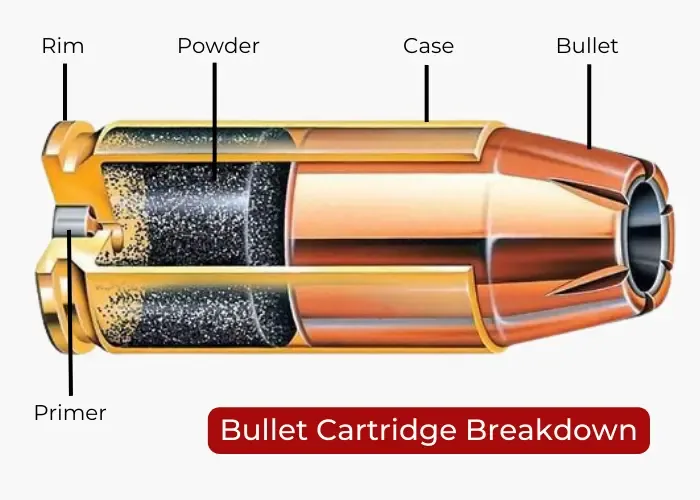
Think of ammunition as a complex chemical and mechanical system. Over time, its individual components, the primer, gunpowder, casing, and bullet, can degrade due to environmental factors. While modern ammunition is designed for longevity, manufacturer specifications indicate that under ideal conditions, cartridges can remain viable for many decades.
However, suboptimal storage can drastically shorten this lifespan, potentially rendering rounds unreliable or even unsafe for use.
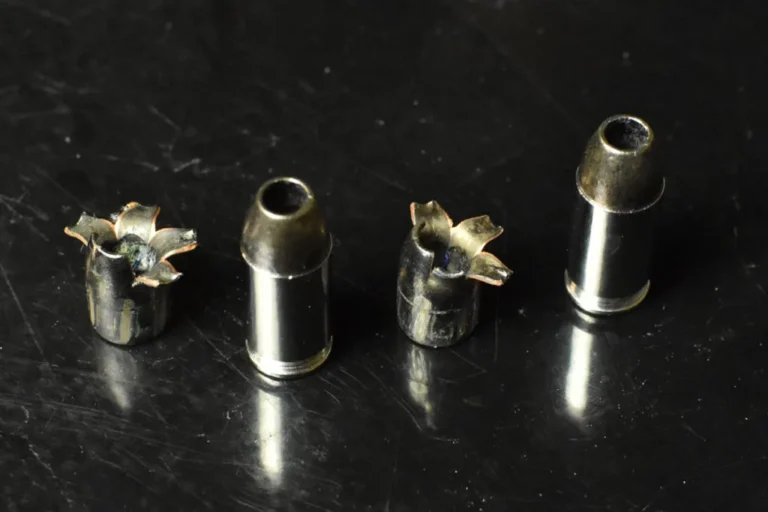
Image source: Bing (Web (fair-use with source credit))
Quick Answer
Yes, ammunition can go bad. Environmental factors like moisture, extreme temperatures, and chemical exposure degrade its components. Compromised ammunition may fail to fire, perform weakly, or pose a safety risk.
Always inspect rounds for signs of corrosion or damage before use. Proper storage is key to maximizing ammunition longevity.
Can Ammunition Actually Go Bad?
The idea that ammunition is immortal is a common misconception. While it's built to last, "going bad" for ammunition isn't a sudden event; it's a gradual process of degradation. We're not talking about a strict expiration date like you'd find on a food item.
Instead, it’s about the integrity and performance of its various parts breaking down over time, influenced heavily by how it’s handled and stored.
When ammunition degrades, it’s because its core components are affected. The primer, responsible for igniting the propellant, can become less sensitive or entirely inert. The gunpowder, or propellant, can chemically break down, losing its potency.
These changes mean the round might not fire reliably, or it might produce less energy than expected, leading to underpowered shots.
What Makes Ammo Degrade Over Time?
Several factors can contribute to ammunition losing its effectiveness or becoming unsafe. These elements work by breaking down the chemical and physical properties of the cartridges. Understanding these is the first step in ensuring your ammunition remains in good condition.
Moisture and Humidity
This is arguably the biggest enemy of ammunition. Moisture can seep into cartridges, particularly around the primer and the casing's mouth. Once inside, water can interfere with the sensitive chemical compounds in the primer, making them less likely to ignite.
It can also promote the degradation of the gunpowder.
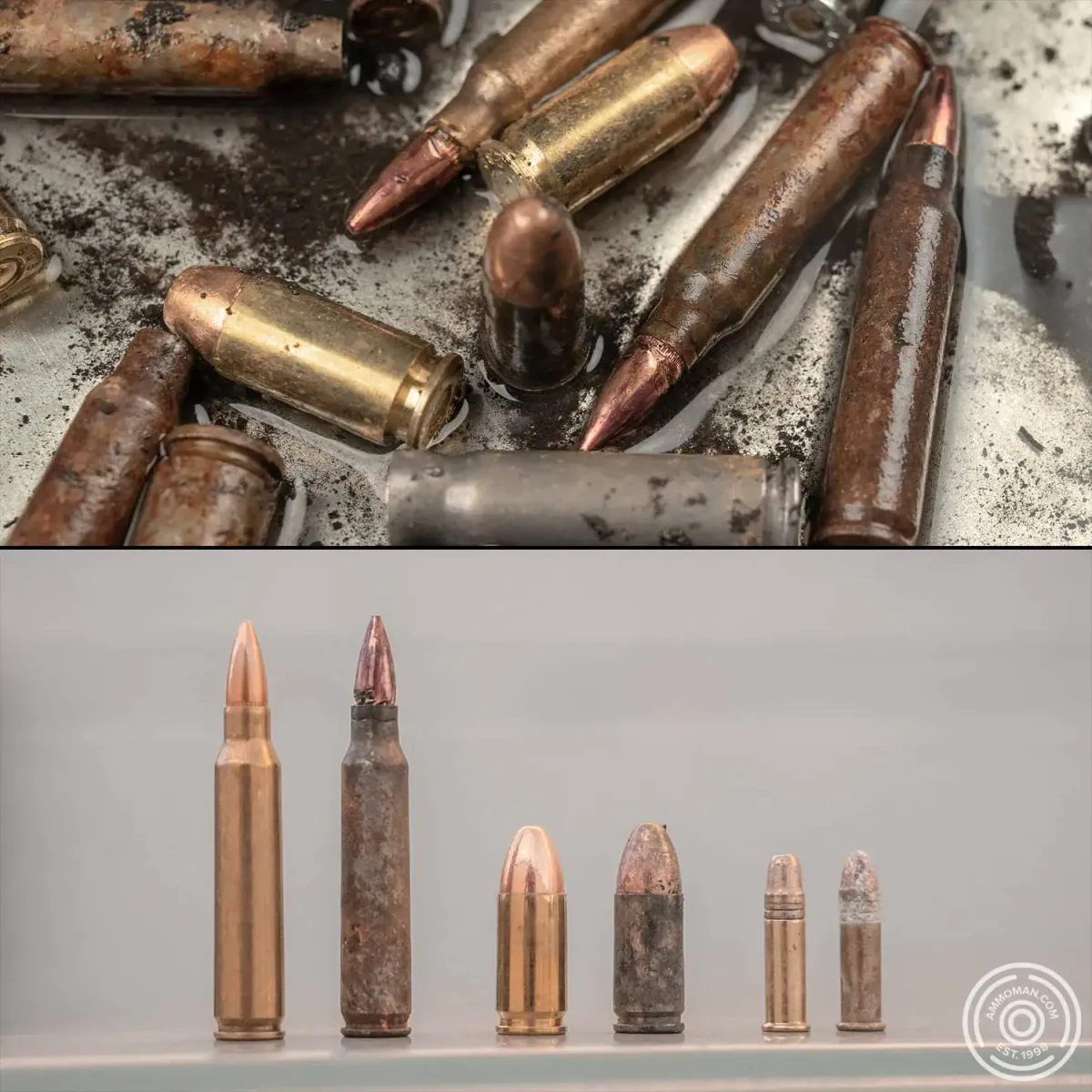
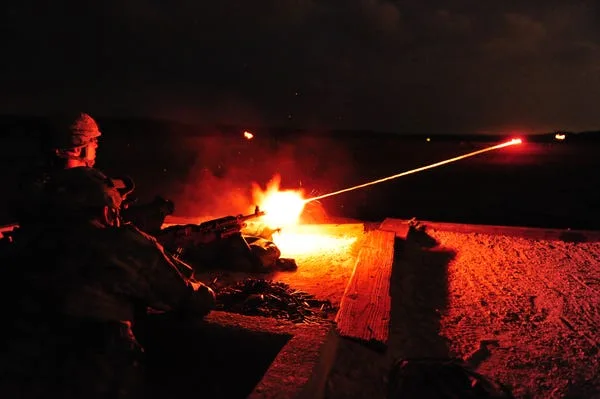
Image source: Bing (Web (fair-use with source credit))
Aggregate reviews and manufacturer guidance consistently highlight humidity as a primary threat. For instance, research published by the United States Army Research Laboratory on the long-term effects of environmental conditions on ordnance indicates that sustained exposure to high relative humidity significantly accelerates material degradation. Ideally, ammunition should be stored in environments with relative humidity below 50%.
Temperature Fluctuations
Extreme heat and cold, and especially rapid changes between them, can stress ammunition. High temperatures can accelerate the chemical breakdown of gunpowder, causing it to lose its efficacy. Repeated cycles of heating and cooling can also lead to expansion and contraction of the metal components, potentially affecting seals or even causing microscopic fatigue in the casing material over many years.
Chemical Exposure and Physical Damage
Keeping ammunition away from solvents, cleaning agents, and certain oils is crucial. These chemicals can react with the metals, plastics, and sealants used in cartridges, leading to premature degradation. Physical damage, such as dents, scratches, or deformation of the casing or bullet, can compromise the structural integrity and create potential safety hazards.
How to Spot "Bad" Ammunition: The Visual Clues
Recognizing compromised ammunition often comes down to a good visual inspection. You don't need specialized tools; your eyes are usually enough to spot the tell-tale signs that a round might not be safe or reliable.
Corrosion and Discoloration
Look for any signs of corrosion on the casing, especially brass ones. This often appears as a powdery, greenish, or whitish substance. It's a clear indication that moisture has been present and has begun to react with the metal.
Deep or widespread corrosion can weaken the casing and is a strong reason to suspect the internal components have also been affected.
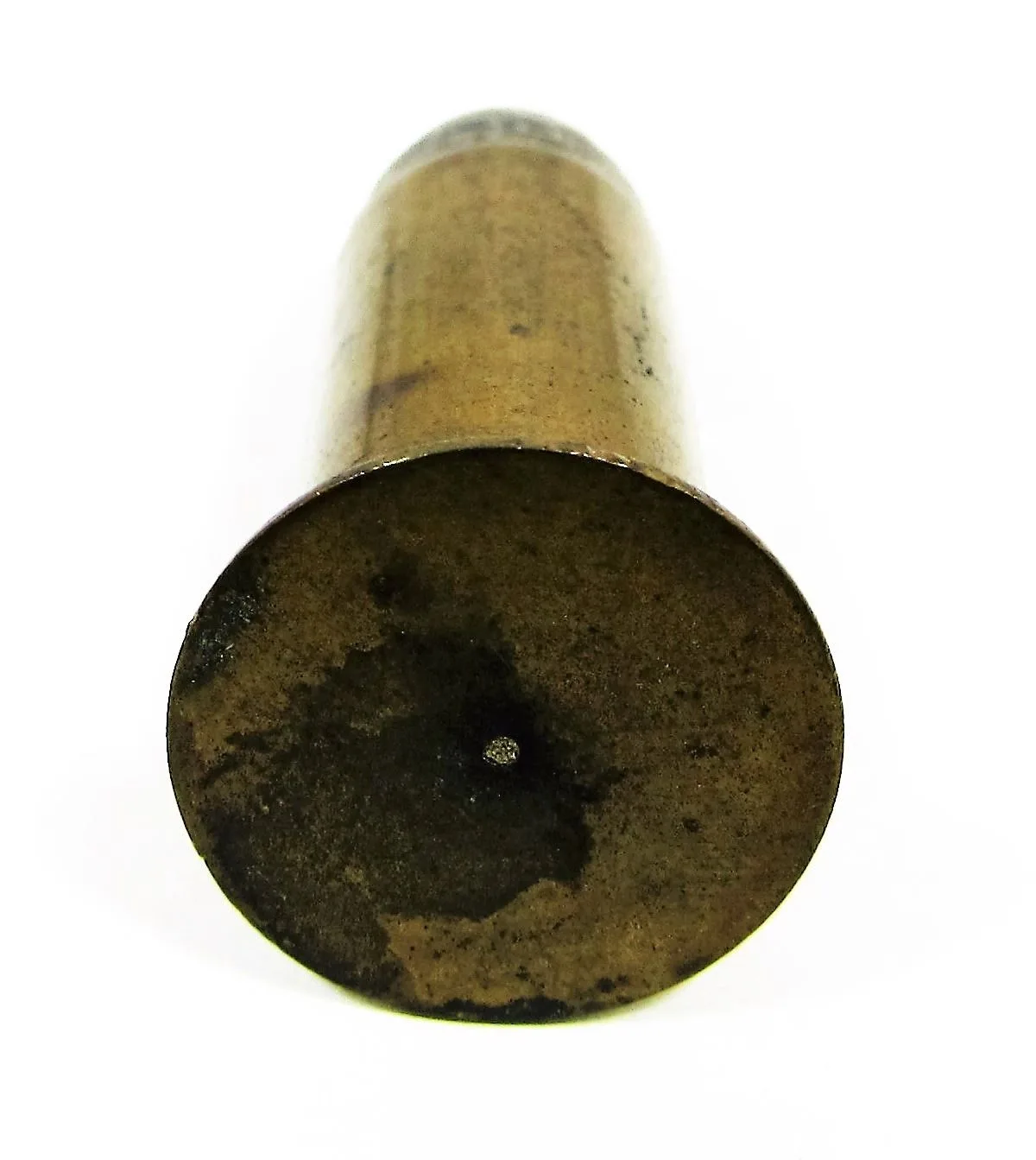
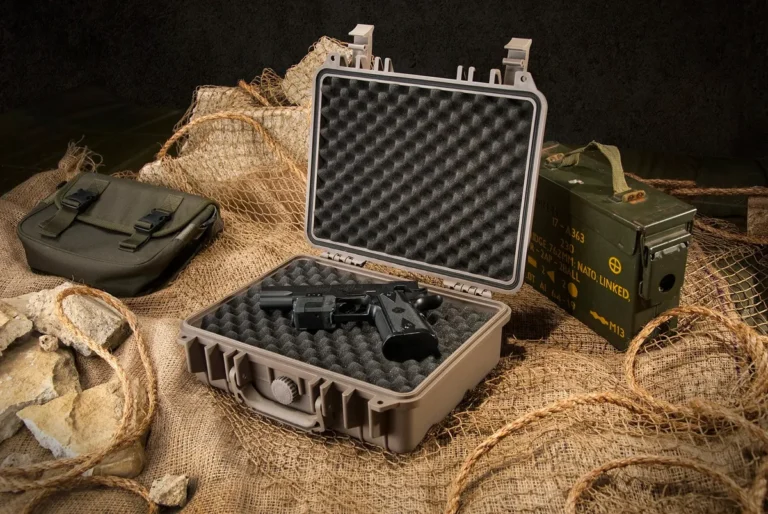
Image source: Bing (Web (fair-use with source credit))
Casing Integrity Issues
The casing is the protective jacket for the propellant and primer. Any visible cracks, bulges, or deformities in the casing are serious red flags. Cracks mean the casing can no longer reliably contain the pressure generated during firing.
Bulges suggest internal pressure has already compromised the casing's shape, which is a significant safety concern.
Primer Condition
The primer is a small, sensitive component at the base of the cartridge. It should have a clean, metallic appearance. If you notice dullness, significant tarnish, or any unusual discoloration on the primer, it might indicate that its sensitive explosive compound has been compromised by moisture or age.
A primer that looks significantly different from others in the same box warrants careful attention.
How Long Does Ammunition Really Last?
The lifespan of ammunition can vary wildly, but with proper care, modern, high-quality cartridges are remarkably durable. Manufacturer specifications and independent testing often suggest that under ideal storage conditions, cool, dry, and stable, ammunition can remain fully functional for 50 years or even longer. For example, certain military-grade ammunition has been found to be effective after decades of storage in controlled environments, a testament to its robust construction.
However, these extended lifespans are contingent on strict environmental controls. Ammo stored in damp basements, hot car trunks, or locations with significant temperature swings will degrade much faster. Instead of decades, you might see a noticeable decline in performance or safety concerns within just 5 to 10 years, or even sooner if conditions are particularly harsh.
The key takeaway is that longevity is earned through good storage practices.
Best Practices for Storing Your Ammunition
Proper storage is the single most effective way to ensure your ammunition remains reliable and safe for as long as possible. It’s not complicated, but it does require attention to a few key environmental factors.
Keeping It Dry
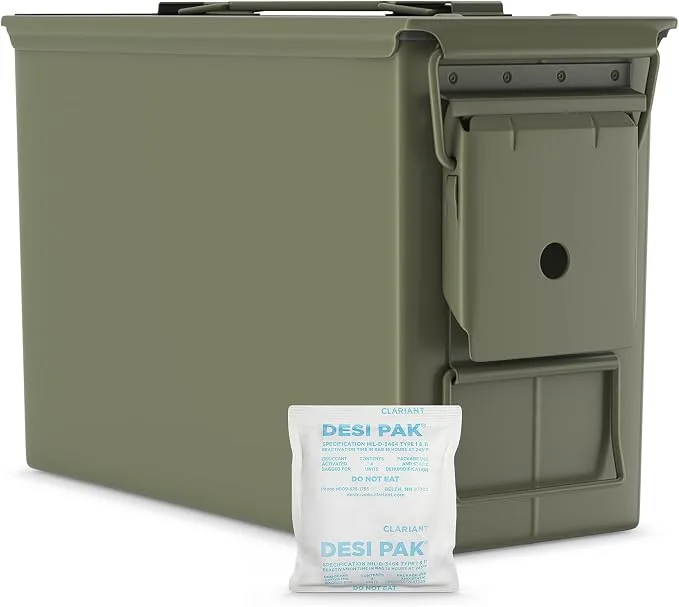
Moisture is the arch-nemesis of ammunition. To combat this, always store ammunition in airtight containers. Ammo cans, sealed plastic tubs, or even original factory packaging stored inside a larger moisture-proof container work well.
Using desiccants, like silica gel packets, inside your storage containers can further absorb any ambient moisture. This is particularly important in humid climates or if storing ammo in potentially damp areas like basements.
Maintaining Stable Temperatures
Avoid storing ammunition in places that experience wild temperature fluctuations. This includes attics, uninsulated garages, and the trunks of vehicles. Extreme heat can degrade the gunpowder, while freeze-thaw cycles can stress the casing and primer seals.
A consistent, moderate temperature, ideally between 50°F and 70°F (10°C and 21°C), is best. Many firearms safes offer some level of temperature stabilization, which is a significant benefit.
When to Stop Using Ammunition: Safety First
Deciding whether to use older ammunition is a judgment call, but safety must always be the absolute priority. If there’s any doubt about a cartridge’s condition, it’s best to err on the side of caution.
Trust Your Gut (and Your Eyes)
As detailed earlier, visual inspection is your primary tool. If you see any signs of corrosion, cracks, bulges, or primer damage, do not use that ammunition. Even if it looks okay but you know it's been stored poorly (e.g., in a leaky shed for 20 years), it's wise to be skeptical.
A misfire or a dangerous malfunction is not worth the potential savings of using questionable rounds.
Safe Disposal of Compromised Ammo
If you determine that ammunition is no longer safe to use, proper disposal is essential. Never simply throw old ammunition in the trash, as it can pose a hazard. Contact your local police department or a Sheriff's office; they often have specific procedures for disposing of unwanted ammunition safely.
Some shooting ranges or specialized recycling centers also offer disposal services. The United States Environmental Protection Agency (EPA) provides guidance on household hazardous waste, which can indirectly apply to safe disposal of such materials when local authorities direct.
Frequently Asked Questions About Ammo Longevity
How long does ammunition last?
Under ideal storage conditions (cool, dry, stable temperature), modern ammunition can last for decades, potentially 50 years or more. However, poor storage can drastically shorten its useful life, sometimes to just a few years.
Can I shoot old ammunition?
You can try to shoot old ammunition, but it’s not always advisable. If it shows signs of corrosion, bulging, or primer damage, it’s unsafe and should not be fired. Even if it looks fine, performance might be degraded, leading to misfires or weak shots.
What's the biggest enemy of ammunition?
Moisture is the primary enemy. High humidity or direct water exposure can degrade the primer and gunpowder, leading to unreliable ignition and reduced performance. Extreme temperature fluctuations are also very harmful.
Is it safe to store ammunition in a car?
Storing ammunition in a car, especially in the trunk or glove compartment, is generally not recommended. Cars experience significant temperature swings and can get very hot inside, accelerating the degradation of gunpowder and other components. This makes the ammunition less reliable and potentially unsafe.