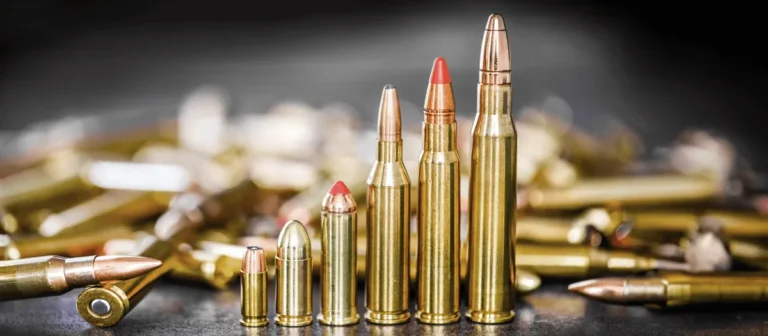
What Is Defensive Ammunition?
When you're thinking about firearms for self-defense, the ammunition you choose is just as critical as the firearm itself. Defensive ammunition isn't just about what goes bang; it's engineered for a specific, life-saving purpose. Getting it right means ensuring reliability and effectiveness when it matters most.
In our research, we found that manufacturers design defensive rounds with enhanced terminal ballistics, aiming for rapid incapacitation of a threat while minimizing risks like over-penetration. For example, many Jacketed Hollow-Point (JHP) rounds are designed to expand upon impact, a feature crucial for their intended function.
Quick Answer
Defensive ammunition is specially engineered for self-defense, prioritizing rapid threat incapacitation and controlled performance. Unlike standard target rounds, it's designed to expand upon impact, creating a larger wound channel for stopping power and reducing the risk of over-penetration. Reliable function in your specific firearm is paramount for this critical application.
What Defensive Ammunition Really Is
At its heart, defensive ammunition is about effectiveness and control in a high-stakes situation. It's not the same stuff you’d use for a day at the shooting range, plinking at paper targets. Instead, this is ammunition meticulously designed and manufactured to perform reliably when your safety or the safety of others is on the line.
The primary objective of defensive rounds is to achieve rapid incapacitation of a threat. This is done through carefully calculated bullet designs that promote significant energy transfer and wound channel creation upon impact. Manufacturers invest heavily in research and development to ensure their defensive offerings meet stringent performance standards, often exceeding those of basic practice ammunition.
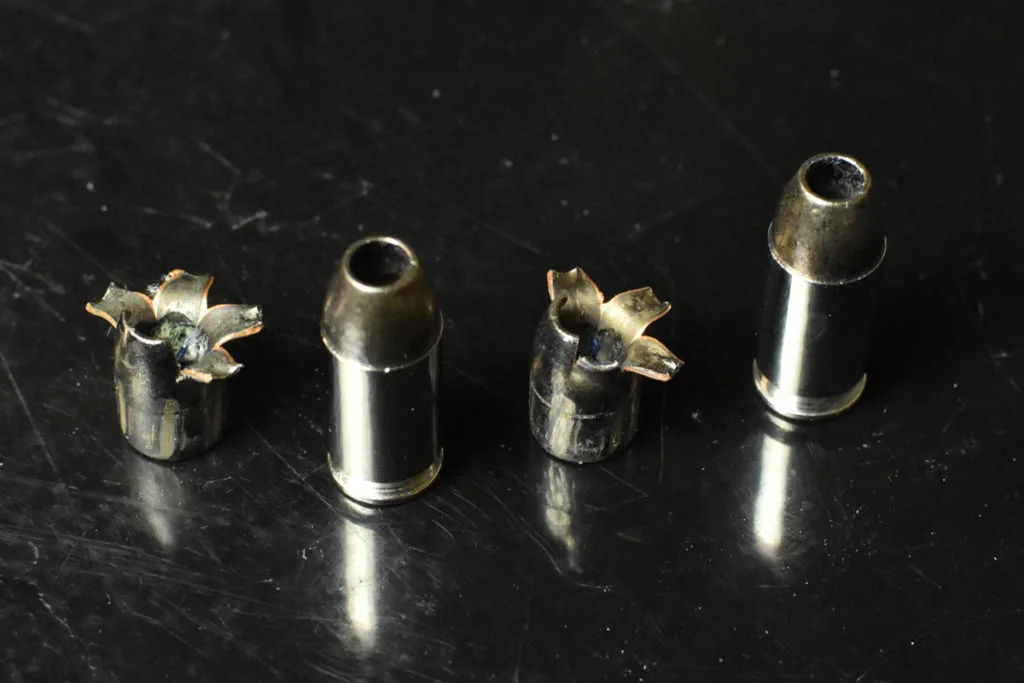
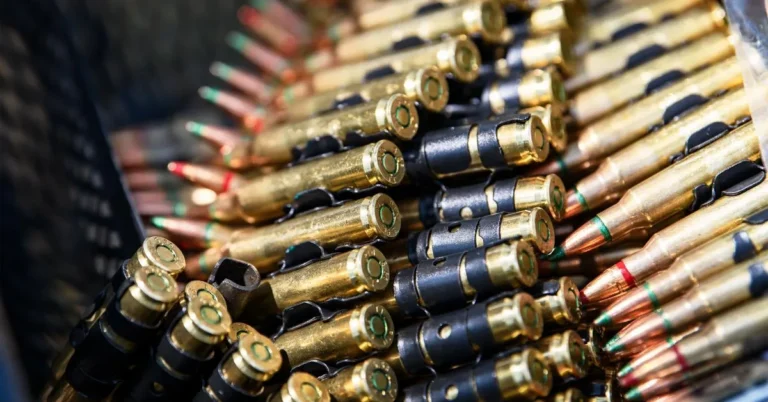
Image source: Bing (Web (fair-use with source credit))
Why Picking the Right Ammo Matters for Self-Defense
Using the wrong type of ammunition for self-defense can have severe consequences. It’s not an exaggeration to say that the ammunition you choose can directly impact the outcome of a defensive encounter. You're looking for a tool that works predictably and effectively, and that means understanding the nuances of specialized rounds.
Think about it: a standard Full Metal Jacket (FMJ) round, common for target practice, is built for consistent flight and minimal expansion. This means it can penetrate deeply, increasing the danger of hitting unintended targets or surfaces behind the threat. Defensive ammunition, conversely, aims to stop within the threat as much as possible, a critical distinction.
This controlled performance is vital for minimizing collateral damage, a key consideration in any defensive scenario.
Key Features of Defensive Ammunition
Defensive ammunition stands apart from other types due to several critical design features. These aren't accidental; they are deliberate engineering choices aimed at maximizing performance in a defensive context. Understanding these features helps explain why specialized rounds are so important for personal protection.
Stopping Power Explained
Stopping power is a crucial concept in defensive ammunition, referring to the bullet's ability to quickly incapacitate a threat, thereby ending the immediate danger. It’s not a single, scientifically defined metric but rather a combination of factors that contribute to a bullet's effectiveness.
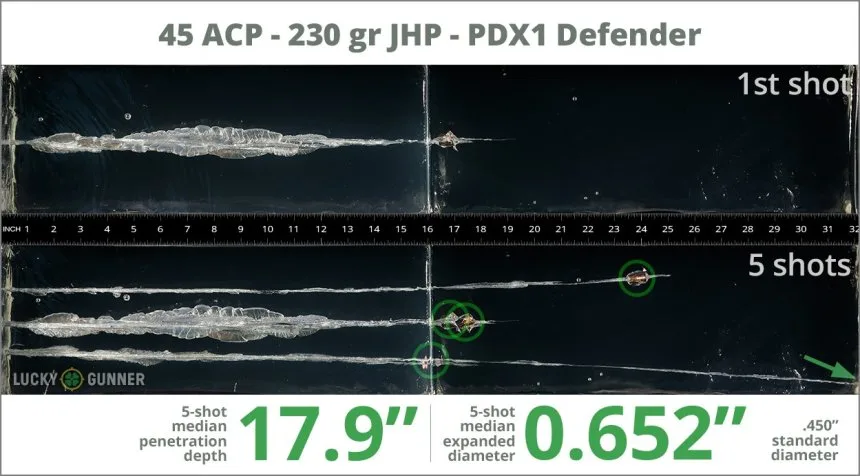
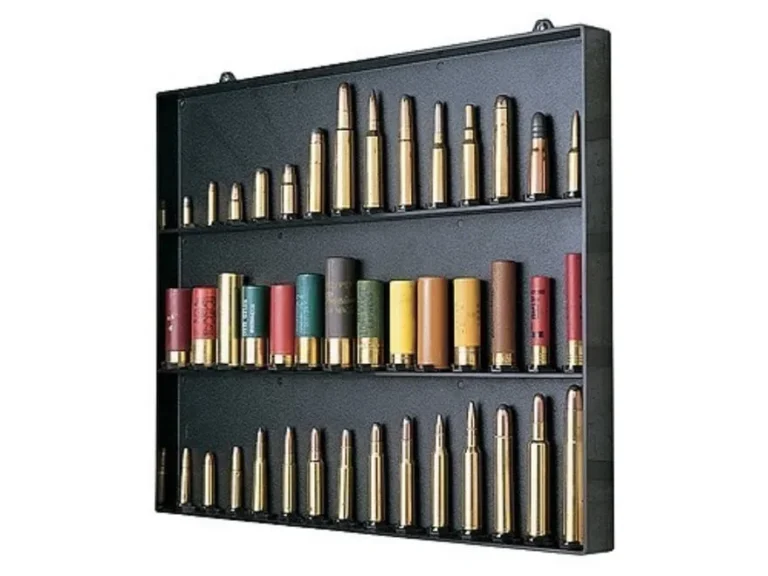
Image source: Bing (Web (fair-use with source credit))
Aggregate reviews and ballistic testing data suggest that effective stopping power is achieved through a balance of:
- Rapid Energy Transfer: The bullet needs to dump its kinetic energy into the target quickly.
- Wound Channel Creation: A larger, deeper wound channel disrupts vital tissues and organs more effectively.
- Bullet Integrity: The bullet needs to maintain its structure or expand reliably to achieve its intended effect without fragmenting prematurely or passing through too easily.
Controlled Expansion vs. Over-penetration
This is arguably the most significant difference between defensive rounds and standard ammunition. Defensive bullets are engineered to expand upon hitting a suitable medium, such as tissue or gel blocks used in testing. This expansion, often called "mushrooming", increases the bullet's diameter.
- Benefit of Expansion: A larger diameter creates a wider wound channel, which is far more effective at incapacitating a threat. It also slows the bullet down, reducing its penetration depth.
- The Risk of Over-penetration: This happens when a bullet passes completely through its intended target and continues on its path. This is dangerous because it can strike bystanders, walls, or other objects, leading to unintended injuries or property damage. FMJ rounds, with their solid construction, are notorious for their over-penetration potential. Defensive rounds are designed to mitigate this risk through controlled expansion.
Common Types of Defensive Ammunition
When you're looking for ammunition specifically for self-defense, you'll primarily encounter a few well-established types, with variations emerging from ongoing innovation. Each has its own characteristics that make it suitable, or not, for defensive use.
Jacketed Hollow-Points (JHPs)
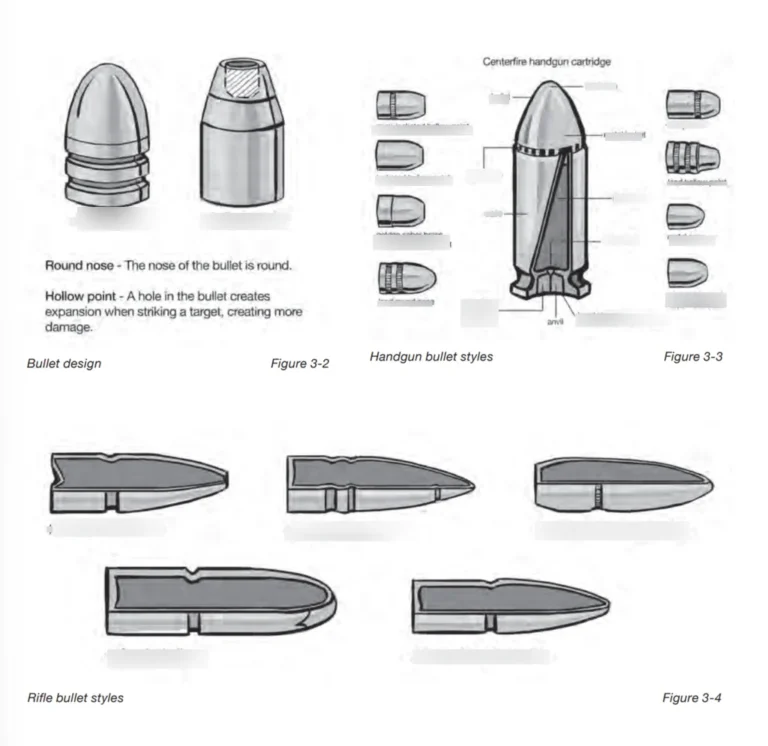
Jacketed Hollow-Point (JHP) ammunition is the most commonly recommended and widely used type for self-defense, particularly in handguns. The defining feature is a cavity in the nose of the bullet, surrounded by a metal jacket. This design is specifically intended to promote controlled expansion.
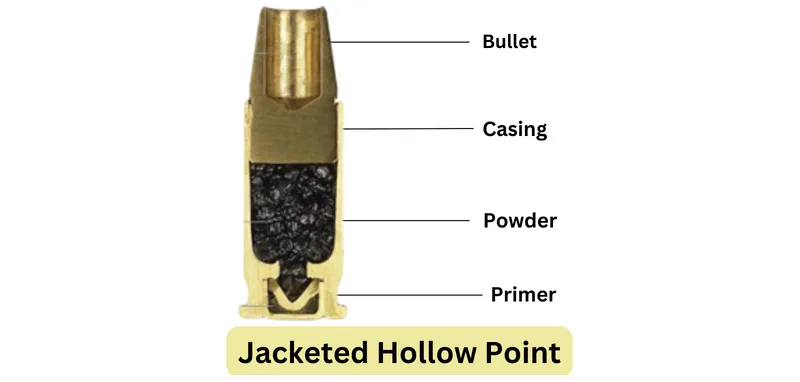
Image source: Bing (Web (fair-use with source credit))
- How it Works: When a JHP bullet strikes a target with sufficient velocity, the material in the target presses into the hollow cavity. This causes the bullet’s sides to peel outwards, forming a mushroom shape.
- Performance: This expansion significantly increases the bullet's frontal diameter, leading to greater tissue disruption and enhanced stopping power. Critically, the expansion also slows the bullet, thereby reducing the likelihood of over-penetration compared to non-expanding rounds.
- Considerations: While highly effective, the reliability of expansion can depend on bullet design, velocity, and the barrier it must penetrate. Some older or less robust JHP designs might fail to expand properly when encountering heavy clothing or other dense materials.
Full Metal Jackets (FMJs): Best for Practice, Not Defense
Full Metal Jacket (FMJ) ammunition, also commonly referred to as ball ammunition, is characterized by its solid construction. The entire bullet, including the core (typically lead), is encased in a copper or gilding metal jacket. This design is favored for target shooting and training due to its reliability and cost-effectiveness.
- Performance: FMJ rounds tend to retain their shape upon impact, meaning they penetrate deeply without significant expansion. This makes them excellent for consistent accuracy and reliable feeding in firearms.
- Why They're Not Ideal for Defense: The lack of expansion is the primary reason FMJs are not recommended for defensive purposes. Their deep penetration increases the risk of over-penetration, potentially striking unintended targets behind the threat. While they will cause a wound, they generally lack the rapid incapacitation capability that defensive ammunition aims for.
Newer Specialty Rounds
The ammunition industry is always innovating, and there are many newer defensive rounds designed to improve upon traditional JHP designs. These often involve proprietary bullet constructions, advanced materials, or unique tip designs.
- Enhanced Expansion: Some rounds use specialized core materials or skirt designs to ensure expansion even at lower velocities or through common barriers like heavy clothing.
- Barrier Blindness: Other designs aim to penetrate common barriers like auto glass, plywood, or drywall more reliably without deforming to the point of becoming ineffective.
- Caliber-Specific Designs: Many manufacturers now offer highly specialized defensive rounds tailored to the specific performance characteristics of popular handgun calibers like 9mm Luger.40 S&W, and .45 ACP.
Common Defensive Ammunition Mistakes to Avoid
When selecting and preparing ammunition for self-defense, there are several common pitfalls that can compromise your effectiveness or safety. Awareness of these mistakes is a critical part of responsible firearm ownership and preparation.
- Using Range Ammo for Defense: This is probably the most frequent error. Assuming that any bullet will do ignores the critical performance differences. Practice ammo, like FMJ, isn't designed for controlled expansion, increasing risks like over-penetration and reduced stopping power.
- Not Testing Your Chosen Ammo: Even the best defensive rounds can perform differently in various firearms. It's crucial to test your chosen defensive ammunition in your specific firearm to ensure it feeds reliably, ejects properly, and shoots accurately. Ammo that jams under stress is worse than useless.
- Ignoring Manufacturer Recommendations: Firearms are often designed to cycle best with certain types or weights of ammunition. While defensive ammo is generally reliable, checking your firearm manufacturer’s guidelines for recommended ammunition types can prevent potential issues.
- Purchasing Based Solely on Price: Defensive ammunition is more expensive for a reason; it involves more complex manufacturing and higher quality control. Opting for the cheapest option can mean compromising on critical features like reliability and controlled expansion, which are paramount for self-defense.
How to Choose and Test Defensive Ammo for Your Firearm
Selecting the right defensive ammunition and confirming its reliability in your firearm is a two-part process that requires careful consideration and practical testing. It’s not just about picking a box off the shelf; it’s about ensuring you have a system that works when you need it most.
Choosing Your Ammunition:
- Identify Your Firearm's Caliber: This is the first step. Ensure you are buying ammunition that matches your firearm's caliber (e.g., 9mm Luger.45 ACP.38 Special).
- Prioritize Reputable Manufacturers: Stick with well-known brands that have a track record of producing high-quality defensive ammunition. Brands like Federal, Hornady, Speer, and Winchester are widely recognized for their commitment to quality control and performance in this category.
- Research Bullet Designs: For handguns, Jacketed Hollow-Points (JHPs) are generally the preferred choice for self-defense due to their expansion capabilities and reduced risk of over-penetration. Look for designs that have a good reputation for reliable expansion through common barriers.
- Consider Your Environment: Think about where you might need to use the firearm. For home defense, where walls are a factor, controlled expansion is key. For concealed carry in public, you also want to minimize the risk of unintended harm.
Testing Your Ammunition:
- Function Firing: Purchase a small batch (or even just a few rounds) of your chosen defensive ammunition. Take these rounds to the range and fire them through your intended defensive firearm.
- Observe for Malfunctions: Pay close attention to how the ammunition feeds from the magazine, cycles through the action, and ejects. You want to see zero failures to feed, stovepipes, or other common cycling issues.
- Accuracy Check: While extreme precision might not be the top priority in a defensive encounter, you need to know that your firearm shoots accurately with this ammunition. Ensure you can consistently hit your intended target.
- Sighting In: If you're using a firearm with adjustable sights or if you’ve made modifications, confirm your sights are still zeroed with your defensive load.
- Progressive Testing: Once you've confirmed reliability and accuracy with a small batch, you can gradually purchase larger quantities for more extensive practice and to keep your defensive magazines loaded.
Essential Safety and Responsible Use
Responsible firearm ownership goes hand-in-hand with understanding the critical role of defensive ammunition. This isn't just about having the right tool; it's about knowing how to use it safely and ethically, recognizing the profound implications of deploying a firearm for protection.
- Know Your State and Local Laws: Laws regarding self-defense and the use of firearms vary significantly by location. It's your responsibility to understand what constitutes lawful self-defense in your jurisdiction and the specific regulations concerning ammunition.
- Prioritize Firearm Safety: Always handle firearms with the utmost respect and adhere to the fundamental rules of gun safety: treat every firearm as if it were loaded, never point the muzzle at anything you are not willing to destroy, keep your finger off the trigger until your sights are on target, and be sure of your target and what is beyond it.
- Training is Paramount: Owning a firearm and defensive ammunition is only part of the equation. Regular, professional training on firearm handling, marksmanship, and the legal and ethical considerations of using deadly force is essential. Understanding your ammunition's capabilities and limitations is part of this training.
- Secure Storage: Ensure your firearms and ammunition are stored securely and inaccessible to unauthorized individuals, especially children. This prevents accidental discharge and theft.
What About Different Calibers?
When discussing defensive ammunition, the caliber of your firearm is a fundamental factor. Different calibers offer varying levels of recoil, velocity, and inherent terminal ballistics, which influence the type of defensive ammunition best suited for them. For instance, smaller calibers might require more advanced bullet designs to achieve adequate stopping power compared to larger ones.
Manufacturer specifications often detail performance metrics like muzzle energy and penetration depth for their defensive rounds across various calibers. As of 2026, ballistic testing continues to show that while larger calibers like .45 ACP can deliver significant energy, modern 9mm defensive rounds, when properly designed with controlled expansion, can offer comparable effectiveness with reduced recoil, making them a popular choice for many.
Ultimately, the "best" caliber for defense is subjective and depends on the shooter's proficiency and comfort. However, the principles of choosing appropriate defensive ammunition remain consistent across all calibers: prioritize reliability, controlled expansion, and proven performance.
What Are the Risks of Using the Wrong Ammo?
Using ammunition not specifically designed for self-defense carries significant risks that can compromise your effectiveness and create dangerous liabilities. The most immediate concern is compromised effectiveness, meaning the round might not incapacitate a threat as quickly as intended. This can prolong a dangerous encounter, putting you and others at greater risk.
Beyond just stopping power, the risk of over-penetration is a major issue with non-defensive rounds like standard FMJ. These bullets can easily pass through interior walls or even exterior building materials, potentially striking innocent bystanders or law enforcement officers. This lack of controlled energy transfer can also lead to legal complications if unintended harm occurs.
Frequently Asked Questions About Defensive Ammunition
What’s the difference between defensive ammo and range ammo?
Defensive ammo is engineered for maximum effectiveness in stopping threats, prioritizing controlled expansion and reliable performance. Range ammo, like FMJ, is typically designed for economy and consistent function during practice, with less emphasis on terminal ballistics and a higher risk of over-penetration.
Does JHP ammo always expand?
JHP ammo is designed to expand, but its performance can vary based on velocity and the material it strikes. Factors like heavy clothing can sometimes impede expansion. Reputable manufacturers use advanced designs to promote reliable expansion across a range of common self-defense scenarios.
Can I use my defensive ammo for practice?
While you can technically shoot defensive ammo for practice, it's generally not recommended. Defensive rounds are significantly more expensive than practice rounds. It's more cost-effective to use dedicated range ammunition for training and to reserve your defensive rounds for your carry or home defense firearms.
How often should I replace my defensive ammunition?
Ammunition generally has a very long shelf life if stored properly in a cool, dry environment. Most manufacturers recommend inspecting your defensive ammunition annually. While it rarely degrades significantly, checking for any signs of corrosion, damage, or inconsistent crimping ensures continued reliability.