What Is FMJ Ammunition?
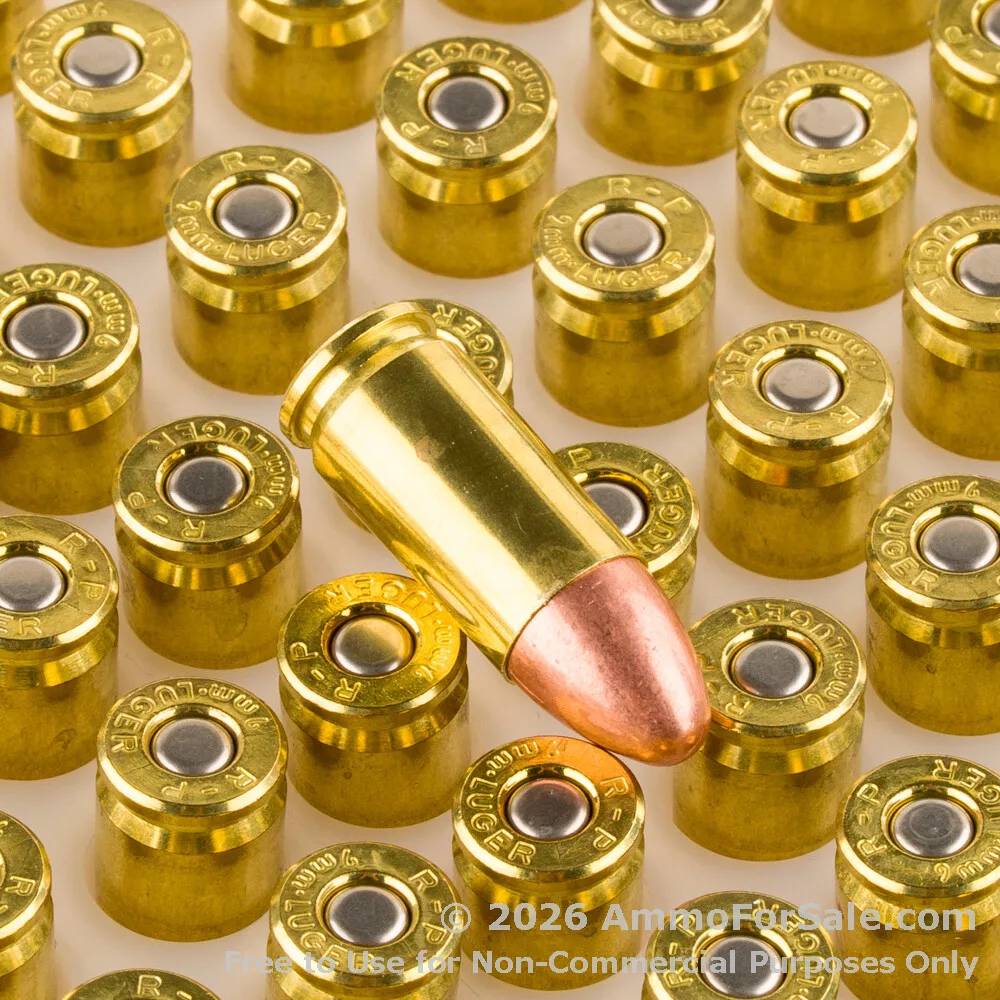
Image source: Bing (Web (fair-use with source credit))
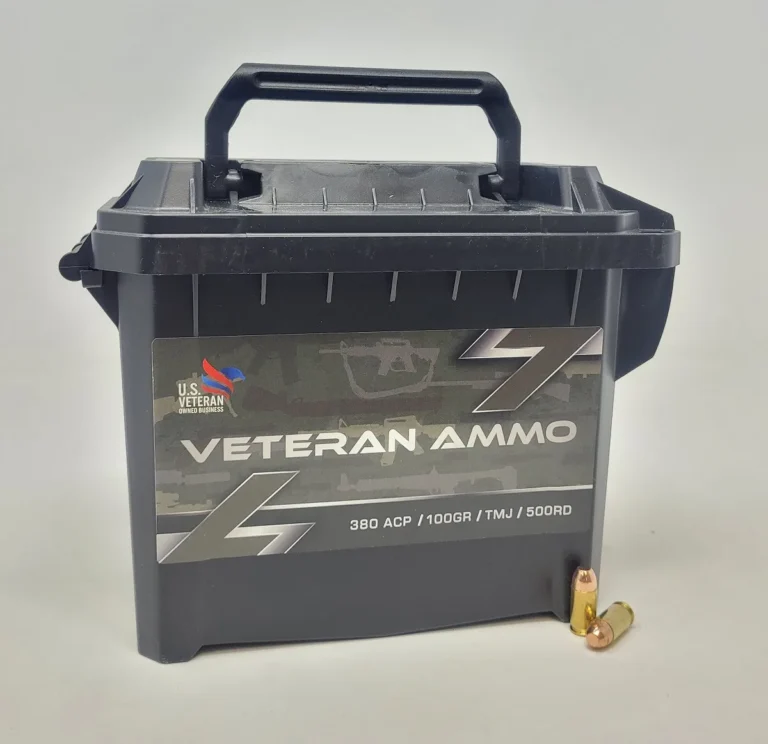
FMJ ammunition stands for Full Metal Jacket, and it's a foundational design in bullet manufacturing. At its core, an FMJ bullet has a soft lead projectile wrapped entirely in a harder metal jacket, typically made of copper or a copper alloy. This construction means the jacket covers the entire bullet, from the tip all the way down to the base, with no exposed lead.
This full casing serves a few key purposes. It helps the bullet maintain its shape as it travels down the barrel and through the air. It also reduces the amount of lead fouling left behind in the firearm's bore, making cleaning a bit simpler.
Because the lead core is fully contained, FMJ bullets are generally more durable and less prone to deformation during storage or handling compared to unjacketed bullets.
Quick Answer
FMJ ammunition means a bullet with a soft lead core fully encased in a harder metal jacket, usually copper. This design prevents the bullet from expanding on impact. It's commonly used for target shooting and training because it offers reliable feeding and reduced barrel fouling.
FMJ is a popular choice for practice due to its cost-effectiveness and durability.
Understanding FMJ Ammunition: What It Is and How It Works
The copper jacket is the defining feature. It’s significantly harder than the lead core. When the bullet is fired, the high pressures and temperatures in the barrel cause the jacket to grip the rifling, imparting spin for stability.
This also means the bullet itself doesn't easily flatten or break apart upon hitting a target, leading to a more predictable trajectory and less fragmentation.
In terms of performance, FMJ bullets are designed for penetration rather than expansion. Since they don't typically mushroom or expand upon impact, they tend to pass through targets more cleanly. This characteristic makes them ideal for controlled environments like shooting ranges where over-penetration is a significant safety concern, but it also limits their effectiveness for certain self-defense applications where terminal energy transfer is prioritized.
Key Features of Full Metal Jacket Rounds
The construction of Full Metal Jacket ammunition dictates its performance and use. Understanding these features helps clarify why FMJ is a go-to choice for many shooters, particularly those focused on training and practice. These aren't just minor details; they directly impact how the rounds function in your firearm and at the range.
The Construction Breakdown
- Lead Core: This is the central component, providing the bullet's mass. It's a relatively soft metal.
- Copper Jacket: A thin but strong layer of copper or a copper alloy completely encases the lead core. This jacket covers the nose, sides, and base of the bullet.
- Full Coverage: The term "Full Metal Jacket" literally means the jacket covers the entire bullet. There's no exposed lead at the tip or base.
- Non-Expanding Design: Due to the hard jacket, FMJ bullets are engineered not to expand or mushroom upon impact. They retain their original shape for consistent penetration.
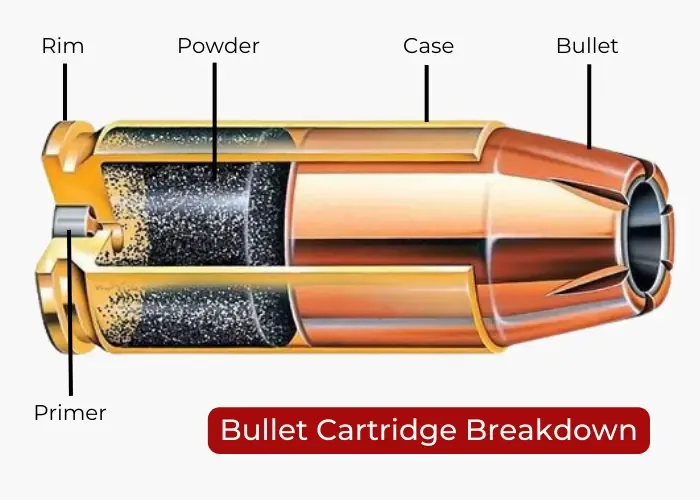
Image source: Bing (Web (fair-use with source credit))
Benefits of the FMJ Design
- Reduced Barrel Fouling: The copper jacket scrapes away some of the lead residue left by previous shots, leading to cleaner barrels and less frequent deep cleaning.
- Consistent Feeding: FMJ bullets have a smooth, uniform profile that reliably feeds from magazines into the chamber of most semi-automatic firearms.
- Predictable Ballistics: Their shape and lack of expansion contribute to a stable flight path, making them predictable for aiming at a range.
- Durability: The jacket protects the lead core, making FMJ ammunition more resistant to damage from recoil or impact during handling and storage.
Why FMJ Is Great for the Range (And Its Limits Elsewhere)
The shooting range is where FMJ ammunition truly shines. Its design is optimized for the specific demands of target practice, training, and recreational shooting. However, it's crucial to understand that these same characteristics can make it less suitable for other scenarios, particularly self-defense.
FMJ's Range Strengths
- Safety at the Range: FMJ bullets tend to retain their shape and penetrate straight through targets. This means they are less likely to fragment unpredictably, making them a safer choice for indoor and outdoor ranges where backstops are designed to catch projectiles. Over-penetration can still be a concern, but FMJ’s predictable path is a key safety factor.
- Cost-Effectiveness: Generally, FMJ ammunition is less expensive to manufacture than hollow-point or specialty rounds. This makes it an economical choice for the high volume of rounds often fired during practice sessions. Ammunition manufacturers often price FMJ rounds lower due to simpler production.
- Firearm Compatibility: Most firearms designed to chamber a particular cartridge type will reliably cycle FMJ ammunition. The smooth, non-expanding profile ensures consistent feeding and ejection.
FMJ's Limitations
- Terminal Performance: The primary limitation of FMJ ammunition is its lack of expansion. In a self-defense situation, expanding bullets like hollow points are often preferred because they are designed to mushroom upon impact, creating a larger wound channel and transferring more energy to the target. FMJ bullets tend to pass through targets with less energy transfer, which can be less effective.
- Over-penetration Risk: While generally safer than some other types at a range, FMJ bullets can still pose an over-penetration risk in certain real-world scenarios if the target is not adequately contained by a suitable backstop. This is a general ammunition safety consideration that applies to all bullet types to varying degrees.
FMJ vs. Other Bullet Types: Making the Right Choice
When you're picking out ammunition, you'll notice there are quite a few options beyond just FMJ. Each type is designed with a specific purpose in mind, and understanding the differences is key to choosing what's right for your needs. FMJ is common, but it's not the only game in town.
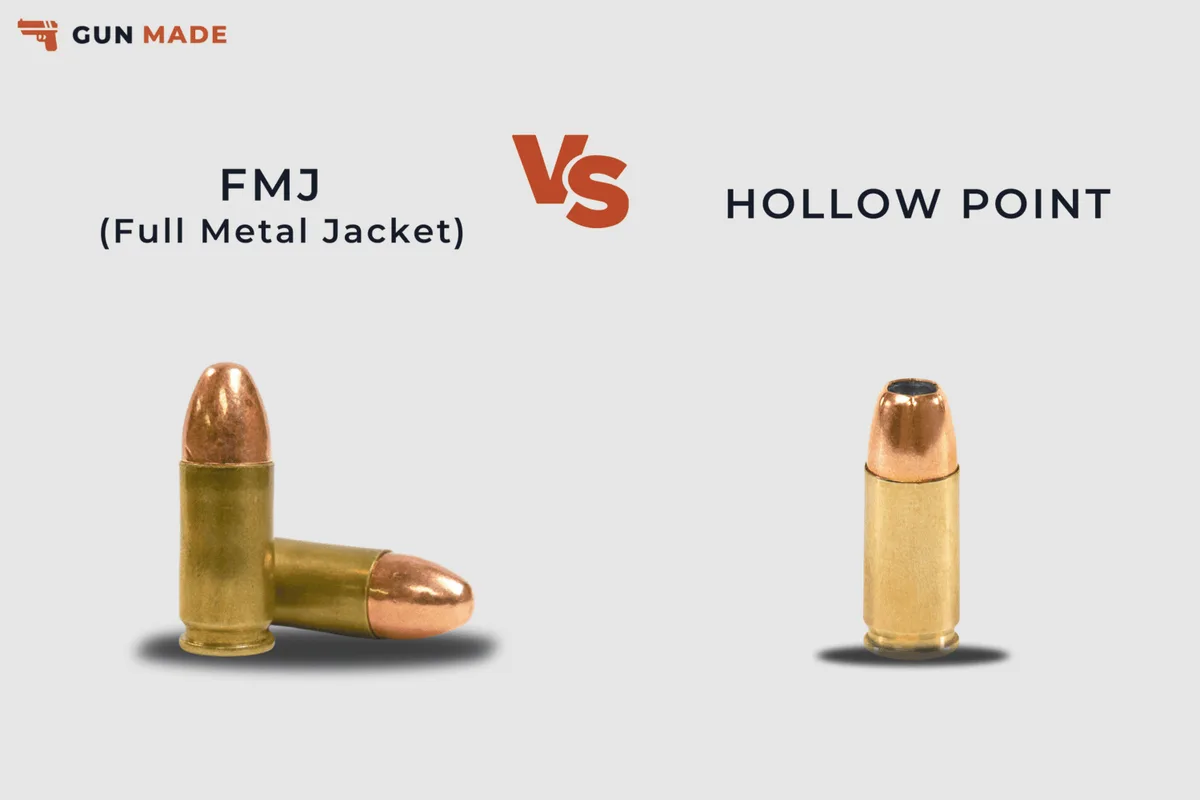
Image source: Bing (Web (fair-use with source credit))
Here’s a quick look at some common alternatives and how they stack up against FMJ:
Hollow Point (HP) / Jacketed Hollow Point (JHP): These bullets have a cavity in the nose designed to cause the bullet to expand rapidly upon impact. This expansion increases the bullet's diameter and slows its velocity, maximizing energy transfer. JHP is a type of HP where the core is jacketed, similar to FMJ, but with the nose cavity.
- Best For: Self-defense and hunting where controlled expansion and maximum energy transfer are desired.
- Vs. FMJ: Offers greater stopping power due to expansion, but can be more expensive and prone to over-penetration in some situations if it doesn't expand properly.
Soft Point (SP): These bullets have a lead core with a jacket that covers the base and sides but leaves the tip exposed. The exposed lead tip is designed to flatten or mushroom upon impact, similar to a hollow point but generally less dramatically.
- Best For: Hunting medium-sized game, balancing penetration with some expansion.
- Vs. FMJ: Provides more terminal expansion than FMJ, but typically less than a well-designed hollow point.
Open Tip Match (OTM): While often confused with hollow points, OTM bullets have a small "air pocket" or meplat at the tip that is not designed for expansion. The "open tip" is primarily a manufacturing aid to create a more precise bullet shape for extreme accuracy.
- Best For: Long-range precision shooting and competition where accuracy is paramount.
- Vs. FMJ: Generally offers superior accuracy due to tighter manufacturing tolerances but is usually more expensive and not intended for expansion.
Choosing between these types depends entirely on your intended use. For general range practice and training, FMJ is often the most practical and cost-effective. If your focus shifts to hunting or personal defense, you'll want to explore expanding bullet designs.
Common Mistakes When Using FMJ Ammunition
Even with a straightforward design like FMJ ammunition, there are still a few common pitfalls that shooters can fall into. Being aware of these can help you shoot more safely and effectively, especially if you're newer to firearms or just looking to refine your understanding. These aren't about complex malfunctions; they're about understanding the bullet's behavior and limitations.
Not Understanding Terminal Performance
- The Mistake: Assuming FMJ ammunition will perform like a self-defense round. Because FMJ doesn't expand, it may not have the same stopping power or energy transfer characteristics as hollow-point bullets.
- Why It Matters: Using FMJ for self-defense, while legal in many places, might not provide the immediate incapacitation desired. It's designed for penetration, not for rapid energy dump. Always choose ammunition specifically suited to its intended purpose, and consult reputable sources like manufacturer specifications for terminal ballistics data.
Ignoring Range Rules
- The Mistake: Not checking or adhering to specific range rules regarding ammunition types. Some indoor ranges, for example, may prohibit certain types of ammunition to protect their backstop materials.
- Why It Matters: While FMJ is generally accepted, it's always best practice to confirm with the range operator. This prevents issues and ensures you're following safety guidelines, which often prioritize projectile behavior to protect equipment and other shooters.
Over-Reliance on Penetration
- The Mistake: Believing that FMJ's full jacket always means superior penetration in all circumstances, leading to a disregard for potential over-penetration risks.
- Why It Matters: While FMJ is designed for good penetration, factors like bullet weight, velocity, and the target material all influence how a round behaves. Relying solely on the "FMJ" label without considering the context can lead to misjudgments about safety, especially in situations where multiple threats or bystanders might be present. For instance, SAAMI standards provide velocity and energy ratings that can help compare different loads.
Safety First: Handling and Using FMJ Responsibly
Handling any ammunition, including FMJ rounds, requires strict adherence to safety protocols. While FMJ bullets are generally stable and reliable, improper handling can still lead to accidents or damage. Understanding the fundamental safety principles is paramount for anyone who shoots, reloads, or stores ammunition.
Core Safety Principles
- Treat Every Firearm as Loaded: Always assume a firearm has a round in the chamber, even if you think it's unloaded. Point the muzzle in a safe direction and keep your finger off the trigger until you are ready to shoot.
- Know Your Target and What's Beyond It: This is a cardinal rule of firearms safety. With FMJ ammunition, be especially mindful of its penetration capabilities. Ensure your backstop is adequate and that no unintended targets or people are in the line of fire or its potential trajectory.
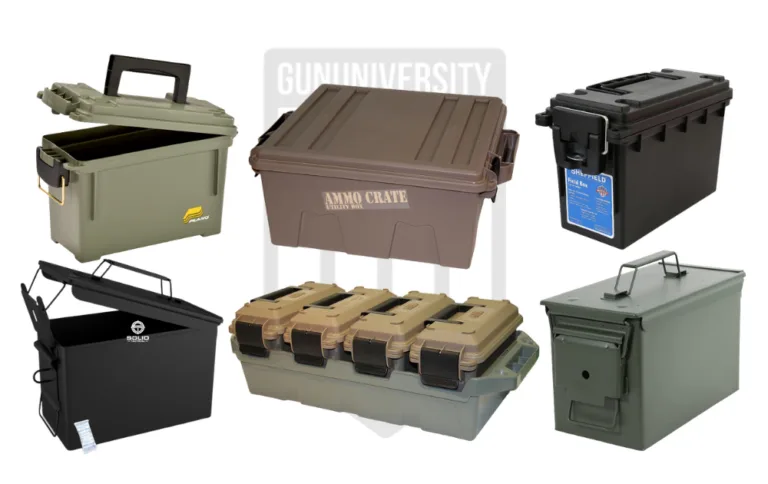
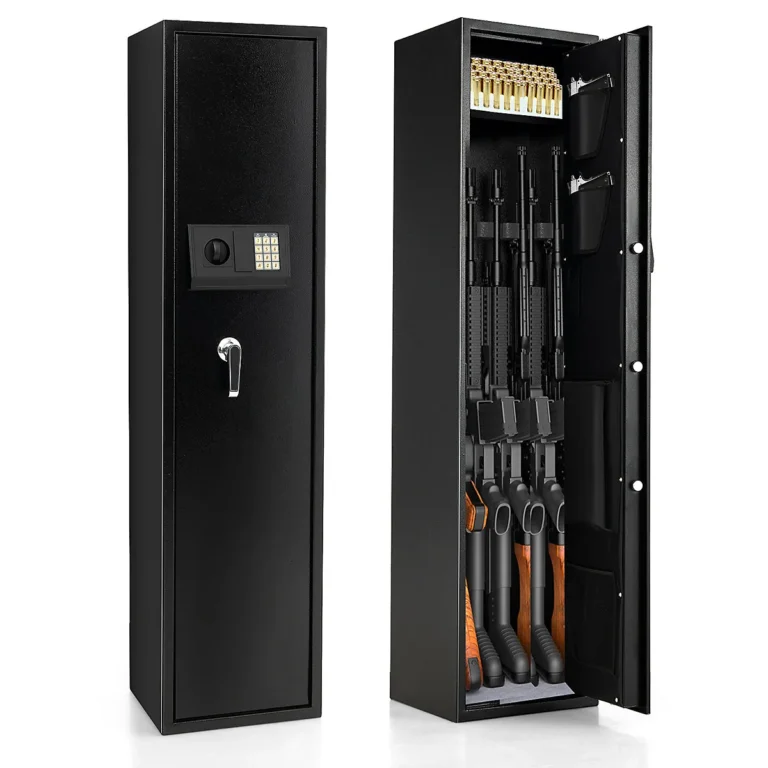
- Store Ammunition Properly: Keep ammunition in a cool, dry place, away from excessive heat or moisture. Store it in its original packaging or an appropriate ammunition container, and ensure it's out of reach of children and unauthorized individuals.
Understanding Potential Risks
While FMJ is a robust design, it's not immune to potential issues. For instance, some older or lower-quality FMJ rounds might have jackets that aren't perfectly bonded to the core, which could lead to jacket separation on impact. This is rare with reputable manufacturers adhering to standards like those from SAAMI, but it's a theoretical possibility.
Also, excessive heat or humidity can degrade the gunpowder over long periods, affecting performance.
Frequently Asked Questions About FMJ
What caliber is FMJ ammunition made in?
FMJ ammunition is manufactured in a vast array of calibers, fitting almost any type of firearm. You'll find FMJ rounds for common pistol calibers like 9mm Luger.45 ACP, and .40 S&W, as well as rifle calibers such as .223 Remington (5.56x45mm NATO).308 Winchester (7.62x51mm NATO), and .30-06 Springfield. The caliber is determined by the firearm it's designed to function in.
Can FMJ ammunition be used for hunting?
While FMJ ammunition is legal for hunting in many areas, it's generally not recommended for most game animals. Its non-expanding nature means it might not provide sufficient energy transfer or wound channels needed for a quick, humane kill on larger game. For hunting, expanding bullet types like soft points or hollow points are usually preferred to ensure effective terminal performance.
Always check local hunting regulations.
Is FMJ ammunition legal everywhere?
FMJ ammunition is legal for civilian purchase and use in most regions for target practice and sport shooting. However, specific locations or jurisdictions might have restrictions, particularly concerning certain calibers or types of projectiles. It's crucial to be aware of and comply with all local, state, and federal laws regarding ammunition possession and use.
For example, some countries regulate certain military calibers.
Does FMJ ammunition damage firearms more than other types?
No, FMJ ammunition is typically designed to be safe for use in firearms intended for that caliber. In fact, the copper jacket can reduce lead fouling in the barrel compared to lead-only bullets. Firearms designed for standard cartridges will generally function perfectly well with FMJ rounds.
Using ammunition that is outside the firearm's specified caliber, however, is extremely dangerous.
Expert Tips for Maximizing Your FMJ Experience
To get the most out of FMJ ammunition, whether you're at the range or just practicing your marksmanship, a few expert insights can make a difference. These tips focus on optimizing performance, ensuring reliable function, and making smart choices that align with your shooting goals. It's about working with the ammunition's strengths.
Choose the Right Weight and Velocity
- Match to Your Firearm: Ammunition comes in various bullet weights (measured in grains) and velocity ratings (like standard, +P, or +P+). Lighter, faster bullets will have a flatter trajectory but might recoil more sharply. Heavier, slower bullets might drop more but can offer more consistent feeding in certain firearms.
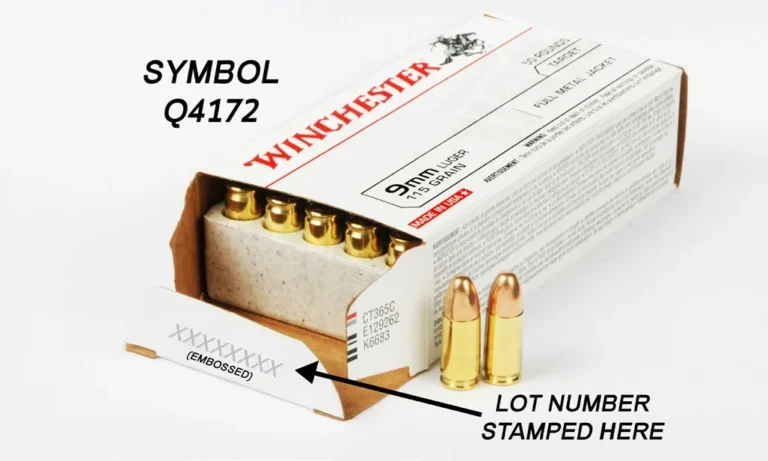
- Research Manufacturer Specs: Always check your firearm's manual for recommended ammunition types and weights. Manufacturer specifications for rounds, like those from Federal or Winchester, provide critical data on velocity and energy, helping you select the best fit for your pistol or rifle.
Maintain Your Firearm
- Regular Cleaning: While FMJ reduces lead fouling, it doesn't eliminate the need for regular cleaning. Powder residue and other contaminants can still build up in your firearm. A clean action ensures reliable feeding and firing.
- Inspect Ammunition: Before heading to the range, inspect your FMJ rounds. Look for any signs of damage, corrosion, or inconsistent construction. Discard any suspect rounds.
Understand Your Goal
- Practice vs. Application: Remember why you're using FMJ. If it's for target practice, focus on accuracy and volume. If you're considering it for any other application, understand its limitations and explore purpose-built ammunition if necessary. Your choice should align with the desired outcome, whether that's hitting a bullseye or ensuring reliable firearm function.