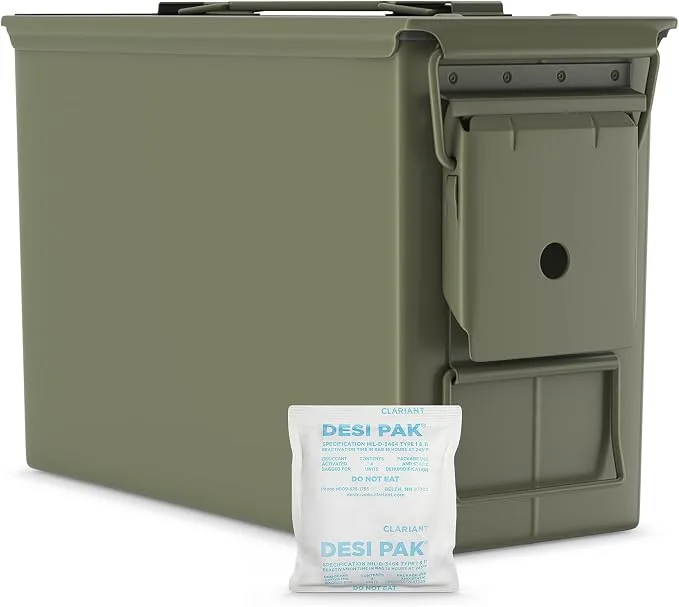
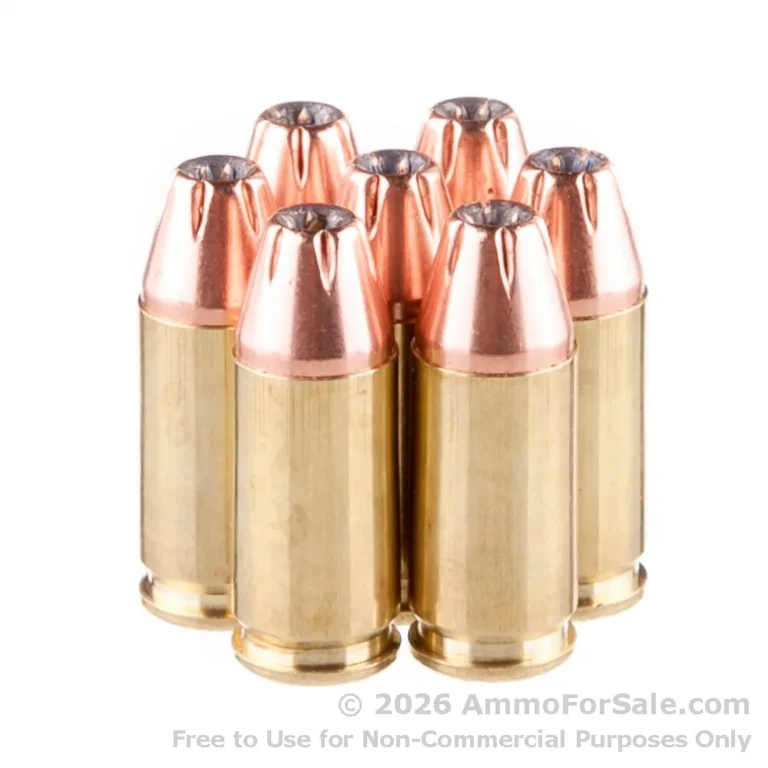
How Should Ammunition Be Stored Around Children?
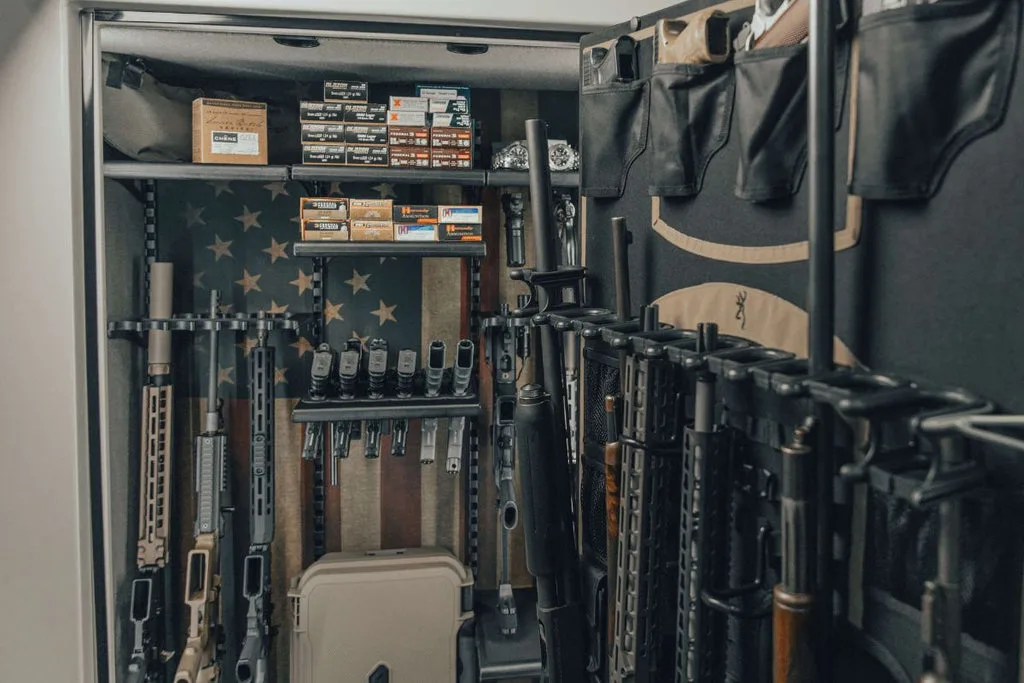
Image source: Bing (Web (fair-use with source credit))
Storing ammunition safely when children are present is one of the most critical responsibilities for any gun owner. It’s about creating a secure environment where curiosity cannot lead to tragedy.
Our research indicates that secure, unloaded storage is the cornerstone of preventing unintentional firearm injuries. As of 2026, the U.S. Consumer Product Safety Commission (CPSC) continues to emphasize multi-layered safety measures for all household items that could pose a risk to children.
Properly securing ammunition, separate from firearms and out of reach, is paramount.
Quick Answer
Ammunition must be stored unloaded and locked separately from firearms. Use a dedicated, keyed lockbox or safe for ammunition. Ensure this container is inaccessible to children.
Always store firearms unloaded and secured in their own locked safe or cabinet.
Why Secure Ammo Storage Around Kids is Non-Negotiable
When we talk about firearm safety, the conversation often starts with the guns themselves. But what about the ammunition? It’s the essential component that makes a firearm functional, and therefore, it demands the same level of stringent security, especially when children are in the home.
Ignoring ammunition storage is a serious oversight that can have devastating consequences.
The primary goal is to make it impossible for a child to access either the firearm or the ammunition. This isn't just about following rules; it's about understanding the inherent risks and proactively mitigating them. Research consistently shows that when firearms are stored locked and unloaded, and ammunition is stored separately and locked, the risk of unintentional shootings involving children is drastically reduced.
The Critical Risk: Accidental Access and Its Consequences
The most significant risk associated with improper ammunition storage is unintentional access by children. Their natural curiosity, coupled with a lack of understanding of the potential danger, can lead them to explore items they shouldn't. This exploration can turn into a tragedy in seconds if ammunition is readily accessible.
An unattended box of cartridges, a loose magazine in a drawer, or even ammunition left on a shelf can become a point of focus for a child. They might play with it, try to ingest it, or, worst-case scenario, attempt to load it into an unsecured firearm. The outcomes can range from severe injury to fatalities.
Statistics from organizations like the Centers for Disease Control and Prevention (CDC) highlight the preventable nature of many firearm deaths and injuries involving minors.
The Golden Rule: Separate Firearms and Ammunition, Both Locked
The most fundamental principle for safe storage is to keep firearms and ammunition completely separate. Storing them together, even if both are locked, presents an unacceptable risk. If a child manages to bypass the security of one, the other is still within reach.
- Firearms should always be stored unloaded in a locked gun safe, cabinet, or case that is secured to a wall or floor.
- Ammunition must be stored in a separate, locked container. This could be a dedicated ammunition safe, a locked metal box, or a securely locked drawer.
This layered approach ensures that even if one security measure is compromised, the child still faces an additional barrier before reaching the live rounds.
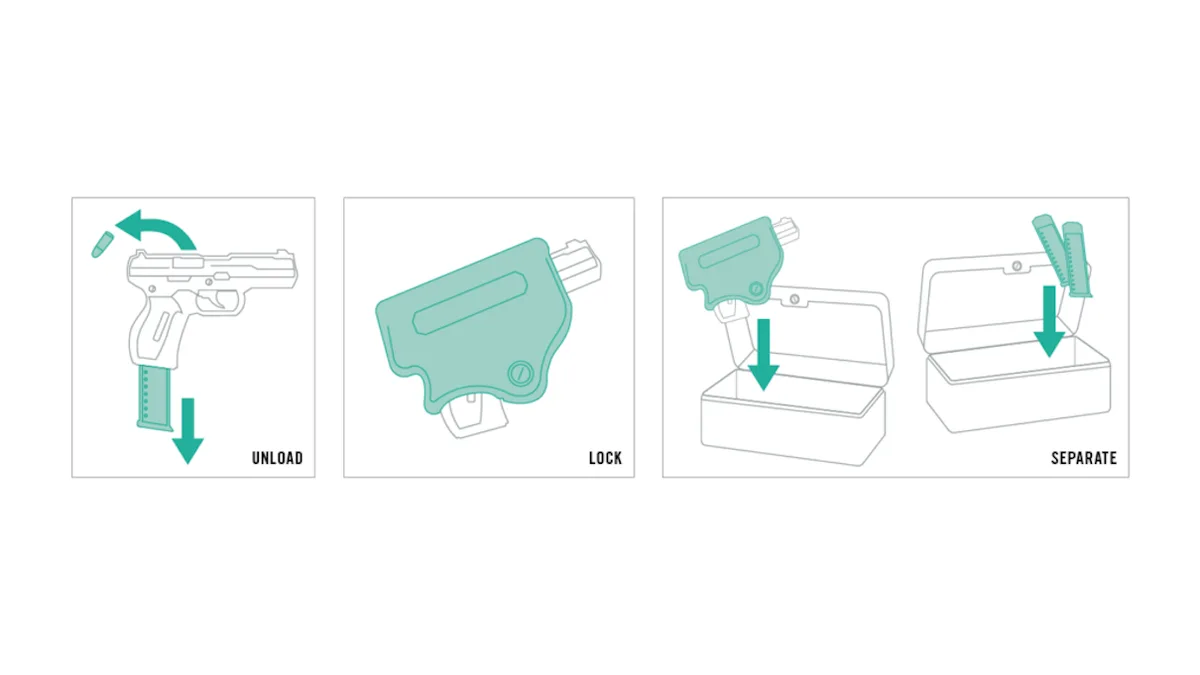
Image source: Bing (Web (fair-use with source credit))
Essential Components of Secure Ammunition Storage
When we talk about securing ammunition, it’s not just about putting it in a box. It’s about the specific features of that container and how it's deployed that make it truly effective in preventing child access. We need to consider what makes storage "secure" and what specific attributes a container needs to possess.
The goal is to create a barrier that is physically impenetrable by a child and requires intentional action (a key or a specific combination) to bypass. This goes beyond simple containment; it's about active prevention.
Understanding "Locked" and "Secure"
"Locked" means a mechanism that requires a key or a combination to open. A simple latch, a snap-on lid, or a plastic container that can be easily pried open by a child doesn't qualify as locked for safety purposes. "Secure" implies that the container itself is resistant to being moved, carried away, or broken into by a determined individual, especially a child.
For ammunition, this translates to a container that cannot be easily opened by twisting, pulling, or manipulating without the correct key or code. This is a standard recommended by various firearm safety organizations, emphasizing that the locking mechanism must be robust enough to prevent unauthorized access.
Key Features of Ammo Storage Solutions
Not all containers are created equal when it comes to ammunition storage. To truly secure your rounds from children, look for specific features:
- Keyed or Combination Lock: This is non-negotiable. The container must have a reliable locking mechanism that requires a key or a numerical combination.
- Durable Construction: Opt for containers made from sturdy materials like thick steel or reinforced polymer. This prevents them from being easily broken open.
- Separate from Firearm: As emphasized earlier, the ammunition container must be distinct and stored separately from the firearm itself.
- Compact and Concealable (Optional but Recommended): While not strictly a security feature, a smaller, lockable ammo box can be more easily hidden in a secure location than a large, unwieldy container.
- Fire Resistance (Beneficial): Some ammunition storage solutions offer fire resistance, which can protect the contents from heat damage in the event of a fire, though this is secondary to preventing child access.
Step-by-Step Guide to Storing Ammunition Safely
Implementing safe ammunition storage is a straightforward process, but it requires diligence and attention to detail. Following these steps consistently will significantly enhance safety for children in your home. Think of this as building a strong habit that protects your family.
The process hinges on separating the components (firearm and ammunition) and ensuring each is secured independently. This two-pronged approach is far more effective than any single measure.
Step 1: Unload Firearms Completely
Before you do anything else, confirm that any firearm in your home is unloaded. This is the absolute first step in safe firearm handling and storage.
- Visually and physically inspect the chamber and magazine well.
- Remove the magazine if applicable.
- Ensure no rounds are present in the chamber or feeding mechanism.
This step is critical regardless of whether the firearm is being stored or temporarily set aside.
Step 2: Choose the Right Locked Container for Ammunition
Once you've confirmed the firearm is unloaded, turn your attention to the ammunition. Select a container specifically designed for secure storage.
- Use a dedicated ammunition lockbox or safe. These are built to house cartridges and typically feature robust keyed or combination locks.
- Avoid general storage bins or containers without a true locking mechanism. A simple plastic tote or an unlocked drawer is not sufficient.
- Ensure the container is appropriately sized to hold your ammunition securely without excessive rattling or space.
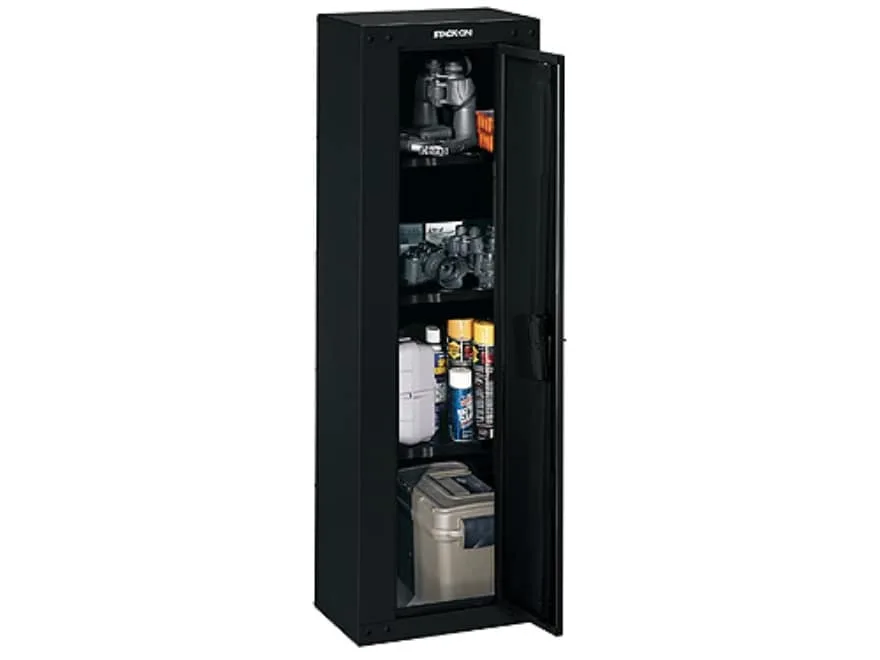
Image source: Bing (Web (fair-use with source credit))
Step 3: Select a Secure, Inaccessible Location
Where you store the locked ammunition container is as important as the container itself. The location must be completely inaccessible to children.
- Store it in a location that is out of sight and out of reach. This means not in common play areas, bedrooms, or easily accessible closets.
- Consider a locked cabinet or a secure room where children are not permitted.
- If the ammunition container is small and portable, ensure it is secured to prevent it from being carried away by a child. Some lockboxes have provisions for cable locking to furniture.
Step 4: Maintain Vigilance and Secure Both Components
Safety isn't a one-time task; it's an ongoing practice. You must consistently apply these steps every time you handle firearms and ammunition.
- Always return ammunition to its locked container immediately after use. Don't leave it out, even for a short period.
- Ensure the firearm is unloaded and secured in its own safe before returning it to storage.
- Regularly check that all locking mechanisms are functioning properly and that the containers remain inaccessible.
Common Mistakes That Compromise Safety
Even with the best intentions, several common mistakes can undermine even the most carefully planned ammunition storage setup. These errors often stem from underestimating risks or overlooking critical details. Becoming aware of these pitfalls is the first step to avoiding them.
The core issue with these mistakes is that they create a false sense of security. You might think you've done enough, but a small oversight can leave a dangerous gap.
Overlooking Ammo Security
Many people focus intently on securing the firearm itself, putting it in a safe, using a lock, but neglect to give the ammunition the same level of attention. They might store it in a drawer, a closet shelf, or even a toolbox that isn't truly locked. This oversight is extremely dangerous because the ammunition is the component that makes a firearm lethal.
If a child can access the ammunition, they are one step closer to being able to load an unsecured firearm, creating a potentially catastrophic situation. The principle of separation is key: both the gun and the ammo need their own dedicated, locked storage.
Underestimating Children's Curiosity
It's a natural human tendency for children to explore their environment. Their curiosity is a vital part of their development, but it doesn't come with an inherent understanding of danger, especially concerning firearms. What seems like a "hidden" spot to an adult might be an irresistible target for a child.
- Children are adept at problem-solving and imitating adults. They may watch you access your stored items and replicate the actions.
- They can often figure out simple locks or containers that adults might assume are childproof. Always assume a child is capable of accessing anything they set their mind to.
Relying on Inadequate Locks or Locations
Using a container that isn't truly locked or storing ammunition in a location that isn't genuinely inaccessible are critical errors. A "lock" that can be easily jiggled open, a container that can be tipped over and spilled, or a spot that children frequent are all vulnerabilities.
- Ensure locks are functional and require a key or combination.
- Verify the storage location is genuinely out of reach and sight for all children in the household, including visiting children.
Safety, Legal, and Compliance Considerations
Beyond personal responsibility, there are broader safety guidelines and, in many places, legal mandates regarding firearm and ammunition storage. Understanding these frameworks is crucial for responsible gun ownership. These regulations are designed to protect everyone, especially children, from preventable harm.
While specific laws vary significantly by state and local jurisdiction, the underlying principles of safe storage are universally recognized by safety experts.
Understanding Child Access Prevention (CAP)
Many states have enacted Child Access Prevention (CAP) laws. These laws hold gun owners accountable if a minor gains unauthorized access to a firearm and that access results in injury or death. These laws often mandate specific storage requirements, such as locking the firearm and ammunition separately.
- CAP laws underscore the importance of diligent storage practices. Failure to comply can result in criminal charges, even if no injury occurs.
- Always familiarize yourself with the specific CAP laws in your area. Information is often available through state government websites or local law enforcement agencies.
When Local Laws Dictate Storage Methods
Local and state laws provide the legal framework for safe storage. These regulations are typically based on recommendations from safety organizations and are designed to be a baseline for responsible gun ownership.
- Check your state's statutes regarding firearm and ammunition storage. This typically involves requirements for locked containers, trigger locks, or gun safes.
- Some jurisdictions may have specific requirements for ammunition storage, such as requiring it to be stored in a separate locked container from the firearm, or in a container that is fire-resistant. Adhering to these legal minimums is essential.
Expert Tips for Extra Peace of Mind
While the fundamental rules of securing firearms and ammunition are clear, seasoned firearm owners often implement additional layers of safety. These advanced strategies go beyond the basic requirements and are designed to create an even more robust protection system, especially for families with young children or those who live in areas with high foot traffic. Implementing these tips can offer a deeper sense of security.
The aim here is to anticipate every possible scenario and eliminate any lingering vulnerabilities. It’s about making safety so ingrained that it becomes second nature.
Beyond the Basics: Layers of Security
Think of security like building a fortress. You need strong walls, but you also need a moat, guards, and perhaps even a secret escape route. For ammunition storage, this means layering your security measures.
- Combine Storage Methods: Don't rely on just one lock. Use a high-quality gun safe for firearms and a separate, equally robust locked container for ammunition. Ensure the safe itself is bolted down.
- Secure the Keys/Combinations: Never leave keys lying around where children can find them. Store them in a separate, secure location known only to responsible adults, or use a combination lock and keep the code confidential.
- Consider a Firearm Trust: For complex estate planning or if you want to designate specific individuals to have access, a firearm trust can offer advanced control over storage and transfer. This is a legal mechanism, not a physical one, but it enhances long-term control.
Age-Appropriate Conversations About Gun Safety
While physical security is paramount, as children mature, conversations about firearm safety become an important supplement. These discussions should be handled carefully and age-appropriately, reinforcing the message that firearms are not toys and should never be touched without adult supervision.
- For younger children: Focus on simple rules, like "If you see a gun, don't touch it, leave the room, and tell an adult immediately."
- For older children and teenagers: You can delve deeper into the responsibility of gun ownership, the mechanics of safe storage, and the serious consequences of misuse. This should always be framed within the context of your household's strict storage protocols.
Frequently Asked Questions About Ammunition Storage
Is it ever okay to store ammunition in the same place as a loaded firearm?
No, it is never okay to store ammunition in the same place as a loaded firearm, especially around children. The cardinal rule is always to store firearms unloaded and separately from ammunition, with both components secured by locks.
What kind of lock should I use for ammunition storage?
You should use a keyed or combination lock. A simple latch or a container that can be easily opened without a key or code is not considered secure. The lock mechanism should be robust and require intentional effort to open.
How can I ensure my children don't find the ammunition, even if it's locked?
The best approach is to store ammunition in a location that is truly inaccessible to children. This means a high shelf, a locked safe bolted to the floor, or a secure room that children do not have access to. Combine this with secure locking containers for an extra layer of protection.
What if I live in an apartment and don't have a lot of space for a large gun safe?
There are many compact, wall-mounted, or under-bed gun safes available that are suitable for smaller living spaces. For ammunition, smaller, portable lockboxes made of steel are a good option. The key is that it must be locked and out of reach.
Are there any specific types of ammunition that require different storage?
Generally, all types of ammunition should be stored securely and separately from firearms. While some highly specialized rounds might have unique handling instructions from the manufacturer, the fundamental safety principles for child access prevention remain the same across standard calibers.