How Is Ammunition Measured?
Understanding how ammunition is measured is critical for safety and ensuring your firearm performs as expected. It’s not just about picking a box off the shelf; it's about knowing the specific dimensions and characteristics that define each cartridge. As of 2026, the variety of ammunition types means paying close attention to these details can prevent dangerous malfunctions.
When you look at ammunition, several key measurements tell you about its size, power, and suitability for your firearm. The most common are caliber for bullet diameter and grains for powder charge. These specs, along with others like overall length, are standardized by organizations such as the Sporting Arms and Ammunition Manufacturers' Institute (SAAMI) to ensure compatibility and safety across different manufacturers.
Quick Answer
Ammunition is measured primarily by caliber (bullet diameter) and gauge (for shotguns). The powder charge is measured in grains, indicating its weight. Other specifications include overall length (OAL), case length, and bullet weight, all crucial for firearm compatibility and performance.
Why Understanding Ammo Measurements Matters for Safety
Handling ammunition safely means knowing exactly what you’re dealing with. Using the wrong type or size of ammunition in a firearm can lead to serious consequences. Our research indicates that improper ammunition selection is a leading cause of firearm malfunctions and potentially dangerous situations.
For instance, a cartridge designed for a larger firearm might exert too much pressure on a smaller one, risking catastrophic failure. Conversely, using underpowered ammunition can result in stovepipes or failure to cycle, rendering the firearm useless in critical moments.
Manufacturer specifications, often guided by standards from bodies like SAAMI, detail precise measurements for each cartridge type. These standards ensure that a 9mm cartridge from one maker will function safely in a firearm chambered for 9mm from another. Deviating from these defined measurements or using ammunition not specifically recommended for your firearm type is a significant safety risk that cannot be overstated.
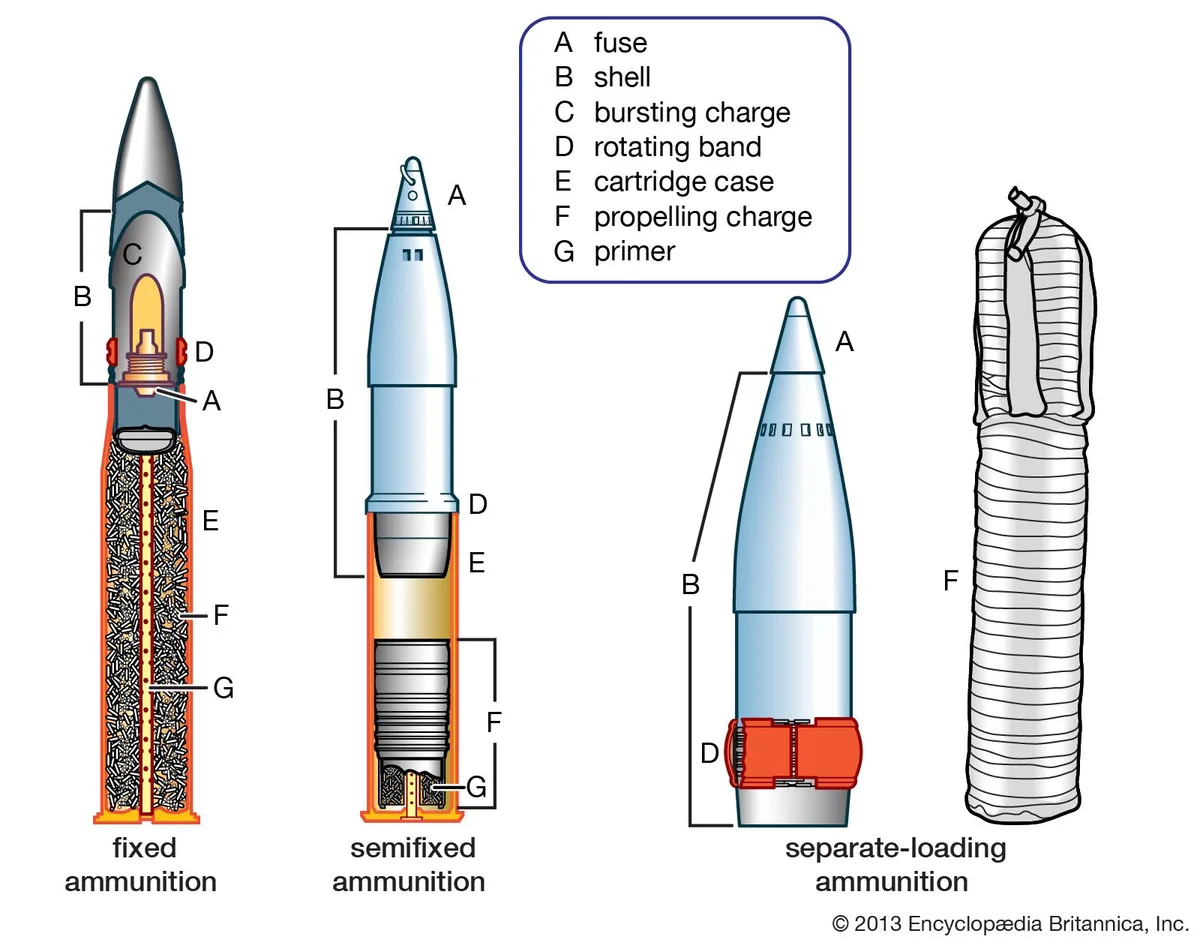
Image source: Bing (Web (fair-use with source credit))
Core Ways Ammunition is Measured
When we talk about measuring ammunition, we're really breaking down its components and how they fit together. It boils down to a few key metrics that manufacturers and users rely on to ensure compatibility, performance, and most importantly, safety. Think of it like building something: you need to know the exact dimensions of your parts to get it right.
For ammunition, these measurements are standardized to ensure that a specific cartridge will work reliably and safely in a firearm designed for it.
Bullet Diameter: Caliber vs. Gauge
The most fundamental measurement you’ll encounter for ammunition is its diameter. This is typically expressed as caliber for most rifles and handguns, and gauge for shotguns. These terms tell you the size of the projectile or the bore of the barrel it's intended for.
- Caliber: This refers to the approximate diameter of the bullet. It’s usually given in inches (e.g..22.30) or millimeters (e.g., 9mm, 5.56mm). For example, a .22 caliber bullet is smaller than a .30 caliber bullet. When you see cartridge names like .223 Remington or .308 Winchester, the number preceding "Remington" or "Winchester" is the approximate bullet diameter in inches.
- Gauge: For shotguns, measurements are different. Gauge relates to the diameter of the shotgun's bore. It’s based on the number of lead balls of a specific size that would weigh one pound. A 12-gauge shotgun has a larger bore diameter than a 20-gauge shotgun because it takes fewer lead balls of that size to make a pound.
Understanding whether you need to look at caliber or gauge is the first step in selecting the correct ammunition for your firearm.
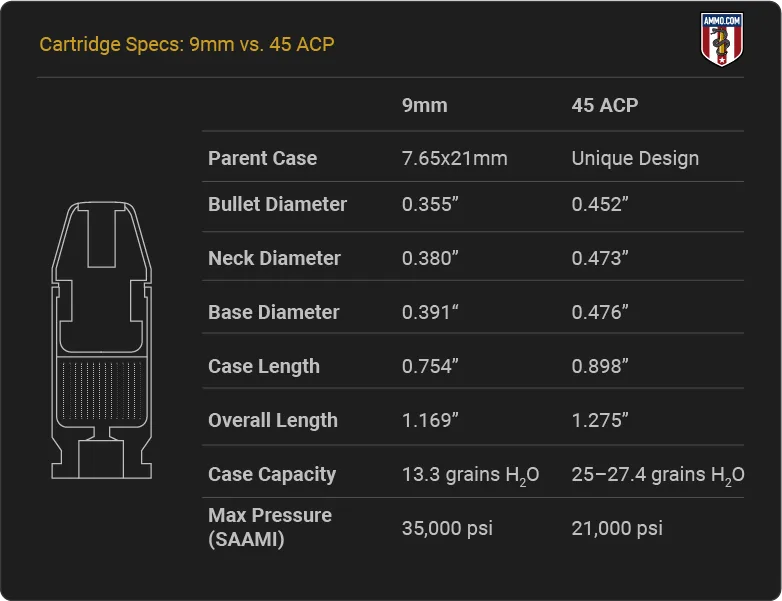
Image source: Bing (Web (fair-use with source credit))
Powder Charge: The Weight in Grains
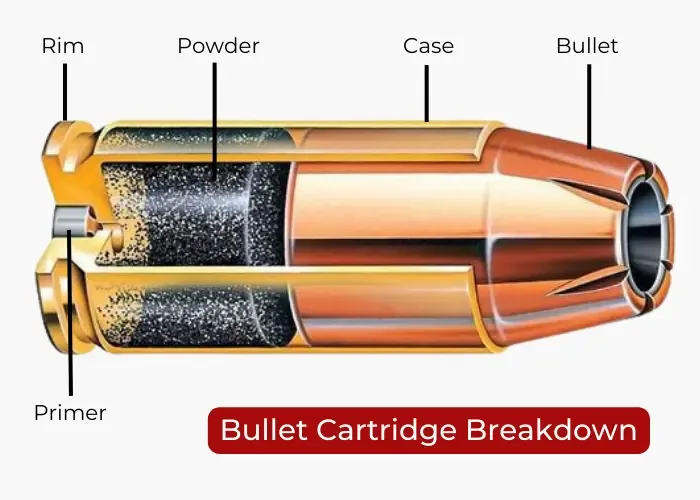
Behind the bullet, in the cartridge case, sits the propellant, the gunpowder. The amount of this powder directly influences the bullet’s velocity and energy. This crucial measurement is almost universally expressed in grains.
A grain is a very small unit of weight; there are 7,000 grains in a single pound.
- What it means: A larger grain count for the powder charge generally means a more powerful round, resulting in higher muzzle velocity. Conversely, a lower grain count typically means less power.
- Why it's important: The correct powder charge is vital for safe operation. Too little powder might not generate enough pressure to cycle the action, while too much could create excessive pressure, potentially damaging the firearm or causing injury. Reloaders pay extremely close attention to powder charges, referencing data from reputable sources to stay within safe limits.
The weight of the powder charge is a critical factor determining a cartridge's performance characteristics and safety parameters.
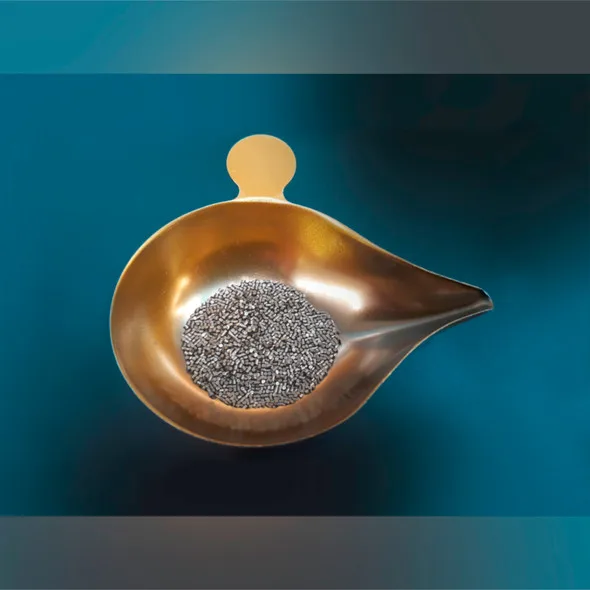
Image source: Bing (Web (fair-use with source credit))
Other Key Cartridge Specs: OAL, Case Length, and More
Beyond the bullet's diameter and the powder's weight, several other measurements define a complete ammunition cartridge. These specifications ensure the cartridge will fit correctly in the firearm's chamber and function as intended.
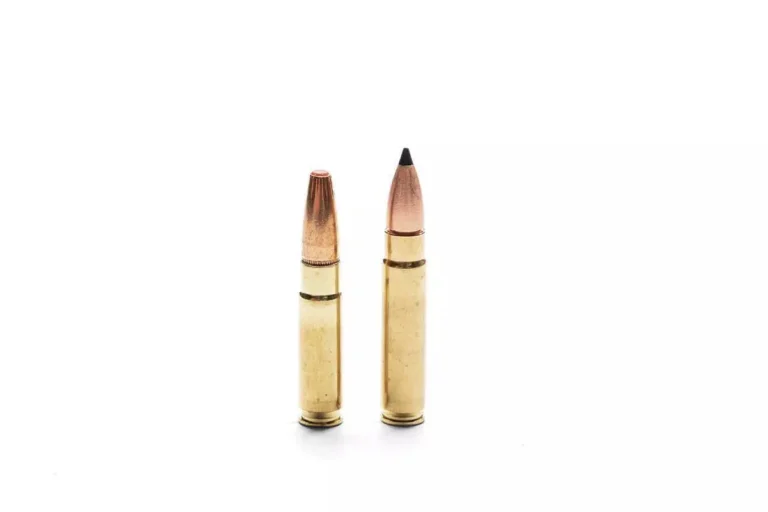
- Overall Length (OAL): This is the total length of the loaded cartridge, from the tip of the bullet to the base of the casing. OAL is critical for proper feeding from magazines and for ensuring the bullet isn't jammed into the rifling prematurely when chambered, which could increase pressure. Different firearms and magazines may have specific OAL limitations.
- Case Length: This refers to the length of the metallic cartridge case itself. Case length dictates the maximum amount of powder a cartridge can hold and can influence how the cartridge feeds and extracts. For example, a .308 Winchester case is shorter than a .30-06 Springfield case, which affects the powder capacity and resultant velocities.
- Bullet Weight: While caliber measures the diameter, bullet weight is often specified in grains (the same unit used for powder). Heavier bullets generally travel slower but retain more energy downrange, while lighter bullets are typically faster but lose energy more quickly.
These interconnected measurements, bullet diameter, powder charge, OAL, case length, and bullet weight, collectively define a specific cartridge's identity and performance envelope.
Performance Metrics: Velocity and Energy Explained
While caliber and powder charge tell you about the physical characteristics of ammunition, metrics like muzzle velocity and energy describe its performance once fired. These aren't measurements of the ammunition itself before firing, but rather the result of its design and how it interacts with the firearm. Understanding these figures helps you predict how a bullet will behave in flight and upon impact.
- Muzzle Velocity: This is the speed at which the bullet leaves the firearm's barrel. It's typically measured in feet per second (fps) or meters per second (m/s). Manufacturer specifications usually provide a typical muzzle velocity for a given cartridge fired from a standard test barrel length. Velocity significantly impacts trajectory (how flat the bullet flies) and the energy it carries.
- Energy: Measured in foot-pounds (ft-lbs) or Joules, this quantifies the kinetic energy of the bullet. It's calculated based on the bullet's weight and its velocity. Higher energy typically translates to greater potential for penetration and stopping power, which is a key consideration for hunting or self-defense applications.
These performance metrics help users understand the practical application of different ammunition types and make informed choices based on their intended use. For instance, a hunter might prefer ammunition with higher energy for larger game, while a target shooter might prioritize consistent velocity for predictable accuracy.
Safety First: Matching Ammo to Your Firearm
Matching the correct ammunition to your firearm is the single most important safety measure you can take. Manufacturers design firearms to operate within specific pressure and dimension parameters defined by SAAMI standards. Using ammunition that falls outside these parameters is extremely dangerous.
- Pressure: Ammunition is rated for specific pressure levels. Exceeding these levels can cause catastrophic firearm failure, leading to severe injury. For example, loading a cartridge with too much gunpowder, or using a cartridge with a higher SAAMI pressure rating than the firearm is designed for, creates this risk.
- Dimensions: As we’ve discussed, caliber, case length, and overall length are critical. A cartridge that is too long may not chamber properly, while one with a different case taper might not extract correctly after firing. These dimensional mismatches can cause jams or, more dangerously, prevent the bolt from fully closing, leading to unsafe pressure build-up.
Always consult your firearm's manual for the exact caliber and type of ammunition it is designed to safely fire.
Frequently Asked Questions About Ammunition Measurement
What is the most common way ammunition is measured?
Ammunition is most commonly measured by its caliber, which refers to the diameter of the bullet or bore. For shotguns, this is measured in gauge. The powder charge is typically measured in grains.
Can I use any 9mm ammunition in my 9mm pistol?
Generally, yes, but always verify. Most 9mm firearms are chambered for 9mm Luger (also known as 9x19mm Parabellum). However, other less common 9mm cartridges exist, like 9mm Makarov.
Using the wrong type can be dangerous, so confirm your firearm's specific chambering.
What does "grain" mean when talking about ammunition?
"Grain" is a unit of weight used for both bullets and powder charges. One pound is equal to 7,000 grains. A heavier bullet or a larger powder charge will have a higher grain count.
How does bullet weight affect performance?
Heavier bullets within the same caliber tend to travel slower but retain more energy downrange and are less affected by wind. Lighter bullets are faster but lose energy more quickly and can be more susceptible to wind drift. The optimal weight often depends on the intended use and shooting distance.
Is it safe to reload ammunition if I measure everything carefully?
Reloading can be safe and cost-effective if done with extreme care and adherence to established reloading data. This data, often published by powder or bullet manufacturers, specifies safe measurements for powder charges and cartridge assembly to avoid dangerous over-pressure situations. Always follow tested load data precisely.