Can Ammunition Be Mixed Together?
Mixing ammunition isn't a straightforward "yes" or "no" question for most shooters. While it might seem like a convenient way to use up leftover rounds, introducing different types of cartridges into your firearm can introduce significant risks. Our research indicates that consistency is key when it comes to reliable firearm function.
This isn't just about aesthetics; it's about physics and engineering. Ammunition is designed with precise specifications, including propellant load, casing dimensions, and bullet profiles, often adhering to standards like those set by SAAMI (Sporting Arms and Ammunition Manufacturers' Institute). Deviating from these specifications, particularly by mixing, can lead to unpredictable and dangerous outcomes.
Quick Answer
No, you generally shouldn't mix ammunition. Mixing different brands, bullet weights, or bullet types can cause dangerous pressure spikes or feeding failures. For reliable and safe shooting, always use ammunition from a single source and specification.
Why Mixing Ammunition Is a Risky Idea
When you start mixing different ammunition types, even if they're the same caliber, you're playing a game of chance with your firearm's performance and, more importantly, your safety. Think of your firearm as a finely tuned machine; it expects certain inputs to function correctly. Introducing varied inputs can cause that machine to falter, sometimes with serious consequences.
Manufacturer specifications for ammunition are quite detailed. For instance, a 9mm Luger round might list a pressure limit of around 35,000 PSI according to SAAMI standards. When you mix rounds, you lose control over whether you're staying within that safe operating window for all rounds being fired.
This is why professionals and experienced shooters emphasize sticking to a single, known ammunition type for any given shooting session.
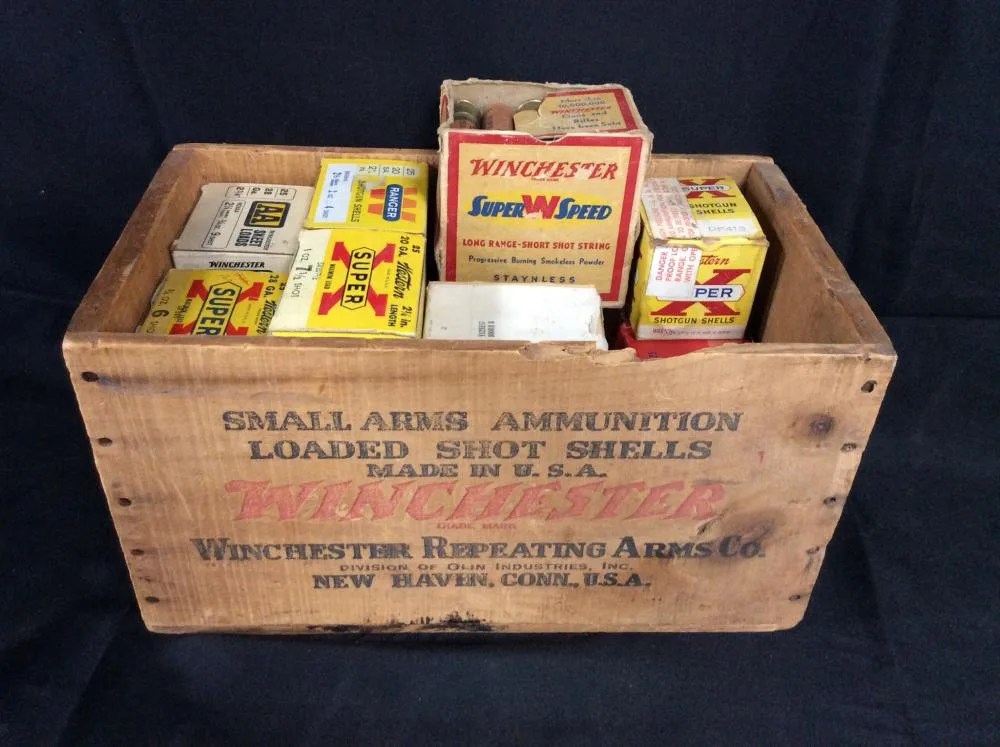
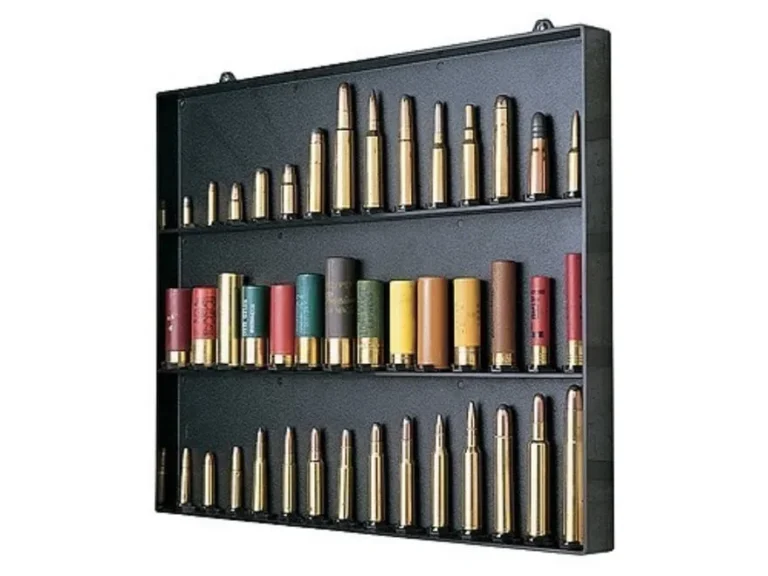
Image source: Bing (Web (fair-use with source credit))
Understanding Ammunition's Precision: What Makes It Work?
Ammunition, whether for a handgun, rifle, or shotgun, is a complex assembly designed for consistent and predictable performance. It's not just a bullet in a case; every component plays a critical role. When you consider mixing, it's essential to understand the factors that make a single round work reliably.
Caliber, Weight, and the Powder's Role
The caliber of ammunition, like .223 Remington or 9mm Luger, is fundamental to its function within a specific firearm. However, even within the same caliber, variations in bullet weight can significantly alter performance. For example, a 115-grain 9mm bullet will travel at a different velocity and exhibit a different trajectory than a 147-grain 9mm bullet fired from the same pistol.
This difference in mass directly impacts the amount of propellant needed for optimal ignition and expansion. The powder charge itself is precisely measured by manufacturers to achieve specific pressure and velocity targets.
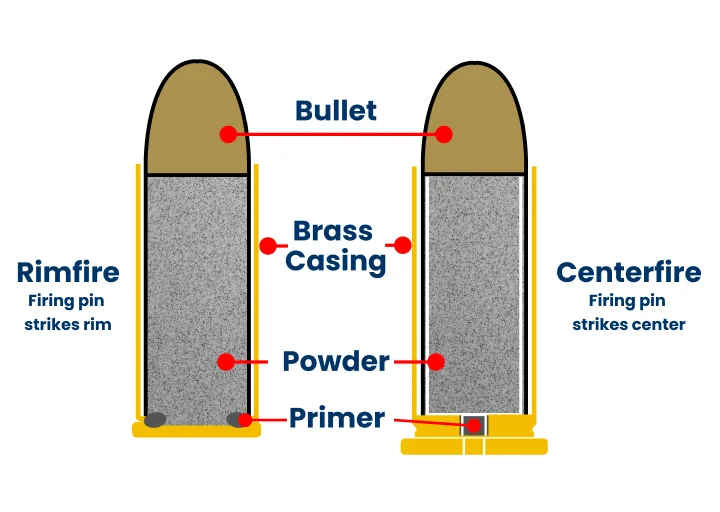
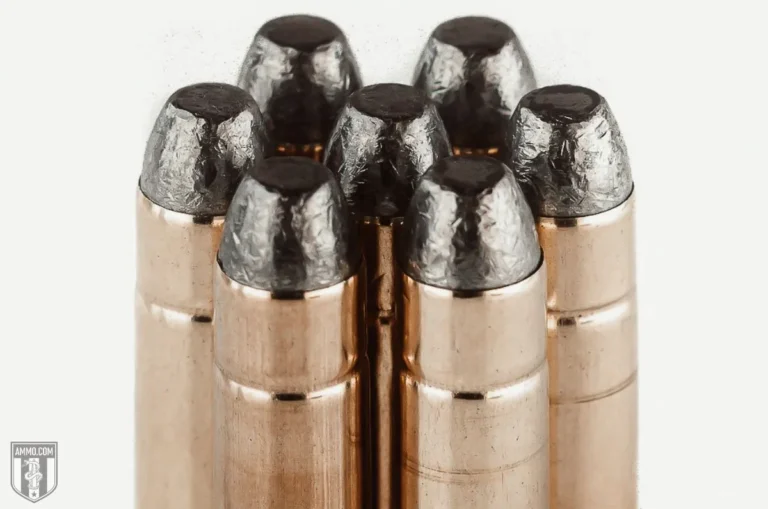
Image source: Bing (Web (fair-use with source credit))
Casing and Bullet Design Variances
Beyond weight and caliber, the physical design of the casing and bullet matters. Bullet profiles vary greatly, from Full Metal Jacket (FMJ) to Hollow Point (HP) or Soft Point (SP), each designed for different purposes. These variations affect how the bullet feeds into the chamber and how it interacts with the barrel's rifling.
Similarly, casing dimensions, rim designs, and even the hardness of the brass can differ between manufacturers. These subtle, yet critical, variations mean that what works smoothly in one round might cause friction or improper seating in another if mixed.
The Real Risks: What Happens When You Mix Ammunition?
Introducing mixed ammunition into your firearm isn't just about potential inconvenience; it's about inviting a cascade of potential malfunctions that can range from frustrating to downright dangerous. Think of it as adding unpredictable ingredients to a recipe where precision is paramount.
Pressure Problems: Too Much or Too Little
One of the most significant dangers of mixing ammunition is the risk of extreme pressure fluctuations. Different manufacturers use varying powder types and quantities. If you combine rounds with hotter loads with those with milder loads, you can encounter dangerously high pressures.
This over-pressure can stress the firearm's components beyond their design limits, potentially causing catastrophic failure, such as a blown case or a ruptured barrel. Conversely, combining significantly under-powered rounds can lead to "squib loads," where the bullet doesn't have enough energy to exit the barrel, leaving a blockage that's a serious safety hazard for any subsequent shots fired.
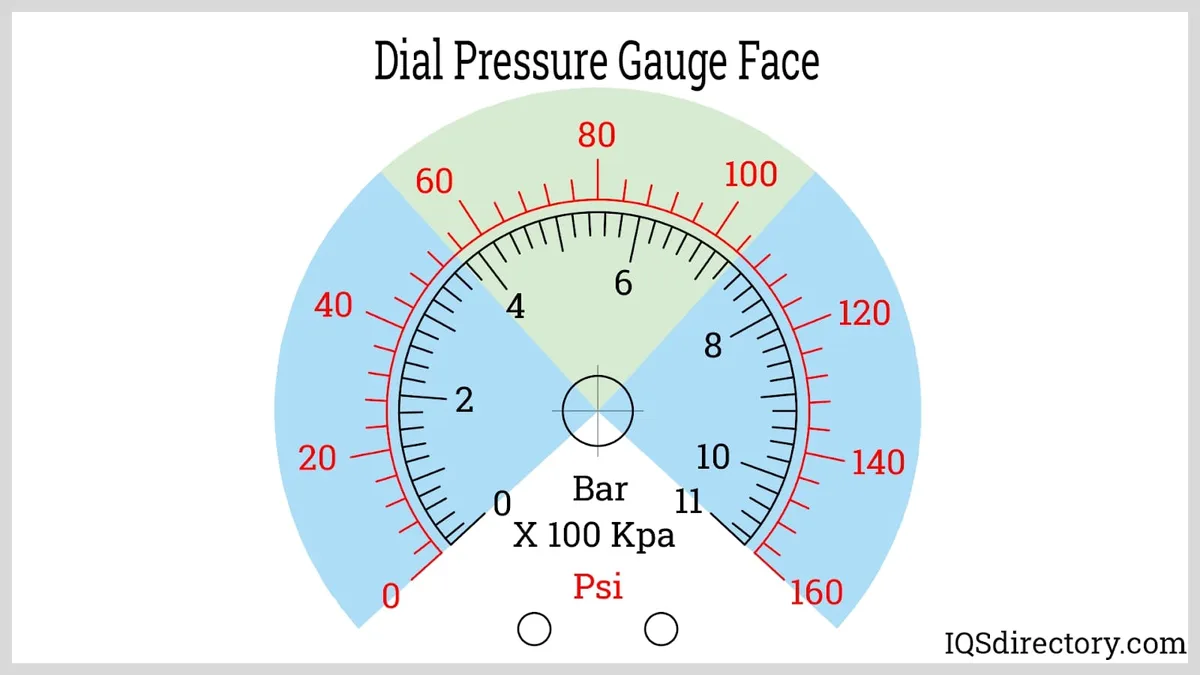
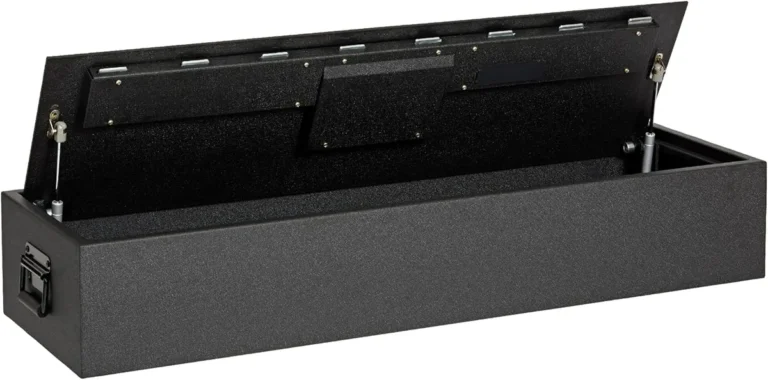
Image source: Bing (Web (fair-use with source credit))
Feeding and Ejection Nightmares
Firearms rely on precise feeding and ejection mechanisms to cycle reliably. When you mix ammunition, you might encounter rounds with slightly different case rim diameters, overall lengths, or taper crimps. These small differences can prevent a cartridge from seating correctly in the chamber or cause the extractor to fail to grip the case rim properly.
The result can be anything from a simple jam, where the next round fails to feed, to a "stovepipe" jam, where a spent casing gets caught in the action. A malfunctioning firearm at a critical moment is not only a nuisance but a serious safety concern.
Inconsistent Accuracy and Performance
For accurate shooting, you need consistency. This means every shot should travel at roughly the same velocity and follow a similar trajectory. Mixing ammunition directly undermines this.
Rounds with different bullet weights and powder charges will have varying velocities, leading to different points of impact. This makes it incredibly difficult to achieve consistent accuracy, especially at longer ranges or when precision is required. Your point of aim might be dead-on for one round, only to be significantly off for the next, making effective marksmanship a near impossibility.
Potential for Firearm Damage
The cumulative effects of pressure issues and repeated feeding or ejection malfunctions can take a toll on your firearm. Sustained use of improperly matched ammunition can lead to accelerated wear and tear on critical components, such as the bolt, barrel, and receiver. In severe cases of over-pressure, the damage can be immediate and catastrophic, rendering the firearm unsafe for any future use.
It’s a costly and dangerous trade-off to try and save a few dollars or convenience by mixing ammo.
Practical Alternatives: What To Do With Partial Boxes
We all end up with those few rounds left over in a box. It's tempting to just dump them all together, but there are much safer and more practical ways to handle partial ammunition boxes. The key is to avoid the risks associated with mixing, focusing instead on organization and deliberate use.
The "Use It Up" Strategy
The most straightforward approach is to simply use up the remaining rounds. If you have just a handful of cartridges left in several boxes of the same caliber and type, plan a trip to the range specifically to finish them. This clears out your inventory and ensures you're only firing one type of ammunition during that session.
It’s a simple, effective way to consolidate your supplies without compromising safety or performance.
Designating and Storing Ammunition
For longer-term storage, keeping ammunition in its original packaging is always best. This clearly labels the manufacturer, caliber, bullet type, and weight. If you must consolidate, do so mindfully.
For instance, you might group all your range-practice ammunition together in one container, separate from your self-defense or hunting rounds. However, never combine different types within these consolidated groups.
Smart Ammunition Management
Good ammunition management involves knowing what you have and how much. Consider keeping a simple log or inventory of your ammunition. This helps you track quantities and types, ensuring you grab the correct rounds for your intended purpose.
It also prevents those "mystery boxes" from accumulating in the back of your safe or ammo can. Investing a few minutes in organization can save you a lot of headaches and potential risks down the line.
Ammunition Safety: Best Practices for Shooters
Safety is paramount when handling firearms and ammunition. This extends beyond basic gun safety rules to specific considerations about the ammunition itself. Because ammunition is the consumable component that directly interacts with the firearm's core mechanisms, its consistency and proper use are critical.
Prioritizing Consistency Over Convenience
As we've discussed, mixing ammunition introduces too many variables. Manufacturer specifications, like those for pressure limits (often measured in Pounds per Square Inch, or PSI), are designed to be met by specific loads. For example, standard .45 ACP cartridges typically operate within a SAAMI pressure limit of 21,000 PSI.
When you deviate from a single type of ammunition, you lose the assurance that you are operating within these safe parameters for every shot. The convenience of having all your ammo in one place is never worth the potential risk of a malfunction or damage.
Safe Handling and Storage
Always store ammunition in a cool, dry place, away from direct sunlight and extreme temperatures. Keep it in its original packaging whenever possible. When transporting ammunition, ensure it is secured and handled carefully to prevent accidental drops or damage to the casings or primers.
This careful handling extends to the range; always be aware of what ammunition is loaded in your firearm and avoid mixing types within magazines or the firearm itself.
Frequently Asked Questions About Mixing Ammo
Can I mix different brands of the same caliber, like Winchester and Federal 9mm?
Generally, no. Even within the same caliber, brands can have different powder charges, casing dimensions, and bullet profiles, which can lead to inconsistent performance or safety issues.
What happens if I accidentally fire mixed ammunition?
You might experience jams, misfires, or, in worst-case scenarios, dangerous pressure spikes that can damage your firearm or cause injury. It's crucial to check your ammunition before loading.
Is it okay to mix old ammo with new ammo?
While age itself doesn't always mean a problem, mixing old and new ammunition can still lead to performance inconsistencies if they are different loads. Inspect older ammunition for signs of corrosion or damage, and if it's a different specification than your new ammo, it's best to use them separately.
Does mixing ammunition affect accuracy?
Yes, mixing ammunition with different bullet weights or velocities will directly impact your accuracy. Each round will fly differently, making it very difficult to achieve consistent shot placement.
What if I just have a few rounds left of different types?
The safest approach is to shoot them separately. Plan a range trip to use up the last few rounds of one type before switching to another, or dedicate a magazine to each type if your firearm allows for safe and reliable cycling of both.
Your Guide to Reliable Ammunition Choices
When it comes to selecting ammunition, remember that consistency is your best friend. Sticking to a single manufacturer, bullet type, and weight for any given shooting session ensures predictable performance and, most importantly, safety. While it might seem less convenient than mixing, the reliability and peace of mind you gain are invaluable.
Always prioritize quality and consistency over the temptation to combine different rounds.